
Unlock a world of benefits
- Access to all scientific presentations and panel discussions
- Networking opportunities with speakers and Nature editors
- Attend poster session showcasing cutting-edge research
- Connect with peers and foster connections and collaborations
- Receive conference resources, including but not limited to e-program book
- Meals and refreshments included, as noted on the conference program (all dietary preferences typically covered)
- Showcase your research and elevate your profile by presenting an abstract
Agenda
Times are displayed in EDT
-
Available On Demand
Wednesday, October 14, 2026
Time Event 8:00 a.m. – 9:00 a.m. Event check-in and breakfast 9:00 a.m. – 9:10 a.m. Welcome SESSION I Disease Surveillance and Forecasting 9:10 a.m. – 9:35 a.m. Modeling as Public Health Service: From Outbreak Forecasting to the Design of Surveillance Systems
Alessandro Vespignani, Northeastern University (Massachusetts, USA)9:35 a.m. – 10:00 a.m. Why we should start with the determinants of health
Elaine Nsoesie, Boston University (Massachusetts, USA)10:00 a.m. – 10:25 a.m. Talk Title TBD
Tanmoy Chakraborty, Indian Institute of Technology (Delhi, India)10:25 a.m. – 10:40 a.m. Short Talk: One Health digital platform for free-roaming dog enumeration, individual identification, vaccination monitoring and bite-response support
Harish Kumar Tiwari, Indian Institute of Technology Guwahati (IITG) (Assam, India)10:40 a.m. – 11:10 a.m. Break and Networking 11:10 a.m. – 12:00 p.m. Keynote Address
Public Health in the Post-COVID Era: From Data to Decision Making
Lauren Gardner, Johns Hopkins University (Maryland, USA)12:00 p.m. – 1:30 p.m. Lunch Break SESSION II Antimicrobial Resistance and Drug Development 1:30 p.m. – 1:55 p.m. Population genomics in the fight against Klebsiella pneumoniae- a priority AMR pathogen of pandemic potential
Kelly Wyres, Monash University (Melbourne, Australia)1:55 p.m. – 2:20 p.m. Translational Intelligence for next generation of TB Regimens
Rada Savic, University of California (California, USA)2:20 p.m. – 2:45 p.m. AMR surveillance-Indian scenario
Vandana K.E., Manipal Academy for Higher Education (Manipal, India)2:45 p.m. – 3:00 p.m. Short Talk: Emergence of the blaKPC-2 in the high-risk ST235 clone among Indian carbapenem resistant Pseudomonas aeruginosa isolates
Nilesh Makwana, Indian Institute of Technology Gandhinagar (IIT Gandhinagar), India3:00 p.m. – 3:30 p.m. Break and Networking 3:30 p.m. – 4:15 p.m. Roundtable Discussion
TBD4:15 p.m. – 6:00 p.m. Poster Session A 6:00 p.m. – 8:00 p.m. Cultural Event and Dinner 8:00 p.m. End of Day 1
 Alessandro Vespignani Sternberg Family Distinguished University Professor and Director, Network Science Institute Northeastern University (Massachusetts, USA)Alessandro Vespignani is the Sternberg Family Distinguished University Professor at Northeastern University, holding positions across Computer and Information Sciences, Health Sciences, and Physics. He founded Northeastern's Network Science Institute and directs the Laboratory for the Modeling of Biological and Socio-technical Systems. As an Italian-American physicist, Vespignani is recognized for his work applying network theory and data-driven methods to model infectious disease spread, using statistical and simulation techniques to study complex networks and the spatial spread of epidemics, particularly focusing on emerging infectious diseases.Vespignani earned his degrees in physics from Sapienza University of Rome and conducted postdoctoral research at Yale and Leiden Universities. Prior to Northeastern, he held positions at the International Center for Theoretical Physics, the University of Paris-Sud, and Indiana University, where he was a professor of Informatics and Computing. He has been a pioneer in using data science and computational tools for forecasting global epidemics, with his team providing modeling for outbreaks including the 2009 H1N1 flu, Ebola, Zika, and COVID-19. During the COVID-19 pandemic, his team's predictive models informed the White House, CDC, and WHO on intervention strategies.His work has earned him recognition as an elected fellow of the American Physical Society and the Network Science Society, and an elected member of the Academy of Europe. In 2021, he was knighted by the Italian government for his role in fostering cooperation between Italy and the U.S. during the pandemic. Vespignani has co-authored books such as Evolution and Structure of the Internet and Dynamical Processes on Complex Networks, and has a significant number of publications in scientific journals.
 Elaine Nsoesie Associate Professor in the Department of Global Health Boston University (Massachusetts, USA)
Elaine O. Nsoesie is an Associate Professor in the Department of Global Health at the Boston University School of Public Health. She is an internationally recognized data scientist and a leading voice on the use of data and technology to advance health equity. She is a Data Science Faculty Fellow and was a Founding Faculty of the Boston University Faculty of Computing and Data Sciences. She co-edited and contributed to the book, Urban Health in Africa – a collection of essays by thirty eight scholars focused on addressing critical issues related to urbanization in Africa.
She served as a program lead and senior advisor to the Artificial Intelligence/Machine Learning Consortium to Advance Health Equity and Researcher Diversity (AIM-AHEAD) Program at the National Institutes of Health through the Intergovernmental Personnel Act (IPA) Mobility Program. She also led the Racial Data Tracker project at the Boston University Center for Antiracist Research.
She has expertise in the application of data science methods (including, machine learning and artificial intelligence) and data from non-traditional public health sources (such as, mobile phones, satellites, and social media) to address major global health challenges. Her work approaches health equity from multiple angles, including increasing representation of communities typically underrepresented in data science through programs like Data Science Africa and AIM-AHEAD; addressing bias in health data and algorithms; and using data and policy to advance racial equity. She has collaborated with local departments of health in the U.S. to improve disease surveillance systems, international organizations like UNICEF and UNDP, and served as a Data & Innovation Fellow in the Directorate of Science, Technology, and Innovation (DSTI), The President’s Office, Sierra Leone. Tanmoy Chakraborty Associate Professor, Dept. of Electrical Engineering and Yardi School of Artificial Intelligence Indian Institute of Technology (Delhi, India)Tanmoy Chakraborty holds the Rajiv Khemani Young Faculty Chair in AI and is an Associate Professor in the Department of Electrical Engineering and the Yardi School of Artificial Intelligence at the Indian Institute of Technology Delhi. He leads the Laboratory for Computational Social Systems (LCS2), a research group focused on Natural Language Processing (NLP), Social Computing, and Machine Learning — with a particular emphasis on building economical, interpretable, and adoptable language models for mental health and cyber-informatics applications. Tanmoy has held prestigious international positions, including DAAD Visiting Professor at MPI Saarbrücken, PECFAR Visiting Professor at TU Munich, and Alexander von Humboldt Fellow at TU Darmstadt. His work has been recognized through numerous honors, including the ACM India Outstanding Contribution to Computing Education Award, Indian National Science Academy Young Associate, the Ramanujan Fellowship, and faculty awards from Microsoft, Google, IBM, LinkedIn, JP Morgan, and Adobe. He has authored two textbooks — Social Network Analysis and Introduction to Large Language Models — and currently serves as Editor-in-Chief of ACL Rolling Review and Associate Editor of Computational Linguistics, Transactions of the Association for Computational Linguistics, and ACM Computing Surveys. He also served as Program Chair of EMNLP 2025, one of the premier conferences in NLP. Tanmoy earned his PhD from IIT Kharagpur in 2015 as a Google PhD Scholar. More details at tanmoychak.com.
 Lauren Gardner Alton and Sandra Cleveland Professor, Department of Civil and Systems Engineering Johns Hopkins University (Maryland, USA)Lauren Gardner is the Alton and Sandra Cleveland Professor in the Department of Civil and Systems Engineering at Johns Hopkins Whiting School of Engineering, holds a joint appointment in the Bloomberg School of Public Health, and serves as Director of the Center for Systems Science and Engineering(CSSE). She is the creator of the interactive web-based dashboard used by public health authorities, researchers, and the general public around the globe to track the COVID-19 Pandemic. The dashboard debuted on January 22, 2020, served as the primary source of COVID-19 case information globally, receiving more than 200 billion feature requests during its three years running. Gardner was named one of TIME’s 100 Most Influential People of 2020 for “democratizing data” and filling “a void of public health leadership” during the pandemic, Fast Company’s Most Creative People in Business for 2020, and won the 2024 Merck Future Insight Prize the 2022 Lasker~Bloomberg Public Service Award, America’s top medical research prize.Gardner is an expert on large-scale primary data collection and model development to better understand communicable disease risk and public health policy implications. Throughout the COVID-19 pandemic her team routinely developed and contributed predictive models to U.S. cities, the CDC and Whitehouse to support situational awareness, and inform policy making. She has published over 100 scholarly articles, letters, communications, and conference proceedings. She is an invited member of multiple international professional committees and scientific advisory committees, and reviewer for top-tier journals and grant-funding organizations. She supervises a research group of undergraduate, masters and PhD students and post docs, and teaches courses on network modeling at Johns Hopkins University.Prior to joining JHU in 2019, Gardner was a senior lecturer in civil engineering at the University of New South Wales (UNSW) Sydney, in Australia. She received her BSArchE in architectural engineering, her MSE in civil engineering, and her PhD in transportation engineering at the University of Texas at Austin.
 Kelly Wyres Associate Professor & Research Group Leader Department of Infectious Diseases Monash University (Melbourne, Australia)
Assoc/Prof Kelly Wyres is a computational microbiologist who’s research focusses on genomic and metabolic diversity of bacterial pathogens. Most notably, these include the World Health Organization’s #1 ranked priority antimicrobial resistant organism- Klebsiella pneumoniae. Kelly is a Research Group Leader and Co-Lead for the Infectious Diseases Genomics program at the Department of Infectious Diseases, Monash University. She also co-leads the KlebNET Genomic Surveillance Platform, a multi-national consortium working to develop and harmonise resources that support global surveillance for Klebsiella species and Escherichia coli. Kelly has received prestigious research funding awards, including a National Health and Medical Research Council of Australia Investigator Grant, Australian Research Council Discovery Project awards and Gates Foundation Investments. Her work has gained international recognition, as evidenced by a recent Australian Society for Microbiology Frank Fenner Award and nomination as a Clarivate Highly Cited Researcher.
 Rada Savic Professor of Medicine and Bioengineering University of California, San Francisco (California, USA)
Dr. Rada Savic is a Professor at the University of California, San Francisco (UCSF), Director of UCSF’s Clinical Pharmacology and Therapeutics Fellowship Program, Co-Director of the UCSF Center for TB, and a pioneering leader in drug development intelligence, leveraging data science, computational tools, and AI to accelerate and de-risk drug discovery and development to advance drug development and routine drug therapy in infectious diseases including special populations such as children and pregnant women. Dr. Savic applies innovative, quantitative, and systems pharmacology methods to propose optimized and precision dosing strategies, data-driven risk stratification algorithms, and inspires new clinical simulation tools across the infectious disease landscape. Dr. Savic's unique expertise in data, modeling, and knowledge integration positions her at the center of many development projects where she collaborates with teams across all drug discovery and development stages. She is currently a member of the TB Drug Accelerator, a chair of A5409 (an ACTG-funded platform clinical trial for TB regimens), a member of UNITE4TB (EU-based TB clinical trial collaborative), a member of CDC-funded TB Trial Consortium, and the leader of the Preclinical Design and Clinical Translation of Regimens for TB (PReDiCTR-TB) Consortium, an international collaboration for TB Regimen Development. Recognized for her groundbreaking contributions, Dr. Savic is a Chan-Zuckerberg Biohub Investigator, and winner of the 2025 Malle Jurima-Romet Mid-Career Leadership Award.
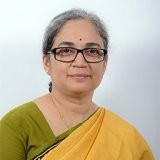 Vandana K.E. Professor, Department of Microbiology Manipal Academy for Higher Education (Manipal, India)Dr. Vandana K E is a clinical microbiologist with a training in epidemiology and Antimicrobial Stewardship. Her special interest and expertise are antimicrobial resistance surveillance, resistance epidemiology, antimicrobial and diagnostic stewardship, and infection prevention. She leads the MAHE Centre for Antimicrobial Resistance and Education(CARE) and Manipal bioMérieux Center of Excellence in Antimicrobial Stewardship. She has been instrumental in developing a few training programs for clinical pharmacists and microbiologists in AMR and AMS. She is also the executive council member of Healthcare Infection Society of India (HISI)
 Nilesh Makwana Postdoctoral Fellow, Department of Biological Sciences and Engineering Indian Institute of Technology Gandhinagar (IIT) (Gandhinagar, India)
 Harish Tiwari DBT Wellcome Trust India Alliance Intermediate Fellow Indian Institute of Technology Guwahati (IITG) (Assam, India)
 -
Available On Demand
Thursday, October 15, 2026
Time Event 8:00 a.m. – 9:00 a.m. Event check-in and breakfast SESSION III Diagnostic and Screening 9:00 a.m. – 9:25 a.m. A Global Immune Observatory and Sequencing to Direct Immunization Programs
Michael Mina, MIT and Truvian Health (Massachusetts, USA)9:25 a.m. – 9:50 a.m. Pandemic Preparedness and Vaccine Discovery and Development in Africa
Nicaise Ndembi, IVI Africa Regional Office (Rwanda, Africa)9:50 a.m. – 10:15 a.m. Long-term efficacy of a single dose of HPV vaccines in preventing cervical cancer: evidence from immunogenicity, persistent infection, and cervical precancer outcomes
Partha Basu, International Agency for Research on Cancer, World Health Organization (Lyon, France)10:15 a.m. – 10:30 a.m. Short Talk: Modeling the Impact of Active HPV Testing Intervention on Cervical Cancer Burden in India
Arvinth Shanmugam, Indian Institute of Technology (Madras, India)10:30 a.m. – 11:00 a.m. Break and Networking 11:00 a.m. – 11:50 p.m. Keynote Address
Transforming Tuberculosis Diagnosis
Madhukar Pai, McGill University (Quebec, Canada)11:50 p.m. – 1:30 p.m. Lunch Break SESSION IV Disease Prevention and Vaccines 1:30 p.m. – 1:55 p.m. Emerging and endemic infectious diseases: An economist's perspective
Katharina Hauck, Imperial College (London, UK)1:55 p.m. – 2:20 p.m. From Prevention to Response: The Future of Vaccines in the Asia-Pacific
Meru Sheel, The University of Sydney (Sydney, Australia)2:20 p.m. – 2:45 p.m. Future-proofing access: Lessons from lenacapavir for the next generation of long-acting HIV, TB and malaria prevention
Sharonann Lynch, Georgetown University (District of Columbia, USA)2:45 p.m. – 3:00 p.m. Short Talk: Immunogenicity and safety of a 14-valent pneumococcal conjugate vaccine (BE-PCV14) in children aged ≥5 years, adults and older adults: a multicenter, randomized, active controlled, phase IV trial
Subhash Thuluva, Biological E. Limited (Hyderabad, India)3:00 p.m. – 3:30 p.m. Break and Networking 3:30 p.m. – 4:20 p.m. Keynote Address
Progress, challenges and opportunities against vaccine preventable respiratory pathogens in children
Shabir A. Madhi, University of the Witwatersrand (Johannesburg, South Africa)4:20 p.m. – 5:50 p.m. Poster Session B 5:50 p.m. End of Day 2
 Michael Mina Senior Lecturer, M.I.T. Sloan School of Management and Chief Medical Officer and Chief Epidemologist, Invivyd (Massachusetts, USA)
 Nicaise Ndembi Deputy Director General, Regional Director IVI Africa Regional Office (Kigali, Rwanda)Professor Nicaise Ndembi, Ph.D., is the Deputy Director General and Regional Director of the IVI Africa Regional Office, based in Kigali, Rwanda. Prof. Ndembi is also an Associate Professor at the Institute of Human Virology, University of Maryland School of Medicine as well as a Research Professor at the Kanazawa University School of Medicine, Department of Viral Infection and International Public Health, where he completed his doctorate in molecular virology. Prior to joining IVI in 2025, Prof. Ndembi was the Principal Advisor to the Africa Centres for Disease Control and Prevention (CDC)’s Director General, where he established the Partnerships for Africa Vaccine Manufacturing (PAVM), creating a framework for regional vaccine manufacturing and self-reliance. He additional held the position of Deputy Incident Manager Mpox – Marburg Continental Preparedness and Response Plan for Africa. Prof. Ndembi has authored and co-authored over 300 peer-reviewed papers and chapters in professional journals. He is the Editor-in-Chief of the Journal of Public Health of Africa as well as AIDS Research and Therapy. And he has been named to the TIME100 Health list – recognizing the 100 most influential people in global health.
 Partha Basu Head, Early Detection, Prevention & Infections Branch International Agency for Research on Cancer, World Health Organization (Lyon, France)Dr. Partha Basu is a distinguished gynecological oncologist currently serving as the Head of the Early Detection, Prevention, and Infections Branch at the International Agency for Research on Cancer (IARC), the specialized cancer agency of the World Health Organization (WHO). Before joining IARC in 2015, he established his clinical expertise as the Head of Gynecological Oncology at the Chittaranjan National Cancer Institute in India. He holds an MBBS, an MD in Obstetrics and Gynecology, and a PhD in clinical oncology, a foundation that has supported his extensive career in global health leadership.In his current role at the WHO, Dr. Basu leads international efforts to improve cancer screening and early detection strategies for cervical, breast, colorectal, and lung cancers. He is particularly recognized for his pivotal contributions to the WHO Global Strategy for cervical cancer elimination, where his research has validated the effectiveness of single-dose HPV vaccination and thermal ablation treatments for precancerous lesions. Beyond clinical research, he spearheads the CanScreen5 global project to improve screening quality and has pioneered the use of artificial intelligence to enhance cancer detection in low-resource settings. With over 320 peer-reviewed publications, his work continues to shape international guidelines and public health policy.
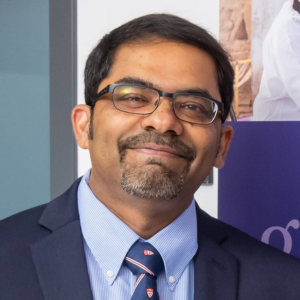 Madhukar Pai Professor and Chair, Department of Global and Public Health McGill University (Montreal, Canada)
Prof Madhukar Pai, MD, PhD, FCAHS, FRSC is the Inaugural Chair, Department of Global and Public Health at the McGill School of Population and Global Health. He holds a Tier 1 Canada Research Chair in Epidemiology & Global Health. He was previously Director of the McGill International TB Centre. He was the inaugural Editor-In-Chief of PLOS Global Public Health. He is an elected Fellow of the Royal Society of Canada, and a Fellow of the Canadian Academy of Health Sciences.
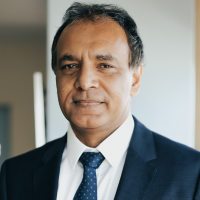 Shabir A. Madhi Professor of Vaccinology University of the Witwatersrand (Johannesburg, South Africa)Prof Shabir Madhi is an NRF A-rated South African researcher of global standing. He has been conducting clinical and epidemiology research for 25 years, with a specific focus on the clinical and molecular epidemiology and prevention of pneumonia, meningitis, neonatal sepsis, and diarrheal disease. His is an outstanding example of the application of scientific thinking in the service of society.Madhi is Professor of Vaccinology and Director of the South African Medical Research Council Vaccines and Infectious Diseases Analytics Research Unit (Wits VIDA) at the University of the Witwatersrand. In January 2021, he was appointed Dean of the Faculty of Health Sciences at the University of the Witwatersrand.Born in 1966, Madhi initially aspired to becoming an engineer but his bursary conditions only allowed him to study medicine. In 1990 he completed his undergraduate training at the University of the Witwatersrand, Johannesburg, and six years later, became a fellow of the College of Paediatrics (FCPaeds (SA)). During this time, he applied for a post under Professor Keith Klugman, to work on vaccines for pneumonia. In 1998 he received a Master’s degree in Medicine (Paediatrics) and a PhD in 2003.
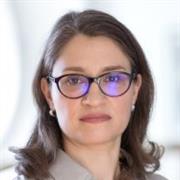 Katharina Hauck Professor in Health Economics Imperial College (London, UK)Katharina Hauck is a Professor in Health Economics and Deputy Director of the Abdul Latif Jameel Institute for Disease and Emergency Analytics (Jameel Institute), School of Public Health, Imperial College London. Her research focuses on the economics of endemic and emerging infectious diseases, and the economic evaluation of interventions that prevent, control and mitigate threats to population health globally. Katharina leads the 'Jameel Institute-Kenneth C. Griffin Initiative for the Economics of Pandemic Preparedness', an international collaborative program of research that has the mission to determine the health and economic value of pandemic preparedness with integrated economic-epidemiological modelling. She leads several collaborative studies in low-and middle-income countries, and regularly advises governments and multilateral agencies on national and international health policy. Katharina holds a PhD in Economics from the University of York (2005). Her previous appointments were at the Business School of Imperial College London (2010-2015), the Department of Econometrics and Business Statistics, Monash University (Australia, 2005-2010), the Centre for Health Economics, University of York (UK, 1999-2005), and the World Health Organization in Geneva (Switzerland, 1998-1999)
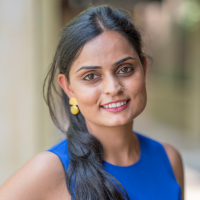 Meru Sheel Professor of Infectious Diseases and Global Health, Faculty of Medicine and Health The University of Sydney (Sydney, Australia)Professor Meru Sheel is a distinguished infectious diseases epidemiologist and vaccinologist based at the University of Sydney School of Public Health. Raised in India, her early exposure to the devastating impacts of diseases like polio and tuberculosis inspired her career as a "disease detective". Today, she serves as a Professor of Infectious Diseases and Global Health, where she leads the Infectious Diseases, Immunisation and Emergencies (IDIE) research group. Professor Sheel was a founding member of the Sydney Infectious Diseases Institute (Sydney ID), an organization dedicated to improving global health security through multidisciplinary research.Her career is defined by a commitment to public health in resource-limited settings and extensive field experience. She has responded to numerous international crises, including the Rohingya refugee crisis in Bangladesh and major disease outbreaks in Fiji, Tonga, and Papua New Guinea. During the COVID-19 pandemic, she provided critical leadership as a consultant for the World Health Organization (WHO), specifically coordinating preparedness efforts for Tonga. A prominent advocate for diversity, she chairs the Australian Chapter for Women in Global Health and has been recognized as one of the "40 Under 40 Most Influential Asian-Australians".Professor Sheel’s academic foundation includes a Bachelor’s in Biotechnology from Manipal University, a PhD in Life Sciences from the Queensland Institute of Medical Research and Queensland University of Technology, and an MPhil in Applied Epidemiology from the Australian National University. As a Westpac Research Fellow, she continues to bridge the gap between laboratory science and field-based public health to ensure equitable health outcomes worldwide.
 Sharonann Lynch Co-Director, Center for Global Health Policy & Politics Georgetown University (Washington, D.C., USA)Sharonann Lynch has worked for 25 years in global health. She is currently Co-director at the Center for Global Health Policy and Politics at Georgetown. Prior to joining Georgetown, she worked with Médecins Sans Frontières (MSF) for 15 years, including four years in MSF HIV and TB projects in southern Africa and as the Senior HIV and TB Policy Advisor influencing the policies of national governments, donors, pharmaceutical corporations, diagnostic companies, and other global health actors towards sustainable access to medical innovations. She currently serves as a Board member representing the NGO delegation to Unitaid. She has published numerous articles in peer-reviewed journals, co-authored dozens of reports, spoken at numerous scientific conferences, and been quoted extensively in the media.
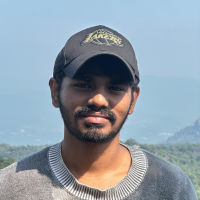 Arvinth Shanmugam Post Baccalaureate Research Fellow Indian Institute of Technology (Madras, India)
 Subhash Thuluva Senior VP & Head- Clinical Development Biological E.Limited (Hyderabad, India)
 -
Available On Demand
Friday, October 16, 2026
Time Event 8:00 a.m. – 9:00 a.m. Event check-in and breakfast SESSION V Climate Change and Pandemic Preparedness 9:00 a.m. – 9:25 a.m. Planetary Change Is Reshaping Vector-Borne Disease Risk
Joachim Rocklöv, Heidelberg Institute of Global Health & Interdisciplinary Centre for Scientific Computing (Heidelberg, Germany)9:25 a.m. – 9:50 a.m. Climate change, the gut microbiome and childhood malnutrition
Tahmeed Ahmed, International Centre for Diarrhoeal Disease Research (Bangladesh)9:50 a.m. – 10:15 a.m. Climate Change and Antimicrobial Resistance: A One Health Perspective
Lianping Yang, Sun Yat-sen University and Peking University (China)10:15 a.m. – 10:30 a.m. Short Talk: Translating Science to Public Health Impact: 10 Years of Project Wolbachia supported by Multi-Source Dengue Surveillance in Singapore
Lee Ching Ng, National Environment Agency (Singapore)10:30 a.m. – 11:00 a.m. Break and Networking 11:00 a.m. – 11:50 a.m. Keynote Address
Prediction of outbreak risk as a pillar of preparedness
Marion Koopmans, Erasmus University Rotterdam (Rotterdam, Netherlands)11:50 a.m. – 12:00 p.m. Poster Awards 12:00 p.m. – 12:30 p.m. Concluding Remarks and Event Wrap-Up 12:30 p.m. End of Event
 Marion Koopmans Professor of Public Health Virology and Scientific Director of the Pandemic & Disaster Preparedness Center Erasmus University Rotterdam (Rotterdam, Netherlands)
Prof. Marion Koopmans is a professor of Public Health Virology in the Department of Viroscience at Erasmus Medical Centre in The Netherlands, director of the WHO collaborating centre for Emerging Infectious Diseases, scientific director for Emerging Infectious Diseases of the Netherlands Centre for One Health NCOH and scientific director of the Pandemic and Disaster Preparedness Centre in Rotterdam/Delft The Netherlands.
Her research focuses on emerging infections with special emphasis on unravelling pathways of disease emergence and spread at the human animal interface. Creating global networks to fight infectious diseases systematically and on a large scale is a common thread in Koopmans' work.
Koopmans coordinates the EU funded consortium VEO, which develops a risk based innovative early warning surveillance in a One Health context, and is deputy coordinator of a recently awarded HERA funded network of centres of excellence for EID research
preparedness. In 2021, Koopmans founded the Pandemic and Disaster Preparedness Centre PDPC, a research centre with a focus on the occurrence and prevention of pandemics and climate-related disasters, combining expertise from technical, bio-medical, environmental and social sciences.
During the corona crisis in the Netherlands in 2020, Koopmans was a member of the Outbreak Management Team that advised the national government on measures to stop the spread of SARS-CoV-2. This role brought her national prominence, making her partly a "beacon of reliability" but she also faced growing distrust from a vocal minority of opponents of the Dutch national government's corona policy.
 Joacim Rockloev Director of the Heidelberg Planetary Health Hub Heidelberg Institute of Global Health & Interdisciplinary Centre for Scientific Computing (Heidelberg, Germany)
Professor Joacim Rocklöv is an Alexander von Humboldt Professor at Heidelberg University with a focus on modelling of climate-sensitive infectious diseases. He heads the Heidelberg Planetary Health Hub, which is dedicated to developing and applying innovative methods to understand and predict how climate change and the polycrisis influences infectious disease dynamics and how the impact may unfold into the future.
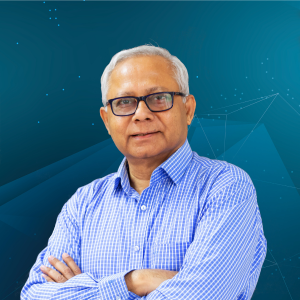 Tahmeed Ahmed Executive Director International Centre for Diarrhoeal Disease Research (icddr,b) (Dhaka, Bangladesh)
Dr Tahmeed Ahmed is the first Bangladeshi scientist to serve as Executive Director of icddr,b, where he has dedicated forty years to research and institutional leadership. A physician and public health researcher, his career spans pioneering work in nutrition, gastroenterology, and infectious diseases, with lasting contributions to improving public health in resource-limited settings.
He guided icddr,b’s research teams to undertake a wide range of COVID-19 studies, covering infection, transmission dynamics, treatment, and diagnostics. Among his notable achievements is the work on Microbiota Directed Complementary Food (MDCF) with Professor Jeffrey Gordon of Washington University at St. Louis, recognised in TIME magazine’s Best Inventions 2025 for its social impact on childhood malnutrition. He also developed Sharnali, a locally produced therapeutic food for children suffering from severe acute malnutrition. Named among TIME’s 100 Most Influential People in Health, Dr Ahmed continues to promote evidence-based health solutions globally. He is a member of the Global Task Force on Cholera Control (GTFCC) and Professor of Public Health Nutrition at the BRAC James P Grant School of Public Health.
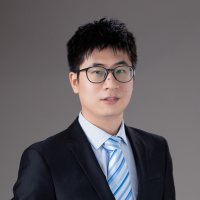 Lianping Yang Associate Professor, School of Public Health, Sun Yat-sen University and Adjunct Researcher, Institute for Global Health and Development, Peking UniversityLianping Yang is an Associate Professor and doctoral supervisor at the School of Public Health, Sun Yat-sen University (SYSU) in Guangzhou, China. Since joining the faculty in 2015, he has established himself as a prominent researcher in the fields of health policy, management, and global health. His primary research focuses on the intersection of climate change and public health, specifically investigating how environmental factors like ambient temperature influence the prevalence of antimicrobial resistance (AMR) across China and the Western Pacific region.Beyond his role at SYSU, Dr. Yang serves as an adjunct associate professor at the Peking University Institute of Global Health and Development, highlighting his active involvement in national health policy discussions. His work often examines the readiness of healthcare professionals to address climate-related health risks and the effectiveness of antimicrobial stewardship programs. Through his extensive publications and academic leadership, he contributes to a better understanding of how socioeconomic and environmental drivers shape modern healthcare challenges.