
Organized by Huazhong University of Science & Technology, Nature Biomedical Engineering, Nature Chemical Biology, Nature Chemistry, Nature Communications, Nature Reviews Bioengineering and Nature Structural and Molecular Biology.
This Nature conference brings together biophysicists, biochemists and chemists, cell biologists, computational scientists and bioengineers to advance our understanding of biomolecular condensates and their roles in health and disease. We will explore the fundamental principles of phase separation, its impact on gene regulation and cellular pathophysiology, and emerging tools for imaging, modelling and engineering condensate-based systems.
Register Now Submit AbstractDeadline: Aug.18, 2026 Contact Us
Event details
Keynote Speakers
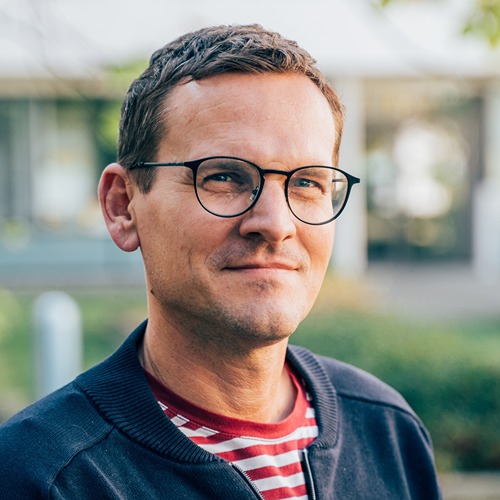
Simon Alberti
Technical University Dresden, Germany
Our research seeks to understand how cells reorganize molecular interactions in response to stress and aging. Many adaptive changes involve dynamic reorganization of the cytoplasm and nucleoplasm into membraneless assemblies and higher-order interaction networks. We investigate the molecular principles that regulate their formation, reversibility, and control, asking how multivalent interactions are kept dynamic under normal conditions yet allowed to stabilize when needed. Our work suggests that cells actively maintain interaction networks in soluble, regulated states through continuous turnover and quality control, a balance that deteriorates with age, leading to misfolding, aggregation, and disease. By combining biochemical reconstitution, quantitative cell biology, and biophysics, we aim to uncover general principles governing cellular organization and its breakdown in aging and neurodegeneration.
Simon Alberti is Professor and Chair of Cellular Biochemistry at the Technical University Dresden (BIOTEC, CMCB). He received his PhD in Biology from the University of Bonn in 2004. In 2005, he joined the laboratory of Susan Lindquist at the Whitehead Institute for Biomedical Research (Cambridge, USA), where he studied prions, amyloids, and protein-based inheritance. From 2010 to 2019, he led a research group at the Max Planck Institute of Molecular Cell Biology and Genetics in Dresden, focusing on protein quality control and the molecular principles underlying cytoplasmic organization.
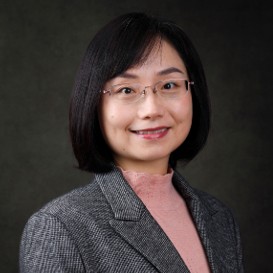
Ling-Ling Chen
Chinese Academy of Sciences, China
Ling-Ling Chen carried out doctoral and post-doctoral work at the UConn Health, USA from 2004 to 2010. She also completed an MBA degree at the UConn Business School in 2009 and was promoted to Assistant Professor in Residence at UConn in 2010. Chen moved to Shanghai Institute of Biochemistry and Cell Biology, Chinese Academy of Sciences (CAS) as an independent PI in 2011. She serves as the Founding Director of the State Key Laboratory of RNA Innovation, Science and Engineering (RISE) in China since 2024, and the Deputy Director (Acting Head) at the Center for Excellence in Molecular Cell Science (a.k.a. Shanghai Institute of Biochemistry and Cell Biology) since 2026.
Her research focuses on long noncoding RNAs (lncRNAs) and RNA-centered nuclear bodies. She has made pioneering contributions to elucidating the diversity, biogenesis, localization, and functions of lncRNAs—particularly circular RNAs—and has advanced their biomedical engineering applications. Her work has also deepened the understanding of nuclear body assembly and function, including the nucleolus and nuclear stress bodies. She published >100 corresponding-author papers in journals including Cell, Nature, Science, Mol Cell, Nat Cell Biol, Nat Biotechnol, Nat Methods, Nat Cell Biol, Nat Rev Mol Cell Biol, and etc (>30 editorial highlights, and >41,700 citations in Google Scholar). She serves on Editorial Boards of Cell, Science, Mol Cell, Cell Chem Biol, Trends Biochem Sci, etc. and an associated Editor of RNA. She is the recipient of the XPLORER Prize (2020), the RNA Society Mid-Career Research Award (2021), and the FAOBMB Award for Research Excellence (2024), and was selected as a HHMI International Research Scholar (2017), an inaugural New Cornerstone Investigator (2022), an EMBO Associate Member (2026), and the Director of the RNA Society (2026).
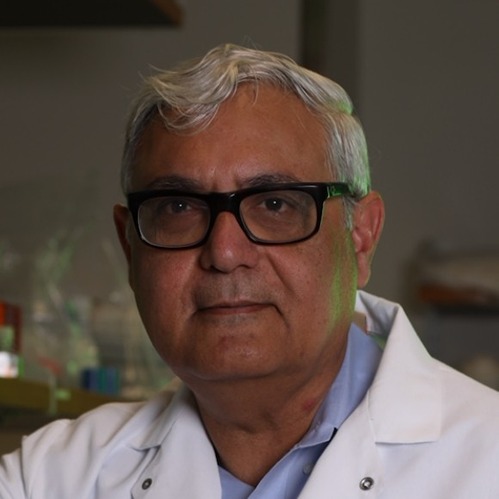
Ashutosh Chilkoti
Duke University, USA
Ashutosh Chilkoti is the Alan L. Kaganov Professor of Biomedical Engineering at Duke University. His areas of research include genetically encoded biomaterials, the development of synthetic biomolecular condensates for synthetic biology, and point-of-care clinical diagnostics. He has published ~400 papers, has been cited ~56,000 times, has a Google Scholar H-index of 124, and has 171 patents and patent applications. Prof. Chilkoti was awarded the Clemson Award for Contributions to the Literature by the Society for Biomaterials in 2011, the Robert A. Pritzker Distinguished Lecture award by the Biomedical Engineering Society in 2013, was elected to the National Academy of Inventors in 2014, received the Distinguished Alumni award from the Indian Institute of Technology, Delhi in 2015, and the Diamond award from the College of Engineering at the University of Washington in 2017, and the Technology Innovation and Development Award from the Society for Biomaterials in 2025. He is a fellow of the American Association for the Advancement of Science. He is the founder of six start-up companies, one of of which went public, and two were acquired.
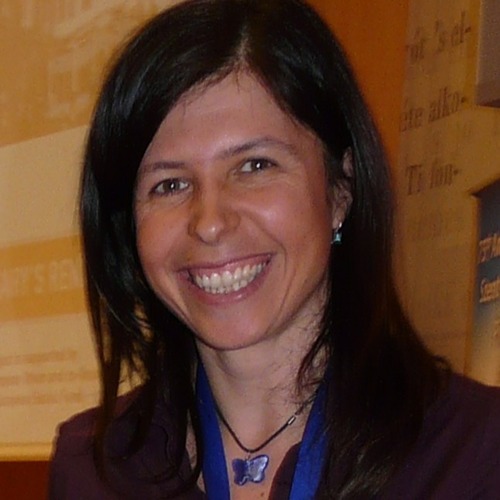
Monika Fuxreiter
University of Padua, Italy
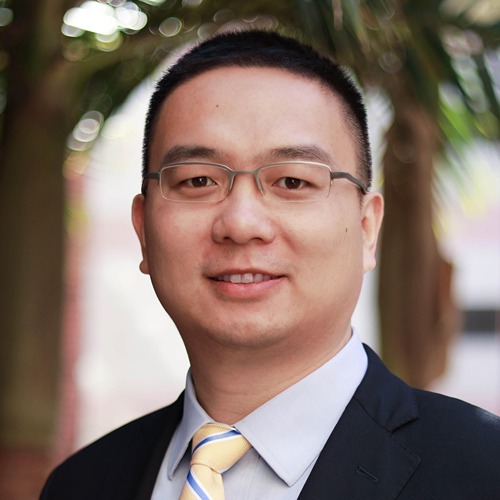
Zhen Gu
Zhejiang University, China
Dr. Zhen Gu is Qiushi Distinguished Chair Professor and Associate Vice President at Zhejiang University. He also serves as the Director of the National Key Laboratory of Advanced Drug Delivery and Release Systems, and Deputy Director of the Drug Delivery Committee of Chinese Pharmaceutical Association. Dr. Gu was elected to the College of Fellows of the Controlled Release Society (CRS, 2025), Chinese Society for Biomaterials (CSB, 2025), Academic Advisory Committee of Chinese Academy of Medical Sciences (CAMS, 2024), International Academy of Medical and Biological Engineering (IAMBE, 2021) and American Institute for Medical and Biological Engineering (AIMBE, 2019). Dr. Gu received his B.S. degree in Chemistry and M.S. degree in Polymer Chemistry and Physics from Nanjing University. In 2010, he obtained Ph.D. from the Department of Chemical and Biomolecular Engineering at the University of California, Los Angeles (UCLA), under the supervision of Dr. Yi Tang. He was a Postdoctoral Associate working with Dr. Robert Langer at MIT and Harvard Medical School. Before he moved to Zhejiang University in 2020, he was a Full Professor in the Department of Bioengineering and Director of the NIH Biotechnology Training in Biomedical Sciences and Engineering Program at UCLA. From 2012 to 2018, he was working in the Joint Department of Biomedical Engineering at the University of North Carolina at Chapel Hill and North Carolina State University, where he had been appointed as a Jackson Family Distinguished Professor. Dr. Gu’s group studies controlled drug delivery, biomaterials, drug delivery devices, and cell therapy. As a lead contact, he has published over 200 research papers in high-profile journals, including Cell and Nature. He has also applied over 200 patents (issued: 75) that have been licensed to over 10 companies. He is the recipient of the National Innovation Competition Award(2026), National Natural Science Award (second place) in China (2024), Felix Franks Medal of the Royal Society of Chemistry (2020), Young Investigator Award of Controlled Release Society (2017), Sloan Research Fellowship (2016), Pathway Award of the American Diabetes Association (2015), and MIT Technology Review TR35 (35 Innovators under 35) award (2015). His major inventions include glucose-responsive insulin, transdermal microneedle patch and platelet-drug conjugate, which are under clinical trials. He serves as the Executive Editor of Engineering and Associate Editor of Biomaterials, Nano Research, and Regenerative Biomaterials.
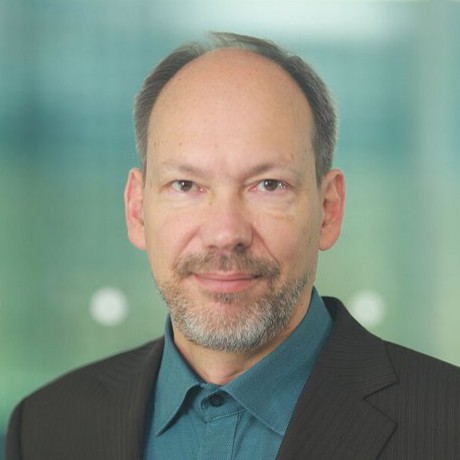
Frank Jülicher
Max Planck Institut, Germany
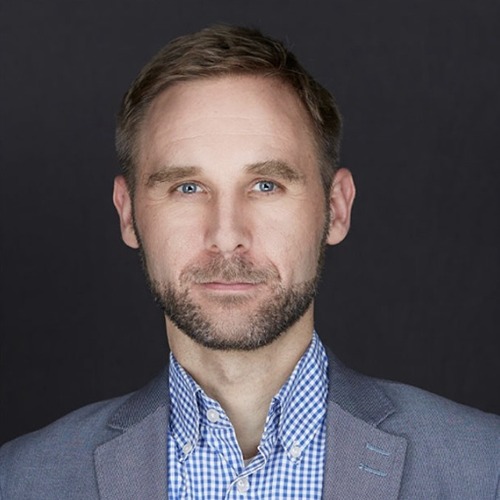
Tuomas Knowles
University of Cambridge, UK
Professor Tuomas Knowles is the 1920 Professor of Physical Chemistry at the University of Cambridge, and is co-director of the Cambridge Centre for Protein Misfolding Diseases. He is also a Fellow of St John’s College, Cambridge. He is the recipient of a number of international prizes, including the Sackler Prize in Biophysics and the Corday-Morgan Prize from the Royal Society of Chemistry. Knowles’ research focuses on understanding, controlling and designing protein systems. His research brings together physical sciences and life sciences to address key problems in human and planetary health. He has a track record of developing new technologies for healthcare applications, and was the Cambridge Enterprise Academic Entrepreneur of the year in 2019 and has founded several biotech companies.
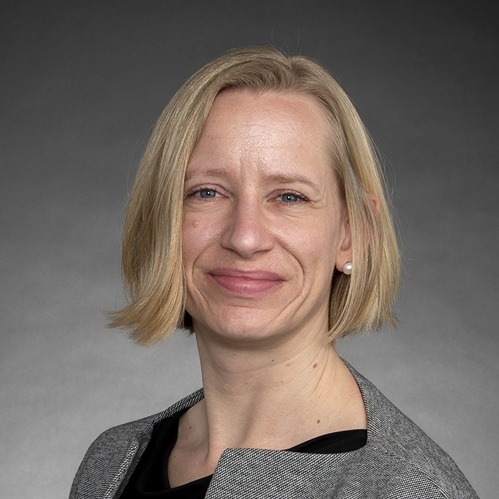
Tanja Mittag
St. Jude Children’s Research Hospital, USA
Dr. Mittag received her PhD from the Johann Wolfgang Goethe University in Frankfurt, Germany, where she used NMR spectroscopy to characterize multistep protein-ligand binding mechanisms. She trained as a Postdoctoral Fellow with Julie Forman-Kay at the Hospital for Sick Children in Toronto, where she revealed how a highly dynamic complex with several interconverting interfaces can encode a cell cycle switch. She joined the Department of Structural Biology at St. Jude Children’s Research Hospital in 2010 and became a Full Member in 2021. Her lab uses a spectrum of biophysical, biochemical and cell biological tools to elucidate the mechanism underlying phase separation and its roles in physiological and pathological processes. She was awarded the Michael and Kate Bárány Award for Young Investigators from the Biophysical Society (2021) for her rigorous and foundational contributions to the field of macromolecular condensates and their biological relevance. In 2025, she was named a Fellow of the Biophysical Society for transformative advances on the mechanisms responsible for molecular recognition and phase separation of intrinsically disordered proteins.
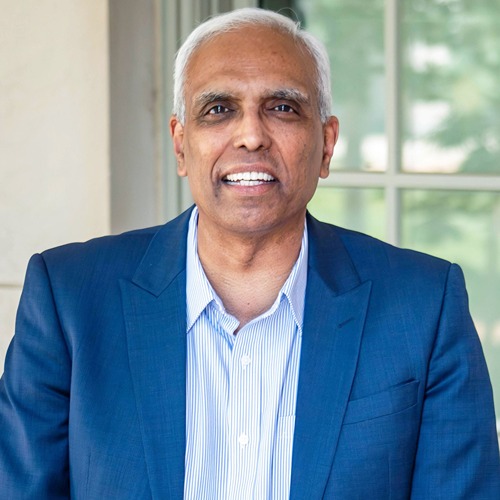
Rohit Pappu
Washington University in St. Louis, USA
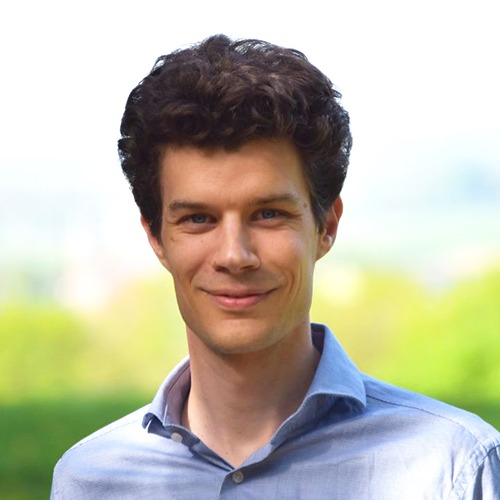
Evan Spruijt
Radboud University Nijmegen, the Netherlands
Evan Spruijt is Associate professor at the Institute for Molecules and Materials, Radboud University Nijmegen, the Netherlands. He is an expert in the physical chemistry of biomolecular condensates and coacervate protocells, and his group investigates the roles of coacervates in the origin of life and in cellular organization and disease. After his PhD at Wageningen University (2012), he worked as a postdoc with David Quéré (ESPCI Paris) and Hagan Bayley (Oxford). In 2017, he started his group in Nijmegen and received funding from the ERC (StG 2019 and CoG 2024), NWO (Vidi 2020, XL 2024) and HFSP. His group currently focusses on understanding the role of condensates in protein aggregation and membrane remodelling.
More information: www.spruijtlab.com
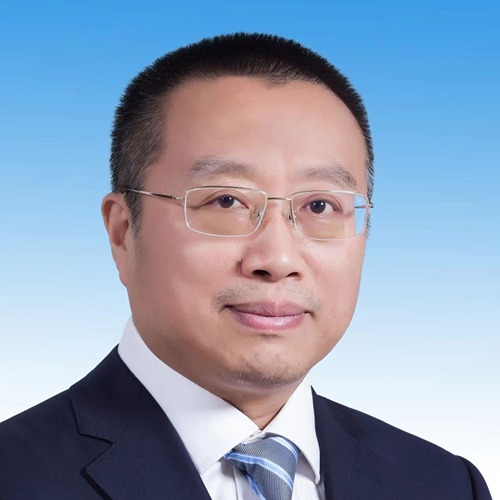
Hong Zhang
Institute of Biophysics, Chinese Academy of Sciences, China
Dr. Hong Zhang is an Investigator at the Institute of Biophysics, Chinese Academy of Sciences. His laboratory pioneered the use of C. elegans as a genetic model to identify a group of metazoan-specific autophagy genes, known as Epg genes. Further work from his team demonstrated that these Epg genes act at steps unique to the autophagy pathway in multicellular organisms. Currently, research in Dr. Zhang’s lab focuses on the role of dynamic Ca²⁺ signaling in various aspects of autophagy. Dr. Zhang serves as an Associate Editor for Autophagy and a Senior Academic Editor for the Journal of Cell Biology. He is also a member of the Editorial Boards of Developmental Cell, Cell Chemical Biology, Trends in Biochemical Sciences, and EMBO Reports.
Mingjie Zhang
Southern University of Science and Technology, China
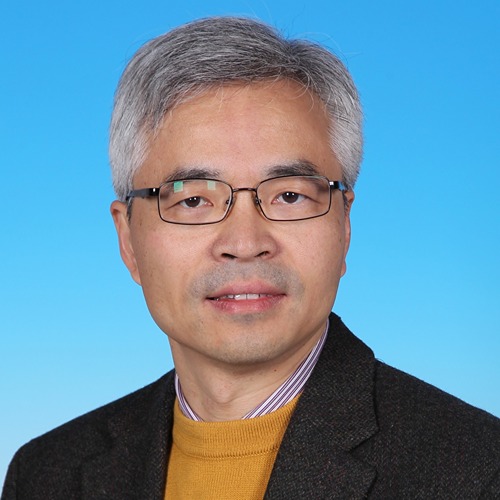
Before becoming the Founding Dean of the School of Life Sciences, Southern University of Science and Technology (SUSTech) at the end of 2020, Prof Zhang was a Kerry Holdings Professor of Science, Senior Fellow of the Institute for Advanced Study, and Chair Professor in the Division of Life Science, HKUST. Research in Prof. Zhang’s laboratory has been focusing on molecular basis governing neuronal synapse formation and plasticity in the past 30 years. Their breakthrough discovery on phase separation-mediated synapse formation and plasticity has far reaching implications in basic as well as translational research in neuroscience.
Speakers
Ellen Adams
TU Dresden, Germany
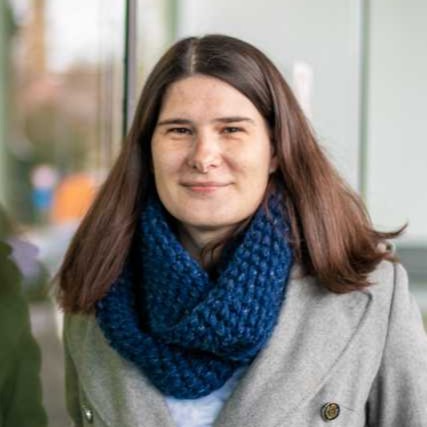
Ellen Adams is a physical chemist and group leader at the Cluster of Excellence Physics of Life at TU Dresden and the Helmholtz-Zentrum Dresden-Rossendorf. Her research explores the physical chemistry of biomolecular condensates, focusing on how protein–water interactions and hydration dynamics influence liquid–liquid phase separation and the material properties of condensates. Using advanced spectroscopic methods, including terahertz and nonlinear optical spectroscopy, her work provides molecular-level insight into how solvent environments regulate biomolecular organization in cells.
Dr. Adams received her PhD in physical chemistry from The Ohio State University and conducted postdoctoral research in the United States and Germany before establishing her independent research group in Dresden in 2021. Her interdisciplinary work bridges physical chemistry, soft matter physics, and cell biology to uncover fundamental mechanisms governing biomolecular phase separation.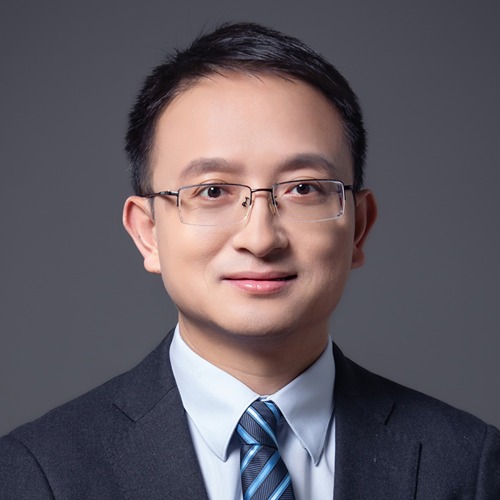
Liming Bian
South China University of Technology, China
Prof. Bian Liming is currently a Changjiang Scholar Professor and the Associate Dean in the School of Biomedical Sciences and Engineering at the South China University of Technology after serving as a tenured professor in the Department of Biomedical Engineering at the Chinese University of Hong Kong. Prof. Bian completed his Ph.D. study in Biomedical Engineering at Columbia University in 2009. Prof. Liming Bian then conducted his postdoctoral research in the Department of Bioengineering, the University of Pennsylvania from 2009 to 2012. Prof. Bian’s research focuses on the development of multiscale biomaterials not only for investigating the role of biophysical and biochemical cues of biomaterials on cellular behaviors but also for the development of new therapeutic strategies. Prof. Bian’s research work has been published in the leading journals including Science Translational Medicine, PNAS, Nature Chemistry, Nature Communications, Science Advances, Advanced Materials, JACS, Angew Chemie, etc. Prof. Bian is a fellow of IUSBSE (FBSE). Prof. Bian serves as the associate editor of APL Bioengineering and editorial member of Biomaterials, ACS Biomaterials Science and Engineering, ACS Applied Polymeric Materials, Bone Research, BMEMat.
Yifan Dai
Washington University in St. Louis, USA
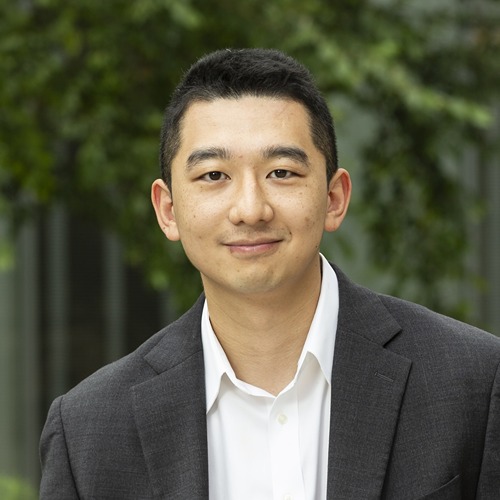
Yifan Dai is an Assistant Professor in the Department of Biomedical Engineering and the Center for Biomolecular Condensates at Washington University in St. Louis. He received his B.S. (2017) and Ph.D. (2020) in Chemical and Biomolecular Engineering from Case Western Reserve University. In 2020-2023, he was a postdoctoral fellow in the Department of Biomedical Engineering at Duke University.
Since joining WashU in 2023, his group has been working at the interface of physical chemistry and biology, focusing on establishing the fundamental principles and mechanisms of intracellular electrochemistry and developing synthetic biology capabilities for manipulating biomolecular condensates. He was recently recognized by the Forbes 30 under 30, Science 2025. Visit https://sites.wustl.edu/dailab/ for more details about his research.
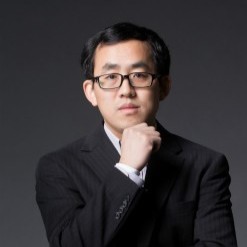
Pilong Li
Tsinghua University, China
Associate Professor, School of Life Sciences, Tsinghua University; Principal Investigator at Tsinghua‑Peking Joint Center for Life Sciences. Dr. Li earned his Ph.D. from University of Texas Southwestern Medical Center and completed postdoctoral training at UT Southwestern and University of Pennsylvania before joining Tsinghua in 2016. His laboratory focuses on biomolecular phase separation / condensate biology, investigating membrane‑less organelle assembly, transcription regulation, autophagy, and pathological amyloid aggregation linked to neurodegeneration. He serves as associate editor for Biochemical Journal and editorial board member of Molecular Cell and Vita.
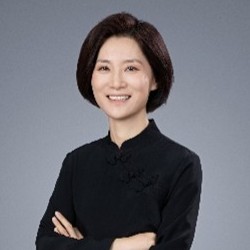
Tingting Li
School of Basic Medical Sciences, Peking University, China
Tingting Li is a Boya distinguished professor and tenured full professor of School of Basic Medical Sciences, Peking University. She has been granted National Science Fund for Distinguished Young Scholars Program and has been awarded Changjiang Young Scholars by the Ministry of Education. After getting a PhD degree at Department of Automation of Tsinghua University, she started her career in Peking University since 2009. Based on disciplinary knowledge and technologies concerning information, biology and medicine, her team focuses on intelligent analysis and application of biomolecular phase separation, establishing corresponding high-throughput detection methods and data platforms, discovering novel features and constructing multimodal prediction algorithms, as well as building platforms for target identification and computational screening of targeted drugs. She is also a member of the Specialized Committee of Bioinformatics and Artificial Life in Chinese Association of Artificial Intelligence, a member of Specialized Committee of Intelligent health and bioinformatics in Chinese Association of Automation, a member of Specialized committee of Bioinformatics in China Computer Federation, and Vice Chairman of Specialized Committee of Biological Phase Separation and Phase Transition in Biophysical Society of China.
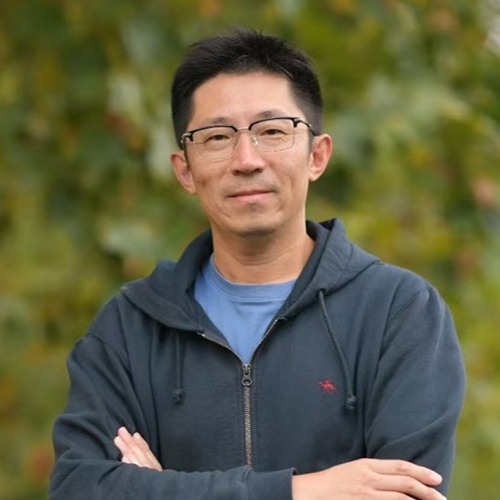
Cong Liu
Shanghai Institute of Organic Chemistry, Chinese Academy of Sciences, China
The research of Dr. Cong Liu focuses on protein phase separation and pathological aggregation in neurodegenerative diseases (NDs). In brief, by combining cutting-edge chemical and biological approaches, Dr. Liu revealed the structural basis of protein pathological aggregation in NDs; demonstrated the regulation mechanism of protein aggregation by disease-related chemical modification; explained at the atomic level how small molecules bind to pathological amyloid fibril; developed new strategies of small molecules modulating protein phase separation for therapeutic application.
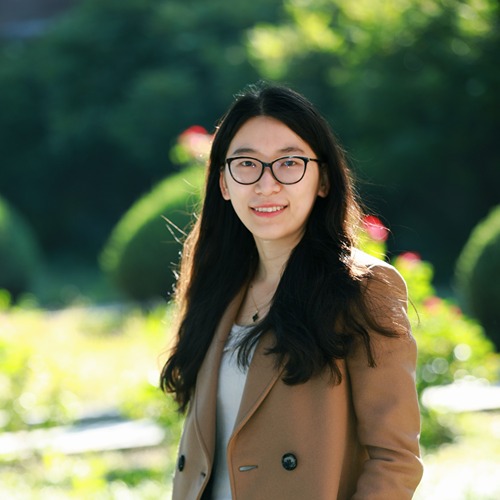
Yi Lin
Tsinghua University, China
Yi Lin is an Associate Professor at the School of Life Sciences, Tsinghua University, and concurrently serves as a Principal Investigator at both the IDG/McGovern Institute for Brain Research and the Center for Life Science. Her research program centers on biomacromolecular phase separation, a fundamental biological process that underpins the formation of membraneless organelles and thereby enables the spatiotemporal compartmentalization of cellular functions.
Her work is structured around three core questions. First, she seeks to decipher the molecular principles governing the assembly of membraneless organelles: specifically, identifying key sequence features, structural interactions, and macromolecular interaction networks that drive the formation and dynamic remodeling of these membrane-less subcellular compartments, which are critical for organizing diverse biochemical reactions. Second, her research investigates cell-type-specific phase separation events in the nervous system, with the goal of elucidating their physiological roles in neural development, synaptic plasticity, and adult neural functions. Third, she explores strategies for the reversible modulation of aberrant phase separation, a pathological hallmark associated with aging and neurodegenerative disorders (e.g., Alzheimer’s disease, amyotrophic lateral sclerosis), with the long-term aim of developing targeted interventions.
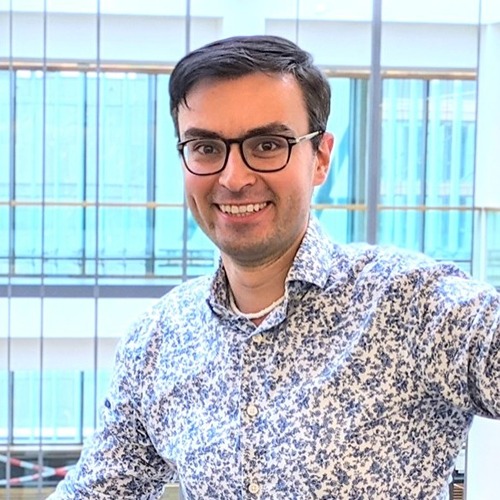
Dragomir Milovanovic
Institut für Biochemie, Charité, Germany
The goal of the Milovanovic lab is to understand how the condensate biology at the synapse enables proper neurotransmission (Sansevrino et al. Trends Neurosci 2023) and why dysfunction of this process leads to the formation of protein-driven inclusions (Hoffmann & Milovanovic J Cell Sci 2023). Specifically, the current research program focuses on two aspects. First, determining the biochemical mechanisms underlying the mesoscale organization of the synapse with special emphasis on the phase separation of synaptic vesicle clusters and associated proteins. Second, characterizing how distinct material properties of protein-driven inclusions trigger neuroinflammation, with the special emphasis on the role of lipids in modulating the pro- and anti-inflammatory response of microglia. Revealing that synapsin‑1 undergoes liquid–liquid phase separation transformed the prevailing view of synaptic organization (Milovanovic et al. Science 2018). Milovanovic lab recently demonstrated that synapsin-1/synaptic vesicle condensates are essential for proper neurotransmitter release in living synapses (Hoffmann et al. Nat Commun 2023) and act as molecular beacons for presynaptic actin organization (Chhabra et al. EMBO J 2025). We discovered that synapsin condensates harbor ion potential at the interfaces (Hoffmann et al. Nano Lett 2023), enabling distinct chemical properties and vesicle mobilities necessary for functional exocytosis (Ogunmowo et al. Nat Neurosci 2025) and condensate-membrane interactions (Hoffmann et al. Mol Cell 2026). The group is currently focused on understanding the sequence determinants that govern the specificity of SV condensates (Hoffmann et al. J Mol Biol 2025) and are responsible for their distinct material properties, which are often altered in neurodevelopmental and neurodegenerative diseases (Moors & Milovanovic J Park Dis 2024).
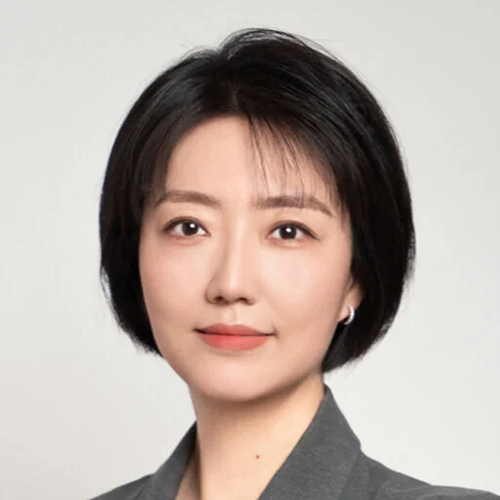
Yan Qiao
Institute of Chemistry, Chinese Academy of Sciences, China
Yan Qiao is a Professor of Institute of Chemistry, Chinese Academy of Sciences (ICCAS). She studied physical chemistry at Peking University, where she received her Ph.D. degree in 2011. She then moved to the group of Prof. Jürgen P. Rabe at the Humboldt University of Berlin (Germany) and the group of Prof. Stephen Mann FRS at the University of Bristol (United Kingdom) for postdoctoral research. Her research focuses on the engineering and application of synthetic cellular systems, with particular emphasis on hierarchical structuring, functionalization, and collective organization behaviours.
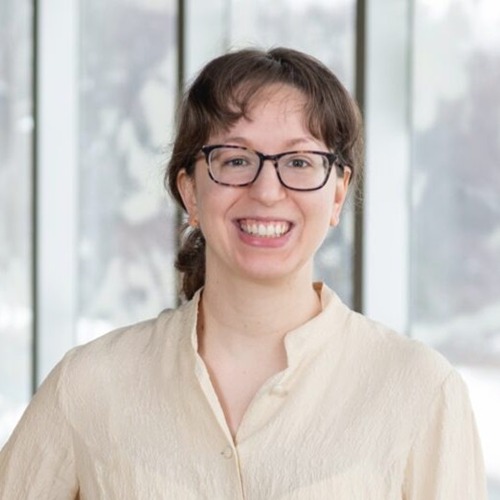
Christine Roden
Université de Montréal, Canada
Dr. Christine A. Roden is an Assistant Professor in the Department of Biochemistry and Molecular Medicine at the Université de Montréal, where she established her independent laboratory in August 2024. Her research focuses on the role of RNA sequence and structure in biomolecular condensation, with an emphasis on how RNA encodes molecular information that governs condensate assembly and function. She studies this problem in the context of plus strand RNA viruses including SARS-CoV-2 and mycoviruses.
She earned her Ph.D. in Genetics from Yale University in 2018, where, under the supervision of Dr. Jun Lu, she identified novel determinants of primary microRNA processing by the Drosha/DGCR8 complex. She then pursued postdoctoral training in North Carolina with Dr. Amy Gladfelter (UNC–Chapel Hill/Duke), where she investigated biomolecular condensates and the mechanisms by which RNA directs phase separation. Her work has significantly advanced understanding of SARS-CoV-2 nucleocapsid phase separation with viral RNA.
During her postdoctoral training, Dr. Roden received several prestigious awards, including a K99 award from NIAID, an F32 fellowship from NIGMS, and the L’Oréal Women in Science Fellowship. She has published in leading journals such as Molecular Cell and Nucleic Acids Research.
Her current research program integrates molecular genetics, RNA biology, biochemistry, and cell biology to uncover how RNA viruses encode information for self-assembly. Her long-term goal is to decode and manipulate RNA-driven condensates to enable the development of new therapeutic strategies.
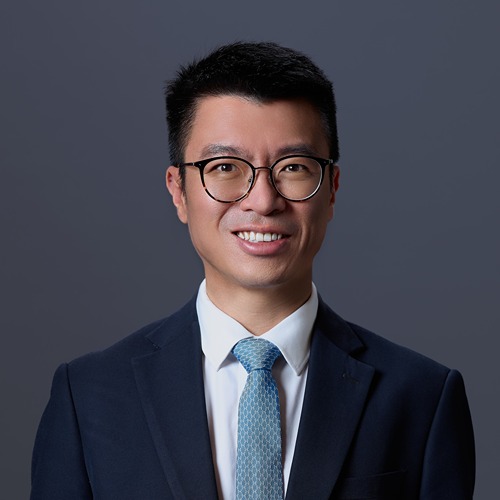
Anderson Ho Cheung SHUM
The University of Hong Kong (HKU), China
Professor Anderson Ho Cheung SHUM is Vice-President and Pro-Vice-Chancellor (Research); and Chair Professor in the Department of Mechanical Engineering and the School of Biomedical Engineering at The University of Hong Kong (HKU). Previously, he served as Vice-President (Research) and Chair Professor in the Department of Chemistry and Department of Biomedical Engineering at City University of Hong Kong (CityUHK). At HKU, he formerly served as Associate Vice-President (Research and Innovation), Full Professor (Tenured), Associate Head in the Department of Mechanical Engineering, and Assistant Dean in the Faculty of Engineering.
Professor Shum received his Ph.D. and S.M. degrees in Applied Physics from Harvard University and B.S.E. degree (summa cum laude) in Chemical Engineering from Princeton University. His research interests include aqueous two-phase systems, emulsions, biomicrofluidics, biomedical engineering, and soft matter. His work has advanced droplet-based and soft-matter systems for healthcare, materials science, and translational biomedicine. He is widely recognized for his pioneering contributions and interdisciplinary research bridging fundamental science, engineering, and clinical translation.
Professor Shum is highly recognized for his pioneering contributions, receiving international scientific honors including but not limited to: 2025 Lab on a Chip & ALine Pioneers of Miniaturisation Lectureship; 15th Guanghua Engineering Science and Technology Prize by Chinese Academy of Engineering (CAE, 2024); RGC Senior Research Fellow Scheme (SRFS, 2024); the inaugural Hong Kong Engineering Science and Technology (HKEST) Award by Hong Kong Academy of Engineering Sciences (HKAES, 2023); Croucher Senior Research Fellowship (2020); NSFC Excellent Young Scientist Fund (2019); IEEE Nanomed New Innovator (2018); HKU Outstanding Young Researcher Award (2016-17); HKU Research Output Prize (2017); and Early Career Award by Research Grants Council of Hong Kong (2012). Under his leadership, his team also has received multiple international awards and recognitions, including Gold Medal with Congratulations of the Jury at 50th & 51st International Exhibition of Inventions Geneva (Switzerland, 2025 & 2026); Gold Medal, Top 20 Best Invention Awards and International Special Award at 10th International Invention Innovation Competition in Canada (iCAN, 2025); and Grand Prix and Gold Medal at Silicon Valley International Invention Festival (SVIIF, 2025).
He also serves as Member of Research Strategy Expert Group under the Chief Executive’s Policy Unit Expert Group of the HKSAR Government (2026-27), and as Non-official Member of Committee on AI+ and Industry Development Strategy of the HKSAR Government (since 2026) and of Committee on Innovation, Technology and Industry Development under the Innovation, Technology and Industry Bureau of the Hong Kong SAR Government (since 2023). He was selected as Global Young Academy Member (since 2021) and Young Fellow of Hong Kong Academy of Engineering Sciences (2024); Fellows of International Association of Advanced Materials (FIAAM, 2023), Hong Kong Institution of Engineers (FHKIE, 2023), Royal Society of Chemistry (FRSC, 2017); and as President (since 2021) and Founding Member (since 2018) of Hong Kong Young Academy of Sciences. He currently serves as Editor-in-Chief for Coacervates (Elsevier); Editor-at-large for Droplet by Wiley; Editorial Board Members for Scientific Reports (Springer Nature), and Colloids and Interfaces by MDPI AG; as well as Editorial Advisory Board Member for Lab-on-a-Chip (RSC) and Associate Editor for Biomicrofluidics (American Institute of Physics).
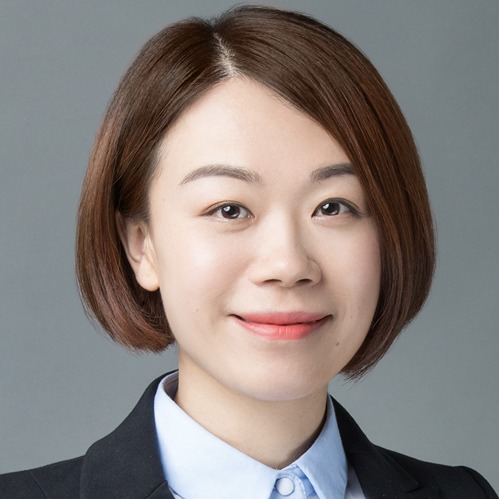
Wenyu Wen
Fudan University, China
Dr. Wen received a B.S. in Chemistry from Fudan University in 2003 and a Ph.D. in Biochemistry from The Hong Kong University of Science and Technology in 2008. In 2009, Dr. Wen joined Fudan University as a Principal Investigator, and focused on the molecular mechanisms regulating cell polarity and neuronal development. Her team has systematically elucidated the role of biomolecular condensates in asymmetric division of neural stem cells, proposing that phase separation regulates the transient establishment of stem cell polarity and stemness transmission. Additionally, her group has uncovered how dysregulated phase separation disrupts intracellular homeostasis, contributing to neurologic disorders. These findings have been published in journals such as Nature Cell Biology, PNAS, Journal of Cell Biology, EMBO Journal, and Nature Communications.
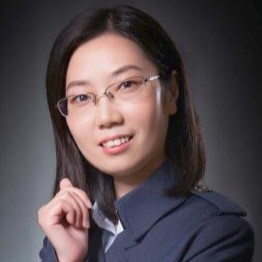
Xiaoxia Xia
Shanghai Jiao Tong University, China
Dr. Xiaoxia Xia is a Distinguished Professor at Shanghai Jiao Tong University, leading a research group in the synthetic biology of protein materials. She earned her Ph.D. in Chemical and Biological Engineering from KAIST in 2009, followed by postdoctoral work at KAIST and Tufts University, returning to China in September 2012. Her research focuses on designing protein-based functional materials, especially biomolecular condensates. She pioneered prokaryotic artificial membraneless organelles, enabling spatial organization of metabolic pathways in bacterial cells. This breakthrough advances synthetic biology and biomanufacturing, enabling efficient biocatalysis, cellular engineering, and metabolic engineering. Her work has led to the development of novel functional materials with broad applications.
Dr. Xia has published over 80 papers in leading journals such as Nature Chemical Biology, Nature Communications, and JACS, with more than 6,000 Google Scholar citations and an h-index of 40, reflecting the broad impact of her research. She holds more than 10 patents, underscoring the translational potential of her work. Actively engaged in the international scientific community, she serves as an editorial board member of ACS Biomaterials Science & Engineering and Biotechnology Journal. Her interdisciplinary approach and innovative contributions have established her as a leading figure in synthetic biology.
Miho Yanagisawa
The University of Tokyo, Japan
Miho Yanagisawa earned her Ph.D. in physics from Ochanomizu University, Japan, in 2009, focusing on phase separation in lipid membranes coupled with membrane deformation using both experimental and theoretical approaches. She then conducted research at Kyoto University as a JSPS PD Fellow, investigating the directional reconstitution of membrane proteins into lipid bilayers. In 2011, she joined Kyushu University as an Assistant Professor, and in 2014, she commenced her independent research career as an Associate Professor at the Tokyo University of Agriculture and Technology, in 2014 and transitio ned to the University of Tokyo in 2019. Her research centers on the physics of soft matter in cell-sized systems, with particular emphasis on phase separation and phase transitions of biopolymers confined within synthetic cells. Specifically, her work combines confinement and membrane wetting effects on the phase transitions of biopolymer solutions, offering new insights into the physical principles governing biological membranes and cellular tissues. In recognition of her contributions, she received the Michèle Auger Award for Young Scientists’ Independent Research 2022 from the journal Biophysical Reviews (Springer Nature).
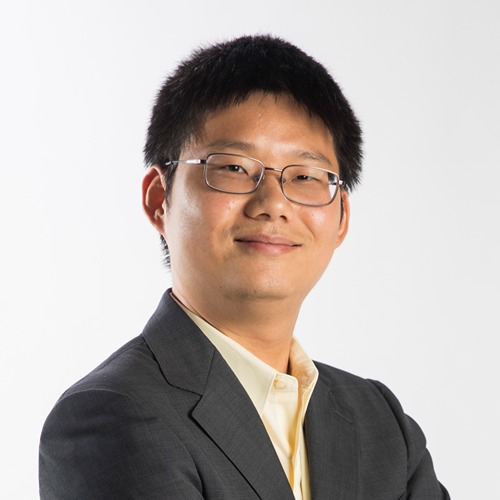
Jing Yu
Tsinghua University, China
Jing Yu is a Tenured Associate Professor in the Mechano-X Institute at Tsinghua University and a recipient of the National Overseas High-Level Talent Program. Jing obtained his Bachelor's degree from the Department of Chemical Engineering at Tsinghua University in 2007 and Ph.D. in Chemical Engineering from the University of California, Santa Barbara (UCSB) in 2012. He subsequently conducted postdoctoral research at the California Institute of Technology (Caltech) and the University of Chicago/Argonne National Laboratory. In 2017, he joined the School of Materials Science and Engineering at Nanyang Technological University (NTU). In 2019, Jing was awarded the Singapore National Research Foundation (NRF) Fellowship. He was promoted to Tenured Associate Professor at NTU in 2023. In 2024, he joined Mechano-X at Tsinghua University. Jing is an Associate Editor of ACS Applied Polymer Materials. Jing’s long-term research focuses on the interface of polymer physical chemistry and biomacromolecules, with an emphasis on the multi-scale, dynamic condensation and assembly processes of biomacromolecules and their physicochemical properties.
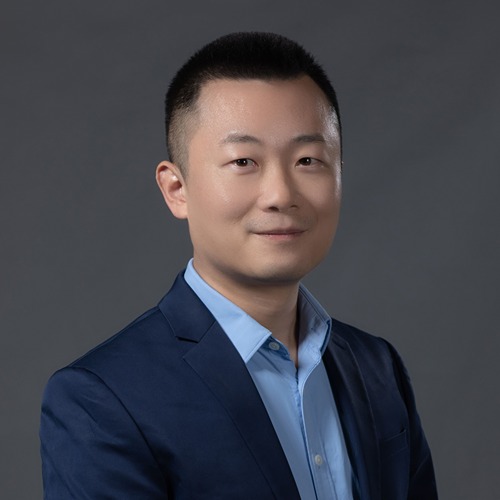
Xin Zhang
Westlake University, China
Xin Zhang is currently a Professor of Chemistry at Westlake University. He earned his Ph.D. from the California Institute of Technology in 2010, after which he conducted postdoctoral research at the Scripps Research Institute in the United States. Prior to joining Westlake University, he served as Assistant Professor, tenured Associate Professor, and Paul Berg Early Career Professor in the Department of Chemistry and the Department of Biochemistry and Molecular Biology at Pennsylvania State University, USA. Centered on the chemical biology of biomolecular condensation and phase separation, Professor Zhang’s research group develops molecular probes and chemical imaging measurement methodologies for biological systems to address key scientific and technological challenges in this field. Professor Zhang has authored more than 100 research articles published in top-tier international journals including Cell, Science, Nature Chemical Biology, Chemical Reviews, PNAS, Journal of the American Chemical Society, and Angewandte Chemie International Edition. He presides over a Major Program funded by the National Natural Science Foundation of China. He serves as an editor and editorial board member for multiple international journals, and holds academic positions including Vice Chair of the Subcommittee on Biomacromolecular Phase Separation and Phase Transition, and Member of the Academic Committee of the National Center for Chemistry Education Research in Institutions of Higher Education. He has received numerous prestigious honors, such as the Sloan Research Fellowship, Pew Biomedical Scholars Award, National Science Foundation Faculty Early Career Development Award (CAREER), and Kavli Fellow of the National Academy of Sciences, USA.