
Organized by Huazhong University of Science & Technology, Nature Biomedical Engineering, Nature Chemical Biology, Nature Chemistry, Nature Communications, Nature Reviews Bioengineering and Nature Structural and Molecular Biology.
This Nature conference brings together biophysicists, biochemists and chemists, cell biologists, computational scientists and bioengineers to advance our understanding of biomolecular condensates and their roles in health and disease. We will explore the fundamental principles of phase separation, its impact on gene regulation and cellular pathophysiology, and emerging tools for imaging, modelling and engineering condensate-based systems.
Register NowSubmit AbstractContact Us
Event details
Speakers
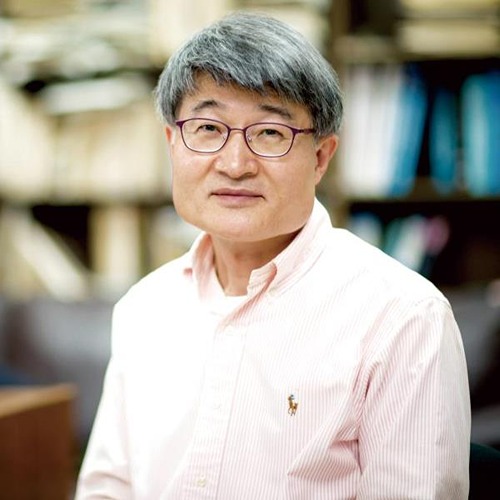
Kilwon Cho
Postech

Zheng Vitto Han
Shanxi University, China
Zheng Vitto Han is a research professor at the Institute of Optoelectronics, Shanxi University, China. He also serves jointly as the deputy lab director at the Liaoning Academy of Materials (LAM) and the director of the Institute of Quantum Materials and Devices at LAM in Shenyang, China. He obtained his Ph.D. at the Néel Institute, CNRS, France, and conducted postdoctoral research at Columbia University in New York City. His research primarily focuses on the emerging physical properties of functional materials at mesoscopic scales and on further implementing these interesting properties in future applications of nano-assemblies and nanoelectronics. Over the past few years, his team has uncovered a series of novel physical phenomena and nanostructures, such as the demonstration of a finFET with a single atomic fin, the realization of robust quantum Hall phases through the interfacial charge transfer and the induced charge orderings, the development of van der Waals polarity-engineered 3D integration of 2D complementary logic. The related works have been published in journals including Nature, Nature Nanotechnology, Nature Electronics, and Nature Communications.
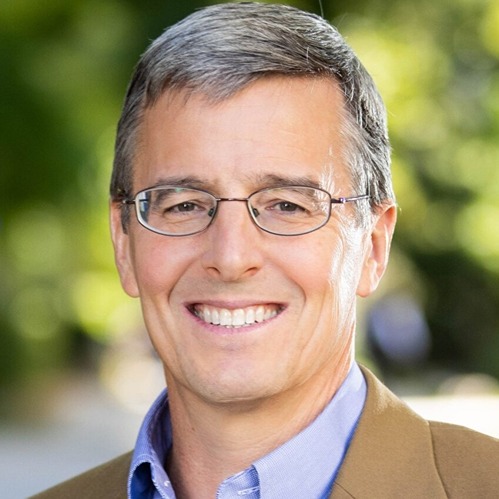
John A. Rogers
Northwestern University, USA
Professor John A. Rogers began his career at Bell Laboratories as a Member of Technical Staff in the Condensed Matter Physics Research Department in 1997, and served as Director from the end of 2000 to 2002. He then spent thirteen years at the University of Illinois, as the Swanlund Chair Professor and Director of the Seitz Materials Research Laboratory. In 2016, he joined Northwestern University as the Simpson/Querrey Professor, where he is also Director of the Institute for Bioelectronics. He has co-authored nearly 1000 papers and he is co-inventor on more than 100 patents. His research has been recognized by many awards, including a MacArthur Fellowship (2009), the Lemelson-MIT Prize (2011), the Smithsonian Award for American Ingenuity in the Physical Sciences (2013), the Benjamin Franklin Medal (2019), a Guggenheim Fellowship (2021), the James Prize from the NAS (2022) and the IEEE Biomedical Engineering Award (2024). He is a member of the National Academy of Engineering, the National Academy of Sciences, the National Academy of Medicine and the American Academy of Arts and Sciences.
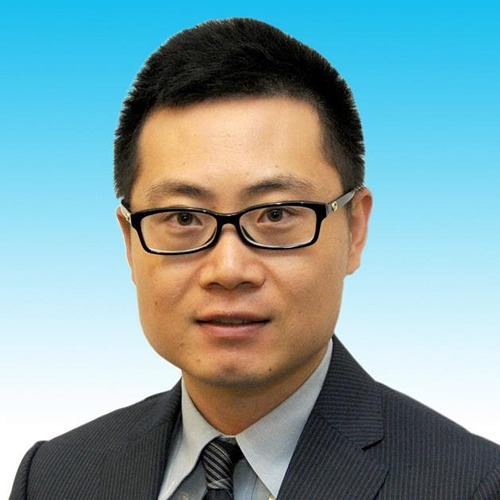
Xinge YU
City University of Hong Kong, China
Xinge Yu is a Professor of Biomedical Engineering at City University of Hong (CityU), the Member of the Hong Kong Young Academy of Sciences, Young Member of Hong Kong Academy of Engineering. He is the Associate Director of Institute of Digital Medicine at CityU, Associate Director of Hong Kong Centre for Cerebro-cardiovascular Health Engineering. Prof Yu is the recipient of NSFC Distinguished Young Scientist Grant (Scheme A), RGC Research Fellow, NSFC Excellent Young Scientist Grant (Hong Kong & Macao), Innovators under 35 China (MIT Technology Review), New Innovator of IEEE NanoMed, MINE Young Scientist Award, Stanford's top 2% most highly cited scientists etc. Prof. Yu is the Associate Editor of Science Advances, Microsystem & NanoEngineering, Bio-Design and Manufacturing etc. Xinge Yu’s research group is focusing on skin-integrated electronics and systems for VR and biomedical applications. He has published 200 papers in Nature, Nature Materials, Nature Biomedical Engineering, Nature Machine Intelligence, Nature Communications, Science Advances etc., and 50 patents filed/granted.
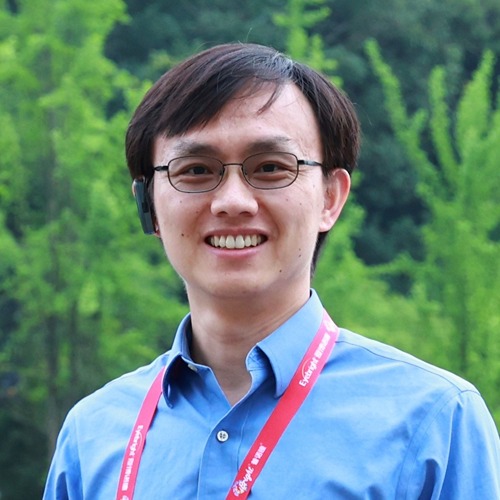
Sheng Xu
Stanford University
Dr. Sheng Xu is a tenured professor and the inaugural Director of Emerging Technologies in the Department of Anesthesiology, Perioperative and Pain Medicine at Stanford University, with a courtesy appointment in Electrical Engineering. He earned his B.S. degree in Chemistry from Peking University and his Ph.D. in Materials Science and Engineering from the Georgia Institute of Technology. Subsequently, he pursued postdoctoral studies at the Materials Research Laboratory at the University of Illinois at Urbana-Champaign. His research group is interested in developing new materials and fabrication methods for soft electronics, with a particular focus on wearable ultrasound technology. His research has been presented to the United States Congress as a testimony to the importance and impact of NIH funding. He has received numerous honors, including the NIH Maximizing Investigators’ Research Award, NIH Trailblazer Award, Sloan Fellowship, IEEE EMBS Technical Achievement Award, ETH Zürich Materials Research Prize for Young Investigators, MRS Outstanding Early Career Investigator Award, and a finalist of the Blavatnik National Awards for Young Scientists. He is a Fellow of AIMBE, IEEE, and MRS.
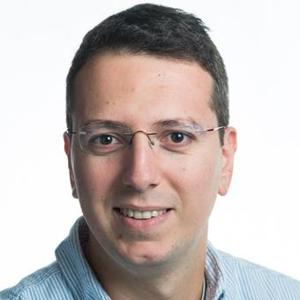
Simone Fabiano
Linköping University (LiU)
In 2012, he earned his PhD in Chemistry from the University of Palermo (Italy) with a work aimed at controlling the molecular packing of organic semiconductors for efficient charge transport in thin film transistors and solar cells. From 2010, he also worked as a visiting PhD student in the group of Prof. Maria Antonietta Loi at the Zernike Institute for Advanced Materials of the University of Groningen (The Netherlands).
In 2012, he carried out postdoctoral research at Linköping University (Sweden) with Prof. Magnus Berggren, and in 2016 he joined the group of Prof. Antonio Facchetti and Prof. Tobin J. Marks at Northwestern University (USA), where he worked as a Marie Curie Fellow and a VINNEMER Fellow until December 2017.
Simone Fabiano is now an Associate Professor at the Department of Science and Technology at Linköping University, where he guides the research activities of the Organic Nanoelectronics group. Since October 2020, he is also a Docent in Applied Physics.
His research interests include the development of organic conductors and mixed ion-electron conductors for printed electronics and neuromorphic computing.
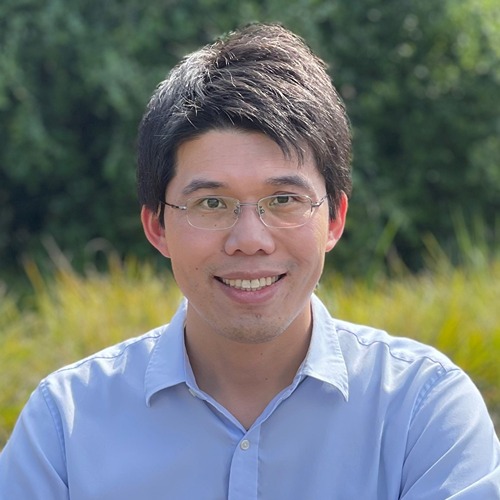
Wei Gao
California Institute of Technology, USA
Wei Gao is a Professor of Medical Engineering and Heritage Medical Research Institute Investigator in Division of Engineering and Applied Science at the California Institute of Technology. He received his Ph.D. in Chemical Engineering at the University of California, San Diego in 2014 as a Jacobs Fellow and an HHMI International Student Research Fellow. In 2014-2017, he was a postdoctoral fellow in the Department of Electrical Engineering and Computer Sciences at the University of California, Berkeley.
He is an Associate Editor of Science Advances, npj Flexible Electronics, Biosensors and Bioelectronics, and Sensors & Diagnosis. He is a recipient of NSF Career Award, ONR Young Investigator Award, IAMBE Early Career Award, Sloan Research Fellowship, Pittcon Achievement Award, IEEE EMBS Early Career Achievement Award, IEEE Sensor Council Technical Achievement Award, MIT Technology Review 35 Innovators Under 35, and Falling Walls Breakthrough of the Year in Engineering and Technology. He is a World Economic Forum Young Scientist, a Highly Cited Researcher (Web of Science), and an AIMBE fellow. His research interests include wearable biosensors, digital medicine, bioelectronics, flexible electronics, and micro/nanorobotics. For more information about Gao’s research, visit www.gao.caltech.edu.
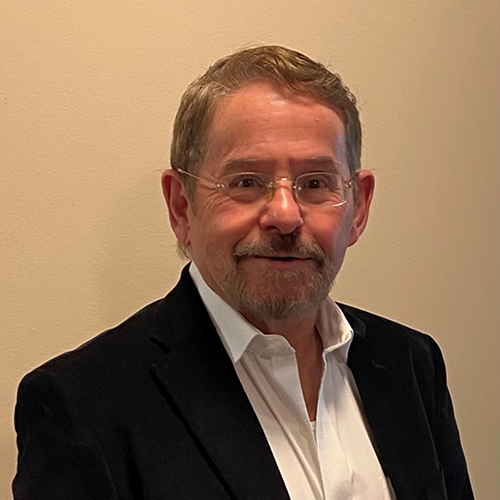
Joseph Wang
University of California, San Diego (UCSD), USA
Joseph Wang is a Distinguished Professor of Nanoegineering, a SAIC Endowed Professor and the Director of the Center of Wearable Sensors (CWS) at University of California San Diego (UCSD), USA. Dr. Wang has made pioneering contributions to the fields of wearable sensors, biosensors, and microscale robots. He is a member of the US National Academy of Inventors, and of the European Academies of Engineering and of Science and Arts, and a fellow of the RSC, ECS and AIMBE. He has authored over 1300 research papers, 12 books, and 60 patents. He has been a has been a Thomson Reuters Highly Cited Researcher since 2015 (H Index 216). Wang holds Honorary Professor from 11 different universities and is the recipient of 3 National American Chemical Society Awards for Analytical Chemistry (2024), Electrochemistry (2006) and Instrumentation (1999), of the Ralph Adams Pittcon Award in Bioanalytical Chemistry, of the Talanta Medal, 2021 IUPAC Analytical Chemistry Medal, the Breyer Medal (Australia), Heyrovsky Medal (Czech Republic) the Speirs Medal (RSC), and the IEEE Sensor Achievement Award, 2021.
Silvestro Micera
École Polytechnique Fédérale de Lausanne
Joshua Yang
University of Southern California
Nae-Eung Lee
Sungkyunkwan University (SKKU)
He has authored hundreds of publications in the fields of nanomaterials, nanoelectronics and biointegrated sensing technologies, and leads the Semiconductor Nano-systems Laboratory at SKKU.
Lim Chwee Teck
National University of Singapore
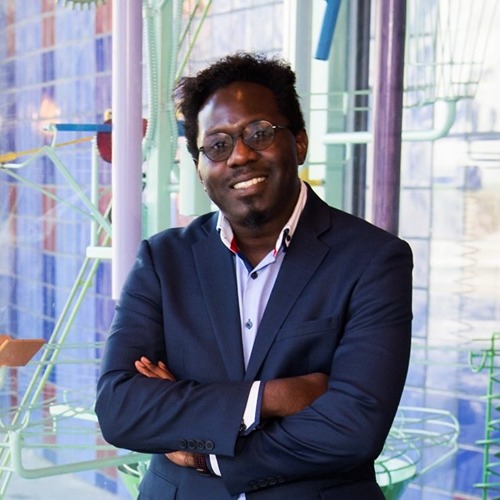
Deji Akinwande
University of Texas
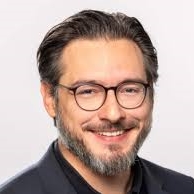
Sami Haddadin
Mohamed bin Zayed University of Artificial Intelligence
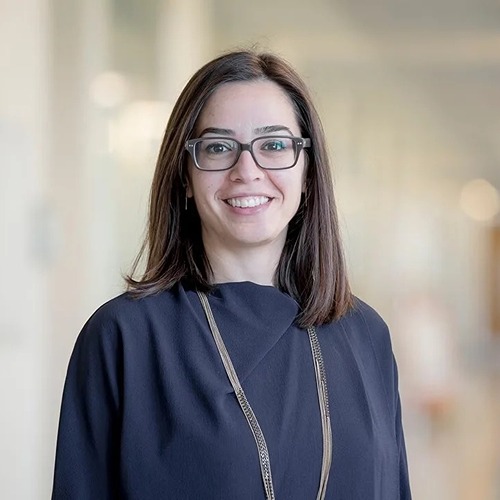
Sahika Inal
King Abdullah University of Science and Technology (KAUST)
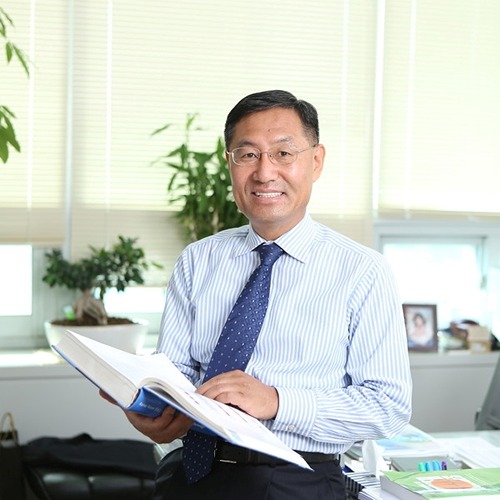
Yang-Kook Sun
Hanyang University
Taewoo Lee
Seoul National University
Jeehwan Kim
Massachusetts Institute of Technology

Lance Li
National University of Singapore, Singapore
Dr. Lain-Jong (Lance) Li is currently a Distinguished Professor in the Department of Materials Science at the National University of Singapore. He has held esteemed positions, including Chair Professor of Future Electronics at The University of Hong Kong and Director of Corporate Research at TSMC. He is a Fellow of the Royal Society of Chemistry and serves as an Associate Editor for Nano Letters under the American Chemical Society.
Dr. Li completed his Bachelor’s and Master’s degrees in Chemistry at National Taiwan University in 1994 and 1996, respectively. Subsequently, he worked as a Senior R&D Engineer at TSMC from 1997 to 2002. He obtained his Ph.D. in Condensed Matter Physics from the University of Oxford in 2006 and commenced his academic career as an Assistant Professor at Nanyang Technological University in Singapore. He served as an Associate Research Fellow at Academia Sinica in Taiwan in 2010 and joined KAUST in Saudi Arabia in 2014, where he advanced to the position of Full Professor by 2016. Dr. Li returned to TSMC as the Director of Corporate Research in late 2017. In 2021, he was appointed as a Chair Professor at The University of Hong Kong, and in 2025, he joined the National University of Singapore. His research is focused on Chemical Vapor Deposition (CVD), tool design, device fabrication and integration, and the growth of 2D semiconductor materials, including graphene and boron nitride. He holds over 60 U.S. patents and has been recognized as a Highly Cited Researcher from 2018 to 2024, with more than 500 publications, 84,000 citations, and an H-index of 134 according to the AD Science Index.
Elisa Donati
University of Zurich
Keynote Speakers
Simon Alberti
Technical University Dresden, Germany
Our research seeks to understand how cells reorganize molecular interactions in response to stress and aging. Many adaptive changes involve dynamic reorganization of the cytoplasm and nucleoplasm into membraneless assemblies and higher-order interaction networks. We investigate the molecular principles that regulate their formation, reversibility, and control, asking how multivalent interactions are kept dynamic under normal conditions yet allowed to stabilize when needed. Our work suggests that cells actively maintain interaction networks in soluble, regulated states through continuous turnover and quality control, a balance that deteriorates with age, leading to misfolding, aggregation, and disease. By combining biochemical reconstitution, quantitative cell biology, and biophysics, we aim to uncover general principles governing cellular organization and its breakdown in aging and neurodegeneration.
Simon Alberti is Professor and Chair of Cellular Biochemistry at the Technical University Dresden (BIOTEC, CMCB). He received his PhD in Biology from the University of Bonn in 2004. In 2005, he joined the laboratory of Susan Lindquist at the Whitehead Institute for Biomedical Research (Cambridge, USA), where he studied prions, amyloids, and protein-based inheritance. From 2010 to 2019, he led a research group at the Max Planck Institute of Molecular Cell Biology and Genetics in Dresden, focusing on protein quality control and the molecular principles underlying cytoplasmic organization.
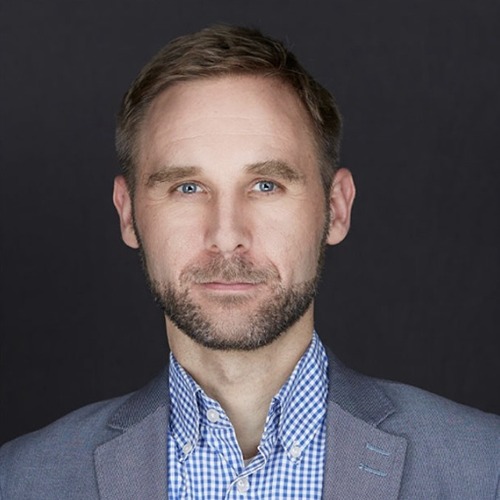
Tuomas Knowles
University of Cambridge, UK
Professor Tuomas Knowles is the 1920 Professor of Physical Chemistry at the University of Cambridge, and is co-director of the Cambridge Centre for Protein Misfolding Diseases. He is also a Fellow of St John’s College, Cambridge. He is the recipient of a number of international prizes, including the Sackler Prize in Biophysics and the Corday-Morgan Prize from the Royal Society of Chemistry. Knowles’ research focuses on understanding, controlling and designing protein systems. His research brings together physical sciences and life sciences to address key problems in human and planetary health. He has a track record of developing new technologies for healthcare applications, and was the Cambridge Enterprise Academic Entrepreneur of the year in 2019 and has founded several biotech companies.
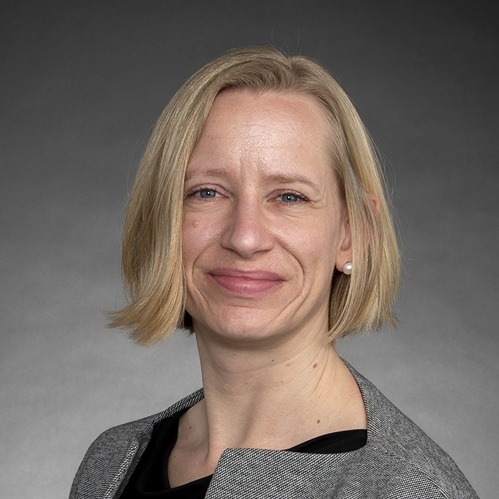
Tanja Mittag
St. Jude Children’s Research Hospital, USA
Dr. Mittag received her PhD from the Johann Wolfgang Goethe University in Frankfurt, Germany, where she used NMR spectroscopy to characterize multistep protein-ligand binding mechanisms. She trained as a Postdoctoral Fellow with Julie Forman-Kay at the Hospital for Sick Children in Toronto, where she revealed how a highly dynamic complex with several interconverting interfaces can encode a cell cycle switch. She joined the Department of Structural Biology at St. Jude Children’s Research Hospital in 2010 and became a Full Member in 2021. Her lab uses a spectrum of biophysical, biochemical and cell biological tools to elucidate the mechanism underlying phase separation and its roles in physiological and pathological processes. She was awarded the Michael and Kate Bárány Award for Young Investigators from the Biophysical Society (2021) for her rigorous and foundational contributions to the field of macromolecular condensates and their biological relevance. In 2025, she was named a Fellow of the Biophysical Society for transformative advances on the mechanisms responsible for molecular recognition and phase separation of intrinsically disordered proteins.
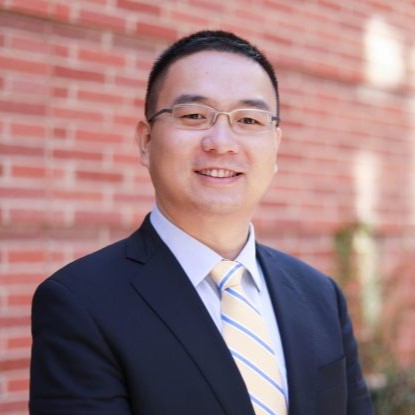
Zhen Gu
Zhejiang University, China
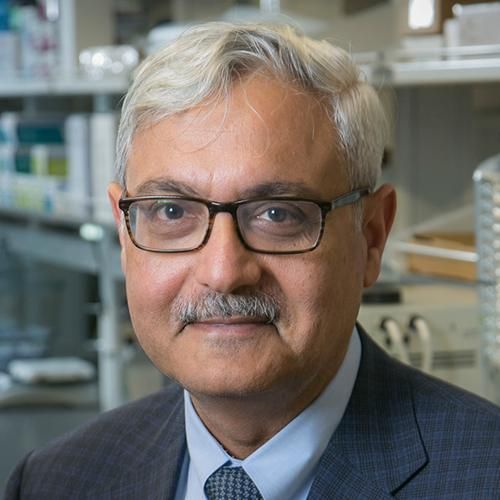
Ashutosh Chilkoti
Duke University, USA
Hong Zhang
Institute of Biophysics, Chinese Academy of Sciences, China
Mingjie Zhang
Southern University of Science and Technology, China
Before becoming the Founding Dean of the School of Life Sciences, Southern University of Science and Technology (SUSTech) at the end of 2020, Prof Zhang was a Kerry Holdings Professor of Science, Senior Fellow of the Institute for Advanced Study, and Chair Professor in the Division of Life Science, HKUST. Research in Prof. Zhang’s laboratory has been focusing on molecular basis governing neuronal synapse formation and plasticity in the past 30 years. Their breakthrough discovery on phase separation-mediated synapse formation and plasticity has far reaching implications in basic as well as translational research in neuroscience.
Ling-Ling Chen
Chinese Academy of Sciences, China
Rosana Collepardo-Guevara
University of Cambridge, UK
Rohit Pappu
Washington University in St. Louis, USA
Monika Fuxreiter
University of Padua, Italy
Frank Jülicher
Max Planck Institut, Germany
Speakers
Liming Bian
South China University of Technology, China
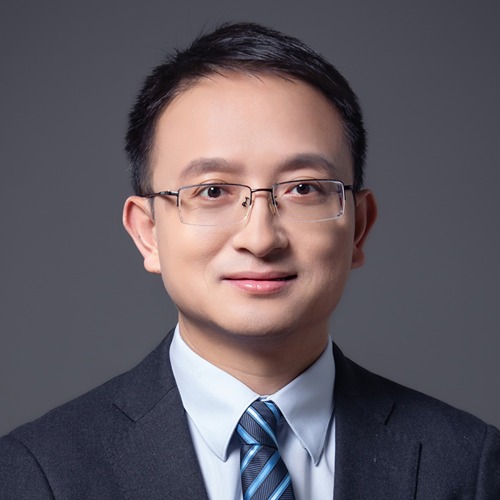
Prof. Bian Liming is currently a Changjiang Scholar Professor and the Associate Dean in the School of Biomedical Sciences and Engineering at the South China University of Technology after serving as a tenured professor in the Department of Biomedical Engineering at the Chinese University of Hong Kong. Prof. Bian completed his Ph.D. study in Biomedical Engineering at Columbia University in 2009. Prof. Liming Bian then conducted his postdoctoral research in the Department of Bioengineering, the University of Pennsylvania from 2009 to 2012. Prof. Bian’s research focuses on the development of multiscale biomaterials not only for investigating the role of biophysical and biochemical cues of biomaterials on cellular behaviors but also for the development of new therapeutic strategies. Prof. Bian’s research work has been published in the leading journals including Science Translational Medicine, PNAS, Nature Chemistry, Nature Communications, Science Advances, Advanced Materials, JACS, Angew Chemie, etc. Prof. Bian is a fellow of IUSBSE (FBSE). Prof. Bian serves as the associate editor of APL Bioengineering and editorial member of Biomaterials, ACS Biomaterials Science and Engineering, ACS Applied Polymeric Materials, Bone Research, BMEMat.
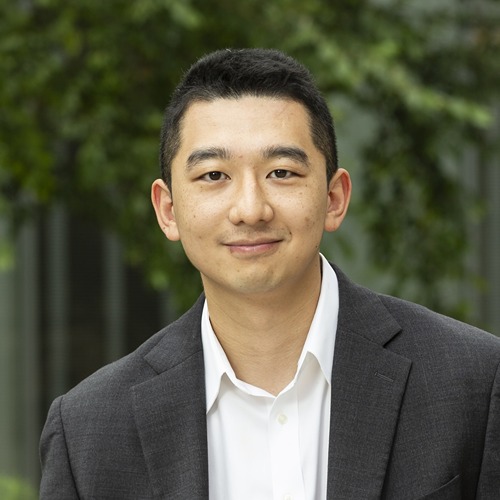
Yifan Dai
Washington University in St. Louis, USA
Yifan Dai is an Assistant Professor in the Department of Biomedical Engineering and the Center for Biomolecular Condensates at Washington University in St. Louis. He received his B.S. (2017) and Ph.D. (2020) in Chemical and Biomolecular Engineering from Case Western Reserve University. In 2020-2023, he was a postdoctoral fellow in the Department of Biomedical Engineering at Duke University.
Since joining WashU in 2023, his group has been working at the interface of physical chemistry and biology, focusing on establishing the fundamental principles and mechanisms of intracellular electrochemistry and developing synthetic biology capabilities for manipulating biomolecular condensates. He was recently recognized by the Forbes 30 under 30, Science 2025. Visit https://sites.wustl.edu/dailab/ for more details about his research.
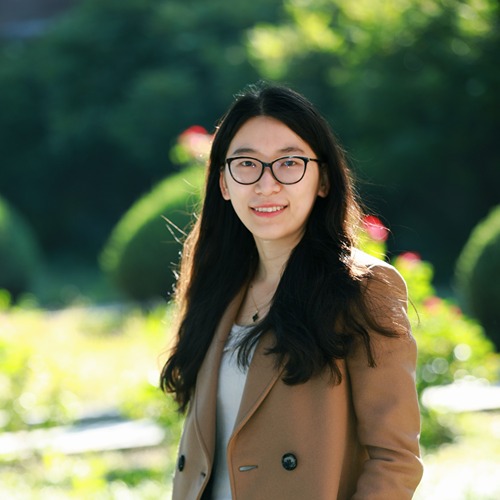
Yi Lin
Tsinghua University, China
Yi Lin is an Associate Professor at the School of Life Sciences, Tsinghua University, and concurrently serves as a Principal Investigator at both the IDG/McGovern Institute for Brain Research and the Center for Life Science. Her research program centers on biomacromolecular phase separation, a fundamental biological process that underpins the formation of membraneless organelles and thereby enables the spatiotemporal compartmentalization of cellular functions.
Her work is structured around three core questions. First, she seeks to decipher the molecular principles governing the assembly of membraneless organelles: specifically, identifying key sequence features, structural interactions, and macromolecular interaction networks that drive the formation and dynamic remodeling of these membrane-less subcellular compartments, which are critical for organizing diverse biochemical reactions. Second, her research investigates cell-type-specific phase separation events in the nervous system, with the goal of elucidating their physiological roles in neural development, synaptic plasticity, and adult neural functions. Third, she explores strategies for the reversible modulation of aberrant phase separation, a pathological hallmark associated with aging and neurodegenerative disorders (e.g., Alzheimer’s disease, amyotrophic lateral sclerosis), with the long-term aim of developing targeted interventions.
Tingting Li
School of Basic Medical Sciences, Peking University, China
Tingting Li is a Boya distinguished professor and tenured full professor of School of Basic Medical Sciences, Peking University. She has been granted National Science Fund for Distinguished Young Scholars Program and has been awarded Changjiang Young Scholars by the Ministry of Education. After getting a PhD degree at Department of Automation of Tsinghua University, she started her career in Peking University since 2009. Based on disciplinary knowledge and technologies concerning information, biology and medicine, her team focuses on intelligent analysis and application of biomolecular phase separation, establishing corresponding high-throughput detection methods and data platforms, discovering novel features and constructing multimodal prediction algorithms, as well as building platforms for target identification and computational screening of targeted drugs. She is also a member of the Specialized Committee of Bioinformatics and Artificial Life in Chinese Association of Artificial Intelligence, a member of Specialized Committee of Intelligent health and bioinformatics in Chinese Association of Automation, a member of Specialized committee of Bioinformatics in China Computer Federation, and Vice Chairman of Specialized Committee of Biological Phase Separation and Phase Transition in Biophysical Society of China.
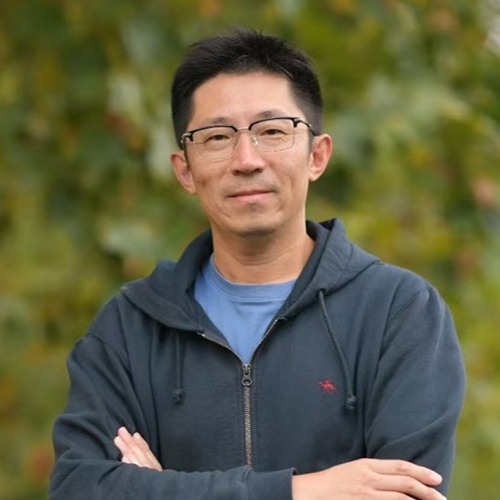
Cong Liu
Shanghai Institute of Organic Chemistry, Chinese Academy of Sciences, China
The research of Dr. Cong Liu focuses on protein phase separation and pathological aggregation in neurodegenerative diseases (NDs). In brief, by combining cutting-edge chemical and biological approaches, Dr. Liu revealed the structural basis of protein pathological aggregation in NDs; demonstrated the regulation mechanism of protein aggregation by disease-related chemical modification; explained at the atomic level how small molecules bind to pathological amyloid fibril; developed new strategies of small molecules modulating protein phase separation for therapeutic application.
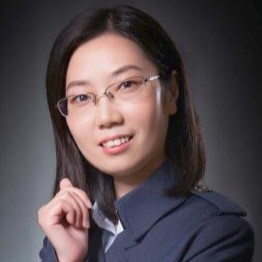
Xiaoxia Xia
Shanghai Jiao Tong University, China
Dr. Xiaoxia Xia is a Distinguished Professor at Shanghai Jiao Tong University, leading a research group in the synthetic biology of protein materials. She earned her Ph.D. in Chemical and Biological Engineering from KAIST in 2009, followed by postdoctoral work at KAIST and Tufts University, returning to China in September 2012. Her research focuses on designing protein-based functional materials, especially biomolecular condensates. She pioneered prokaryotic artificial membraneless organelles, enabling spatial organization of metabolic pathways in bacterial cells. This breakthrough advances synthetic biology and biomanufacturing, enabling efficient biocatalysis, cellular engineering, and metabolic engineering. Her work has led to the development of novel functional materials with broad applications.
Dr. Xia has published over 80 papers in leading journals such as Nature Chemical Biology, Nature Communications, and JACS, with more than 6,000 Google Scholar citations and an h-index of 40, reflecting the broad impact of her research. She holds more than 10 patents, underscoring the translational potential of her work. Actively engaged in the international scientific community, she serves as an editorial board member of ACS Biomaterials Science & Engineering and Biotechnology Journal. Her interdisciplinary approach and innovative contributions have established her as a leading figure in synthetic biology.
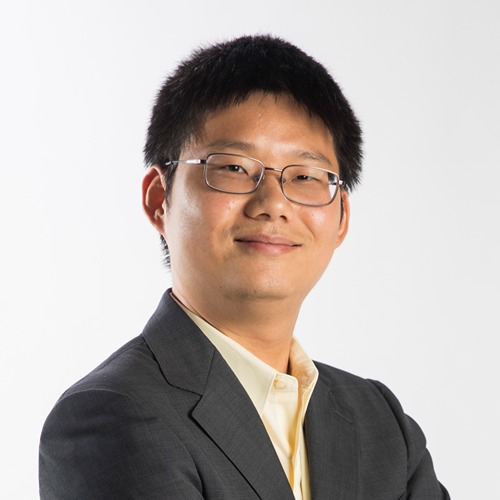
Jing Yu
Tsinghua University, China
Jing Yu is a Tenured Associate Professor in the Mechano-X Institute at Tsinghua University and a recipient of the National Overseas High-Level Talent Program. Jing obtained his Bachelor's degree from the Department of Chemical Engineering at Tsinghua University in 2007 and Ph.D. in Chemical Engineering from the University of California, Santa Barbara (UCSB) in 2012. He subsequently conducted postdoctoral research at the California Institute of Technology (Caltech) and the University of Chicago/Argonne National Laboratory. In 2017, he joined the School of Materials Science and Engineering at Nanyang Technological University (NTU). In 2019, Jing was awarded the Singapore National Research Foundation (NRF) Fellowship. He was promoted to Tenured Associate Professor at NTU in 2023. In 2024, he joined Mechano-X at Tsinghua University. Jing is an Associate Editor of ACS Applied Polymer Materials. Jing’s long-term research focuses on the interface of polymer physical chemistry and biomacromolecules, with an emphasis on the multi-scale, dynamic condensation and assembly processes of biomacromolecules and their physicochemical properties.
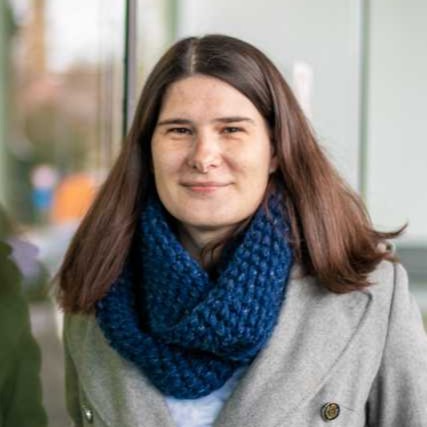
Ellen Adams
TU Dresden, Germany
Ellen Adams is a physical chemist and group leader at the Cluster of Excellence Physics of Life at TU Dresden and the Helmholtz-Zentrum Dresden-Rossendorf. Her research explores the physical chemistry of biomolecular condensates, focusing on how protein–water interactions and hydration dynamics influence liquid–liquid phase separation and the material properties of condensates. Using advanced spectroscopic methods, including terahertz and nonlinear optical spectroscopy, her work provides molecular-level insight into how solvent environments regulate biomolecular organization in cells.
Dr. Adams received her PhD in physical chemistry from The Ohio State University and conducted postdoctoral research in the United States and Germany before establishing her independent research group in Dresden in 2021. Her interdisciplinary work bridges physical chemistry, soft matter physics, and cell biology to uncover fundamental mechanisms governing biomolecular phase separation.
Miho Yanagisawa
The University of Tokyo, Japan
Pilong Li
Tsinghua University, China
Isaac Klein
Dewpoint Therapeutics, USA
Biography
Isaac Klein, MD, PhD, is the Chief Scientific Officer and Head of Research and Development at Dewpoint Therapeutics. A physician-scientist and medical oncologist, Isaac leads Dewpoint’s scientific strategy and R&D efforts. He earned a B.S. in Biological Engineering from Cornell, an MD from Cornell, and a PhD in Immunology and Genetics from The Rockefeller University. Isaac completed residency in Internal Medicine at Brigham and Women’s Hospital, and a fellowship in Medical Oncology at the Dana-Farber Cancer Institute, specializing in breast cancer. His postdoctoral research was conducted with Richard Young at the Whitehead Institute at MIT. As a member of Dana-Farber, Harvard Medical School, and MIT, Isaac’s research established the role of biomolecular condensates in gene regulation, oncogenesis, and drug mechanisms. A founding member of Dewpoint’s academic advisory board, he joined the company full-time in 2021 as CSO. In 2022, he was named one of Endpoints News' “20 Under 40” in biopharma.
Blurb about Dewpoint
Dewpoint is a clinical-stage biotech company applying biomolecular condensate biology to develop a new generation of therapeutics. The realization that diverse diseases arise from the dysfunction of condensates has opened new possibilities for modulating undruggable targets. Dewpoint’s platform underlies a drug discovery pipeline that spans oncology, neurodegenerative, cardiopulmonary, and metabolic diseases. Dewpoint has alliances with major pharma companies, including Bayer and Novo Nordisk. Learn more about the company and its science at Dewpointx.com and Condensates.com.
Dragomir Milovanovic
Institut für Biochemie, Charité, Germany
The goal of the Milovanovic lab is to understand how the condensate biology at the synapse enables proper neurotransmission (Sansevrino et al. Trends Neurosci 2023) and why dysfunction of this process leads to the formation of protein-driven inclusions (Hoffmann & Milovanovic J Cell Sci 2023). Specifically, the current research program focuses on two aspects. First, determining the biochemical mechanisms underlying the mesoscale organization of the synapse with special emphasis on the phase separation of synaptic vesicle clusters and associated proteins. Second, characterizing how distinct material properties of protein-driven inclusions trigger neuroinflammation, with the special emphasis on the role of lipids in modulating the pro- and anti-inflammatory response of microglia. Revealing that synapsin‑1 undergoes liquid–liquid phase separation transformed the prevailing view of synaptic organization (Milovanovic et al. Science 2018). Milovanovic lab recently demonstrated that synapsin-1/synaptic vesicle condensates are essential for proper neurotransmitter release in living synapses (Hoffmann et al. Nat Commun 2023) and act as molecular beacons for presynaptic actin organization (Chhabra et al. EMBO J 2025). We discovered that synapsin condensates harbor ion potential at the interfaces (Hoffmann et al. Nano Lett 2023), enabling distinct chemical properties and vesicle mobilities necessary for functional exocytosis (Ogunmowo et al. Nat Neurosci 2025) and condensate-membrane interactions (Hoffmann et al. Mol Cell 2026). The group is currently focused on understanding the sequence determinants that govern the specificity of SV condensates (Hoffmann et al. J Mol Biol 2025) and are responsible for their distinct material properties, which are often altered in neurodevelopmental and neurodegenerative diseases (Moors & Milovanovic J Park Dis 2024).
Yan Qiao
Institute of Chemistry, Chinese Academy of Sciences, China
Xin Zhang
Westlake University, China
Jan Brugues
TU Dresden, Germany
Wenyu Wen
Fudan University, China
Dr. Wen received a B.S. in Chemistry from Fudan University in 2003 and a Ph.D. in Biochemistry from The Hong Kong University of Science and Technology in 2008. In 2009, Dr. Wen joined Fudan University as a Principal Investigator, and focused on the molecular mechanisms regulating cell polarity and neuronal development. Her team has systematically elucidated the role of biomolecular condensates in asymmetric division of neural stem cells, proposing that phase separation regulates the transient establishment of stem cell polarity and stemness transmission. Additionally, her group has uncovered how dysregulated phase separation disrupts intracellular homeostasis, contributing to neurologic disorders. These findings have been published in journals such as Nature Cell Biology, PNAS, Journal of Cell Biology, EMBO Journal, and Nature Communications.
Christine Roden
Université de Montréal, Canada