Event details
The abstract deadline has passed
The conference will discuss the development of nucleic acid medicines including recent clinical successes, and current and upcoming challenges. By bringing together academics in basic and translational research and their peers in thriving biotechnology companies and promising start-ups, the conference aims to foster dialogue and to spearhead collaborations. The first day (December 8th) will discuss basic RNA biology and upcoming computational and AI methods, along with a panel discussion. The second day will cover translational nucleic acid gene therapies. There will also be a meet-the-editor session with journal editors. The 3rd and final day will cover clinical advances in therapeutics and end at noon.
Learn about and view the 4th iteration of this conference through our 2024 Event Report on Nature.com:
EVENT REPORT
Keynote Speakers

Vinod Balachandran
Memorial Sloan Kettering Cancer Center, USA
Vinod’s laboratory discoveries have established precision vaccines as a promising new immunotherapy for pancreatic cancer, a common, deadly cancer with no effective treatments. His team discovered, designed, and demonstrated in a landmark clinical trial that precision RNA vaccines targeting ‘neoantigens’ – mutation-derived antigens unique to cancer cells – trigger potent immunity that correlates with delayed pancreatic cancer recurrence. This work revealing that vaccines targeting ubiquitous oncogenic byproducts may impact outcome in one of the most challenging cancers presumed to be immunologically inert has ignited global interest in RNA-based neoantigen therapies as a potentially transformative cancer treatment.
Vinod has received several honors for his work, including the 2023 Trailblazer Prize for Clinician Scientists from the Foundation for the NIH.
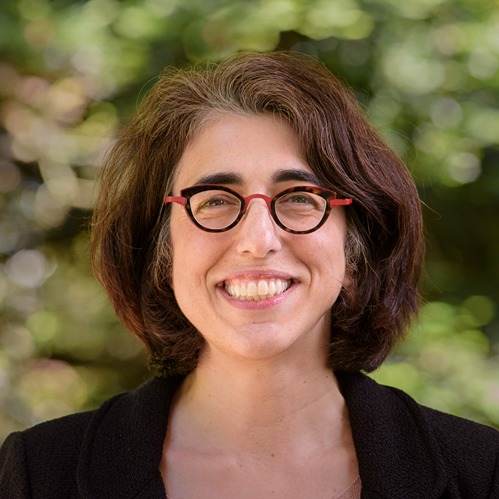
Tippi MacKenzie
University of California San Francisco, USA
Tippi MacKenzie is a pediatric and fetal surgeon at UCSF focused on diagnosing and treating genetic diseases before birth, and is regarded as a leader in the emerging field of fetal molecular therapies.
Dr. MacKenzie runs a translational research lab examining fetal immunology and maternal-fetal tolerance, with the ultimate goal of inventing new fetal therapies for patients with genetic diseases or pregnancy complications. She has moved two fetal molecular therapies from the laboratory to the clinic as FDA-approved phase 1 clinical trials: (1) in utero hematopoietic stem cell transplantation to treat fetuses with alpha thalassemia and (2) in utero enzyme replacement therapy to treat fetuses with lysosomal storage disorders. In 2015, she co-founded the UCSF Center for Maternal-Fetal Precision Medicine to accelerate the processes that link basic research to clinical trials to improve maternal, fetal, and neonatal health. In 2021, she was appointed as the Director of the Eli and Edythe Broad Center of Regeneration Medicine and Stem Cell Research, where her vision is to strengthen stem cell science through the application of gene editing and cell engineering techniques to develop therapies for patients. In both leadership roles, she is committed to strengthening the bridges between scientists and physicians to promote the translation of our fundamental discoveries to help people.
Dr. MacKenzie trained at Harvard College, Stanford University, Brigham and Women’s Hospital, and Children’s Hospital of Philadelphia. She was elected to the American Society for Clinical Investigation in 2021 and to the National Academy of Medicine in 2022.
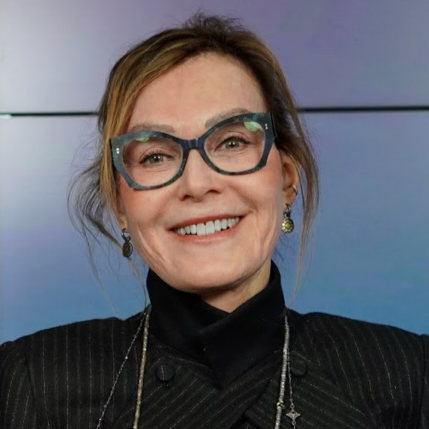
Lynne Maquat
University of Rochester Medical Center, USA
Lynne E. Maquat, PhD is the J. Lowell Orbison Endowed Chair and Professor of Biochemistry & Biophysics who holds concomitant appointments in Pediatrics and in Oncology, Founding Director of the Center for RNA Biology, and Founding Chair of Graduate Women in Science (now Graduates Working in Science) at the University of Rochester, Rochester, NY. After obtaining her PhD in Biochemistry from the University of Wisconsin-Madison and undertaking post-doctoral work at the McArdle Laboratory for Cancer Research, she joined Roswell Park Cancer Institute before moving to the University of Rochester Medical Center.
Dr. Maquat’s research focuses on the molecular basis of human diseases, with particular interest in mechanisms of mRNA decay. Maquat discovered nonsense-mediated mRNA decay (NMD) in human diseases in 1981 and, subsequently, the exon-junction complex (EJC) and how the EJC marks mRNAs for a quality-control “pioneer” round of protein synthesis. She also discovered Staufen-mediated mRNA decay, which mechanistically competes with NMD and, by so doing, new roles for short interspersed elements and long non-coding RNAs. Additionally, she defined a new mechanism by which microRNAs are degraded, thereby regulating mRNAs so as to promote the cell cycle. One of her current interests focuses on the development of therapeutics for diseases that she has shown manifest hyperactivated NMD, including the most common single gene cause of intellectual disability and autism, Fragile X Syndrome.
Maquat is an elected Fellow of the American Association for the Advancement of Science (2006); an elected Member of the American Academy of Arts & Sciences (2006), the National Academy of Sciences (2011), and the National Academy of Medicine (2017); and a Batsheva de Rothschild Fellow of the Israel Academy of Sciences & Humanities (2012-3). She was recently elected to the Council of Scientific Advisors for the International Centre for Genetic Engineering and Biotechnology (ICGEB), an initiative of the United Nations Industrial Development Organization (2022). She received the William C. Rose Award from the American Society for Biochemistry & Molecular Biology (2014), a Canada Gairdner International Award (2015), the international RNA Society Lifetime Achievement Award in Service (2010) and in Science (2017), the FASEB Excellence in Science Award (2018), the Vanderbilt Prize in Biomedical Science (2017), the Wiley Prize in Biomedical Sciences from Rockefeller University (2018), the International Union of Biochemistry and Molecular Biology Medal (2019), the Wolf Prize in Medicine from Isreal (2021), the Warren Alpert Foundation Prize from Harvard Medical School (2021), and the Gruber Genetics Prize from the Gruber Foundation and Yale University (2023). Most recently, she has been awarded the Dr. Paul Janssen Prize in Biomedical Research from Johnson & Johnson (2024), and the Albany Prize in Medicine and Biomedical Research from Albany Medical Center (2024), and she will be receiving the Indiana University School of Medicine Steven C. Beering Award (2026). Maquat is also well-known for her national and international efforts to promote women in science.
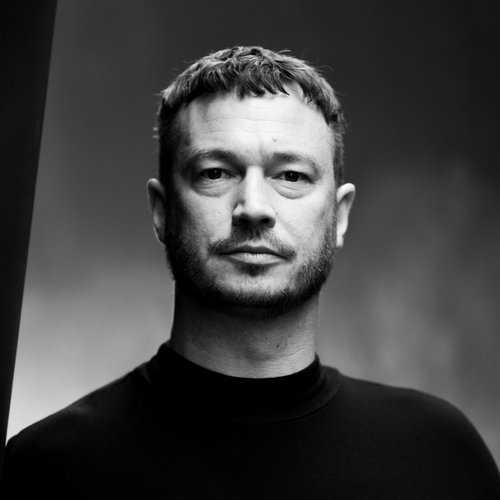
Jakob Uszkoreit
Inceptive, USA
Before Inceptive, Jakob conducted deep learning research at Google Brain, including co-authoring the papers “Attention Is All You Need” and “An Image Is Worth 16x16 Words” that introduced the neural network architectures now at the core of virtually all modern AI models across language, vision and science.
Earlier, he led the language understanding team behind Google Assistant and many Google Search features, and worked on Google Translate in its early days.
Speakers
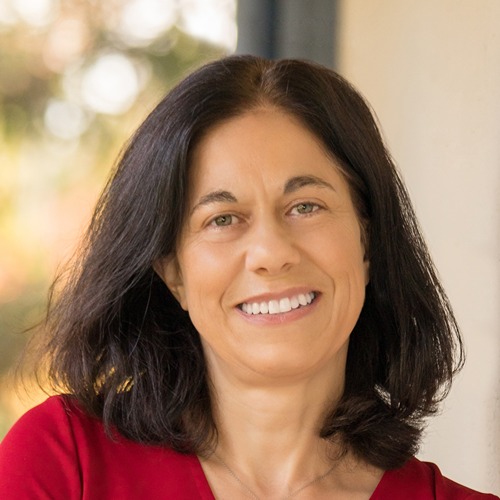
Sharon Aviran
UC Davis, USA
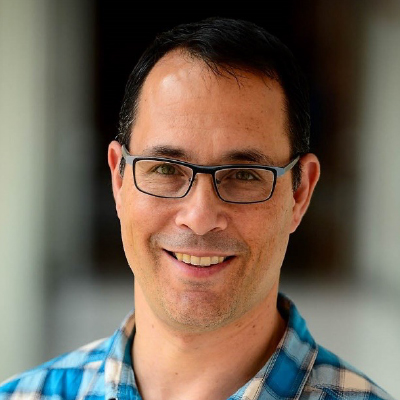
Yosef Barash
University of Pennsylvania, USA

Ronald Breaker
Yale University, USA
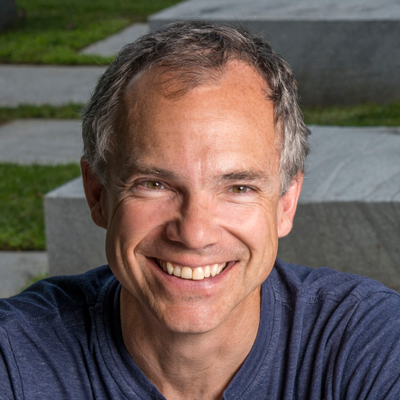
Sean Eddy
Harvard University, USA
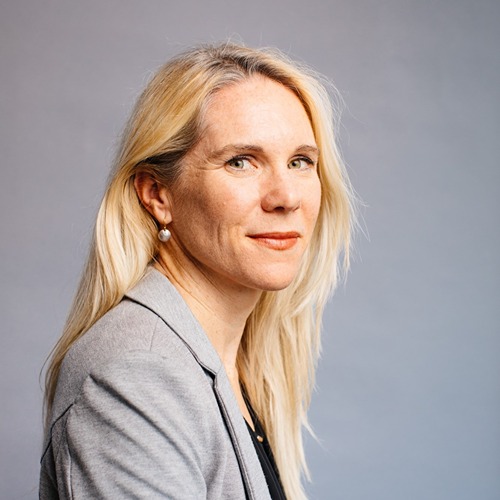
Britt Glaunsinger
HHMI, University of California, Berkeley, USA
Britt Glaunsinger is a Professor & Chair of the Department of Plant and Microbial Biology, as well as a Professor of Molecular Therapeutics/MCB and the Class of 1963 Endowed Chair at the University of California, Berkeley, and an investigator of the Howard Hughes Medical Institute. She has studied virus-host interactions in DNA viruses for the past 30 years and is a fellow of the American Academy of Microbiology. Research in her lab is centered on virus-host interactions that influence gene expression, primarily in the context of herpesvirus infection. This encompasses viral repurposing and alteration of the cellular gene regulatory machinery to promote viral replication, as well as cellular responses to viral invasion. Her lab has a particular focus on mechanisms by which viral proteins control host and viral RNA synthesis, processing, and mRNA turnover through interactions with mammalian gene expression machinery.
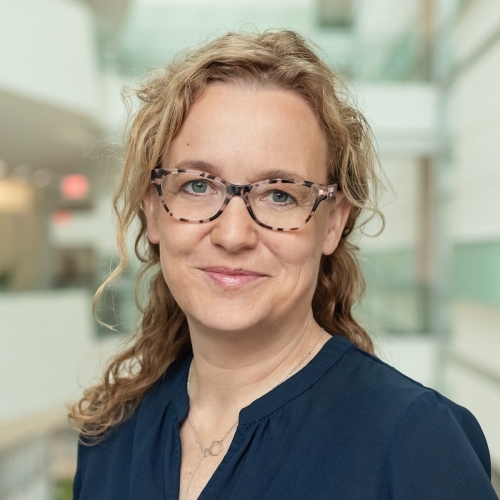
Michelle Hastings
University of Michigan, USA
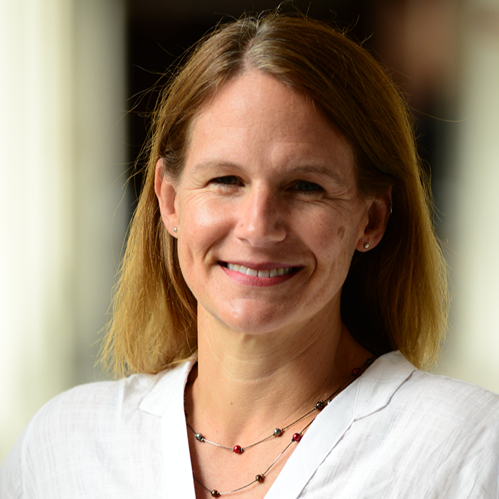
Kristen Lynch
University of Pennsylvania, USA
Dr. Lynch received her B.A. and Ph.D. from Harvard University, where she trained with Drs. Mark Ptashne (B.A.) and Tom Maniatis (Ph.D.). As a graduate student, she worked on basic mechanisms of alternative splicing. Later, as a postdoc with Dr. Arthur Weiss at UCSF, she pioneered the study of signal-induced alternative splicing mechanisms in human lymphocytes. In her independent career she has led the understanding of the mechanisms and physiologic consequences of regulated RNA processing as it relates to human immune function. Dr. Lynch has also worked with numerous collaborators to leverage her expertise in RNA-protein interactions and splicing regulation to promote the development of new computational methods to study of RNA processing, and to understand the impact of alternative splicing in shaping the epigenetic landscape and in cancer.
Beyond her research, Dr. Lynch has had broad impact on biomedical research as both a mentor to scores of trainees and junior faculty, and as Chair of the Department of Biochemistry and Biophysics at the University of Pennsylvania. She served as Chair of the Biologic Chemistry Graduate Group at UT Southwestern (2007-2009) and received the 2021 Nusbaum Award for Graduate Student Mentorship at UPenn. Finally, she founded and directs a multi-institutional RNA Club based at Penn, which is now the nucleus of the Basic Science section of Penn’s Institute for RNA Innovation. Dr. Lynch has also organized several major international meetings in the RNA field and served as a Director of the RNA Society.
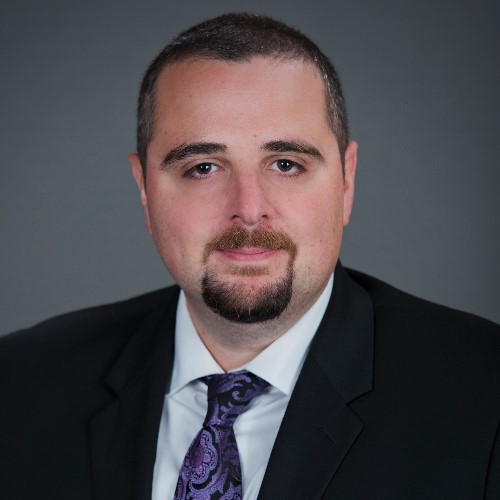
Ahmad Masri
Oregon Health & Science University, USA

Stuart Milstein
Aerska, USA
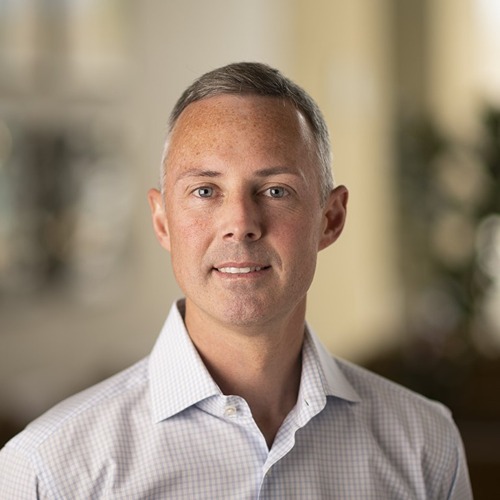
Frank Rigo
Ionis Pharmaceuticals, USA
Frank Rigo, Ph.D., is Senior Vice President and Head of Drug Discovery and Innovation at Ionis Pharmaceuticals, where he leads the company’s RNA-targeted drug discovery organization and technology development for antisense oligonucleotides, siRNAs and gene-editing–based therapeutics. He received his Ph.D. in biochemistry from UCLA under Harold Martinson and completed a postdoctoral fellowship at Ionis under C. Frank Bennett focused on antisense-mediated splicing modulation. Dr. Rigo led the preclinical development of Spinraza, the first approved disease-modifying therapy for spinal muscular atrophy, and salanersen, a next-generation SMA therapeutic. He was also responsible for Ionis’s Angelman syndrome program and neurology candidates for ALS, muscle and neurodevelopmental diseases.
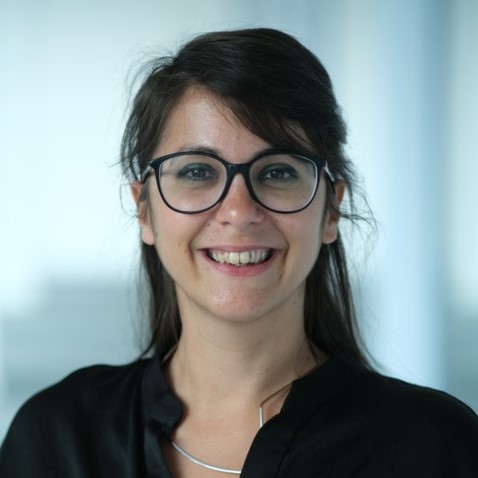
Konstantina (Nadina) Skourti-Stathaki
n-Lorem Foundation, USA
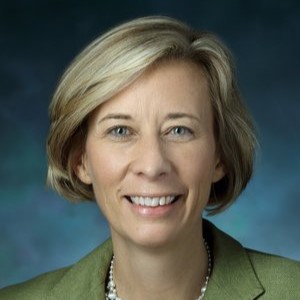
Charlotte Sumner
Johns Hopkins Medicine, USA
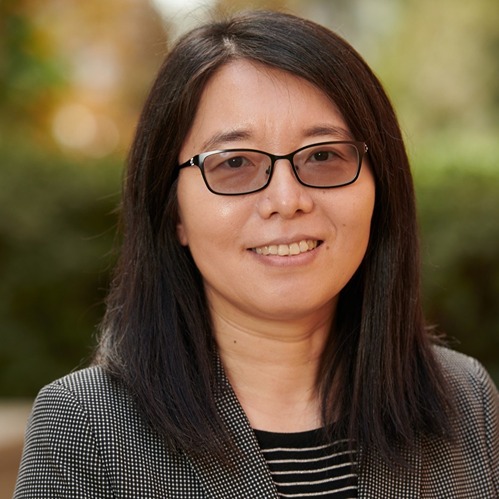
Xinshu (Grace) Xiao
University of California, Los Angeles, USA
Xinshu (Grace) Xiao, PhD, is the Maria R. Ross Endowed Professor in the Department of Integrative Biology and Physiology at the University of California, Los Angeles (UCLA). Her laboratory combines computational genomics with experimental RNA biology to understand how post-transcriptional RNA regulation contributes to human disease. One major area of her research investigates how genetic variation influences RNA regulation, with a particular focus on alternative splicing and RNA stability, and how these effects link genetic variation to disease. A second major area focuses on the epitranscriptome, particularly adenosine-to-inosine (A-to-I) RNA editing, its regulation, and its roles in cancer, neurological disorders, and innate immunity. Dr. Xiao received her B.S. from Tsinghua University and her Ph.D. from the Harvard-MIT Division of Health Sciences and Technology, followed by postdoctoral training at MIT. She joined the UCLA faculty in 2008.
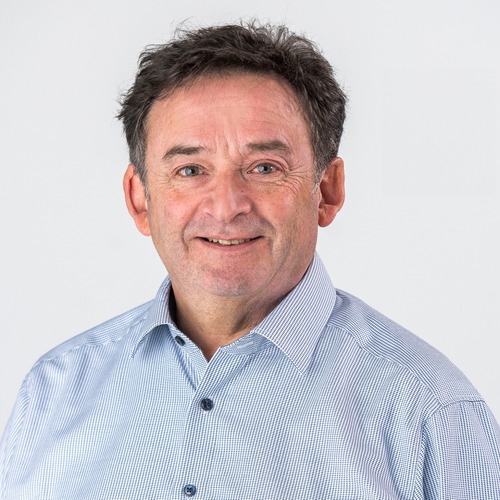
Gerard Platenburg
ProQR Therapeutics, Netherlands
Gerard is co-founder and has served as ProQR Chief Scientific Officer since 2022, following his tenure as Chief Innovation Officer from 2014 to 2022, and joined ProQR board as an executive director in May 2024. Gerard has an extensive background in RNA modulation and orphan drug discovery and development and is currently in charge of ProQR R&D. Gerard has more than 25 years of senior managerial experience in growing biotech companies. Prior to joining ProQR, Gerard worked at Isa Pharmaceuticals B.V. as its Chief Executive Officer. Gerard co-founded Prosensa Holding N.V., growing it to become a well-known clinical stage RNA modulation company, and held various positions during his tenure including as its Chief Executive Officer and Chief Development Officer. Gerard also worked at Pharming B.V. Gerard is a passionate and driven pioneer of early-stage technologies. Gerard has a master’s degree in Chemistry and Molecular Biology from Leiden University and pursued PhD work at Leiden University.
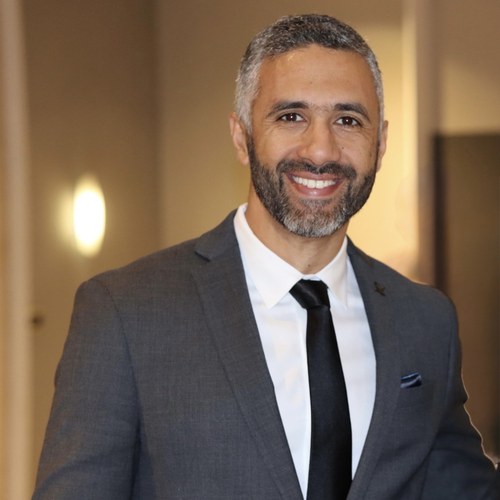
Ahmed Nader
GSK, USA
Ahmed Nader is an Executive Director in Clinical Pharmacology and Quantitative Medicine (CPQM) at GSK, where he leads CPQM support for HBV and cardiovascular and metabolic comorbidities. Since joining GSK five years ago, he has led clinical pharmacology and quantitative medicine teams across high-priority development programs, with a focus on integrating model-informed drug development, quantitative systems pharmacology, and data-driven decision making.
Ahmed holds a PhD and MSc in Clinical Pharmacology from Purdue University and previously spent seven years at AbbVie supporting programs in Immunology and Specialty Medicine. His work is centered on applying quantitative clinical pharmacology to accelerate development, strengthen evidence generation, and inform strategic portfolio decisions.
In partnership with