Agenda
All times are shown in Gulf Standard Time
Times are displayed in GMT
-
Available On Demand
Welcome & Opening Remarks
9:00
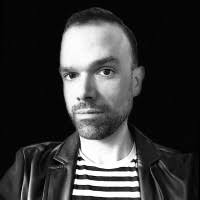 Joao Monteiro Nature Medicine
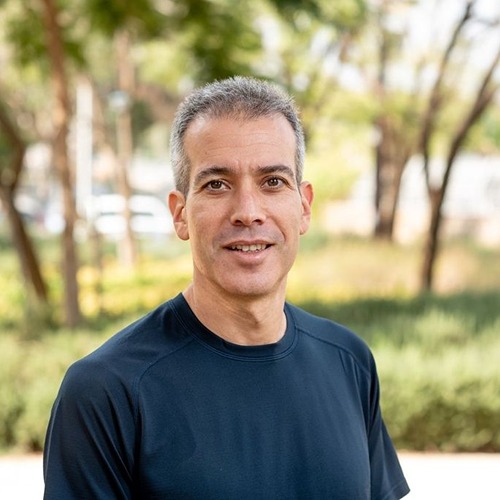 Eran Segal Mohamed bin Zayed University of Artificial Intelligence and Weizmann Institute of Science
Eran Segal is a Professor at Mohamed Bin Zayed University of Artificial Intelligence and at the Weizmann Institute of Science, heading a lab with a multi-disciplinary team of computational biologists and experimental scientists in the area of Computational and Systems biology. His group has extensive experience in AI, machine learning, computational biology, and analysis of heterogeneous high-throughput genomic data. His research explores the links between the microbiome, nutrition, genetics, and other clinical, physiological, and multi-omic phenotypes on human health, aiming to develop personalized medicine by analyzing large-scale and deeply phenotyped human cohorts.
Prof. Segal published over 250 publications that were cited over 85,000 times (H-index: 115), and received several awards and honors for his work, including the Overton prize, awarded annually by the International Society for Bioinformatics (ICSB) to one scientist for outstanding accomplishments in computational biology, and the Michael Bruno award. He was also elected as an EMBO member and as a member of the young Israeli academy of science. During the COVID-19 pandemic, Prof. Segal developed models for analyzing the dynamics of the pandemic and served as a senior advisor to the government of Israel.
Before joining the Weizmann Institute, Prof. Segal held an independent research position at Rockefeller University, New York.
Education: Prof. Segal was awarded a B.Sc. in Computer Science summa cum laude in 1998, from Tel-Aviv University, and a Ph.D. in Computer Science and Genetics in 2004, from Stanford University.
-
Available On Demand
Opening Keynote
9:15
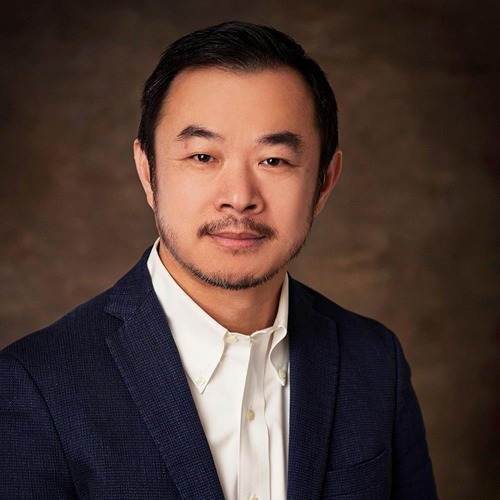 Eric Xing Mohamed bin Zayed University of Artificial IntelligenceProfessor Eric P. Xing is the President of the Mohamed bin Zayed University of Artificial Intelligence, Professor of Computer Science at Carnegie Mellon University, and Co-Founder and Chief Scientist at GenBio AI. His main research interests are the development of machine learning and statistical methodology, and large-scale computational system and architectures, for solving problems involving automated learning, reasoning, and decision-making in artificial, biological, and social systems. Prof. Xing has served on the editorial boards of leading scientific journals including the Journal of the American Statistical Association, Annals of Applied Statistics, PLOS Journal of Computational Biology, IEEE Journal of Pattern Analysis and Machine Intelligence, Machine Learning Journal, and Journal of Machine Learning Research. He was elected Fellows AAAI, ACM, ASA, IEEE, and IMS.
 -
Available On Demand
The Human Phenotype Project: Personalized Medicine Based on Deep Human Phenotyping
10:00
Eran Segal Mohamed bin Zayed University of Artificial Intelligence and Weizmann Institute of ScienceEran Segal is a Professor at Mohamed Bin Zayed University of Artificial Intelligence and at the Weizmann Institute of Science, heading a lab with a multi-disciplinary team of computational biologists and experimental scientists in the area of Computational and Systems biology. His group has extensive experience in AI, machine learning, computational biology, and analysis of heterogeneous high-throughput genomic data. His research explores the links between the microbiome, nutrition, genetics, and other clinical, physiological, and multi-omic phenotypes on human health, aiming to develop personalized medicine by analyzing large-scale and deeply phenotyped human cohorts.
Prof. Segal published over 250 publications that were cited over 85,000 times (H-index: 115), and received several awards and honors for his work, including the Overton prize, awarded annually by the International Society for Bioinformatics (ICSB) to one scientist for outstanding accomplishments in computational biology, and the Michael Bruno award. He was also elected as an EMBO member and as a member of the young Israeli academy of science. During the COVID-19 pandemic, Prof. Segal developed models for analyzing the dynamics of the pandemic and served as a senior advisor to the government of Israel.
Before joining the Weizmann Institute, Prof. Segal held an independent research position at Rockefeller University, New York.
Education: Prof. Segal was awarded a B.Sc. in Computer Science summa cum laude in 1998, from Tel-Aviv University, and a Ph.D. in Computer Science and Genetics in 2004, from Stanford University.
-
Available On Demand
Scaling and Enhancing the Human Phenotype Project Infrastructure
10.30
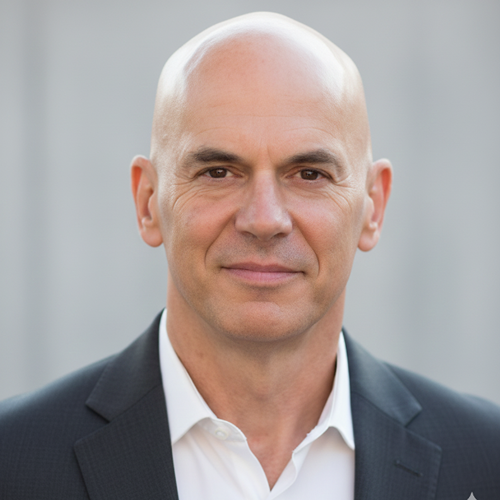 Ori Cohen Pheno.AI
 -
Available On Demand
Session 1: Mapping Deep Human Phenotypes at Scale
11:00Raghib Ali
Talk Title 1
11:30
Chris Tomlinson
Talk Title 2
12:00
Le Song
Talk Title 3
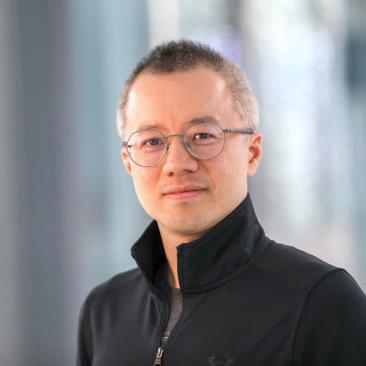 Le Song Mohamed bin Zayed University of Artificial Intelligence
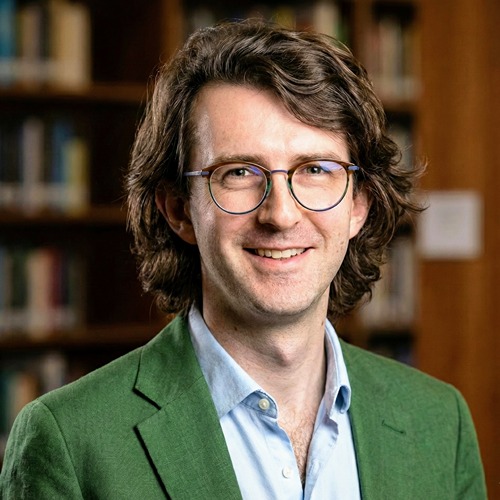 Chris Tomlinson University College London
Dr. Chris Tomlinson is a Clinician Scientist and AI+ Academic Senior Fellow (Associate Professor) at King’s College London. With a clinical background in Anaesthetics and Intensive Care, his work leverages electronic health records, epidemiology and artificial intelligence at scale to advance our understanding of health and disease, address the fundamental challenges of precision medicine and enable people to live healthier lives.
As Principal Investigator for Foresight-England, Dr. Tomlinson led the development of a world-first population-scale generative AI model of electronic health records from 57 million individuals. His research portfolio also includes pioneering work on proteomic machine learning for drug discovery and early detection of disease, building clinically-aligned generative AI for tasks such as discharge summarisation, as well as leading national-scale informatics and epidemiology projects that generated critical evidence during the COVID pandemic. His work has informed global policy and clinical guidelines, with publications in leading journals and conferences such as Nature Medicine, The BMJ, The Lancet Digital Health, NeurIPS and AAAI.
 Raghib Ali Our Future Health
 -
Available On Demand
Session 2: Integrating Omics, Clinical, and Real-World Data for Predictive and Generative Models
13:30
Marina Sirota
Talk Title 1
14:00
Kang Zhang
Talk Title 2
14:30
Shyamal Patel
The Language of Health: Redefining Science of Health through Wearables and Foundation Models
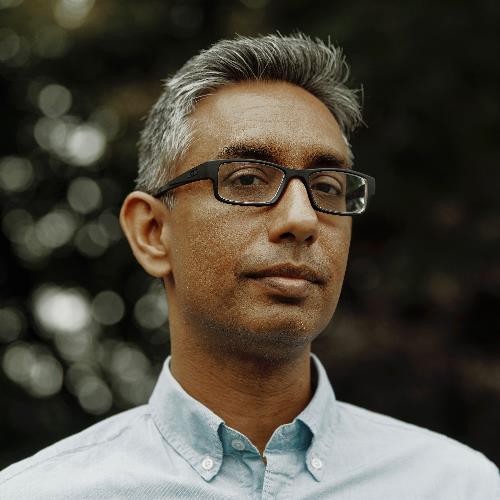 Shyamal Patel OuraShyamal Patel is the Senior Vice President and Head of Science at Oura, where he leads an interdisciplinary organization focused on the research and development of health sensing algorithms and pursuing new scientific discoveries to expand our understanding of human health and wellbeing. As a member of the executive team, Shyamal has played a pivotal role in evolving Oura from a sleep tracker into a holistic health companion, delivering personalized insights across sleep, stress, activity, cardiovascular health, metabolic health, and women's health. He is passionate about building digital health solutions that enable the transformation of healthcare from an episodic, population-based, and reactive model to a continuous, personalized, and proactive one.
Prior to joining Oura, Shyamal built extensive experience leading data science teams across the healthcare and technology spectrum. He previously worked at Pfizer, where he focused on developing and validating new digital endpoints for regulated clinical trials, and at MC10, where he led algorithm development for flexible and conformal wearable sensors in a startup environment. Shyamal’s work is grounded in deep technical expertise; he holds a PhD in Electrical and Computer Engineering from Northeastern University and completed his post-doctoral research at Harvard University. Marina Sirota UCSF
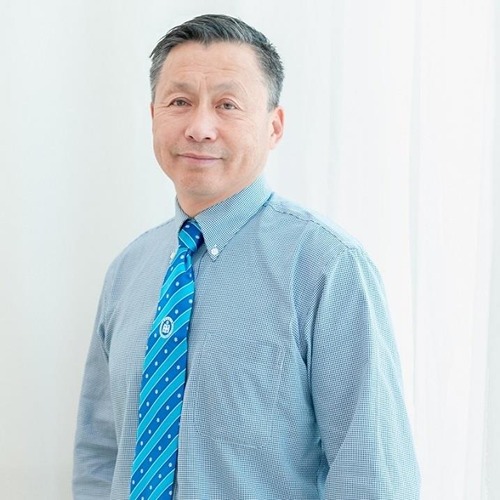 Kang Zhang Macau University of Science and Technology
 -
Available On Demand
Session 3: Managing the Complexity of High-Dimensional Phenotyping Data
16:30
Hiraoki Kitano
Talk Title 1
17:00
Nigam Shah
Phenotyping and Foundation models -- the hype, the promise, and the peril
17:30
Tom Diethe
Talk Title 4
 Tom Diethe AstraZeneca
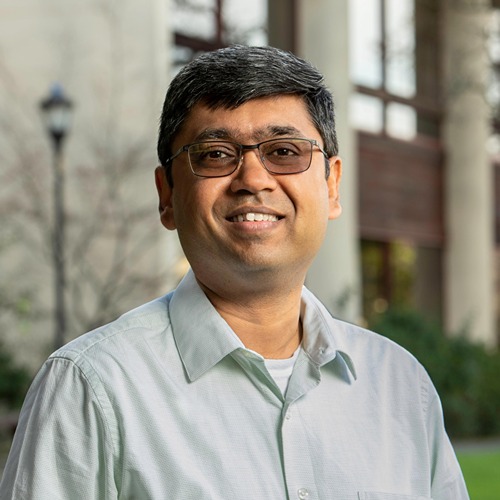 Nigam Shah Stanford University
Dr. Nigam Shah is Professor of Medicine at Stanford University and Chief Data Scientist for Stanford Health Care. He is a world-renowned scientist and entrepreneur with deep expertise in applying machine learning and artificial intelligence (AI) to analyze diverse health data, including electronic health records, claims, and wearables. In his Chief Data Scientist role, he oversees the responsible use of AI for advancing disease understanding and improving clinical care delivery across Stanford Health Care. In 2018, he created the USA's only bedside consultation service, to provide clinicians with on-demand patient outcome summaries. This service was cited in Congressional testimony and was spun out as the independent company Atropos Health in 2021.
Shah's research is highly influential, with over 350 publications (h-index 94) in journals such as JAMA and the New England Journal of Medicine, receiving over 43,000 citations. As an entrepreneur, he holds nine patents and co-founded three companies that collectively raised over $100 million. He is a dedicated educator, teaching in multiple graduate classes at Stanford University and in an AI in Healthcare Specialization to over 60,000 students online. He is a member of the National Academy of Medicine’s Digital Learning Collaborative as well as a cofounder of the coalition for health AI, which provides guidelines for the responsible use of AI in healthcare.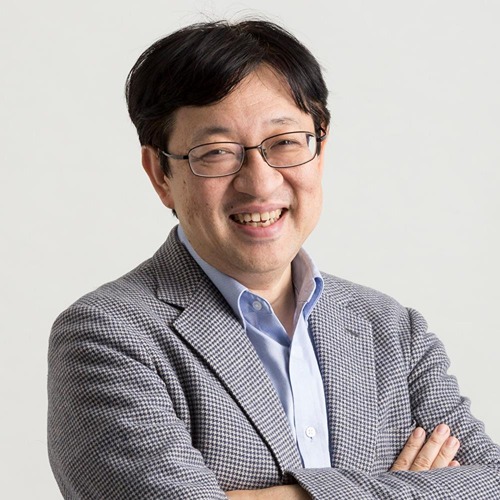 Hiraoki Kitano Okinawa Institute of Science and Technology Graduate School (OIST) and The Systems Biology Institute (SBI)
 -
Available On Demand
Keynote Talk - The Danish Precision Health Initiative (DELPHI) - A Dynamic Platform for Personalized Health Innovation
9:00
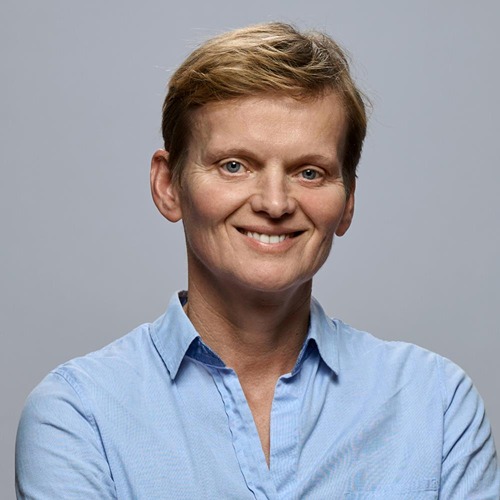 Ruth Loos University of Copenhagen
Ruth Loos is a Vice Executive Director of the Novo Nordisk Foundation Center for Basic Metabolic Research (CBMR) at the University of Copenhagen and part-time Professor at the Icahn School of Medicine at Mount Sinai, New York. She previously led a research program at the MRC Epidemiology Unit, University of Cambridge, and completed her postdoctoral training at the Pennington Biomedical Research Center in Baton Rouge after earning her PhD from the University of Leuven, Belgium.
Her research focuses on the genetic underpinnings of obesity to uncover the biology of body weight regulation. As a founding member of the GIANT (Genetic Investigation of ANthropometric Traits) consortium, she spearheaded large-scale gene-discovery efforts for BMI and obesity. Beyond traditional measures, her work explores refined adiposity phenotypes and composite traits to reveal biological insights missed by conventional approaches. Leveraging emerging -omics technologies, her team integrates genetic and proteomic data to identify obesity subtypes, predict risk, and inform tailored prevention and treatment strategies.
Ruth leads the Danish Precision Health Initiative (DELPHI), a 25-year longitudinal study of 10,000 individuals in Denmark designed to generate deep, multidimensional health data. DELPHI is an open, collaborative platform that supports dynamic multi-omics research, clinical trials, and innovation through flexible governance and robust infrastructure.
She has served on numerous scientific advisory boards and program committees and was most recently a Board Member of the European Association for the Study of Diabetes (EASD, 2022–2025) and the BioMed Alliance (2024–2025). Ruth is a trustee of European Diabetology. She has held editorial roles for journals including Diabetes, Human Molecular Genetics, PLoS Genetics, eLife, Diabetologia, and Obesity. She has published over 600 papers and holds an H-index of 179.
-
Available On Demand
From Science to Impact
9:45
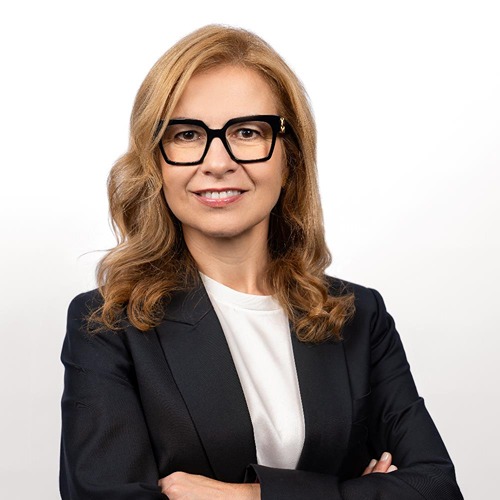 Isabel Afonso Arcera Life SciencesIsabel became CEO of Arcera Life Sciences in October 2023, leading a global life sciences company headquartered in Abu Dhabi, with a broad footprint reaching patients in over 120 markets and technical operations in eight countries. Arcera is owned by ADQ, an Abu Dhabi-based active sovereign investor with a focus on critical infrastructure and global supply chains.
Isabel has strong experience in business turnarounds across private equity (PE)-owned companies, large pharmaceutical corporations, and startups. Prior to Arcera, she led Novartis International’s $20B In-Market Brands portfolio and Business Innovation from Basel. Earlier, she served as General Manager for Novartis Oncology in China, a major company market.
Isabel's leadership experience includes roles such as Chief Commercial Officer at Performance Health, PE owned, where she led U.S. and International markets and digital transformation, and Head of Global Commercial Operations and member of the Executive Committee for Sandoz, a $10B Novartis division. Over 18 years at Novartis, she held executive positions in IT, Sales and Marketing, and General Management, across Innovative Medicines, Generics & Biosimilars and Consumer Health. -
Available On Demand
Session 4: Using Phenotype-Driven Insights to Forecast Risk and Tailor Therapies
10:30
Marinka Zitnik
Empowering Biomedical Discovery with AI Scientists
11:00
Laurent Servais
Accelerating clinical development in rare diseases using cutting edge digital technology and genomic newborn screening
11.30
Alan Shuldiner
Talk Title 3
12.00
Shahrukh Hashmi
Talk Title 4
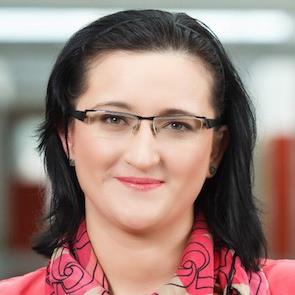 Marinka Zitnik Harvard University
Marinka Zitnik (https://zitniklab.hms.harvard.edu) is an Associate Professor of Biomedical Informatics at Harvard Medical School, Associate Faculty at Kempner Institute for the Study of Natural and Artificial Intelligence at Harvard University, and Associate Member at Broad Institute of MIT and Harvard. Zitnik investigates foundations of AI that contribute to the scientific understanding of medicine and therapeutic design, eventually enabling AI to learn and innovate on its own. Her research won best paper and research awards, including the Kavli Fellowship of the National Academy of Sciences, Kaneb Fellowship award at Harvard Medical School, NSF CAREER Award, awards from the International Society for Computational Biology, International Conference in Machine Learning, Bayer Early Excellence in Science, Amazon Faculty Research, Google Faculty Research, Roche Alliance with Distinguished Scientists, and Sanofi iDEA-iTECH Award. Zitnik founded Therapeutics Data Commons, a global open-science initiative to access and evaluate AI across stages of development and therapeutic modalities, and she served as the faculty lead of the AI4Science initiative.
 Shahrukh Hashmi DOH
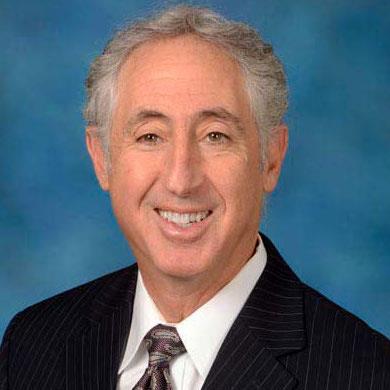 Alan Shuldiner Regeneron
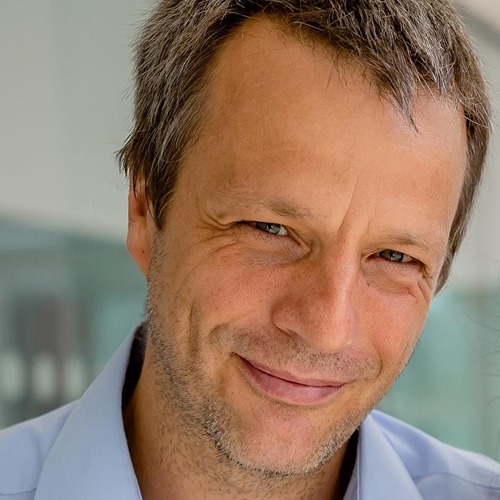 Laurent Servais University of Oxford
Laurent Servais MD, PhD is Professor of Pediatric Neuromuscular Diseases at the University of Oxford and Prof of Child Neurology at the University of Liège- Belgium
He is the leader of the pioneering genomic newborn screening project « Babydetect ». He has initiated and led the concept, the validation and the qualification of the first digital outcome measure ever qualified by a regulatory agency.
-
Available On Demand
Session 5: Building Reliable and Fair Models for Healthcare Deployment
13:30
Jenna Wiens
Talk Title 1
14:00
Anna Goldenberg
Talk Title 2
14:30
Shekoofeh Azizi
The Language of Biology: Rise of Discovery Intelligence
15:00
Hoifung Poon
Learning the Language of Patients: Multimodal GenAI for Precision Health
15:30
Carlos Bustamante
Talk Title 5
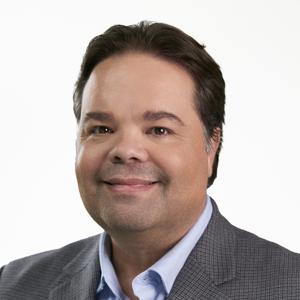 Carlos Bustamante Mohamed bin Zayed University of Artificial IntelligenceProfessor Bustamante's research interests span theoretical and experimental population genetics and genomics, machine learning/AI applied to problems in genetics/genomics, clinical and molecular genetics and genomics.
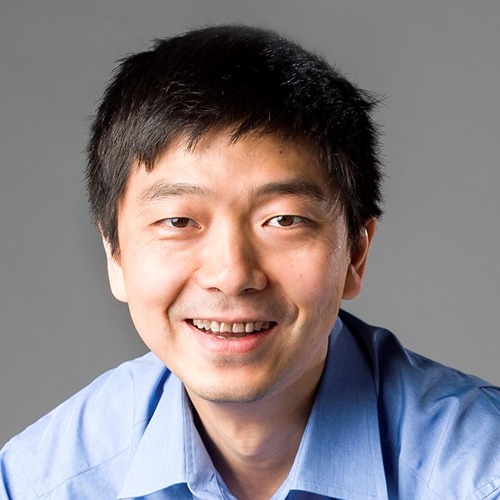 Hoifung Poon Microsoft Research, USAHoifung Poon is the General Manager of Real-World Evidence at Microsoft Research and an affiliated faculty at the University of Washington Medical School. He leads biomedical AI research and incubation, with the overarching goal of structuring medical data to optimize delivery and accelerate discovery for precision health. His team and collaborators are among the first to explore large language models (LLMs) and multimodal generative AI in health applications, producing popular open-source foundation models such as PubMedBERT, BioGPT, BiomedCLIP, LLaVA-Med, BiomedParse, with tens of millions of downloads. His latest publications in Nature and Cell features groundbreaking digital pathology and spatial proteomics foundation models such as GigaPath and GigaTIME. He has led successful research partnerships with large health providers and life science companies, creating AI systems in daily use for applications such as molecular tumor board and clinical trial matching. His prior work has been recognized with Best Paper Awards from premier AI venues such as NAACL, EMNLP, and UAI, and he was named the "Technology Champion" by the Puget Sound Business Journal in the 2024 Health Care Leadership Awards. He received his PhD in Computer Science and Engineering from the University of Washington, specializing in machine learning and NLP.
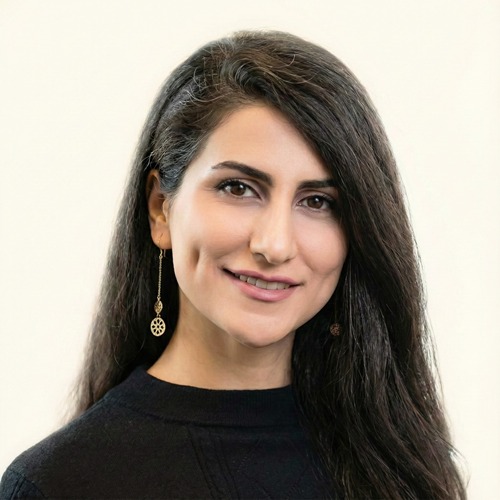 Shekoofeh Azizi Google DeepMindShekoofeh (shek) Azizi is a Staff Research Scientist and Research Lead at Google DeepMind, where she pioneers a new paradigm of biomedical super-intelligence to accelerate scientific discovery, focusing primarily on cancer and oncology. She and her team are at the forefront of applying large language models (LLMs) to medicine and emerging scientific domains, including therapeutics and single-cell biology.
Shek is a key research lead behind the development of the Med-PaLM and Med-Gemini series, Google’s flagship generative AI models specifically designed for the medical domain. Her work has been published in premier journals and conferences, including Nature, Nature Medicine, Nature Biomedical Engineering, and CVPR. Her contributions have received extensive media coverage and numerous accolades, most notably the Governor General’s Academic Gold Medal for her work in improving diagnostic ultrasound. Anna Goldenberg University of Toronto
 Jenna Wiens University of Michigan
 -
Available On Demand
Panel: Pathways to Accelerate Clinical and Industrial Applications of Deep Phenotyping
16:15
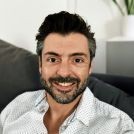 Mattia Andreoletti Nature Medicine
 -
Available On Demand
Meeting Wrap Up and Future Directions
17:15
Eran Segal Mohamed bin Zayed University of Artificial Intelligence and Weizmann Institute of ScienceEran Segal is a Professor at Mohamed Bin Zayed University of Artificial Intelligence and at the Weizmann Institute of Science, heading a lab with a multi-disciplinary team of computational biologists and experimental scientists in the area of Computational and Systems biology. His group has extensive experience in AI, machine learning, computational biology, and analysis of heterogeneous high-throughput genomic data. His research explores the links between the microbiome, nutrition, genetics, and other clinical, physiological, and multi-omic phenotypes on human health, aiming to develop personalized medicine by analyzing large-scale and deeply phenotyped human cohorts.
Prof. Segal published over 250 publications that were cited over 85,000 times (H-index: 115), and received several awards and honors for his work, including the Overton prize, awarded annually by the International Society for Bioinformatics (ICSB) to one scientist for outstanding accomplishments in computational biology, and the Michael Bruno award. He was also elected as an EMBO member and as a member of the young Israeli academy of science. During the COVID-19 pandemic, Prof. Segal developed models for analyzing the dynamics of the pandemic and served as a senior advisor to the government of Israel.
Before joining the Weizmann Institute, Prof. Segal held an independent research position at Rockefeller University, New York.
Education: Prof. Segal was awarded a B.Sc. in Computer Science summa cum laude in 1998, from Tel-Aviv University, and a Ph.D. in Computer Science and Genetics in 2004, from Stanford University.
Joao Monteiro Nature Medicine