

Organized by Tsinghua University, Nature Photonics, Nature, Nature Biomedical Engineering, Nature Biotechnology and Nature Communications.
The conference will highlight key areas in fluorescence microscopy, featuring sessions on super resolution techniques, mesoscale and intravital imaging, biological applications and AI-driven developments. This range reflects the need for dialogue between these areas, with progress stemming from aligning developments in optical techniques with computational tools for answering biological questions.
Including over 30 invited talks from renowned researchers, selected short talks and a poster session, the conference will showcase recent developments, discuss remaining challenges, and foster international exchanges between optics, biomedical and bioengineering communities.
Register NowSubmit AbstractDeadline: August.9, 2026 Contact Us
Event details
Speakers
Elisa Donati
University of Zurich
Jeehwan Kim
Massachusetts Institute of Technology
Silvestro Micera
École Polytechnique Fédérale de Lausanne

Joseph Wang
University of California, San Diego (UCSD), USA
Joseph Wang is a Distinguished Professor of Chemical and Nanoengineering, a SAIC Endowed Professor and the Director of the Center of Wearable Sensors (CWS) at the University of California San Diego (UCSD), La Jolla USA. Before joining UCSD at 2008, Wang served as the Director of the Center of Bioelectronics at the Biodesign Institute of ASU (Tempe, AZ). Dr. Wang has made pioneering contributions to the fields of wearable sensors, biosensors, electroanalytical chemistry, remote environmental sensors, multi-modal sensors, and microscale robots.
He is a member of the US National Academy of Inventors, and of the European Academies of Engineering and of Science and Arts, and a fellow of the RSC, ECS and AIMBE. He has authored over 1300 research papers, 12 books, and 60 patents. Wang has been a Thomson Reuters Highly Cited Researcher since 2015 (H Index 225). Wang holds Honorary Professor from 11 different universities and is the recipient of 3 National American Chemical Society (ACS) Awards for Analytical Chemistry (2024), Electrochemistry (2006) and Instrumentation (1999), of the Ralph Adams Pittcon Award in Bioanalytical Chemistry, of the Talanta Medal, 2021 IUPAC Analytical Chemistry Medal, the Breyer Medal (Australia), Heyrovsky Medal (Czech Republic), the Speirs Medal (RSC), and the IEEE Sensor Achievement Award, 2021.
Wei Gao
California Institute of Technology, USA
Wei Gao is a Professor of Medical Engineering and a Heritage Medical Research Institute Investigator in the Division of Engineering and Applied Science at the California Institute of Technology. He received his Ph.D. in Chemical Engineering from the University of California, San Diego in 2014, and completed his postdoctoral training from 2014 to 2017 in the Department of Electrical Engineering and Computer Sciences at the University of California, Berkeley. He currently serves as Senior Associate Editor of Science Advances, and as Associate Editor of npj Flexible Electronics, Biosensors and Bioelectronics, and Sensors & Diagnostics. He is a recipient of the NSF Career Award, ONR Young Investigator Award, IAMBE Early Career Award, Sloan Research Fellowship, Pittcon Achievement Award, IEEE EMBS Early Career Achievement Award, IEEE EMBS Technical Achievement Award, IEEE Sensor Council Technical Achievement Award, MIT Technology Review 35 Innovators Under 35, and the Falling Walls Breakthrough of the Year in Engineering and Technology.
He is also recognized as a World Economic Forum Young Scientist and a Highly Cited Researcher (Web of Science, every year since 2020). Prof. Gao is an elected Fellow of the American Institute for Medical and Biological Engineering (AIMBE), the Royal Society of Chemistry (RSC), and the Institute of Electrical and Electronics Engineers (IEEE). His research interests span wearable and implantable biosensors, digital medicine, bioelectronics, flexible electronics, additive manufacturing, and micro/nanorobotics.
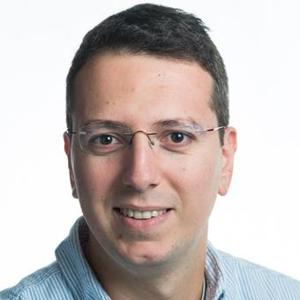
Simone Fabiano
Linköping University (LiU)
In 2012, he earned his PhD in Chemistry from the University of Palermo (Italy) with a work aimed at controlling the molecular packing of organic semiconductors for efficient charge transport in thin film transistors and solar cells. From 2010, he also worked as a visiting PhD student in the group of Prof. Maria Antonietta Loi at the Zernike Institute for Advanced Materials of the University of Groningen (The Netherlands).
In 2012, he carried out postdoctoral research at Linköping University (Sweden) with Prof. Magnus Berggren, and in 2016 he joined the group of Prof. Antonio Facchetti and Prof. Tobin J. Marks at Northwestern University (USA), where he worked as a Marie Curie Fellow and a VINNEMER Fellow until December 2017.
Simone Fabiano is now an Associate Professor at the Department of Science and Technology at Linköping University, where he guides the research activities of the Organic Nanoelectronics group. Since October 2020, he is also a Docent in Applied Physics.
His research interests include the development of organic conductors and mixed ion-electron conductors for printed electronics and neuromorphic computing.
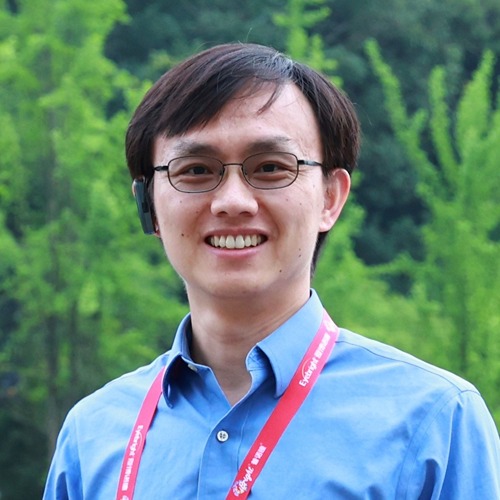
Sheng Xu
Stanford University
Dr. Sheng Xu is a tenured professor and the inaugural Director of Emerging Technologies in the Department of Anesthesiology, Perioperative and Pain Medicine at Stanford University, with courtesy appointments in Electrical Engineering and Materials Science and Engineering. He earned his B.S. degree in Chemistry from Peking University and his Ph.D. in Materials Science and Engineering from the Georgia Institute of Technology. Subsequently, he pursued postdoctoral studies at the Materials Research Laboratory at the University of Illinois at Urbana-Champaign. He then spent 10 years on the faculty at UC San Diego before joining Stanford in 2025. His research group is interested in developing new materials and fabrication methods for soft electronics. His research has been presented to the United States Congress as a testimony to the importance and impact of NIH funding.
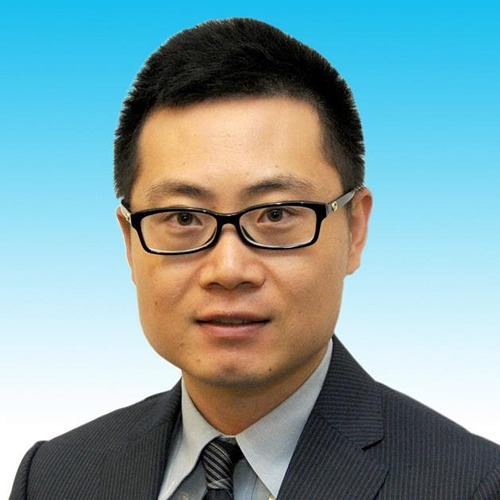
Xinge YU
City University of Hong Kong, China
Xinge Yu is a Professor of Biomedical Engineering at City University of Hong (CityU), the Member of the Hong Kong Young Academy of Sciences, Young Member of Hong Kong Academy of Engineering. He is the Associate Director of Institute of Digital Medicine at CityU, Associate Director of Hong Kong Centre for Cerebro-cardiovascular Health Engineering. Prof Yu is the recipient of NSFC Distinguished Young Scientist Grant (Scheme A), RGC Research Fellow, NSFC Excellent Young Scientist Grant (Hong Kong & Macao), Innovators under 35 China (MIT Technology Review), New Innovator of IEEE NanoMed, MINE Young Scientist Award, Stanford's top 2% most highly cited scientists etc. Prof. Yu is the Associate Editor of Science Advances, Microsystem & NanoEngineering, Bio-Design and Manufacturing etc. Xinge Yu’s research group is focusing on skin-integrated electronics and systems for VR and biomedical applications. He has published 200 papers in Nature, Nature Materials, Nature Biomedical Engineering, Nature Machine Intelligence, Nature Communications, Science Advances etc., and 50 patents filed/granted.
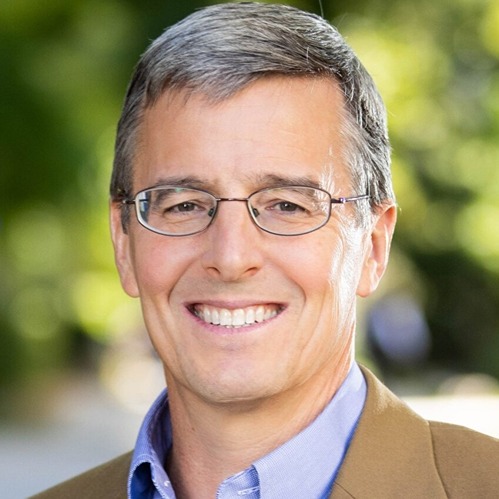
John A. Rogers
Northwestern University, USA
Professor John A. Rogers began his career at Bell Laboratories as a Member of Technical Staff in the Condensed Matter Physics Research Department in 1997, and served as Director from the end of 2000 to 2002. He then spent thirteen years at the University of Illinois, as the Swanlund Chair Professor and Director of the Seitz Materials Research Laboratory. In 2016, he joined Northwestern University as the Simpson/Querrey Professor, where he is also Director of the Institute for Bioelectronics. He has co-authored nearly 1000 papers and he is co-inventor on more than 100 patents. His research has been recognized by many awards, including a MacArthur Fellowship (2009), the Lemelson-MIT Prize (2011), the Smithsonian Award for American Ingenuity in the Physical Sciences (2013), the Benjamin Franklin Medal (2019), a Guggenheim Fellowship (2021), the James Prize from the NAS (2022) and the IEEE Biomedical Engineering Award (2024). He is a member of the National Academy of Engineering, the National Academy of Sciences, the National Academy of Medicine and the American Academy of Arts and Sciences.

Lance Li
National University of Singapore, Singapore
Dr. Lain-Jong (Lance) Li is currently a Distinguished Professor in the Department of Materials Science at the National University of Singapore. He has held esteemed positions, including Chair Professor of Future Electronics at The University of Hong Kong and Director of Corporate Research at TSMC. He is a Fellow of the Royal Society of Chemistry and serves as an Associate Editor for Nano Letters under the American Chemical Society.
Dr. Li completed his Bachelor’s and Master’s degrees in Chemistry at National Taiwan University in 1994 and 1996, respectively. Subsequently, he worked as a Senior R&D Engineer at TSMC from 1997 to 2002. He obtained his Ph.D. in Condensed Matter Physics from the University of Oxford in 2006 and commenced his academic career as an Assistant Professor at Nanyang Technological University in Singapore. He served as an Associate Research Fellow at Academia Sinica in Taiwan in 2010 and joined KAUST in Saudi Arabia in 2014, where he advanced to the position of Full Professor by 2016. Dr. Li returned to TSMC as the Director of Corporate Research in late 2017. In 2021, he was appointed as a Chair Professor at The University of Hong Kong, and in 2025, he joined the National University of Singapore. His research is focused on Chemical Vapor Deposition (CVD), tool design, device fabrication and integration, and the growth of 2D semiconductor materials, including graphene and boron nitride. He holds over 60 U.S. patents and has been recognized as a Highly Cited Researcher from 2018 to 2024, with more than 500 publications, 84,000 citations, and an H-index of 134 according to the AD Science Index.
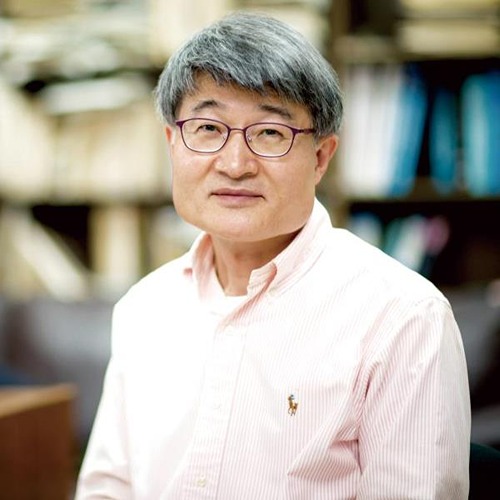
Kilwon Cho
Postech
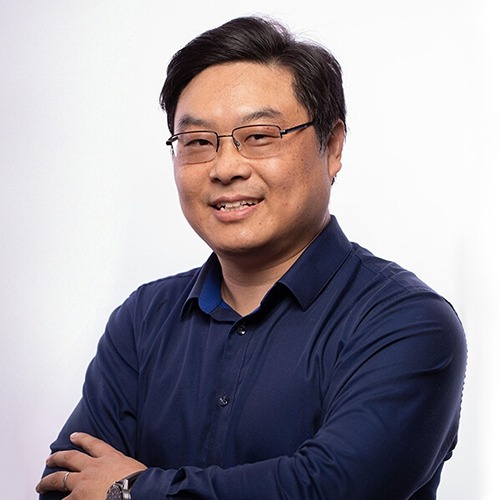
Joshua Yang
University of Southern California
Nae-Eung Lee
Sungkyunkwan University (SKKU)
He has authored hundreds of publications in the fields of nanomaterials, nanoelectronics and biointegrated sensing technologies, and leads the Semiconductor Nano-systems Laboratory at SKKU.
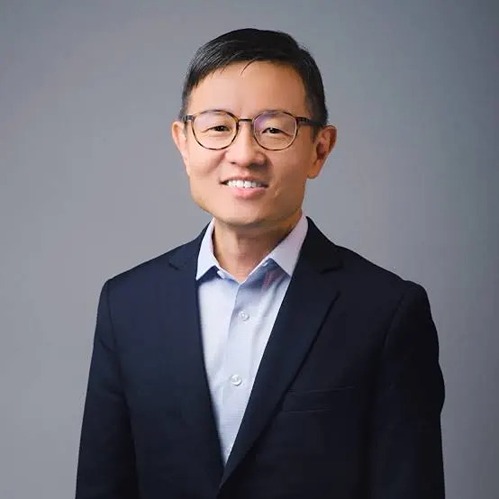
Lim Chwee Teck
National University of Singapore
Deji Akinwande
University of Texas

Sami Haddadin
Mohamed bin Zayed University of Artificial Intelligence
Sahika Inal
King Abdullah University of Science and Technology (KAUST)
Yang-Kook Sun
Hanyang University
Taewoo Lee
Seoul National University

Zheng Vitto Han
Shanxi University, China
Zheng Vitto Han is a research professor at the Institute of Optoelectronics, Shanxi University, China. He also serves jointly as the deputy lab director at the Liaoning Academy of Materials (LAM) and the director of the Institute of Quantum Materials and Devices at LAM in Shenyang, China. He obtained his Ph.D. at the Néel Institute, CNRS, France, and conducted postdoctoral research at Columbia University in New York City. His research primarily focuses on the emerging physical properties of functional materials at mesoscopic scales and on further implementing these interesting properties in future applications of nano-assemblies and nanoelectronics. Over the past few years, his team has uncovered a series of novel physical phenomena and nanostructures, such as the demonstration of a finFET with a single atomic fin, the realization of robust quantum Hall phases through the interfacial charge transfer and the induced charge orderings, the development of van der Waals polarity-engineered 3D integration of 2D complementary logic. The related works have been published in journals including Nature, Nature Nanotechnology, Nature Electronics, and Nature Communications.
Keynote Speakers

Stefan Hell
Max Planck Institute, Germany
Virtual
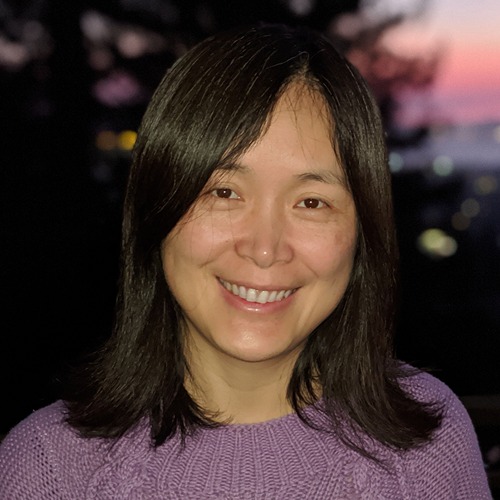
Na Ji
University of California, Berkeley, USA
Na Ji studied chemistry and physics as an undergraduate in the University of Science and Technology of China and later a graduate student at University of California Berkeley. She received her PhD in Chemistry in 2005 under the guidance of Yuen-Ron Shen. In 2006, she moved to Janelia Research Campus, Howard Hughes Medical Institute, and worked with Eric Betzig on improving the speed and resolution of in vivo brain imaging. She became a group leader in Janelia in 2011. In 2017, she moved to the Department of Physics and Department of Molecular Cell Biology at the University of California, Berkeley as the Luis Alvarez Memorial Chair in Experimental Physics. She is also affiliated with the Bioengineering, Biophysics, and Vision Science Graduate Programs, Helen Wills Neuroscience Institute, and serves as a faculty scientist at the Lawrence Berkeley National Laboratory. In addition to imaging technology development, her lab applies the resulting techniques to outstanding problems in neurobiology.
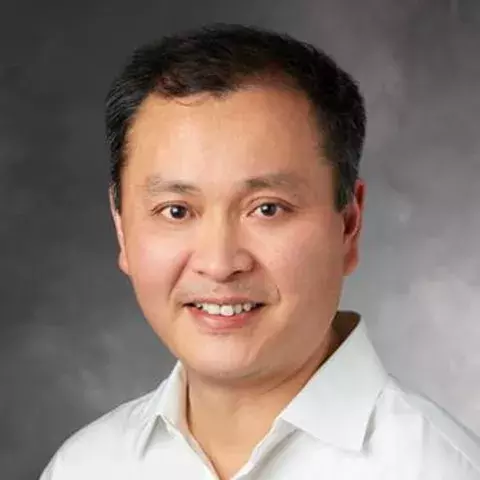
Hongjie Dai
University of Hong Kong, China
University.
Professor Dai is internationally recognized for his pioneering contributions to nanoscience, nanotechnology, nanomedicine and renewable energy materials. His research has advanced carbon nanotube and graphene technologies, nanoelectronics drug delivery and photothermal therapy, and SWIR/NIR-I biological imaging. His group has also developed carbon-inorganic hybrid materials for electrocatalysis and energy storage, including rechargeable aluminum batteries. He
has published approximately 400 papers, including 20 in Science and Nature, with over 220,000 citations and an H-index of 206. His achievements have been recognized through numerous prestigious honors, including the NIH Director's Pioneer Award (2017) and the Alexander von Humboldt Research Award (2022).
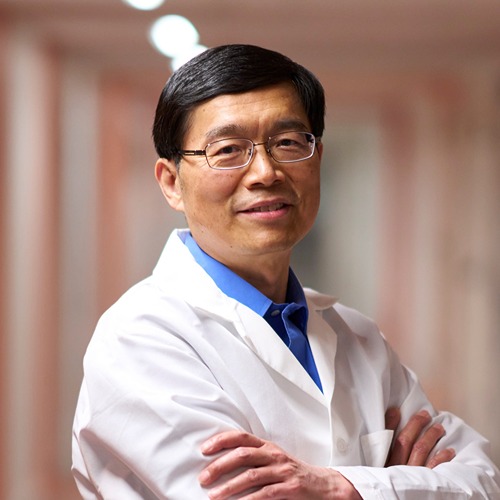
Lihong Wang
California Institute of Technology, USA
Lihong Wang earned his Ph.D. degree at Rice University, Houston, Texas, under the tutelage of Robert Curl, Richard Smalley, and Frank Tittel. He is Bren Professor of Medical Engineering and Electrical Engineering, Andrew and Peggy Cherng Medical Engineering Leadership Chair, and Executive Officer (Department Chair) of Medical Engineering at California Institute of Technology. His textbook “Biomedical Optics: Principles and Imaging,” one of the first in the field, won the 2010 Joseph W. Goodman Book Writing Award. He also edited the first book on photoacoustic tomography. He has published 629 peer-reviewed articles in journals, including Nature (Cover story), Science, and PRL, and has delivered 648 keynote, plenary, invited, or named talks. His Google Scholar h-index and citations have reached 169 and 122K, respectively, and he is ranked #1 in citations in optics and #4 in nuclear medicine and medical imaging according to Stanford/Elsevier. He was honored with a Pioneer Issue by the Journal of Biomedical Optics. His laboratory was the first to report functional photoacoustic tomography (top 2 cited in photoacoustics), 3D photoacoustic microscopy (top 2 cited in photoacoustics), the universal photoacoustic reconstruction algorithm (widely adopted), photoacoustic endoscopy, photoacoustic reporter gene imaging, the photoacoustic Doppler effect, microwave-induced thermoacoustic tomography, ultrasound-modulated optical tomography, time-reversed ultrasonically encoded optical focusing, light-speed compressed ultrafast photography (219 trillion frames/s, world’s fastest real-time camera), and open-source Monte Carlo simulation of light transport in tissues (widely cited, celebrated by the Journal of Biomedical Optics in 2022). Photoacoustic imaging broke through the long-standing diffusion limit on the penetration of optical imaging, providing the only technology for noninvasive multiscale biochemical, functional, and molecular imaging from organelles to humans at high resolution. Photoacoustic imaging has been commercialized by dozens of companies for both preclinical and clinical imaging (FDA-approved for breast imaging). He chairs the annual conference on Photons plus Ultrasound, the largest conference at the annual 20,000-attendee Photonics West. He was the Editor-in-Chief of the Journal of Biomedical Optics. He received the NSF CAREER, NIH FIRST, NIH Director’s Pioneer, NIH Director’s Transformative Research, and NIH/NCI Outstanding Investigator awards. He also received the Optica C.E.K. Mees Medal, IEEE Technical Achievement Award, IEEE Biomedical Engineering Award, SPIE Britton Chance Biomedical Optics Award, IPPA Senior Prize, and Optica Michael S. Feld Biophotonics Award for “seminal contributions” to photoacoustic tomography and light-speed imaging. He is a Fellow of the AAAS, AIMBE, Electromagnetics Academy, IAMBE, IEEE, Optica, and SPIE, as well as a Foreign Fellow of COS. An honorary doctorate was conferred on him by Lund University, Sweden. He was inducted into the National Academy of Inventors, the National Academy of Engineering, and the National Academy of Medicine.
Qingming Luo
Hainan University, China

Laura Waller
UC Berkeley, USA
Laura Waller is the Charles A. Desoer Professor of Electrical Engineering and Computer Sciences at UC Berkeley. She received B.S., M.Eng. and Ph.D. degrees from the Massachusetts Institute of Technology in 2004, 2005 and 2010. After that, she was a Postdoctoral Researcher and Lecturer of Physics at Princeton University from 2010-2012. She is a Packard Fellow for Science & Engineering, Moore Foundation Data-driven Investigator, OSA Fellow, and Chan-Zuckerberg Biohub Investigator. She has received the Carol D. Soc Distinguished Graduate Mentoring Award, OSA Adolph Lomb Medal, the SPIE Early Career Award and the Max Planck-Humboldt Medal.
Jiamin Wu
Tsinghua University, China
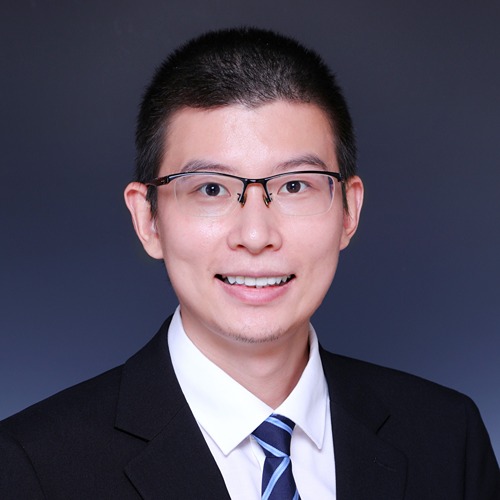
Jiamin Wu is an associate professor in the Department of Automation at Tsinghua University, and PI at the IDG/McGovern Institute for Brain Research, Tsinghua University. His current research interests focus on computational imaging and system biology, with a particular emphasis on developing new tools for the understanding of large-scale intercellular dynamics in vivo. He has developed many computational imaging frameworks, including scanning light-field microscopy (Wu et al. 2021 Cell), two-photon synthetic aperture microscopy (Zhao et al. 2023 Cell), and digital adaptive optics (Wu et al. 2022 Nature) to overcome the long-standing barriers of intravital mesoscale imaging and high-throughput data analysis, which may lead to a new data-driven paradigm for high-throughput biological discoveries and drug screening. In recent 5 years, he has published over 40 papers in Nature, Cell, and so on, and receives awards such as XPLORER Prize, Alibaba Damo Academy Young Fellow and Frontiers of Science Award. He has also served as the Associate Editor of PhotoniX, Optics Express and IEEE TCSVT.
Speakers
Sophie Brasselet
Institut Fresnel, France
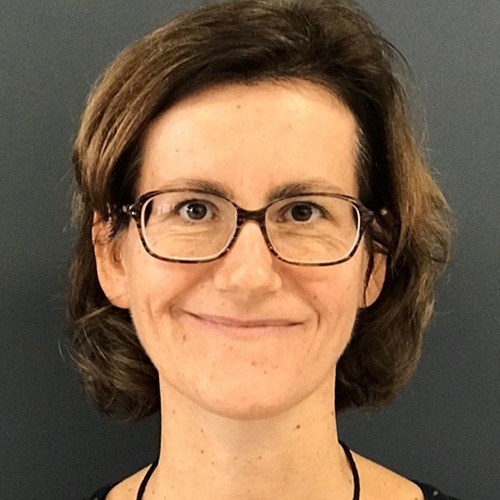
Sophie Brasselet is an optical physicist. She has obtained her PhD in 1997 at the University of Paris Sud France, on the study of multipolar molecules applied to nonlinear optics, and spent two years as a postdoctoral fellow at UCSD and Stanford University (USA), working on the detection of single molecules in cells. After 7 years as an assistant professor in Ecole Normale Supérieure de Cachan (France), she is now a CNRS research director at Fresnel Institute in Marseille, France. She has pioneered methods in polarized non-linear optical microscopy and fluorescence imaging, based on the control of light polarization and polarized wavefronts, with achievements in optical structural imaging at nanoscales applied to nanophotonics and biology. She has published more than 150 publications among which recent review papers (Optica 2023, Nature Photonics 2025), and given more than 100 invited conferences. She has obtained the silver medal of CNRS in 2016 and the Leon Brillouin prize of the Optical French Society in 2022.
Johann Danzl
Institute of Science and Technology Austria (ISTA), Klosterneuburg, Austria
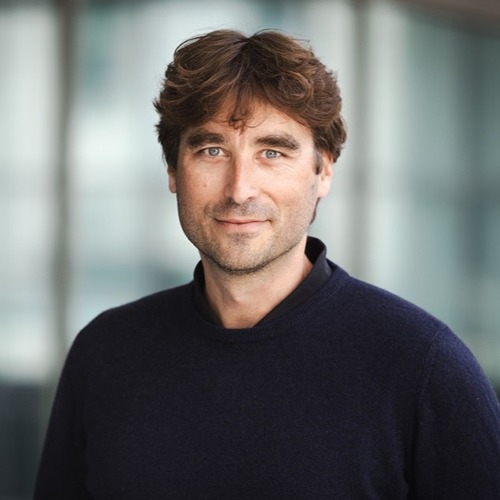
Johann Danzl is a Professor at the Institute of Science and Technology Austria (ISTA) in Klosterneuburg, Austria, where he leads an interdisciplinary group of biologists, neuroscientists, physicists and computer scientists. The group focuses on developing imaging technologies for charting the brain and other biological tissues at increasing information content. He originally trained as medical doctor and physicist and completed a PhD in ultracold molecular quantum physics at the University of Innsbruck. He then combined the fields and joined the Max Planck Institute for Biophysical Chemistry in Göttingen as a postdoc to work on the development of optical super-resolution imaging technology. In 2017, he founded his own research group at ISTA as an Assistant Professor, developing technologies to better understand the functional architecture of biological tissues, and became full Professor at ISTA in 2025. A key recent advancement from his research group is light microscopy based connectomics (LICONN), an expansion-microscopy based approach that enables dense reconstruction of brain tissue at single synapse resolution.
Min Gu
University of Shanghai for Science and Technology, China
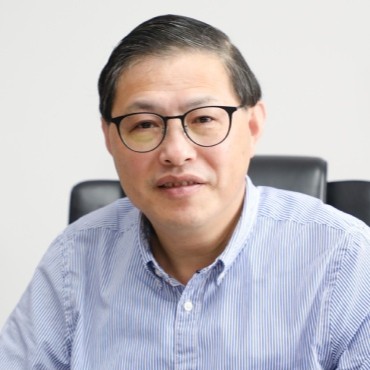
Professor Gu is Executive Chancellor and Distinguished Professor of University of Shanghai for Science and Technology. He was Distinguished Professor and Associate Deputy Vice-Chancellor at RMIT University, and a Laureate Fellow of the Australian Research Council, Pro Vice-Chancellor, and a University Distinguished Professor at Swinburne University of Technology. He is an author of four standard reference books and has over 550 publications in nano/biophotonics. He is an elected Fellow of the Australian Academy of Science and the Australian Academy of Technological Sciences and Engineering as well as Foreign Fellow of the Chinese Academy of Engineering. He is also an elected fellow of SPIE, Optica, IEEE, AIP, InstP and COS. He was President of the International Society of Optics within Life Sciences, Vice President of the Board of the International Commission for Optics (ICO) (Chair of the ICO Prize Committee) and a Director of the Board of Optica (formerly OSA) (Chair of the International Council). He was awarded the Einstein Professorship, the W. H. (Beattie) Steel Medal, the Ian Wark Medal, the Boas Medal and the Victoria Prize. Professor Gu is a winner of the 2019 Dennis Gabor Award (SPIE), the 2022 Emmett Norman Leith Medal (Optica), and the 2025 William Streifer Scientific Achievement Award (IEEE).
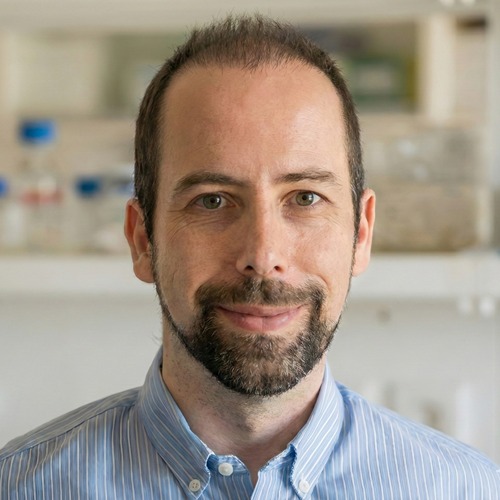
Ricardo Henriques
Universidade NOVA de Lisboa, Portugal
Ricardo Henriques leads the Optical Cell Biology group at ITQB NOVA in Lisbon, where his team works at the intersection of physics, biology, and software engineering. His goal is to push the physical boundaries of light microscopy to study biology at the nanoscale while making these technologies accessible to everyone. His group develops open-source computational frameworks like NanoJ and NanoPyx that enable researchers perform super-resolution imaging with standard diffraction-limited microscopes. This allows laboratories worldwide to access techniques that were previously restricted to well-funded institutions with costly equipment.
More recently, his focus has shifted towards applying artificial intelligence to bioimage analysis, especially making deep learning tools usable by biologists without programming skills. ZeroCostDL4Mic exemplifies this effort: a cloud-based platform that simplifies training and deploying AI models for microscopy, removing the technical barriers that typically hinder biologists from adopting these powerful methods. Ricardo strongly supports open science and reproducibility, consistently advocating for transparent AI workflows that maintain the reliability and interpretability of complex algorithms in quantitative biological research.
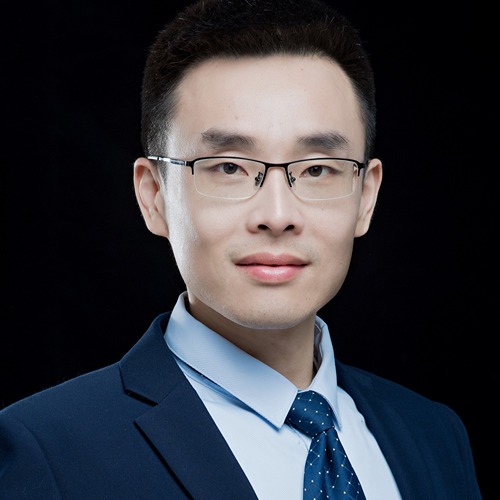
Peng Fei
Huazhong University of Science and Technology, China
Dr. Peng Fei joined the School of Optical and Electronic Information at Huazhong University of Science and Technology as a Professor of Optical Imaging in 2016. He was selected for the National 1000 Youth Talents Program in 2015 and was later awarded the National Science Fund for Distinguished Young Scholars in 2022.
Dr. Fei’s research lies at the intersection of optics and life sciences, with a particular focus on the development of high-throughput fluorescence microscopy and its applications in cell biology, pathology, and related biomedical fields. Over the past decade, he has published more than 100 papers in leading scientific journals, including Nature Methods, Nature Materials, Nature Biomedical Engineering, Nature Biotechnology, and Nature Communications. Many of these publications have been recognized as ESI Highly Cited Papers and have attracted broad attention from the scientific community. In addition, technologies developed by his group have been successfully commercialized into advanced light-sheet microscopes that are now widely used in biomedical research.

Jan Huisken
Georg-August-University Göttingen, Germany
Jan Huisken is an Alexander-von-Humboldt Professor at the Georg-August University in Göttingen, internationally recognized for his pioneering advancements in light sheet microscopy and biomedical imaging. He studied physics in Göttingen and Heidelberg, focusing on three-dimensional fluorescence microscopy, optical manipulation, and developmental biology, particularly in zebrafish. Huisken obtained his PhD at EMBL Heidelberg, where he developed multidimensional light sheet microscopy (Selective Plane Illumination Microscopy, SPIM) under the guidance of Ernst Stelzer and Joachim Wittbrodt. As a cross-disciplinary HFSP postdoctoral fellow in 2005, Huisken joined Didier Stainier’s group at the University of California, San Francisco, where he applied light sheet microscopy to study cardiovascular morphogenesis in zebrafish. He subsequently led a research group at the Max Planck Institute for Molecular Cell Biology and Genetics in Dresden from 2010 to 2016, and from 2016 to 2021, served as principal investigator and director of Medical Engineering at the Morgridge Institute for Research. Since 2021, Huisken has been leading innovative research as an Alexander von Humboldt Professor in Göttingen. His lab covers every aspect of modern in vivo imaging, from sample preparation to image analysis. Recently, he initiated the Flamingo project: a modular, portable microscope platform whose design supports advanced imaging not only in the lab but also in the field, democratizing access to cutting-edge microscopy far beyond traditional optics facilities. For his groundbreaking contributions, Huisken received the Royal Microscopy Society Medal for Light Microscopy (2017), the Lennart Nilsson Award (2020), and the Humboldt-Professorship (2021).
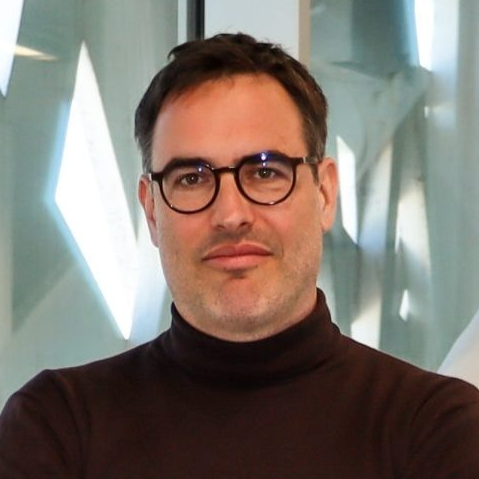
Florian Jug
Fondazione Human Technopole, Italy
Florian Jug received his PhD in computational neuroscience from ETH Zurich. He leads the Multimodal AI Across Scales research direction at Human Technopole in Milan, developing AI methods for scientific discovery in the life sciences. His group focuses on generative models for microscopy: multimodal data integration, unmixing, denoising, and uncertainty quantification, with the goal of bridging molecular, cellular, and tissue scales and making AI a trusted partner for scientific discovery in the life sciences.
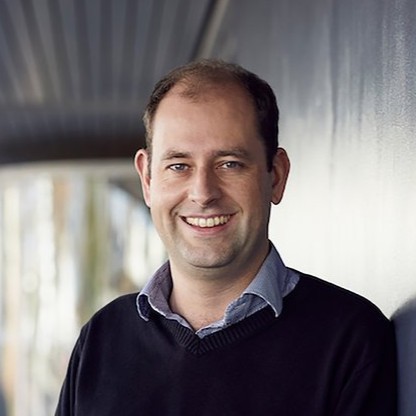
Ralf Jungmann
Max Planck Institute, Germany
Ralf Jungmann is a professor for Experimental Physics at LMU Munich and Max Planck Fellow at the MPI of Biochemistry in Martinsried. Jungmann studied physics at Saarland University and received his PhD in 2010 from the TU Munich. He then became an Alexander von Humboldt postdoctoral fellow at the Wyss Institute at Harvard University before joining LMU and MPIB.
Jungmann and his team are known for the developments and applications of DNA-based fluorescence microscopy, namely DNA-PAINT. DNA-PAINT is a super-resolution microscopy technique that uses short, transient DNA-DNA interactions to provide unrivalled spatial resolution and multiplexing. The method employs complementary DNA strand binding, allowing researchers to visualise cellular structures and molecules with precision previously thought unattainable. DNA-PAINT has unlocked new potentials in diverse scientific realms, from unravelling intricate biological processes at the molecular level to aiding advancements in material science and biomedicine. In two of their latest studies, Jungmann and his team achieved Ångström-resolution fluorescence microscopy and spatial proteomics at single protein resolution in neurons, unravelling the Mode of Action of monoclonal antibodies in cancer in the first study and uncovering a novel type of synapse in the latter.
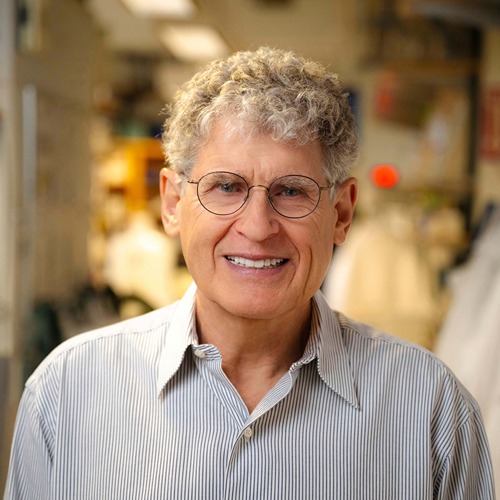
David Kleinfeld
University of California, San Diego, USA

Anna Kreshuk
EMBL Heidelberg, Germany
Anna Kreshuk is a Group Leader and a Senior Scientist at European Molecular Biology Laboratory (EMBL). Her research lies at the interface of machine learning and biology and focuses on machine learning–based methods for the analysis of biological images, with particular interests in large-scale image and volumetric segmentation, sparse and weak supervision, multimodal data integration, and the learned characterization of visual phenotypes. She is passionate about the democratization of machine learning in the life sciences and leads the development of the ilastik software, which aims to make advanced image analysis methods accessible to researchers without computational expertise. The ilastik team is also part of the collaboration behind the BioImage Model Zoo initiative, which promotes interoperability and easy sharing of deep learning models for microscopy.

Dong Li
Tsinghua University, China
Prof. Dong Li’s research focuses on developing both microscope hardware and deep learning algorithm, and synergizing both advantages to push the envelop of 2D/3D imaging of intracellular dynamics at high spatial and temporal resolution with high fidelity and quantifiability for long duration. Prof. Dong Li has developed multi-modality structured illumination microscopy, super-resolution light sheet microscopy, and rationalized deep learning denoising algorithm architecture, tec., which have been employed to shed new light on understanding diverse biological phenomena.

Suliana Manley
EPFL, Switzerland
Suliana Manley earned her B.S. in physics and mathematics, graduating with honors from Rice University. She pursued her doctoral studies in the laboratory of Prof. David Weitz at Harvard University. Her work on biological imaging began when, as a National Research Council Fellow at the NIH, she worked with Dr. Jennifer Lippincott-Schwartz. There, she developed sptPALM, a method combining photoactivation and single-particle tracking to measure the dynamics of thousands of molecules within individual cells.
She she is currently a full professor of physics and bioengineering at the École Polytechnique Fédérale de Lausanne (EPFL). Her research focuses on developing high-throughput and “smart” super-resolution microscopy techniques. Her group applies these tools to fundamental biophysical problems, currently focusing on mitochondrial dynamics, network organization, ultrastructure, and organelle contacts. Her contributions have been recognized with numerous honors, including the 2019 Medal for Light Microscopy from the Royal Microscopical Society and election as an APS Fellow in 2020. She is also a recipient of a European Research Council Starting Grant (2009), Consolidator Grant (2019), and Synergy Grant (2026).
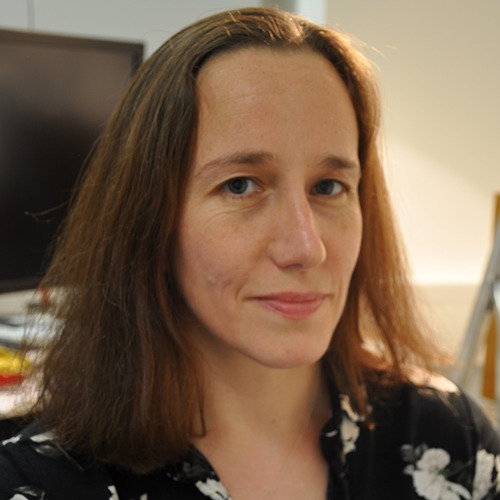
Gail McConnell
University of Strathclyde, UK
Gail McConnell is Professor of Biophotonics at the Strathclyde Institute of Pharmacy and Biomedical Sciences at the University of Strathclyde, Glasgow, UK. Following a first degree in Laser Physics and Optoelectronics (1998) and PhD in Physics from the University of Strathclyde (2002), she obtained a Personal Research Fellowship from the Royal Society of Edinburgh (2003) and a Research Councils UK Academic Fellowship (2005), securing a readership in 2008 and professorship in 2012. The work in Gail’s multidisciplinary research group involves the design, development, and application of new technologies for biological and biomedical imaging, from the nanoscale to the whole organism. She is a Fellow of the Royal Society of Edinburgh, a Fellow of the Institute of Physics, a Fellow of the Royal Microscopical Society, and an Honorary Fellow of the British Biophysical Society.
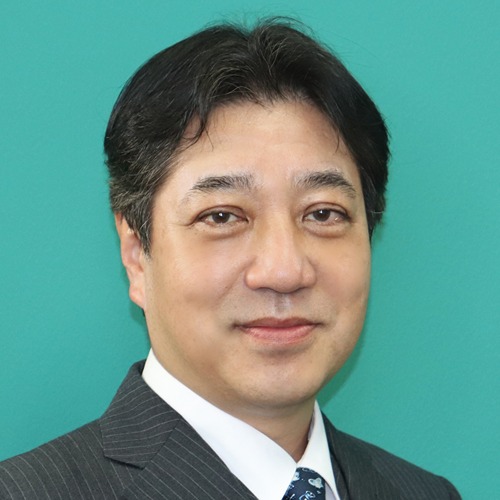
Takeharu Nagai
University of Osaka, Japan
Takeharu Nagai is a Distinguished Professor at SANKEN, The University of Osaka, internationally known for pioneering next-generation fluorescent and bioluminescent imaging technologies. He has developed a series of widely adopted protein-based probes and the AMATERAS trans-scale imaging platform, enabling simultaneous visualization of rare and dynamic biological events across centimeter-to-micrometerr scales. His work has significantly shaped modern bioimaging by bridging molecular design, optical engineering, and quantitative life science.
Nagai also leads innovative efforts to create autonomously light-emitting plants as a new paradigm for sustainable illumination, integrating synthetic biology with real-world applications. His contributions have been recognized through major honors including the JSPS Prize, the Yamazaki-Teiichi Prize, the Osaka Science Prize, and the Shimadzu Prize. He is the founder and CTO of LEP Inc., a spin-off start-up dedicated to advancing bioluminescent technologies for science and society.
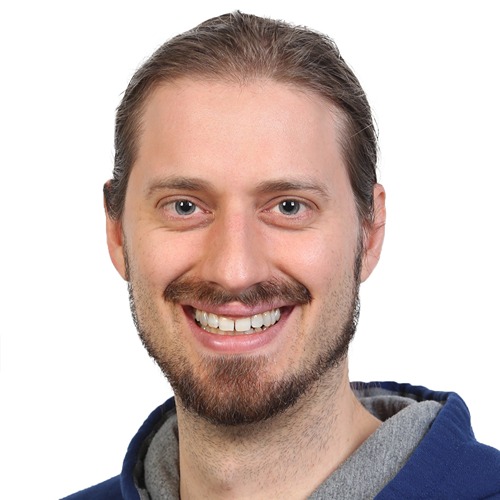
Constantin Pape
University of Göttingen, Germany

Jonas Ries
University of Vienna, Austria
Jonas Ries studied physics in Bremen and Konstanz with a specialization in quantum optics. After completing a PhD in biophysics at the TU Dresden in 2008 and a postdoctoral fellowship at the ETH in Zurich in 2012, he joined the EMBL in Heidelberg as a group leader. Since 2023 he is a full professor for Advanced Microscopy and Cellular Dynamics at the Max Perutz labs at the University of Vienna.
Markus Sauer
University of Würzburg, Germany
Markus Sauer is full professor for Biophysics at the Biocenter and the Rudolf-Virchow Center for Integrative and Translational Bioimaging of the University of Würzburg. His work focusses on the development of new refined fluorescence imaging methods with a particular focus on single-molecule sensitive super-resolution microscopy methods. He developed direct stochastic optical reconstruction microscopy (dSTORM) to investigate the molecular architecture of synapses, centrioles, mitochondria, nuclear pore complexes and synaptonemal complexes. He is leading a multidisciplinary team with background in biology, chemistry, physics, and computer science. Furthermore, he developed methods to characterize tumor cells and T cells with single-molecule sensitivity to improve the efficacy and safety of immunotherapies, and tools to decode the interplay of therapeutic antibodies with tumor cells to induce killing by the complement system. Currently he is developing methods that combine Expansion Microscopy and super-resolution microscopy to achieve a structural resolution of 1 nm and better in cells and tissue.
Yoav Shechtman
Technion - Israel Institute of Technology, Israel
Yoav Shechtman is a Professor of Biomedical Engineering and of Electrical & Computer Engineering at the Technion–Israel Institute of Technology, where he develops computational optical microscopy that integrates optical physics, signal processing, and deep learning to visualize life at unprecedented resolution and speed. Specific research interests include neural-net based co-design of optics and image processing, super-resolution and volumetric microscopy, particle tracking, chromatin structure and dynamics, and optical fabrication by additive manufacturing. He was previously a Harrington Faculty Fellow at The University of Texas at Austin (2023–24), and completed a postdoctoral fellowship in Chemistry at Stanford (2013-2016) following his Ph.D. at the Technion (2008-2013). Major recognitions include election to the Israel Young Academy (2025), the Hershel Rich Technion Innovation Award (2013, 2024), the Krill Prize (2021), the IUPAB Young Investigator Medal (2020), and the IAMBE Early Career Award (2018); he serves as an Associate Editor for Biophysical Reports and previously for Optics Express.
Hari Shroff
Janelia Research Campus, USA
Hari Shroff received a B.S.E. in bioengineering from the University of Washington in 2001, and under the supervision of Dr. Jan Liphardt, completed his Ph.D. in biophysics at the University of California at Berkeley in 2006. He spent the next two and a half years performing postdoctoral research in Eric Betzig’s lab at the Howard Hughes Medical Institute’s Janelia Research Campus where his research focused on the development of photoactivated localization microscopy (PALM), an optical super-resolution technique that earned Betzig a share of the 2014 Nobel Prize in Chemistry.
For the next thirteen years, Shroff headed the Laboratory of High Resolution Optical Imaging at the National Institute of Biomedical Imaging and Bioengineering at the National Institutes of Health, working to improve fluorescence microscopy methods suited for volumetric time-lapse (‘4D’) imaging. Commercialized inventions from this period include dual-view selective plane illumination microscopy (diSPIM) and instant super-resolution microscopy (iSIM), which are now used in hundreds of laboratories around the world. Shroff recently returned to Janelia, where he continues to push the envelope in biological imaging.
Current areas of research include adaptive optics, deep learning, and the study of brain development in simple organisms.
Ilaria Testa
KTH Royal Institute of Technology, Sweden
Ilaria Testa is a Professor of Applied Physics at the KTH Royal Institute of Technology and group leader at the Science for Life Laboratory in Stockholm. She received her PhD (2006–2009) at the University of Genoa on single molecule microscopy supervised by Alberto Diaspro and Stefan Hell, and was a postdoctoral researcher with Stefan Hell, contributing to the development of RESOLFT nanoscopy and single-molecule imaging. She established her independent lab in 2014 as a SciLifeLab Fellow.
Her research operates at the interface of physics, chemistry, and neuroscience, focusing on protein dynamics and interactions in cells and tissues. She develops advanced microscopy methods—combining light patterning, adaptive imaging, and photoswitchable probes—to study fast, transient biological processes such as synaptic transmission. Her recent work includes event-triggered nanoscopy and STARSS, a method to measure rotational dynamics in molecular assemblies.
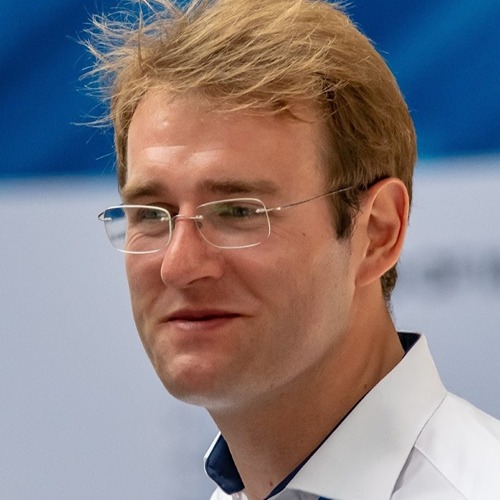
Fabian Voigt
Harvard University, USA
Fabian Voigt studied Interdisciplinary Sciences at ETH Zurich and received his PhD in 2019 from the University of Zurich. During his PhD work in the laboratory of Fritjof Helmchen, he developed the mesoscale selective plane illumination (mesoSPIM) Initiative, a global open science project aiming to provide the imaging community with better light-sheet microscopes for imaging cm-sized cleared tissue samples. Currently, he is a Branco-Weiss Fellow in the lab of Florian Engert at Harvard University and working on improving whole-body imaging techniques in larval zebrafish. In January 2027, he will start his own lab at the interface of photonics and neuroscience at the Max Planck Center for Physics and Medicine ( https://mpzpm.mpg.de/ ) and the Max Planck Institute for the Science of Light ( https://mpl.mpg.de/ ) in Erlangen, Germany.

Peng Xi
Peking University, China
Dr. Peng Xi is a Boya distinguished professor at College of Future Technology, Peking University, China. His research interest is on the development of optical super-resolution microscopy techniques. He is a Fellow of OPTICA and IAAM. He has been awarded the National Distinguished Young Scholar. He is the Chief scientist of the Key Research and Development Plan of the Ministry of Science and Technology. He is on the editorial board of 5 SCI-indexed journals such as Light and Advanced Photonics. He has published over 120 scientific journal papers on peer-reviewed journals including Nature, Nature Photonics, Nature Methods, etc., with more than 9,000 citations. He has been granted 3 American patents and over 20 Chinese patents, and delivered many plenary talks on international conferences hosted by SPIE and OPTICA.
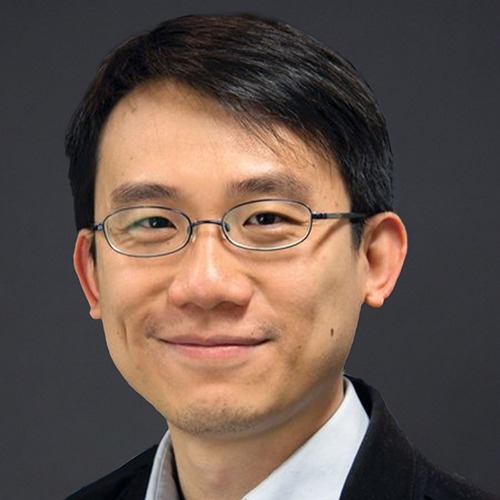
Changhuei Yang
California Institute of Technology, USA
Changhuei Yang is the Thomas G. Myers Professor of Electrical Engineering, Bioengineering and Medical Engineering and a Heritage Medical Research Institute Principal Investigator at the California Institute of Technology. He works in the area of biophotonics and computational imaging. His research team has developed numerous novel biomedical imaging technologies over the past 2 decades – including technologies for focusing light deeply into animals using time-reversal optical methods, lensless microscopy, ePetri, Fourier Ptychography, and non-invasive brain activity monitoring methods. He has worked with major companies, including BioRad, Amgen and Micron-Aptina, to develop solutions for their technological challenges.
He has received the NSF Career Award, the Coulter Foundation Early Career Phase I and II Awards, and the NIH Director's New Innovator Award. In 2008 he was named one of Discover Magazine’s ‘20 Best Brains Under 40’. He is a Coulter Fellow, an AIMBE Fellow and an OSA Fellow. He was elected as a Fellow in the National Academy of Inventors in 2020.
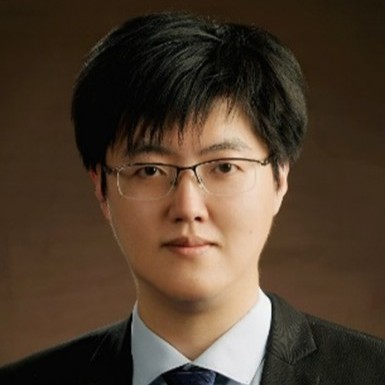
Chao Zuo
Nanjing University of Science and Technology, China
Dr. Chao Zuo is a Zijin Chair Professor at Nanjing University of Science and Technology (NJUST), Distinguished Professor of "Changjiang Scholars Program", Ministry of Education of China. He leads the Smart Computational Imaging Laboratory (SCILab: www.scilaboratory.com) at the School of Electronic and Optical Engineering, NJUST, and is also the founder and director of the Smart Computational Imaging Research Institute of NJUST. He has long been engaged in the development of novel Computational Optical Imaging and Measurement technologies, with a focus on Phase Measuring Imaging Metrology. His seminal research has been widely disseminated through one book, 3 book chapters, and over 300 peer-reviewed journal publications, which have accumulated more than 20,000 citations. His work has been featured on the covers of leading journals such as eLight, Light, Optica, AP, PhotoniX, and LPR more than 40 times, and extensively reported by NPG, MIT Technology Review, TechXplore, Phys.org, and SPIE Newsroom. He holds more than 130 issued patents and has co-founded three startup companies based on technologies developed in his lab. Due to his pioneering contributions to computational phase imaging and metrology, he was elected as a Fellow of OPTICA (2022), SPIE (2023), and IOP (2023). He is also the recipient of the prestigious QEOD Fresnel Prize of EPS (2023), ICO-IUPAP Young Scientist Prize in Optics (2022), Rising Star of Light - Popescu Winner Award (2022), SPIE Advanced Photonics Young Innovator Award (2025), iCANX Young Scientist Award (2024), Photonics Young Investigator Award (2022), and JPhys Photonics Emerging Leaders (2020). He currently serves as an Editor of eLight, PhotoniX, Optics Letters, Optics and Lasers in Engineering, IEEE Transaction on Computational Imaging, Microwave and Optical Technology Letters, and Advanced Devices & Instrumentation. For consecutive years, he has been recognized as an Elsevier Highly Cited Researcher (2020–), World's Top 2% Scientist (Career & Single-year) (2020–), and Clarivate Highly Cited Researcher (2022–).
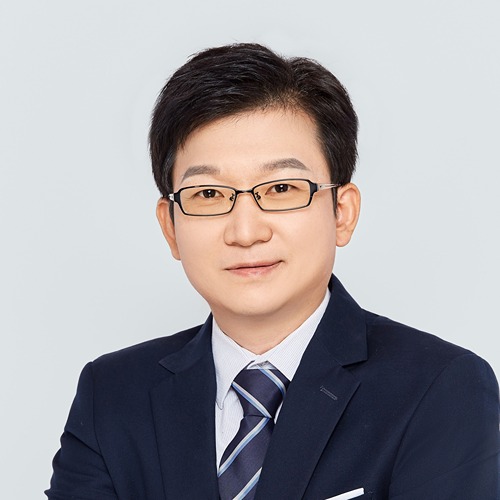
Fan Zhang
Fudan University, China
Fan Zhang received his Ph.D. degree in 2008 in Department of Chemistry, Fudan University. After a postdoctoral fellowship in the University of California, Santa Barbara, he was promoted as Professor in Fudan University in 2013. Till now, he has published more than 100 papers as corresponding/first author, including Cell, Nat. Maters., Nat. Nanotechnol., Nat. Rev. Engineering., Nat. Photonics. with over 35,000 citations, H Index 95. Over 50 papers were selected in ESI "Highly Cited Papaers". He was elected as the fellow of American Institute for Medical and Biological Engineering (AIMBE) and Royal Society of Chemistry in 2023. He was also elected as the New Cornerstone Investigator and the SANS Exploration Scholar in 2025. He won the Asia Special Lecture Award from The Chemical Society of Japan in 2025, the First Prize of Rare Earth Science and Technology Award in 2024, the first prize of Shanghai Science and Technology Awards in 2023, the Xplorer Prize in 2022.
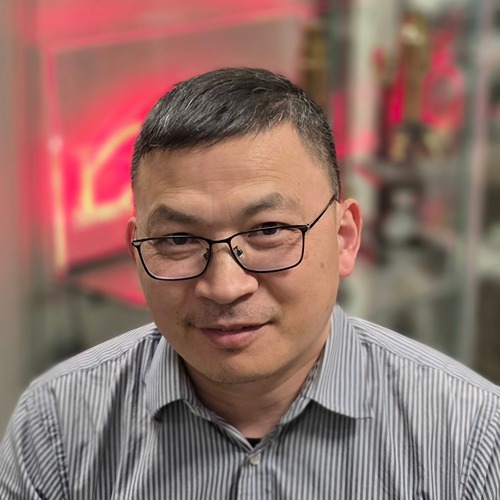
Yuming Liu
University of Wisconsin-Madison, USA
Dr. Liu’s research focuses on data-driven computational microscopy to quantify the role of the collagen-rich tumor microenvironment (TME) in cancer invasion and progression. He is a key researcher in LOCI’s efforts to develop "smart" microscopy systems—incorporating multiphoton, second harmonic generation, advanced polarized light, fluorescence lifetime, and hyperdimensional imaging—to study the interactions between collagen fibers and tumor/immune cells. These systems integrate automated open-source hardware control (Micro-Manager/OpenScan) with real-time analysis including deep learning-based methods for image segmentation, denoising, and resolution enhancement. Dr. Liu is the lead developer of a widely utilized open-source TME analysis platform, CT-FIRE/CurveAlign. He is currently expanding the platform’s features in Python to create comprehensive, automated pipelines and provide integration with the next generation of smart microscopes.

Anne Rios
Princess Máxima Center, The Netherlands
Prof. Dr. Anne C. Rios is Professor of Microscopy-driven Human Cancer and Immunotherapy Innovation at Utrecht University and a research group leader at the Princess Máxima Center for Pediatric Oncology and Oncode institute. Her lab develops advanced 3D imaging, organoid-based models, and computational approaches to study cancer progression and immunotherapy response. Her work focuses on visualizing how tumour and immune cells interact in space and time, with the goal of designing therapeutic strategies that are better adapted to tumour architecture and the dynamic nature of cancer. She has received several major recognitions, including an NWO Vici grant, ERC Starting Grant, St. Baldrick’s Robert J. Arceci Innovation Award and the L’Oréal-UNESCO For Women in Science Award.
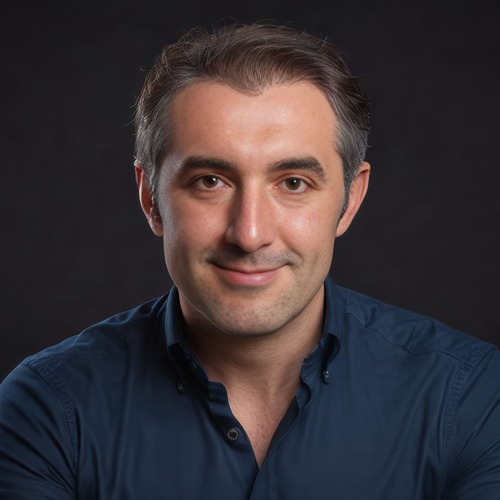
Ali Ertürk
Helmholtz Zentrun München, Germany
Prof. Dr. Ali Maximilian Ertürk is Director of the Institute for Intelligent Biotechnologies at Helmholtz Munich and Professor at LMU Munich. His research focuses on developing advanced tissue clearing, whole-body fluorescence microscopy, and AI-based image analysis technologies to study mammalian biology at cellular resolution. His laboratory has pioneered several DISCO tissue clearing and deep learning methods that enable the visualization and quantitative analysis of intact organs and entire organisms. He is also the founder and CEO of Deep Piction, a biotech company using cell-level whole-body imaging and AI to develop new therapeutics.