


Organized by Southern Marine Science and Engineering Guangdong Laboratory (Guangzhou), Institute of Smart Marine Science and Engineering, Guangdong University of Technology, Nature Sensors,Nature Microbiology, Nature Reviews Earth & Environment, Nature Communications, and Communications Earth & Environment / Communications Sustainability.
The conference will explore the frontiers of marine sensing and digital ocean science. The program will bring together oceanographers, engineers, data scientists, and environmental researchers from both academia and industry. It will highlight cutting-edge developments in in situ and remote sensing, autonomous marine robotics, and deep-sea observation systems, with sessions spanning deep-sea exploration, eco-environmental sensing, marine methane monitoring, and digital ocean modelling. The conference will also address critical challenges, including sensor calibration and validation, large-scale data integration, and the deployment of robust technologies in extreme and remote marine environments.
Register Now Submit AbstractDeadline: Nov.15, 2026 Contact Us
Event details
Keynote Speakers
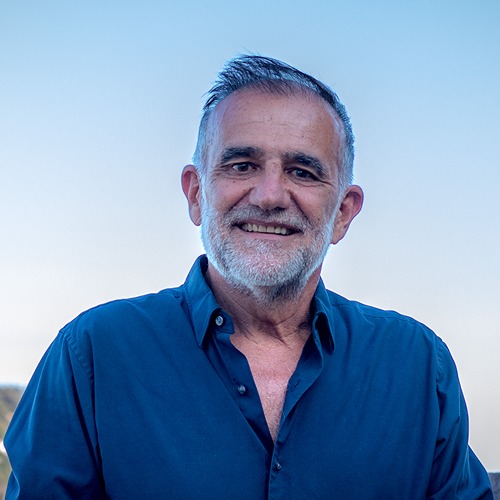
Hervé Claustre
CNRS, France
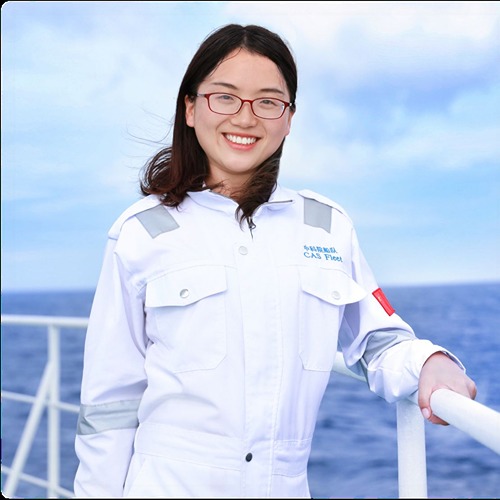
Jingchun Feng
Institute of Smart Ocean Science and Engineering at Guangdong University of Technology
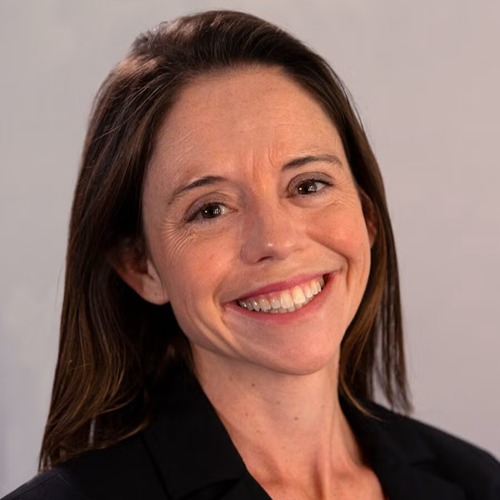
Naomi Levine
University of Southern California, USA
Naomi M. Levine is the Gabilan Distinguished Professor of Science and Engineering at the University of Southern California where she holds joint appointments in Marine and Environmental Biology and Earth Sciences. She is currently the chair of the Department of Marine and Environmental Biology. Dr. Levine received her BA in Geosciences from Princeton University and her PhD in Chemical Oceanography from the MIT-WHOI Joint Program. Dr. Levine's research focuses on understanding the interactions between climate and marine microbial ecosystem composition and function. The Levine Lab is developing innovative, interdisciplinary numerical models that allow them to understand how dynamics occurring at the scale of individual microbes impact large-scale ecosystem processes such as rates of global carbon cycling. Dr. Levine is an Alfred P. Sloan Research Fellow, Simons Foundation Early Career Investigator, NSF CAREER recipient, and Simons Foundation Investigator in Aquatic Microbial Ecology.
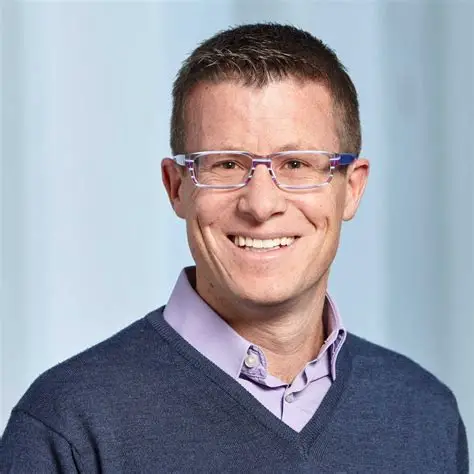
Roman Stocker
ETH Zurich, Switzerland
Roman Stocker is a Professor of Environmental Engineering at ETH Zurich. He is internationally recognized for pioneering the study of microbial dynamics in aquatic environments through microfluidics, high-resolution imaging, and mathematical modeling. His work explores bacterial motility, chemotaxis, and the physical ecology of the microscale.
Speakers
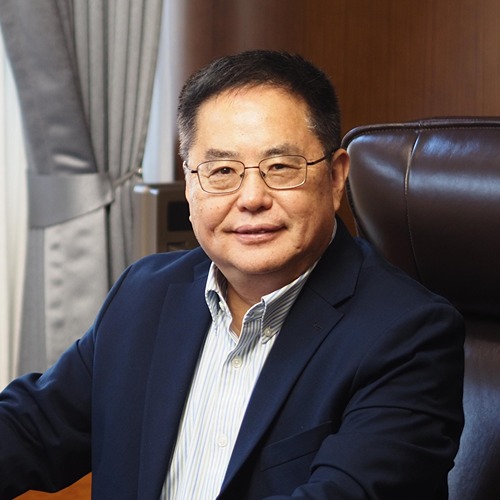
Fei Chai
Xiamen University, China
Prof. Fei Chai received his Ph.D. in Biological Oceanography from Duke University in 1995. He currently holds the Tang Shifeng Chair Professorship at Xiamen University and serves as Deputy Director of the Fujian Ocean Innovation Center. He was named to the National Distinguished Overseas Talent Program in 2018 and selected as a Fujian Provincial Hundred Foreign Experts fellow in 2026. From 1994 to 2021, he was on the faculty of the University of Maine, where he served as Dean of the School of Marine Sciences (2012–2015) and was appointed Professor Emeritus in 2021. From 2016 to 2022, he also directed the State Key Laboratory of Satellite Ocean Environment Dynamics at the Second Institute of Oceanography, MNR. He has led or contributed to more than 40 large-scale interdisciplinary research projects and serves as a review expert for numerous national and international funding agencies and major research programs.
His research centers on physical–biogeochemical and ecological dynamics. He has developed world-leading coupled ocean hydrodynamic–ecological models that provide essential tools for simulating and predicting marine environments and ecosystems. Through these models, he has clarified how climate change modulates carbon cycling across the Pacific and its marginal seas. By integrating BGC-Argo in-situ measurements with satellite remote-sensing data, his team has revealed the effects of mesoscale physical processes and extreme events on upper-ocean ecosystems. His CoSiNE ecological model has been widely adopted worldwide for marine ecosystem modeling and forecasting, exerting far-reaching scientific influence.
Prof. Chai holds several leadership positions in international marine science initiatives, including Co-Chair of the UN Ocean Decade Digital Twins of the Ocean (DITTO) programme, Board Member of the Partnership for Observation of the Global Oceans (POGO), Co-Chair of the Tropical Pacific Observing System (TPOS), Vice Chair of the Northwestern Pacific Ocean Circulation and Climate Experiment (NPOCE), Scientific Committee Member of the BGC-Argo Program, and Co-Chair of the OceanObs'29 Program Committee.
He has published over 240 peer-reviewed papers in leading journals, including Science, Nature Reviews Earth & Environment, and Geophysical Research Letters. His work has attracted nearly 15,000 citations, with an h-index of 66 (Google Scholar).
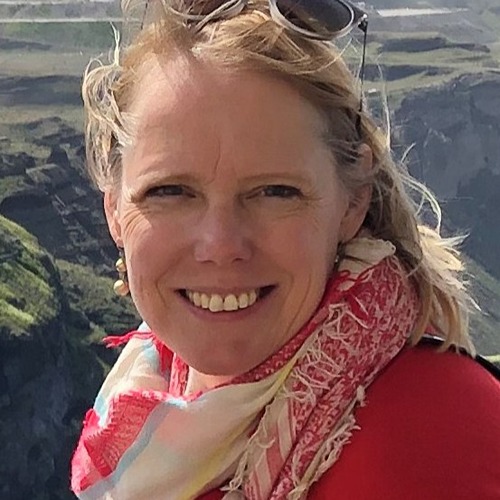
Heidi Dierssen
University of Connecticut, USA
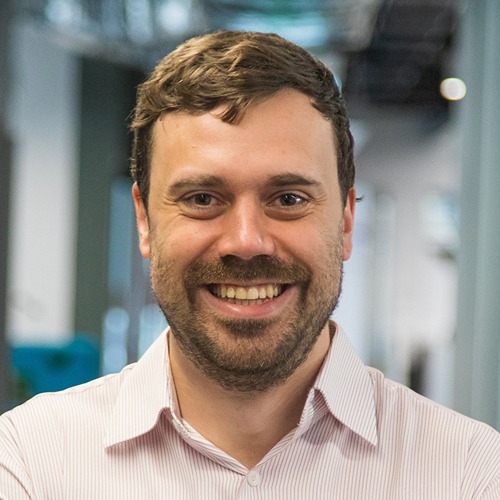
Tobias Fischer
Queensland University of Technology, Australia
Dr Tobias Fischer is a Senior Lecturer (US equivalent: Associate Professor) and ARC DECRA Fellow at the Queensland University of Technology, where he is a Chief Investigator in the QUT Centre for Robotics. His research develops robust, efficient perception and localisation systems for robots operating in challenging environments, with a particular focus on underwater perception, bio-inspired robotic vision, and neuromorphic computing. He has secured more than AUD $6M in research funding, including major projects with the Reef Restoration and Adaptation Program, a CRC-P with Emesent, the Queensland Quantum Technologies Talent Building Program, Intel Labs, and Amazon.
Dr Fischer obtained his PhD from Imperial College London, which received the UK Best PhD in Robotics Award. He has published more than 70 papers in leading venues including Science Robotics, IEEE TPAMI, IEEE T-RO, AAAI, CVPR, IJCAI, and ICRA, and his work has received several best paper and best poster awards. He was named one of Queensland’s Top 40 Under 40 and serves the robotics community as an Associate Editor for IEEE Robotics and Automation Letters and as an Area Chair for major robotics conferences including ICRA, IROS, and RSS. He is also a co-chair of the IEEE Robotics and Automation Society Women in Engineering Committee, where he supports initiatives to improve gender diversity and inclusion in robotics and automation.
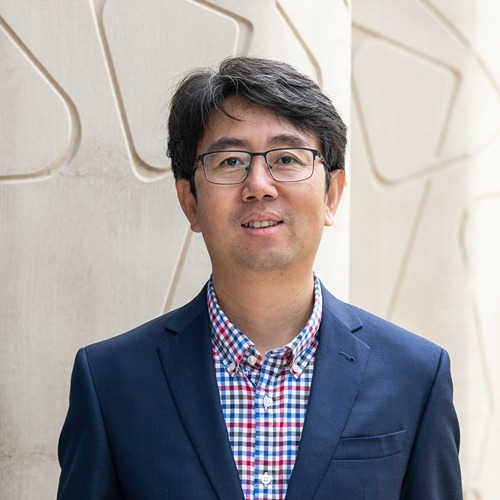
Jianhua Guo
The University of Queensland, Australia
Prof Guo is Deputy Director – Research at the Australian Centre for Water and Environmental Biotechnology, The University of Queensland. His research focuses on the spread of antimicrobial resistance (AMR) in natural and engineered water systems. He is internationally recognized for discovering that non-antibiotic pharmaceuticals/chemicals contribute to the spread of AMR. This ground-breaking finding drastically changed our understanding of AMR transmission, and has been covered by over 300 mainstream media outlets, including Nature News, ABC News, and Science Daily. His research output and achievements have been recognized through national and international awards or fellowship, including 2017 Australian Research Council Future Fellowship. He is a Clarivate Highly Cited Researcher, and an Editor of Water Research.
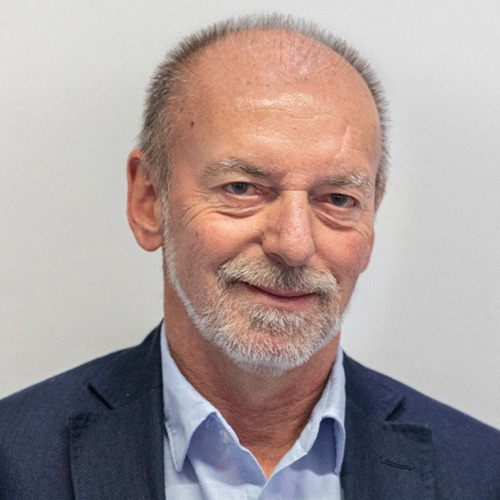
Gerhard J. Herndl
University of Vienna, Austria
Gerhard J. Herndl is Professor of Aquatic Biology at the Department of Functional and Evolutionary Ecology at the University of Vienna, Austria, since 2008. Prior to that, he was Head of the Department at Biological Oceanography at the Royal Netherlands Institute for Sea Research (NIOZ) in the Netherlands and Professor of Biological Oceanography at the University of Groningen from 1999-2009. His research group investigates the carbon cycle in the ocean and the role of organisms in the nutrient cycling in the present and future ocean. Gerhard J. Herndl has published more than 320 papers in peer-reviewed scientific journals. His research has been funded by the European Research Council with two Advanced Grants, he received the Wittgenstein Prize of the Austrian Science Fund (FWF), considered the Austrian Nobel Prize, the G. E Hutchinson Award of ASLO and is member of the Austrian Academy of Sciences.
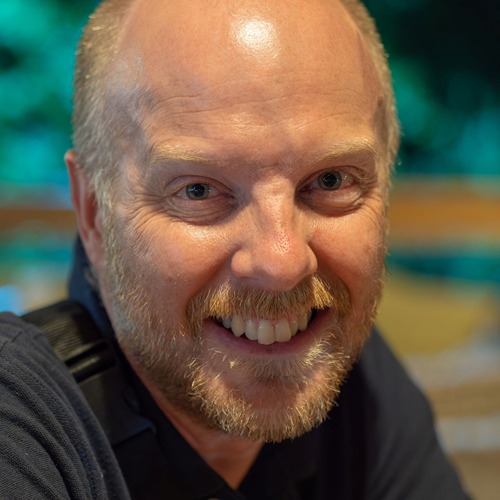
John Jamieson
University of Ottawa, Canada
John Jamieson is a Professor and the Canada Research Chair in Marine Geology at the University of Ottawa, Canada, and Chair of the Canadian Consortium for Ocean Drilling. His research focuses on submarine hydrothermal systems, marine mineral resources, and deep-sea exploration. He employs diverse scientific approaches, ranging from petrography and geochemistry to geophysics, robotics, and novel deep-sea survey and mapping technology to investigate the mineral resource potential of the seafloor and environmental aspects associated with deep-sea mining. Before joining the University of Ottawa, John was an Associate Professor and Canada Research Chair in Marine Geology at Memorial University of Newfoundland from 2016 to 2025. He received his B.Sc. from the University of Alberta in 2002, M.Sc. from the University of Maryland in 2005, and Ph.D. from the University of Ottawa in 2013. He completed a post-doctoral fellowship at GEOMAR Helmholtz Centre for Ocean Research in Kiel, Germany between 2013 and 2015.
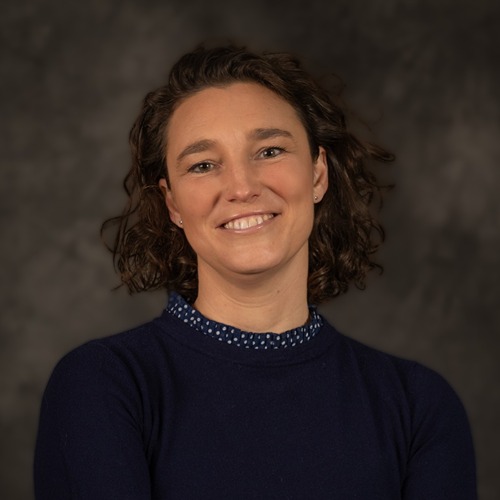
Griet Neukermans
Ghent University, Belgium
Prof. Griet Neukermans is an Associate Research Professor at Ghent University (Belgium) and Head of the MarSens (Marine Optics and Remote Sensing) research group, MarSens. Her research focuses on the development and application of innovative optical sensing technologies to study planktonic ecosystem dynamics and the ocean’s biological carbon pump. Her work bridges sensor engineering, field observations, autonomous ocean technologies, and satellite remote sensing to support next-generation ocean observing systems for climate and ecosystem research. As Principal Investigator of the European Research Council (ERC) project CarbOcean, she currently leads the development of novel optical sensors for measuring particulate inorganic carbon (PIC) in seawater, with targeted deployment on BGC-Argo floats, aiming to advance autonomous observations of the biological carbon pump.
Prof. Neukermans obtained BSc and MSc degrees in Applied Mathematics and an MSc in Oceans and Lakes from the Vrije Universiteit Brussel (Belgium), followed by a PhD in Physics from the Université du Littoral Côte d’Opale (France). She subsequently held postdoctoral positions at the Scripps Institution of Oceanography (USA), Laval University (Canada), and Sorbonne University’s Laboratoire d’Océanographie de Villefranche (France), supported by prestigious Banting and Marie Skłodowska-Curie fellowships. She has received several national and international distinctions for her contributions to ocean optics, remote sensing of marine environments, and ocean observation technologies.
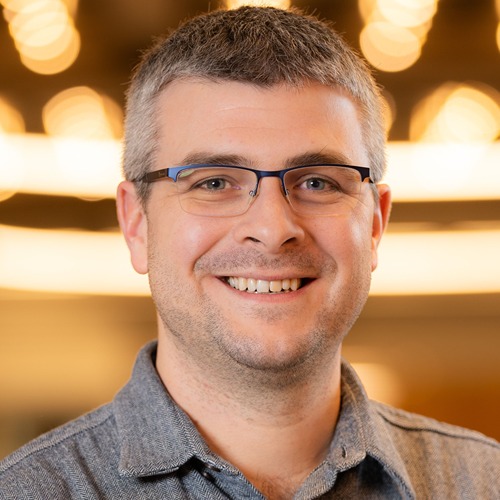
Vincent Lecours
University of Quebec, Canada
Vincent Lecours is a full professor of applied geomatics at the Université du Québec à Chicoutimi (Québec, Canada). He previously served as a professor of marine remote sensing and geospatial analysis at the University of Florida (Florida, United States – 2017-2022), where he founded a marine geomatics laboratory. He holds a bachelor’s degree in geomatics applied to the environment from the Université de Sherbrooke (Québec, Canada – 2011) and a Ph.D. in geography from Memorial University of Newfoundland (Newfoundland and Labrador, Canada – 2016).
His primary research areas are marine habitat mapping and marine geomorphometry, and most of his projects combine geomatics, including optical and acoustic remote sensing, and marine ecology. His team uses geospatial technologies and geomatics theories to improve methods for collecting and analyzing data on marine and coastal environments. Enhancing our understanding of these environments better informs and guides decision-making in contexts like conservation, restoration, and resource management. He has worked on study sites located in the Atlantic, Pacific, Indian, and Antarctic Oceans, as well as the Gulf of Mexico, and is currently developing a research program focused on the Saguenay Fjord, the Gulf of St. Lawrence, and the St. Lawrence Estuary in Canada.
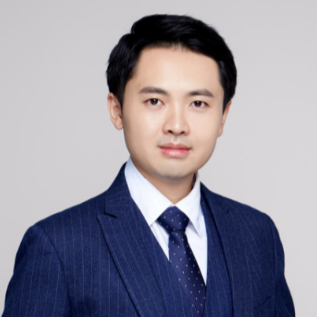
Tiefeng Li
Zhejiang University, China
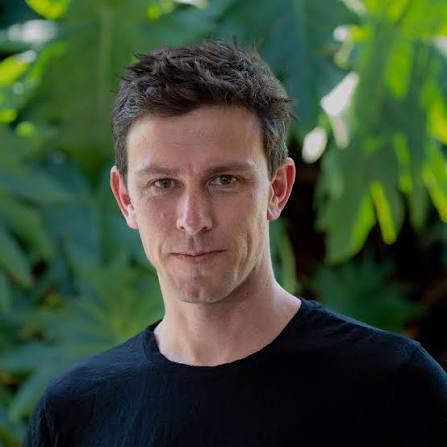
Nicholas Murray
James Cook University, Australia
Professor Nicholas Murray is an Australia-based research scientist and Professor in the College of Science and Engineering at James Cook University (JCU). He is the Lead Scientist of the Global Ecosystems Atlas initiative and a current member of several international advisory boards related to global ecosystem knowledge and conservation (see CV). Before joining JCU in 2019, Nick was an Australian Research Council (ARC) Discovery Early Career Research Award Fellow and held research positions at the Centre for Biodiversity and Conservation Science (UQ), the Earth Observation Research Centre (UQ) and the Centre for Ecosystem Science (UNSW). Nick is a leading ecologist and remote sensing scientist with over 80 research publications focused on advancing a global understanding of the status and distribution of ecosystems, quantitative methods in earth observation, conservation science and coastal ecosystem dynamics. Nick developed some of the first high-resolution global datasets on the distribution and change of the world's coastal ecosystems, including tidal flats and saltmarshes, developed the Global Intertidal Change global coastal ecosystem monitoring system, led the scientific development of the Global Ecosystems Atlas, and has contributed to high-profile ecosystem monitoring programs such as Global Mangrove Watch and Allen Coral Atlas. His research has been published in journals including Nature, Science, Proceedings of the National Academy of Sciences, Trends in Ecology and Evolution, Nature Geoscience, and Nature Ecology and Evolution and his software, which includes Remap and the Redlistr R package, has been used by over 80,000 users from >170 countries. Nick has received numerous awards, including an ARC DECRA Fellowship, a Queensland-Smithsonian Fellowship, an Australian Museum Eureka Prize (as part of the IUCN Red List global science team), selection as Australia's nominee for the APEC Science Prize for Innovation, Research and Education (ASPIRE Prize), IUCN Commission on Ecosystem Management Young Professional Award, JCU Award for Excellence in Research and a Google GEO for Good Impact Award for work on global coastal ecosystems.
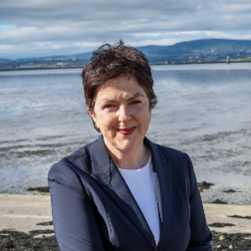
Fiona Regan
Dublin City University, Ireland
Fiona Regan is Full professor in Chemistry at the School of Chemical Sciences in Dublin City University and is Founder and Director of the DCU Water Institute.
Fiona obtained her PhD in Analytical Chemistry in 1994 at DCU after which she took up her first academic position at Limerick Institute of Technology. In 2006 she joined the School of Chemical Sciences in DCU and took on the award of Beaufort PI in Sensors and Communications Technology and coordinator of SmartBay Ireland (2009-2016) – Ireland’s marine test and demonstration platform.
Fiona has served as a scientific and technical advisor with the WaterJPI for 6 years and she is the chair of the Scientific and Technical Advisory Board of the Water4All Partnership. Fiona is the current chair of the Royal Irish Academy’s Climate Change and Environmental Science Committee, a role she took up in 2023. Fiona serves as a member of the scientific committee of the Food Safety Authority of Ireland. Fiona’s research interests include water monitoring using new bio-and chemical sensing technologies, eDNA, marine and freshwater contaminants of concern and climate-related water quality impacts.
She has >200 published works including journal articles, abstracts, books and book chapters, has a h-index of 49 (Google Scholar) and has mentored >35 graduate students in topics of material science, sensing and water science.
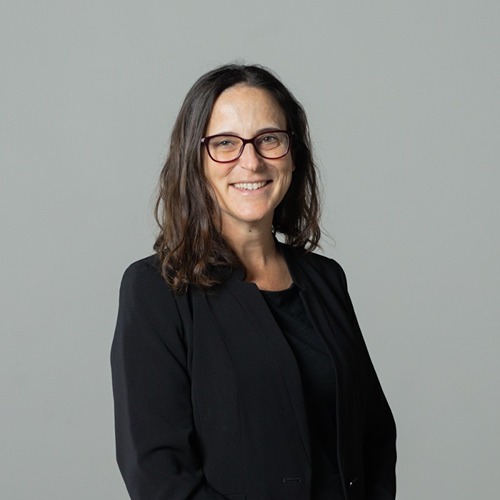
Julie Robidart
National Oceanography Centre, UK
Julie is the Head of Ocean Technology and Engineering at the National Oceanography Centre in Southampton. She has been working on marine 'omics' for 25 years in the US, Australia and UK. Her work centres around scaling marine observations, developing a suite of new deployable technologies to broaden the time, space and taxonomic coverage for marine organisms. She's an Executive Board Member of the Ocean Biomolecular Observing Network (OBON), a member of the EMB Working Group on "Biomolecular approaches to the observation and management of marine life," and Global Ocean Observing System (GOOS) BioEco Panel Expert: Lead author of the Microbial Biomass and Diversity EOV Specification Sheet.
Yu Jun Tan
National University of Singapore (NUS), Singapore
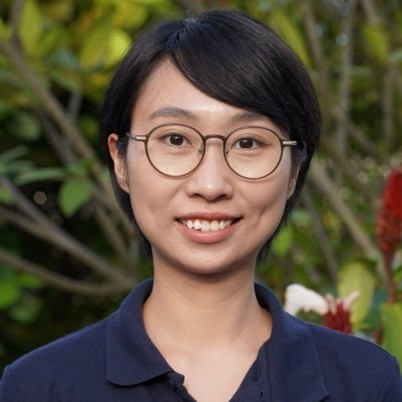
Yu Jun Tan (National University of Singapore, NUS) is an Assistant Professor in the Department of Mechanical Engineering, where she is a PI at both the NUS Centre for Additive Manufacturing (AM.NUS) and the Advanced Robotics Centre (ARC).
Dr. Tan’s research integrates materials science, mechanics, and bioengineering to develop next-generation bio-derived, bioinspired and biohybrid materials for biorobotics. Her group investigates the processing, deformation, and functional behaviours of soft materials (such as bio-based polymers, gels, and living tissues) with particular emphasis on self-healing, electro-mechanical behaviours, and large-deformation mechanics. By linking fundamentals with sustainable design, her work advances the development of adaptive, self-powered, and eco-responsible machines. She has published over 40 peer-reviewed papers in top-tier journals, including Nature Materials, Nature Electronics, Nature Communications, Science Robotics, Science Advances, and Advanced Materials. Her publications have been featured on journal covers and highlighted in the media. She is a recipient of the MIT Technology Review’s “Innovators Under 35” Asia Pacific 2021 (Pioneer), MRS postdoctoral award, and Science, She Say! Award.
Nan Wu
British Antarctic Survey (BAS), UK
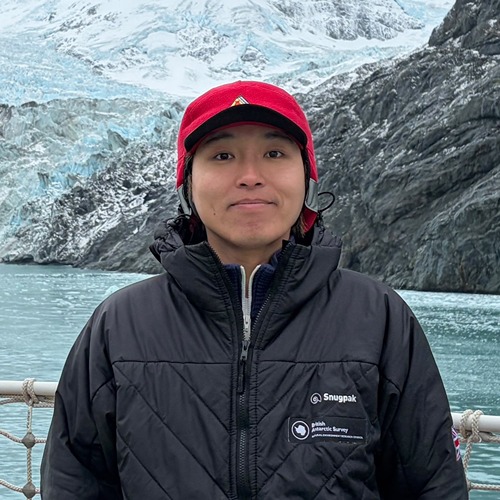
Dr Nan Wu is a marine ecological modeller at the British Antarctic Survey (BAS) whose research centres on particle dynamics in the ocean, integrating field observations, laboratory experiments, meta-analysis and numerical modelling. His main research interests are microplastic pollution and the marine biological carbon pump. He is particularly interested in how microplastics, as anthropogenic particulate matter, interact with natural suspended particles and biological aggregates. During his PhD at Queen Mary University of London, he investigated how these interactions influence the aggregation, settling and transport of microplastics across aquatic environments, from coastal waters to the open ocean. Later, at BAS, he extended this work to explore how microplastics and other anthropogenic stressors may alter the sinking and fragmentation of marine aggregates and faecal pellets, with consequences for carbon export to the deep ocean.
His broader work addresses marine particle dynamics, ecosystem functioning and the biological carbon pump in polar regions, particularly the Scotia Sea in the Antarctica and Baffin Bay in the Arctic. He examines how sea-ice dynamics influence phytoplankton blooms, marine snow formation and zooplankton-derived particles, and how these processes regulate carbon transport through polar oceans. He is also interested in how anthropogenic stressors interact with these natural particle and biogeochemical pathways.