
Event details
Redefining Healthcare in the Age of AI, a Nature Conference, will explore the transformative impact of AI on modern medicine. The program will feature leading voices in healthcare, biomedical research, and digital health, highlighting advances in AI-driven diagnostics, drug development, and clinical decision support. Sessions will also address critical challenges—including data privacy, algorithmic bias, and regulatory frameworks—to ensure that AI technologies are deployed ethically, equitably, and effectively.
Keynote Speakers
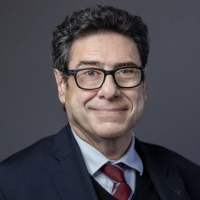
Philippe Aghion
Nobel Prize winner for pioneering research on "innovation-driven economic growth"
London School of Economics
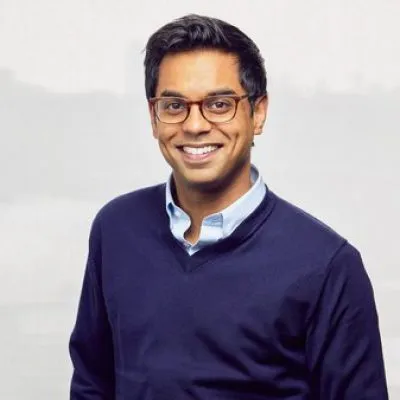
Alan Karthikesalingam
Expert in medical foundation models and LLM-based clinical reasoning
Google DeepMind

Al Roth
Computational Intelligence and organ allocation on a global scale
Stanford University
|
|
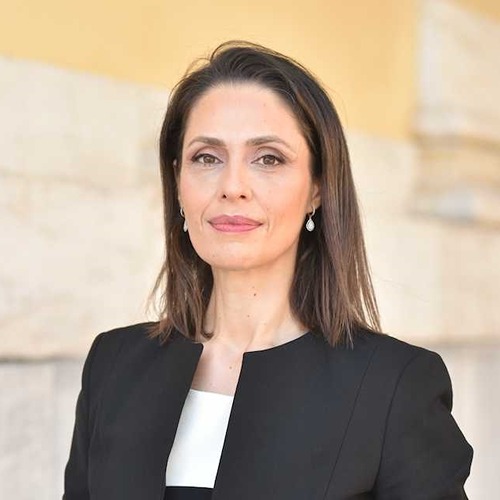
Effy Vayena
Expert in digital health ethics and policy
ETH Zurich
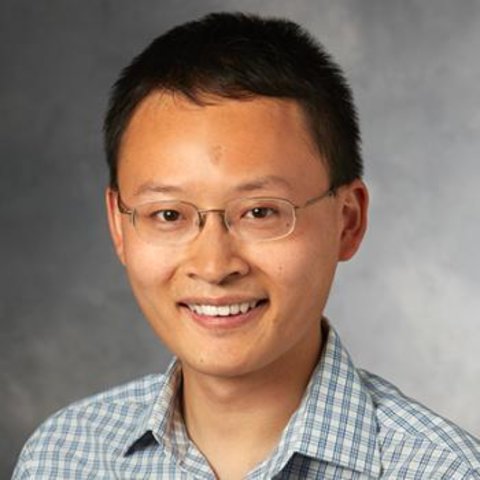
James Zou
Expert in deployment of statistical AI in medicine
Stanford University
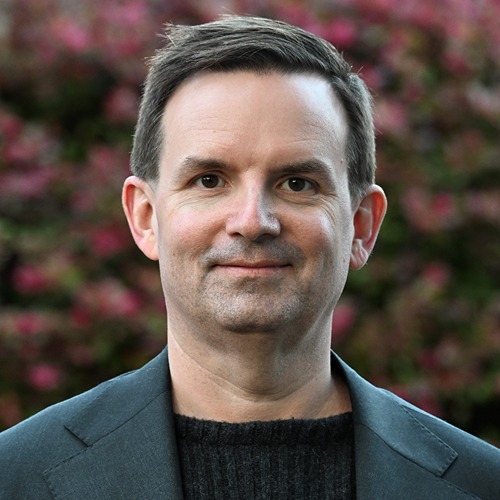
Michael D. Howell
Dr. Howell is the Chief Health Officer at Google, expert at the intersection of artificial intelligence and health, specializing in improving the quality, safety and efficiency of health syst
Dr. Howell is the Chief Health Officer at Google, where he leads the team of health professionals guiding the company to bring the best of Google's technology to the world of health to help everyone, everywhere find health on their own terms. An expert at the intersection of AI and health, his career has focused on improving the quality, safety, experience, and value of health and healthcare across health systems and consumer health. Prior to Google, he was an Associate Professor of Medicine at Harvard Medical School and at the University of Chicago, and served as Chief Quality Officer at the University of Chicago Medicine. An active investigator, he has published more than 100 research articles, editorials, and book chapters, and is the author of Understanding Healthcare Delivery Science, one of the foundational textbooks in the field.
Speakers
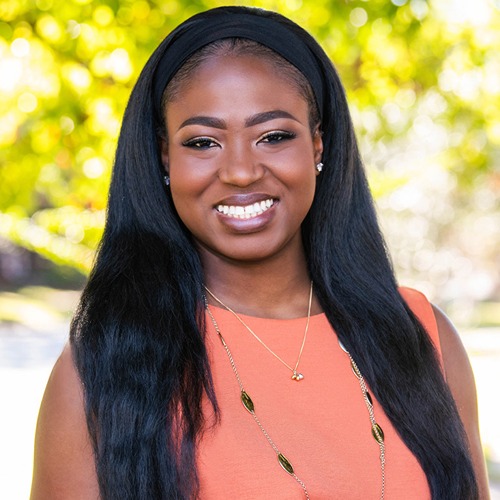
Demilade Adedinsewo
Expert in AI applications in cardiovascular medicine
Mayo Clinic
Thomas Clozel
Expert in AI-driven drug discovery and precision medicine
Owkin
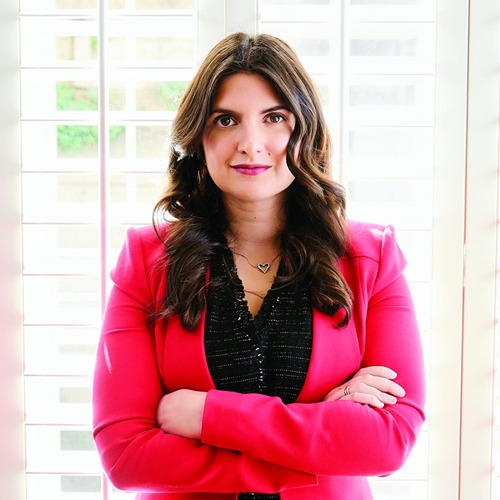
Roxana Daneshjou
Expert in the design and evaluation of AI systems for clinical decision-making
Stanford University
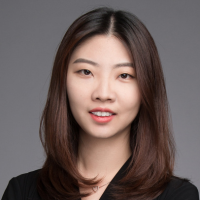
Qi Dou
Expert in medical image analysis and deep learning for healthcare applications
The Chinese University of Hong Kong
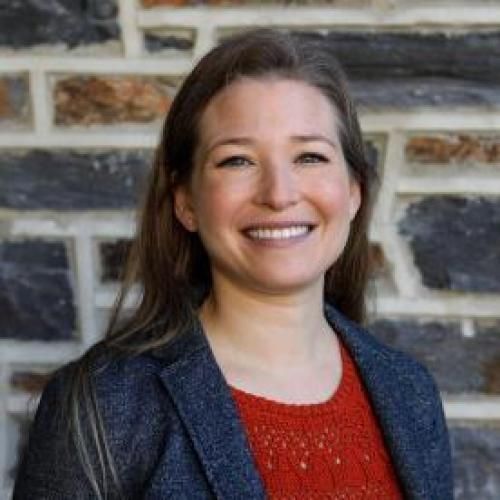
Jessilyn Dunn
Expert in digital biomarkers and AI models on multimodal datasets
Duke University
Jessilyn Dunn, PhD, is an Associate Professor of Biomedical Engineering and Biostatistics & Bioinformatics at Duke University. She directs the BIG IDEAs Lab, which is focused on digital health innovation, wearable sensors, and the development and validation of AI-driven digital biomarkers. Dr. Dunn is the Principal Investigator of research initiatives funded by the NIH, NSF, and FDA which are developing digital biomarkers of conditions ranging from pre- and type 2 diabetes to influenza-like illness to Opioid Use Disorder. She sits on the Google Consumer Health Advisory Panel and is a recipient of the NSF CAREER Award and the IEEE EMBS Early Career Achievement Award for her leadership and innovation across engineering and medicine.
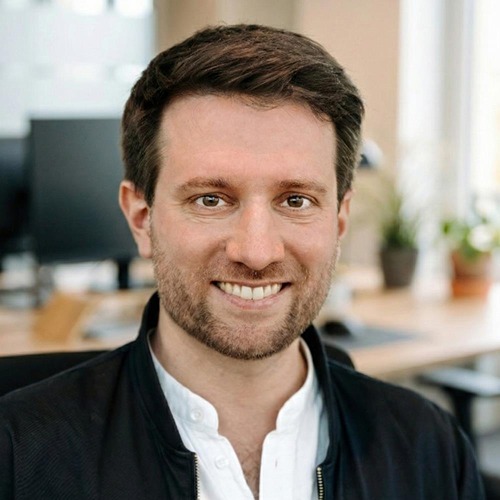
Jakob Kather
Expert in deep learning and foundation models for precision oncology
Heidelberg University, Dresden University of Technology
Jakob Kather is Professor of Medicine and Computer Science at Dresden University of Technology and serves as a senior medical oncologist at University Hospital Dresden. He is also affiliated with the National Center for Tumor Diseases (NCT) in Heidelberg. Prof. Kather’s research focuses on applying AI to precision oncology. His team uses deep learning to analyze clinical data such as histopathology, radiology, text records, and multimodal datasets.
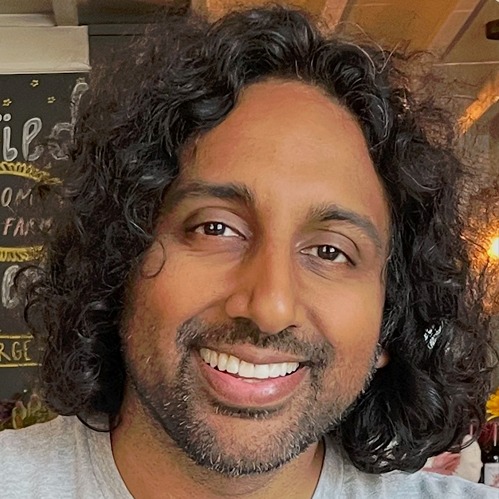
Jayanth Komarneni
Expert in artificial intelligence applied to healthcare
Human Dx
Jay is founder and chair of the Human Diagnosis Project. Human Dx is the world's largest comparative clinical reasoning data set, including over 130,000 medical professionals from more than 100 countries. Previously, Jay: advised organizations at McKinsey & Company and Bain & Company; helped launch and operate Greenoaks Capital Management, a global alternative investment firm; and participated in Y Combinator, the top technology accelerator. He also sits on the board of RCM Technologies (NASDAQ: RCMT), a Russell 2000 company. He has been recognized as a Thouron Scholar, a Luce Scholarship recipient, a Rhodes Scholarship finalist, an MIT Technology Review Innovators under 35 semifinalist, and by the MacArthur Foundation for leading one of eight organizations globally with a bold solution to a critical social problem. Academically, Jay completed five degrees in six years at Oxford and Penn before enrolling in the M.D. program at Johns Hopkins (which he ultimately did not attend).
Kristina Lang
Expert in clinical research on AI-supported mammography screening
LUCC: Lund University Cancer Centre
Faisal Mahmood
Expert in computational pathology and weakly/strongly supervised learning methods
Harvard Medical School
Ciira Maina
Expert in use of digital technologies to improve the healthcare system
Centre for Data Science and AI (DSAIL)
Wiro Niessen
Expert in medical image computing and AI for quantitative imaging in healthcare
Medical School at University of Groningen
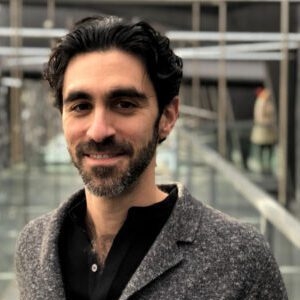
Ziad Obermeyer
Expert in machine learning, clinical care, and health policy
University of California Berkeley
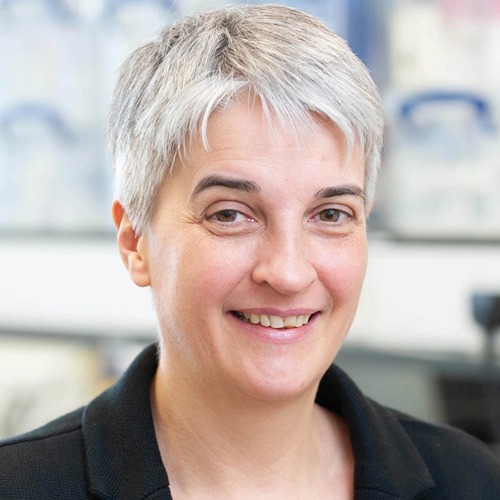
Julia Schnabel
Expert in AI methods for medical imaging
Technical University of Munich & Helmholtz Munich
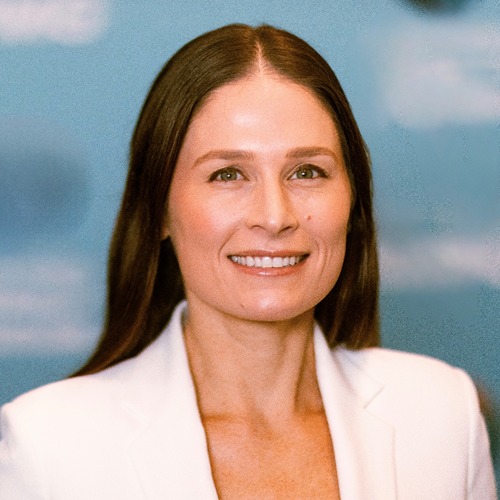
Jacqueline Shreibati
Expert in translating digital health technologies into clinically meaningful and scalable products
Google Research
Dr. Jacqueline Shreibati, MD, is a cardiologist and Clinical Director at Google. She leads a team of health professionals developing personal health coaching and other AI-powered consumer health experiences for Gemini App, Fitbit and Pixel wearables, and the Google Health App. Previously, she served as Chief Medical Officer at AliveCor. Dr. Shreibati is adjunct faculty at Stanford University School of Medicine and practices cardiology at a federally qualified health center. She works on national advocacy with the American College of Cardiology, and she teaches at the Stanford and UCLA Biodesign programs. Dr. Shreibati serves as Chair of the American Heart Association Bay Area Board of Directors. She earned her BA from Columbia University and her MD and MS in Health Services Research from Stanford University.
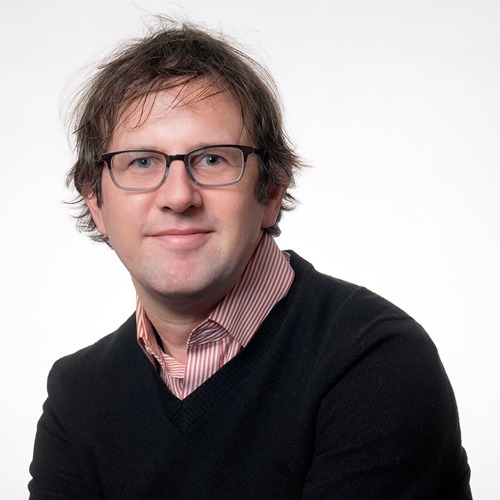
Jake Sunshine
Expert in remote and passive sensing to detect time-critical events
Google Research
Dr. Jake Sunshine is a Research Scientist at Google and Associate Professor at the University of Washington, with appointments in the Schools of Medicine and Paul G. Allen School of Computer Science and Engineering. His research is focused on technology-based translational research, at the intersection of clinical medicine, computer science and public health. His work involves finding ways to use smart devices for critical health sensing to help lessen the burden of public health challenges, particularly related to unwitnessed, time-sensitive emergencies such as cardiac arrest. His research has been funded by NIH, NSF, BARDA, private foundations and industry. His research has been published in Nature, Science Translational Medicine, Circulation, Health Affairs and npj Digital Medicine and covered by the Washington Post, STAT, NPR, Scientific American, Wired magazine and others. His essays on health and technology have been published in local and national media, including Slate and the New York Times. Prior to Google he was the Founder and Chief Medical Officer of Sound Life Sciences, a Seattle-based health sensing startup acquired by Google in 2022.
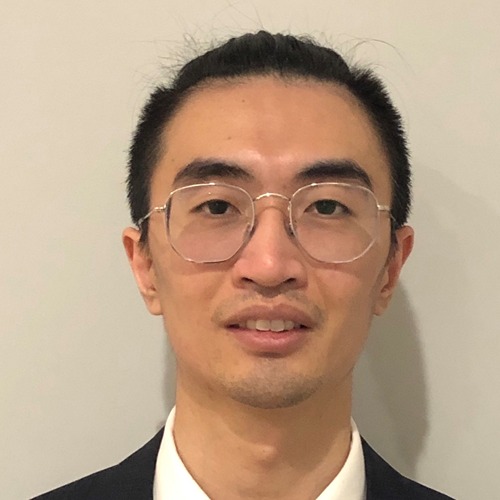
Guangyu Wang
Expert in AI foundation models that integrate multi-omics, pathology, imaging, and clinical informatics
Houston Methodist Research Institute and Weill Cornell Medical College
Dr. Guangyu Wang holds joint faculty appointments at Houston Methodist Research Institute and Weill Cornell Medical College, where he serves as Associate Professor and Director of the Center for Bioinformatics and Computational Biology (CB2). Trained in both mathematics and bioinformatics, his research integrates artificial intelligence with large-scale biomedical data to advance precision medicine in cardiovascular disease and cancer. His laboratory develops multimodal foundation models that connect histopathology, spatial transcriptomics, and multi-omics profiling to decode tissue architecture and cellular state at scale.
At CB2, Dr. Wang leads a cross-disciplinary team of computational scientists and biomedical researchers who design scalable AI systems for tissue analysis, risk stratification, and therapeutic response prediction. His work emphasizes biologically grounded modeling, leveraging foundation models and integrative analytics to translate complex molecular and imaging data into clinically actionable insights.
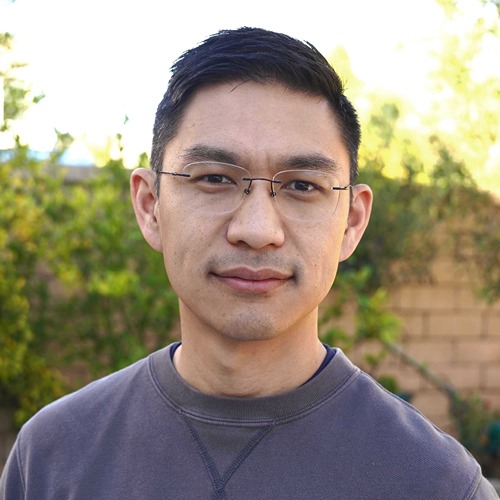
Michael Yip
Expert in learning-enabled robotics for healthcare
University of California at San Diego
Michael Yip is an Associate Professor of Electrical and Computer Engineering at UC San Diego, Director of the Advanced Robotics and Controls Laboratory (ARCLab), and Director of the Healthcare and Medical Robotics Collaboratory at the UCSD Contextual Robotics Institute. His group currently focuses on surgical robots and robot learning.
His research has received several best paper awards and nominations at top robotics and AI conferences, and he has been recognized by the NSF CAREER award, NIH Trailblazer award, and as an IEEE Robotics and Automation Soceity Distinguished Lecturer. Several of his research projects have led to the founding of startups. He was named the Faculty Innovator of the Year at UC San Diego in 2024 and elected into the U.S. National Academy of Inventors.
Dr. Yip was previously a Research Associate with Disney Research in 2014 and a Resident Faculty at Amazon Robotics in 2018. He received a B.Sc. in Mechatronics Engineering from the University of Waterloo, an M.S. in Electrical Engineering from the University of British Columbia, and a Ph.D. in Bioengineering from Stanford University.
Kang Zhang
Expert in AI applications in ophthalmology and medical imaging
Macau University of Science and Technology
Professor Kang Zhang holds an MD from Harvard University, a joint MD from the Harvard Medical School–MIT Health Sciences and Technology program, and a PhD in Genetics from Harvard University. He also served as a resident physician at Johns Hopkins Hospital. Previously, he served as the Founding Director of the Institute for Medical Genetics and as a Distinguished Professor at the University of California, San Diego. He currently serves as Director of the Artificial Intelligence Cross-Disciplinary Research Institute (AI-X) and Vice Dean for Research of the Faculty of Medicine at Macau University of Science and Technology.
Professor Zhang has made significant contributions to several multidisciplinary fields, including medical artificial intelligence, ophthalmology, oncology, molecular genetics, and precision medicine. His work has received more than 98,000 citations, with an H-index of 124, he is a Clarivate Global Highly Cited Researcher in the cross-field category for six years. Professor Zhang has been elected a fellow of several prestigious international academic organizations, including the American Association for the Advancement of Science, the American Institute for Medical and Biological Engineering, the American Society for Clinical Investigation, the Association of American Physicians, the Royal Society of Medicine. He has received numerous honors, including Welcome Clinical Scientist Award in Translational Research, and the Henry Fok Award from the World Chinese Medical Association. He has also been recognized among the World’s Top 100 Ophthalmologists. He holds more than 20 granted U.S. patents and serves as the founding Co-Editor-in-Chief of Signal Transduction and Targeted Therapy.
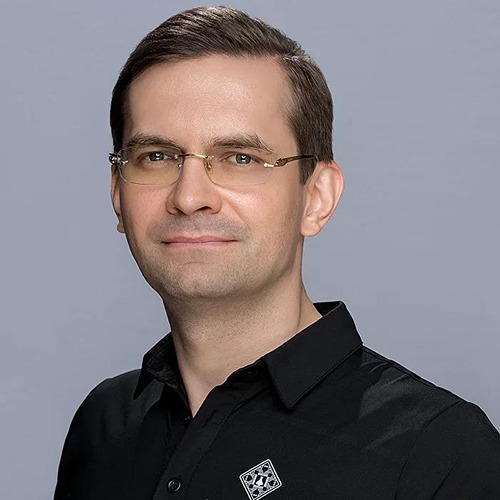
Alex Zhavoronkov
Expert in AI-powered drug discovery and aging research
Insilico Medicine
Alex Zhavoronkov, PhD, is the founder, CEO and CBO of Insilico Medicine (HKEX:3696), a leading clinical-stage biotechnology company developing next-generation generative artificial intelligence and automation platforms for drug discovery. Since 2014, he has invented critical technologies in the field of generative artificial intelligence and reinforcement learning (RL) for the generation of novel molecular structures with the desired properties and the generation of synthetic biological and patient data. Under his leadership, Insilico raised over $530 million in multiple private rounds from expert biotechnology, healthcare, and financial investors, opened R&D centers in 8 countries and regions, and partnered with multiple pharmaceutical, biotechnology, and academic institutions. Since 2021, the company nominated more than 27 preclinical candidates, 11 reached clinical stage, and 1 program with a novel target and novel molecule completed Phase IIa in IPF with favorable safety, tolerability and encouraging dose-dependent efficacy.
Since 2012, he has published over 300 peer-reviewed research papers and 3 books. He serves on the advisory or editorial boards of Trends in Molecular Medicine, Aging Research Reviews, Aging, and Frontiers in Genetics, and founded and co-chairs the Annual Aging Research and Drug Discovery (12th Annual in 2025). He is the adjunct professor of artificial intelligence at the Buck Institute for Research on Aging.
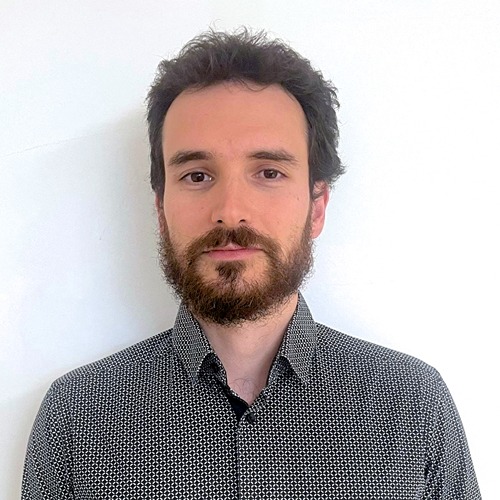
Marc Raynaud
AI in organ transplantation and clinical trials
PITOR Institute
Marc Raynaud is the lead scientist of the Paris Institut of Transplantation and Organ Regeneration. He is a researcher and methodologist specializing in artificial intelligence applied to medicine.
His research focuses on developing diagnostic and prognostic prediction models for clinical outcomes in organ recipients.
Currently, Marc Raynaud is advancing innovative strategies to integrate Large Language Models into medical research and practice. He is also developing Meta Science approach to organ transplantation, offering a holistic perspective on risk of bias, research themes, clinical practices, transparency, and quality.
Early Career Presenters
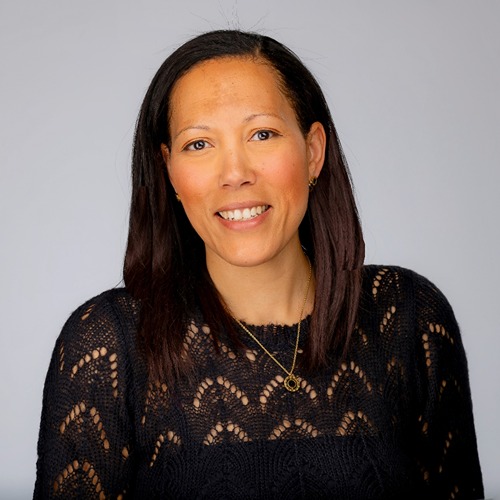
MaryAnn Ferreux
Health Innovation Kent Surrey and Sussex
MaryAnn is the Chief Medical Officer at Health Innovation Kent Surrey and Sussex, and an award-winning doctor and thought leader with over 20 years of international experience in Australia and the UK. She is an NHS Non-executive Director for Kent Community Trust and Honorary Professor at Kent Business School. Her work spans digital innovation, clinical transformation and population health.
Known as a positive disruptor, MaryAnn drives sustainable change, develops innovative models of care, and champions equity and inclusion to improve patient experience and outcomes. As an international speaker on health equity, she leads projects tackling digital exclusion, advancing women’s health, and embedding equity in health policy and innovation.
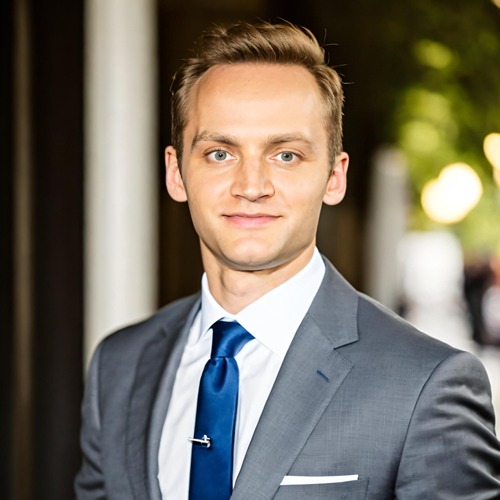
Austin Schoeffler
Stanford University
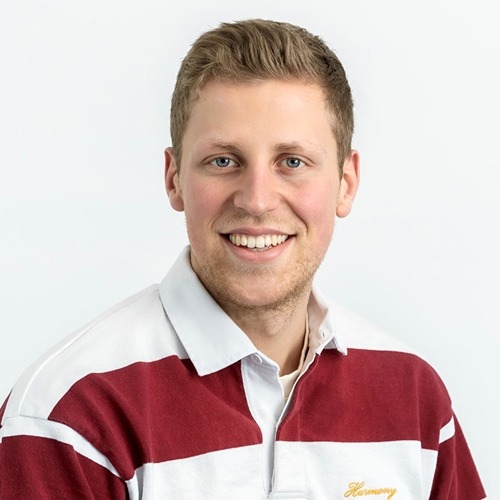
Moritz Knolle
Technical University of Munich (TUM),
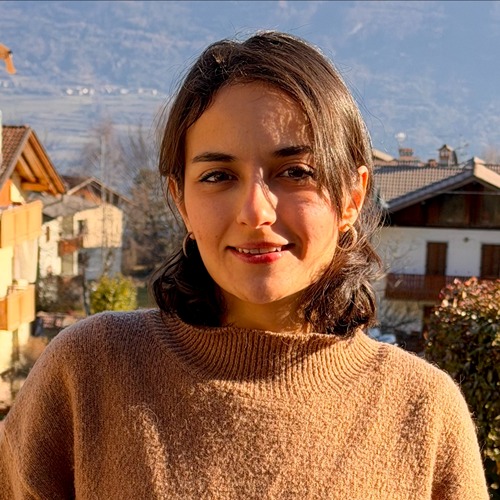
Saina Charkas
University of Twente
Saina Charkas is a PhD candidate in the Biomedical Signals and Systems group at the University of Twente, working within the Stress-in-Action consortium. Her research focuses on integrating multimodal physiological features with personal and contextual factors to develop interpretable and personalized stress assessment models. Her long-term goal is to support clinical decision-making by identifying stress-response patterns that deviate from an individual’s expected healthy range and may warrant further evaluation.
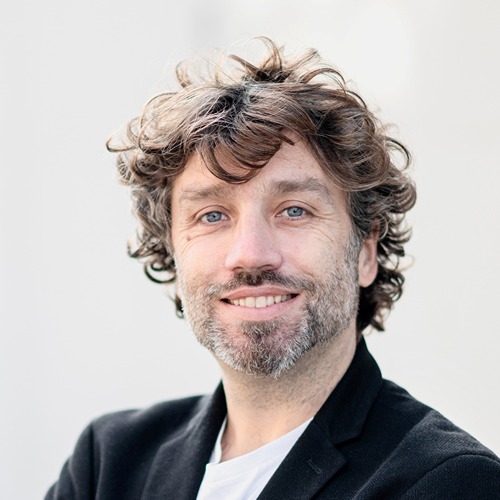
Miguel Luengo-Oroz
Spotlab
Dr. Miguel Luengo-Oroz is a scientist, entrepreneur, policy advisor, and engineering professor committed to imagining, building, and sharing responsible AI for humanity and the planet. He is the founder and CEO of Spotlab.ai, an AI platform advancing universal diagnosis and clinical research worldwide, from neglected tropical diseases to blood cancers. Previously, he served as the United Nations’ first Chief Data Scientist in the Executive Office of the UN Secretary-General, building teams that brought data science and AI to operations and policy in humanitarian response, global health, sustainable development, and human rights. Dr. Luengo-Oroz teaches at Universidad Politécnica de Madrid’s doctoral school and has co-authored +100 multidisciplinary publications on biomedical AI applications and responsible AI. He is also the Scientific Director of the Hermes Foundation for Digital Rights and innovation leader of the EDCTP AI for microscopy consortium MultiplexAI. His honors include Ashoka Fellow, MIT TR35, Obama Foundation Europe Fellow, EU Responsible Research & Innovation Award, Red Cross Innovation Award, and La Caixa Fellow. He holds a PhD and MEng from Universidad Politécnica de Madrid and a MSc from the École des Hautes Études en Sciences Sociales in Paris.
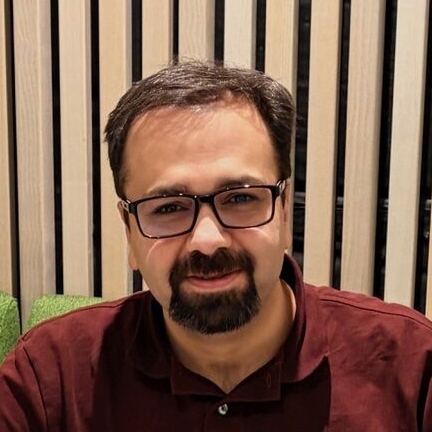
Farhad Abtahi
Karolinska Institutet
Farhad Abtahi is a Senior Research Infrastructure Specialist at Karolinska Institutet, where he manages the SMAILE (Stockholm Medical AI and Learning Environments) core facility, and a Researcher in Medical Technology and Ergonomics at KTH Royal Institute of Technology. His research addresses trustworthy AI in healthcare, including algorithmic bias, diagnostic uncertainty, and the security and post-market governance of clinical AI systems. He is the co-author of the Artificial Intelligence in Healthcare series.
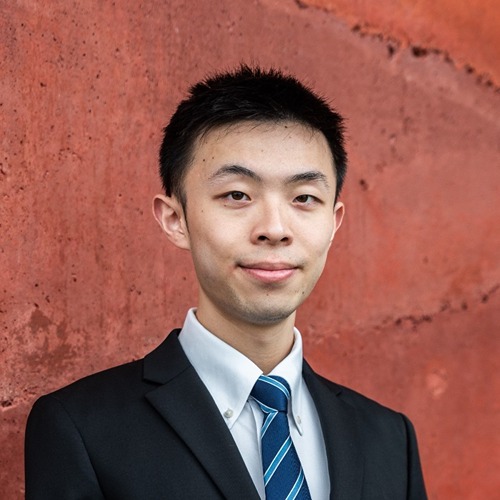
Yixing Jiang
Stanford University
Kameron C. Black
Stanford Health Care
Conference Partners