

Organized by First Affiliated Hospital of Zhejiang University School of Medicine, Nature Medicine, Nature Cancer, Nature Reviews Immunology and Nature Reviews Drug Discovery.
Cancer immunotherapy has transformed the therapeutic landscape in oncology, providing durable benefits for patients across a growing number of malignancies. Nevertheless, key challenges remain, including overcoming mechanisms of resistance and tumour heterogeneity, identifying biomarkers of treatment response, and expanding treatment accessibility.
This Nature Conference, organised by editors from Nature Cancer, Nature Medicine, Nature Reviews Drug Discovery and Nature Reviews Immunology, in partnership with Zhejiang University, will bring together leading researchers and clinicians to explore how advances with multiple therapeutic modalities are leading to next-generation drugs that aim to address these challenges.
Attendees will gain a comprehensive view of progress and challenges with therapeutic platforms spanning antibody-based therapies, engineered cell therapies, cancer vaccines and oncolytic viruses, as well as the evolving translational landscape for the overall field. Join a global community of experts to share knowledge, spark collaborations, and accelerate the development of transformative cancer treatments.
Register Now Submit Abstract Deadline: Mar.21, 2027 Contact Us
Event details
Speakers
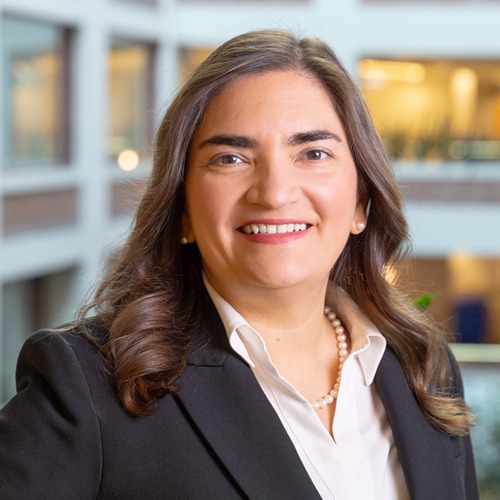
Marcela Maus
Harvard Medical School, USA
Marcela Maus, M.D., Ph.D., is a Professor of Medicine at Harvard Medical School, the Paula O’Keeffe Chair in Oncology, and Director of Cellular Immunotherapy at The Krantz Family Center for Cancer Research, Mass General Brigham Cancer Institute. She is an internationally recognized translational physician-scientist specializing in T-cell and cellular immunotherapies for cancer, with over 230 publications and multiple NIH grants. Her research focuses on human T-cell biology and the clinical translation of engineered T-cell therapies. Dr. Maus trained at MIT, the University of Pennsylvania, and Memorial Sloan Kettering Cancer Center.
Speakers
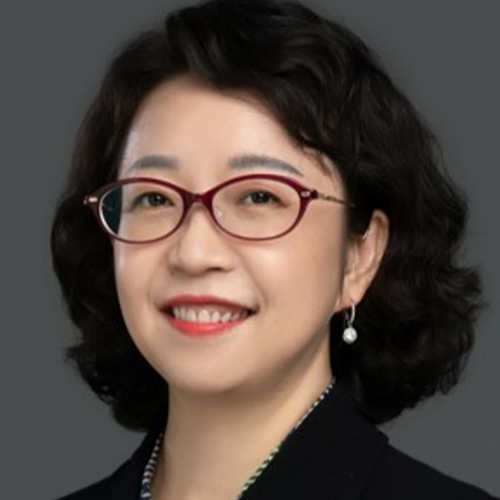
Hongyun Zhao
Sun Yat-sen University Cancer Center, China
Hongyun Zhao, PhD, is a oncologist and Professor at Sun Yat-sen University Cancer Center, where she serves as Chief Physician, PhD supervisor, Director of the Phase I Unit, and Deputy Director of the Department of Clinical Trial Center. With training in oncology at Sun Yat-sen University and visiting scholarship at MD Anderson Cancer Center, she has become a leading figure in precision therapy and innovative drug development for lung cancer. Zhao has spearheaded first-in-human trials of groundbreaking agents such as EGFR/HER3 bispecific ADC, B7-H3 ADC, and ROS1 TKI, many of which progressed to Phase III studies and reshaped global treatment guidelines. Her work has led to landmark publications in Nature Medicine, Lancet Oncology, and Cancer Cell. As principal investigator of major national grants, she has advanced translational strategies to overcome drug resistance. With over 80 SCI papers and multiple national awards, Zhao has established China’s most influential Phase I oncology ward.
Ira Mellman
Parker Institute for Cancer Immunotherapy and Medici Therapeutics, USA
Ira Mellman (FAACR, FAIO) is President of Research at the Parker Institute of Cancer Immunotherapy (PICI) and CSO of Medici Therapeutics, both in San Francisco, California. An expert in cancer vaccines, Ira is a member of the US National Academy of Sciences and former VP of Cancer Immunology at Genentech, Sterling Professor of Cell Biology & Immunobiology at Yale Medical School, and a postdoctoral fellow with Ralph Steinman at The Rockefeller University. Ira is best known for fundamental advances in cell biology and immunology (particularly the discovery of endosomes) and for applying these insights to elucidate the mechanisms of antigen processing by dendritic cells and the basis of PD-1/PD-L1 inhibition; Ira was also responsible for devising the Cancer Immunity Cycle framework. At Genentech, his group discovered or developed four FDA-approved cancer agents, including the anti-PD-L1 antibody atezolizumab (Tecentriq®); he is also credited with initiating the first personalized mRNA cancer vaccine in collaboration with BioNTech and Memorial Sloan Kettering Cancer Center. Ira is the recipient of the 2025 Richard Smalley award of the Society for the Immunotherapy of Cancer and the Lloyd J. Old Award for Cancer Immunotherapy from the American Association for Cancer Research.
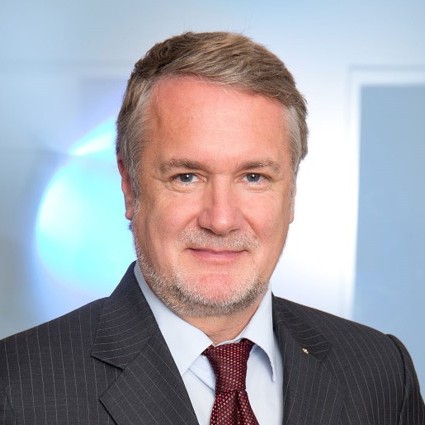
Patrick Baeuerle
Ludwig Maximilian University of Munich, Germany
- Co-founder, Chief Scientific Advisor and Chairman of the Scientific Advisory Board of Cullinan Therapeutics
- Honorary Professor of Immunology at the Institute for Immunology, Ludwig Maximilian University (LMU), Munich
- As former Executive Partner of venture capital firm MPM BioImpact became the co-founder of eight biotech companies in the US and Europe: Harpoon, Maverick, Werewolf, TCR2, Aktis, Crossbow, iOmx and Cullinan
- Leadership roles in new drug discovery at Tularik, Micromet, Amgen, Harpoon, Maverick, Crossbow and Cullinan
- Pioneering work on T cell-engaging antibodies leading to Blincyto as the first FDA-approved, bispecific, T cell-engaging and CD19-targeting antibody
- Seminal research on transcription factor NF-kappaB
- Formerly Professor and Chairman of Biochemistry and Molecular Biology at the University of Freiburg, School of Medicine, Germany
- Formerly Group Leader at the Gene Center, Martinsried, Germany
- Post Doctorate at the Whitehead Institute/MIT, Cambridge, with David Baltimore
- Study of biochemistry at the Universities of Konstanz and Munich
- Hirsch Index of 146
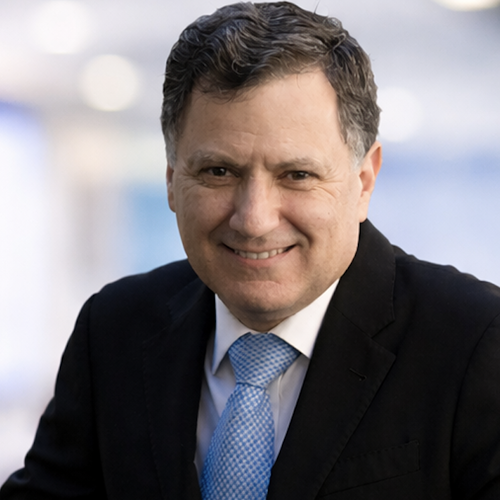
Ignacio Melero
University of Navarra, Spain
Ignacio Melero, MD, PhD, is Professor of Immunology at the University of Navarra, Senior Group Leader at Cima Universidad de Navarra, Co-Director of the Department of Immunology and Immunotherapy, and Kidani Chair of Oncology at the University of Oxford. Over the past three decades, he has established an internationally recognised translational research programme dedicated to understanding how antitumour immunity can be therapeutically generated, amplified, sustained and restored.
Professor Melero is internationally recognised for pioneering the therapeutic development of CD137 (4-1BB) costimulation, from the original proof-of-concept demonstrating tumour rejection with agonistic antibodies to the mechanistic foundations of current tumour-targeted and bispecific CD137 immunotherapies. His research has also defined key mechanisms governing dendritic cell–T-cell interactions, immune resistance to checkpoint blockade, and the clinical translation of immunotherapy for hepatocellular carcinoma. His work continues to shape the development of next-generation antibody-based cancer immunotherapies by integrating fundamental immunology with clinical translation.
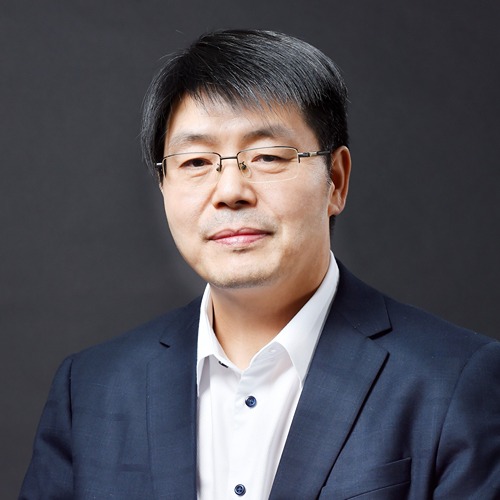
Feng Shao
National Institute of Biological Sciences (NIBS), Beijing, China
Dr. Feng Shao is an investigator and deputy director at National Institute of Biological Sciences (NIBS), Beijing. He was a chemistry undergraduate of Peking University and obtained his PhD from University of Michigan. Before returning to China in 2005 to assume an assistant investigator at NIBS, he was a Damon Runyon Postdoc Research Fellow at Harvard Medical School. Dr. Shao has been appointed as an Endowed Chair Professor of Tsinghua University since 2020 and currently also serves as the Associate Director of Changping National Laboratory and the President of Chinese Society of Biochemistry and Molecular Biology.
Dr. Shao’s research lies at the interface between bacterial pathogen and host immunity. He identified most of the known cytosolic receptors for bacteria, including caspase-11/4/5 for LPS and ALPK1 for ADP-heptose in LPS biosynthesis. He identified gasdermin-D whose cleavage by caspase-1/4/5/11 determines pyroptosis, critical for sepsis and other inflammatory diseases. His work establishes the gasdermin family of pore-forming proteins, re-defining pyroptosis as gasdermin-mediated programmed necrosis.
Dr. Shao has published >100 peer-reviewed articles with the total citation of > 70,000 and an H index of 82. His work has been recognized by numerous awards including the Future Science Prize, William B. Coley Award for Distinguished Research in Basic and Tumor Immunology, HHMI International Early Career Award and the Protein Society Irving Sigal Young Investigator Award. He is an elected member of the Chinese Academy of Sciences and the German National Academy of Sciences Leopoldina, an associate member of EMBO, and a fellow of American Academy of Microbiology and Chinese Academy of Medical Sciences.
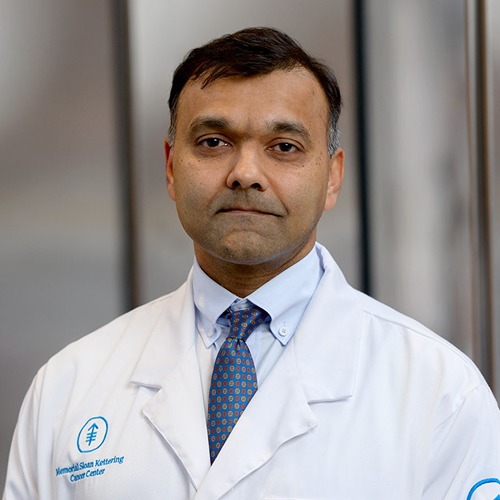
Sarat Chandarlapaty
Memorial Sloan Kettering, USA
Sarat Chandarlapaty is a Physician-Scientist at Memorial Sloan Kettering in New York where he holds the Naddisy Foundation Endowed Chair in Breast Cancer Research. Sarat completed a PhD in Biochemistry from UNC and his MD from Wake Forest University. He went on to residency and fellowship in Oncology at MSK, performing postdoctoral studies in the lab of Neal Rosen.
Sarat has focused his independent research career on understanding the basis for resistance to targeted therapies in cancer. His laboratory discovered and helped characterize mutation in ESR1 as the dominant, acquired mechanism of clinical resistance to aromatase inhibitors and developed oral ER antagonists as modality to overcome resistance. His group has gone on to characterize major forms of resistance to targeted therapies including CDK4/6, PI3K/AKT, and HER2 inhibitors. In recent years his group has investigated mechanisms of resistance to Antibody Drug Conjugates and new strategies to optimize their use.
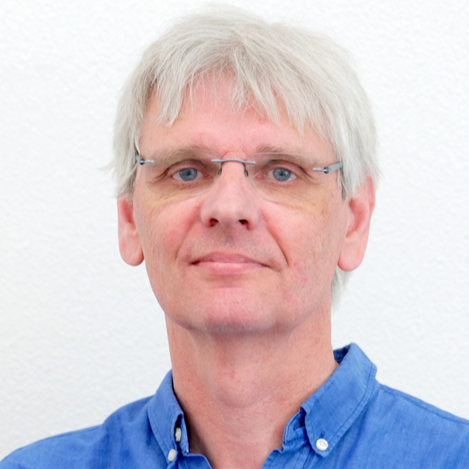
Christian Buchholz
Paul-Ehrlich-Institut, Germany
Christian Buchholz heads the Section of Molecular Biotechnology and Gene Therapy at the Paul-Ehrlich-Institut and is Associate Professor for Biochemistry at the Goethe-University in Frankfurt. Being for more than 20 years active in the field, his research focusses on the engineering of gene transfer vectors to understand their cell entry and improve their applicability in molecular medicine. Making use of T-cell targeted vectors his team provided proof-of-principle for in vivo generated human CAR T cells.
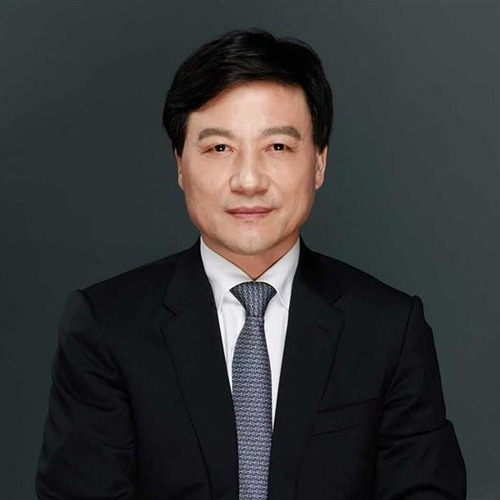
Tingbo LIANG
The First Affiliated Hospital, Zhejiang University School of Medicine, China
LIANG Tingbo, MD, PhD丨Professor, Chief Physician, Doctoral Advisor
President of The First Affiliated Hospital, Zhejiang University School of Medicine; Changjiang Distinguished Scholar by the Ministry of Education; Distinguished Young Scholar of the National Natural Science Foundation of China; recipient of the Ho Leung Ho Lee Science and Technology Progress Award, Bethune Medal, National Innovation Pioneer Award, National May 1st Labor Medal, Tan Jiazhen Life Science Award, Wu Jieping – Paul Janssen Medical and Pharmaceutical Award; Zhejiang Top-level Expert.
- Fellow, American College of Surgeons (FACS)
- Fellow, American Institute for Medical and Biological Engineering (AIMBE Fellow)
- Vice President of Chinese Research Hospital Association and Chair of its Society of Enhanced Recovery After Surgery
- Member, Pancreatic Surgery Subgroup, Society of Surgery, Chinese Medical Association
- Vice Chair, Professional Committee of Pancreatic Diseases, Chinese Medical Doctor Association
- Vice Chair, Professional Committee of Biliary Tract Tumor, China Anti-Cancer Association
- Vice President, Zhejiang Hospital Association
- Vice President, Zhejiang Medical Association
- Chair, Professional Committee of Pancreatic Diseases, Zhejiang Medical Doctor Association
- Director, Zhejiang Key Laboratory of Pancreatic Disease
- Director, Joint International Laboratory of Pancreatic Diseases of the Ministry of Education
He has led over 30 research projects including the 863 Program of the Ministry of Science and Technology, Key Program of the National Natural Science Foundation of China, National Key Research and Development Program, etc. He has published over 300 SCI-indexed papers as the first or corresponding author. He received one Second Prize of the National Science and Technology Progress Award as a principal contributor and six provincial- or ministerial-level First Prizes as the first contributor.