Event details
EARLY-BIRD RATES AVAILABLE UNTIL AUGUST 5, 2026
REGISTER TODAYSUBMIT YOUR ABSTRACT BY JULY 30, 2026
SUBMIT ABSTRACTAdvances in electron microscopy instrumentation and methods continue to drive progress in the physical and life sciences. The 4th edition of this conference will bring together researchers from physical and life sciences working at the frontiers of electron microscopy, tomography, artificial intelligence, and scanning probe microscopy.
- Enjoy engaging presentations from select international scientists and explore scientific questions outside of your comfort zone.
- Emphasis on identifying and addressing new challenges, promoting synergies and developing the next generation of instruments and tools.
- Interactive panel discussions on scientific publishing with Nature Portfolio editors and on diverse career paths with field leaders.
- Ample opportunities for engaging with leading scientists, peers, and editors through poster sessions, flash talks, and networking events
Learn about and view the 3rd iteration of this conference through our 2024 Event Report on Nature.com:
EVENT REPORT
Keynote Speakers
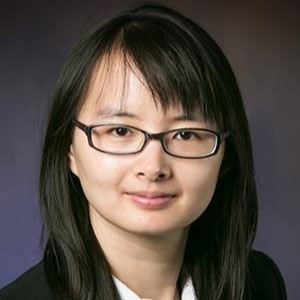
Qian Chen
University of Illinois at Urbana-Champaign, USA
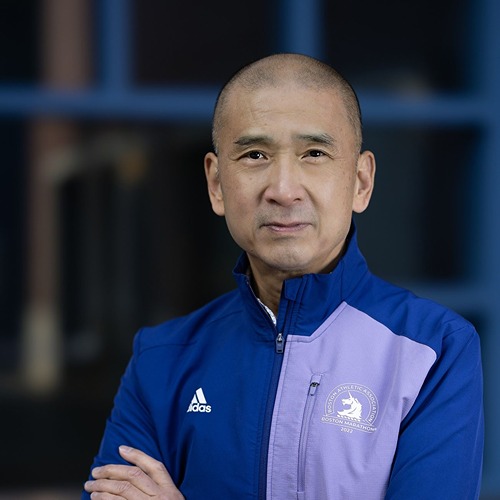
Yifan Cheng
University of California San Francisco and Howard Hughes Medical Institute, USA
Amir Yacoby
Harvard University, USA
Speakers

Karen Bustillo
Lawrence Berkeley National Laboratory, USA
Karen Bustillo is a staff member at the National Center for Electron Microscopy (NCEM), Molecular Foundry, Lawrence Berkeley National Laboratory in Berkeley, California. At NCEM, Karen collaborates with scientists worldwide through the U. S. Department of Energy Molecular Foundry User Program to characterize materials with transmission electron microscopy. Dr. Bustillo’s research interests include developing advanced TEM techniques for imaging electron beam-sensitive materials such as polymers, organic small molecules, framework materials, and battery materials. She also has expertise in situ experiments including cryo, heating, mechanical testing, liquid cell, and gas cell. She pursues characterization of nanostructures using the spectroscopy capabilities of the TEM especially with respect to elemental quantification and data analysis.
Peter Crozier
Arizona State University, USA
Adrian Ferré-D’Amaré
National Institutes of Health, USA

Franz Giessibl
University of Regensburg, Germany

Drew Higgins
McMaster University, Canada
John Jimah
Princeton University, USA
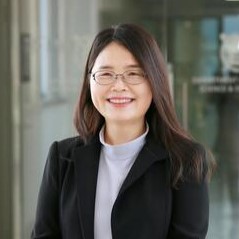
Miyoung Kim
Seoul National University, South Korea
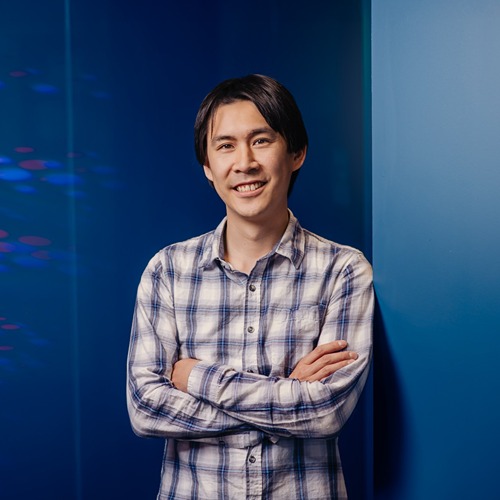
Aaron Kuan
Yale University, USA
Aaron Kuan investigates how circuit connectivity within and between brain areas supports a diverse array of functions. His lab aims to apply circuit-mapping techniques at brain-wide scales to understand how brain wiring underlies cognition and neurological diseases. Kuan develops new electron microscopy and X-ray imaging techniques to enable 3D imaging of neuronal circuits with unprecedented resolution and scale and combines these approaches with behavior and functional imaging to reveal how circuit connectivity underlies brain activity and, ultimately, cognition. The long-term research goal is to extend high-resolution circuit mapping techniques to brain-wide scales to unite "top-down" and "bottom-up" views of brain anatomy and function.
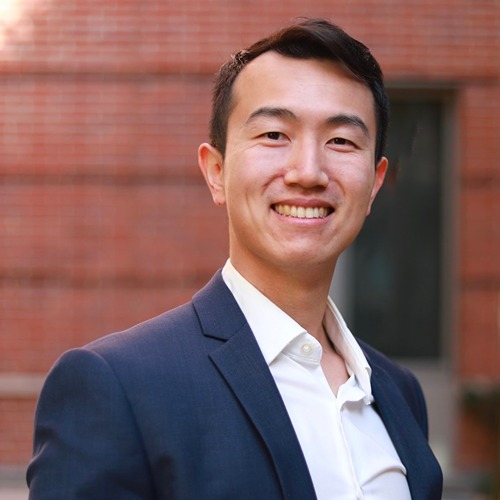
Yuzhang Li
University of California, Los Angeles, USA
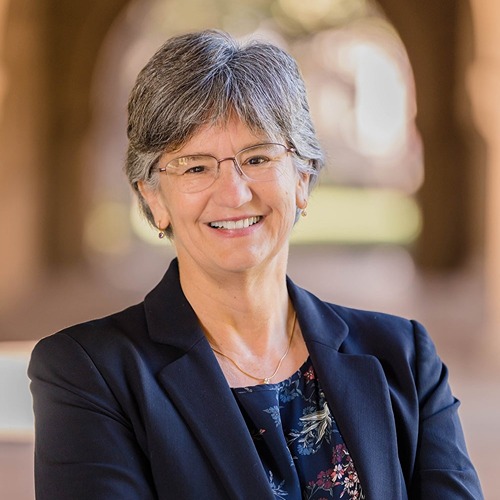
Kathryn Ann Moler
Stanford University, USA
Kathryn A. “Kam” Moler is the Marvin Chodorow Professor at Stanford University, where she previously served as Vice Provost and Dean of Research from 2018 to 2023 and currently serves as Vice President for SLAC. A physicist with both a B.S. and Ph.D. from Stanford, her work has been recognized by her election to the National Academy of Sciences and as a Fellow of the American Physical Society. Her other notable honors include the Presidential Early Career Award for Scientists and Engineers (PECASE) and the William L. McMillan Award for outstanding contributions in condensed matter physics.
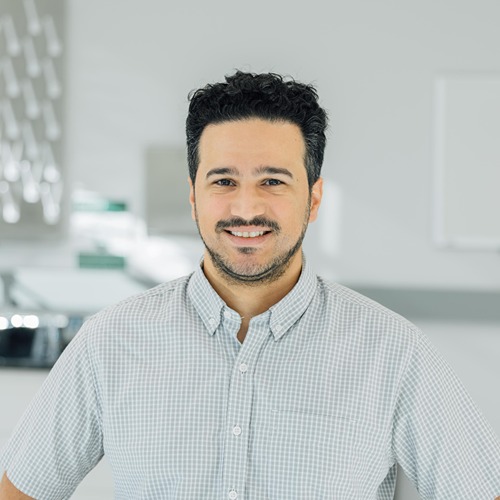
Reza Paraan
Biohub, USA
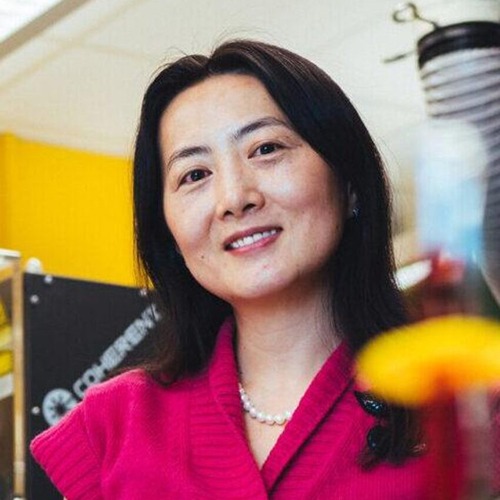
Yang Shao-Horn
MIT, USA
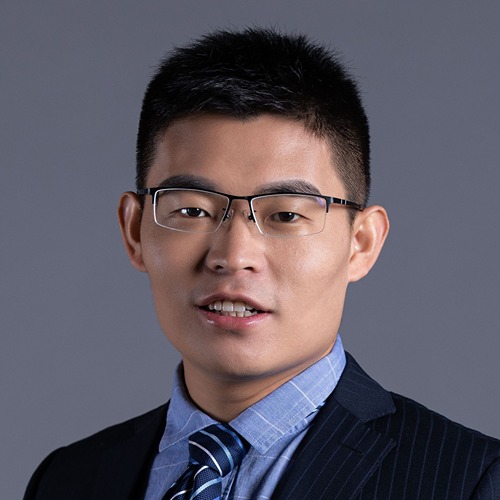
Huaizong Shen
Shenzhen Medical Academy of Research and Translation (SMART), China
Ellen Zhong
Princeton University, USA
In partnership with