
Conference Agenda
October 19 - 21, 2026
Please note that talk days and times are subject to change.
The latest agenda, announcements, venue information, and conference updates are available in Whova.
View the live agenda →
Day 1 – Monday, October 19, 2026
Registration check-in and Breakfast
8:50 - 9:00 a.m.
Opening Remarks
Andrew Houck (School of Engineering & Applied Science, Princeton University, USA)
Richard A. Register (Princeton Materials Institute, Princeton University, USA)
Session I: Cryo-EM
Chaired by Allison Doerr (Nature Methods)
9:00 - 10:00 a.m.
Keynote Talk: Making sense of disappearing densities in single particle cryo-EM
Yifan Cheng (University of California San Francisco and Howard Hughes Medical Institute, USA)
10:00 - 10:30 a.m.
Atomistic Cryo-EM Structure Determination of Small RNA Guests by Leveraging the Symmetry of an Oligomeric Host
Adrian Ferré-D'Amaré (National Institutes of Health, USA)
Coffee Break
11:00 - 11:30 a.m.
New frontiers for cryo-EM in energy and health
Yuzhang Li (University of California, Los Angeles, USA)
Meet the Nature Editors
Kevin Cannon (Associate Editor, Nature Communications)
Stacey Chin (Senior Editor, Nature Materials)
Allison Doerr (Chief Editor, Nature Methods)
Zachary Mansley (Associate Editor, Nature Communications)
Benjamin Martindale (Senior Editor, Nature Catalysis)
Florian Ullrich (Senior Editor, Nature)
Moderator
Daniel McNally (Senior Editor, Nature Materials)
Lunch
1:30 - 2:00 p.m.
Imaging and Analysis Center (IAC) Tour
Optional Tour | Sign Up Onsite
Chaired by Benjamin Martindale (Nature Catalysis)
2:00 - 2:30 p.m.
Self-Driving Microscopy and What It Should Answer
Ju Li (Massachusetts Institute of Technology, USA)
2:30 - 3:00 p.m.
Fluxionality And Functionality: Probing Atomic-Level Spatiotemporal Surface Dynamics In Catalytic Nanoparticles
Peter Crozier (Arizona State University, USA)
3:00 - 3:30 p.m.
From Ex Situ to Operando: The role of Electron Microscopy in Accelerating Battery Innovation
Zhao Liu (Thermo Fisher Scientific, USA)
3:30 - 4:00 p.m.
Coffee Break
4:00 - 4:30 p.m.
AI Methods for High-Throughput Biomolecular Structure Determination in Cryo-EM
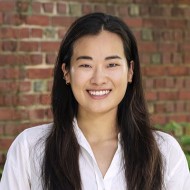
Ellen Zhong (Princeton University, USA)
4:30 - 5:00 p.m.
Building a fully automated cryo-EM data processing pipeline with foundation models
Huaizong Shen (Shenzhen Medical Academy of Research and Translation (SMART), China)
Welcome Reception
Day 2 – Tuesday, October 20, 2026
Registration check-in and Breakfast
Session III: Scanning Probe
Chaired by Daniel McNally (Nature Materials)
9:00 - 10:00 a.m.
Keynote Talk: Local Probes of Spin Excitations in Quantum Matter
Amir Yacoby (Harvard University, USA)
10:00 - 10:30 a.m.
Scanning SQUID microscopy
Kathryn Ann Moler (Stanford University, USA)
10:30 - 11:00 a.m.
Coffee Break
11:00 - 11:30 a.m.
40 Years of Atomic Force Microscopy – Seeing Dents in the Atom
Franz Giessibl (University of Regensburg, Germany)
Flash Talks
Flash talks will be chosen from our pool of abstract submissions and will be 3-5 minutes in length.
12:30 - 2:00 p.m.
Lunch
Chaired by Stacey Chin (Nature Materials)
2:00 - 2:30 p.m.
High-Throughput Electron Tomography for Brain Mapping
Aaron Kuan (Yale University, USA)
2:30 - 3:00 p.m.
Scanning Nanodiffraction of Beam-sensitive Materials
Karen Bustillo (Lawrence Berkeley National Laboratory, USA)
3:00 - 3:30 p.m.
Coffee Break
3:30 - 4:00 p.m.
A High-Throughput Approach to Identify and Characterize Molecular Glues Stabilizing WEE1-MG-CRBN-DDB1 Complex
Wenfei Song (Thermo Fisher Scientific, USA)
4:00 - 4:30 p.m.
In situ electron microscopy and x-ray spectromicroscopy to understand electrocatalytic materials and processes
Drew Higgins (McMaster University, Canada)
Poster Session & Reception - held at the Princeton Friend Center
Day 3 – Wednesday, October 21, 2026
Registration check-in and Breakfast
Session V: Cryo-ET
Chaired by Florian Ullrich (Nature)
9:00 - 10:00 a.m.
Keynote Talk: Electron Videography of Soft and Energy Matter at the Nanoscale
Qian Chen (University of Illinois at Urbana-Champaign, USA)
10:00 - 10:30 a.m.
Structural Biology of Membrane Fission
John Jimah (Princeton University, USA)
10:30 - 11:00 a.m.
Coffee Break
11:00 - 11:30 a.m.
Benchmark Specimens for Quantitative Evaluation of the CryoET Pipeline, from Data Collection to Subtomogram Averaging
Reza Paraan (Biohub, USA)
Career Conversations: Where Microscopy Can Take You
Panelists:
Tim Maitland (Senior Sales Account Manager, Life Sciences Electron Microscopy, Thermo Fisher Scientific)
Paul P. Shao (IAC Senior Research Specialist, Princeton University)
Qian Chen (Professor, Department of Materials Science and Engineering, University of Illinois Urbana-Champaign)
Allison Doerr (Chief Editor, Nature Methods)
Moderator:
Daniel McNally, (Senior Editor, Nature Materials)
Closing Remarks & Lunch
Nan Yao (Imaging and Analysis Center, Princeton University, USA)
Times are displayed in EDT
-
Available On Demand
Confirmed Speakers
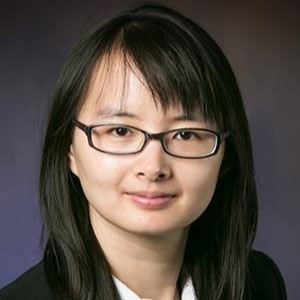 Qian Chen University of Illinois at Urbana-Champaign, USAProfessor, Department of Materials Science and Engineering, Department of Chemistry (Affiliated), Department of Chemical and Biomolecular Engineering, Materials Research Laboratory (Affiliated), Beckman Institute for Advanced Science and Technology (Affiliated), Carle Illinois College of Medicine (Affiliated), Carl R. Woese Institute for Genomic Biology (Affiliated), and CZ Biohub Chicago Investigator
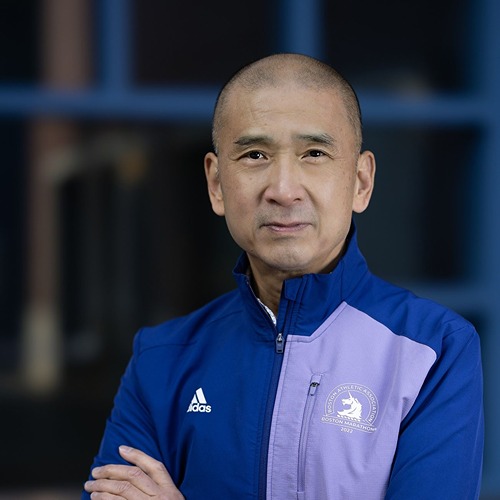 Yifan Cheng University of California San Francisco and Howard Hughes Medical Institute, USADr. Yifan Cheng is currently an Investigator of Howard Hughes Medical Institute and a Professor of Biochemistry and Biophysics at University of California San Francisco (UCSF). He received his Ph.D. degree in 1991 from Institute of Physics, Chinese Academy of Sciences (CAS). From 1991 to 1996, he continued his research in solid state physics and electron microscopy as a postdoctoral fellow at University of Oslo (NTNF Fellow) and Max-Planck-Institute of Metal Research (Alexander von Humboldt Fellow). In 1996, he changed his research direction to structural biology, and received further training in cryo-electron microscopy (cryo-EM) from Professors Kenneth Taylor at Florida State University and Yoshinori Fujiyoshi at Kyoto University. In 1999, he joined the laboratory of Thomas Walz to setup a cryo-EM operation at Harvard Medical School. He started his independent career in 2006, joining the faculty of UCSF and has stayed there ever since. He has been an HHMI Investigator since 2015. He is the recipient of the Christian B. Anfinsen Award from The Protein Society (2018) and Anatrase Membrane Protein Award from Biophysical Society (2026), elected members of the American Academy of Arts and Science (2019) and National Academy of Sciences (2020).His laboratory uses cryo-EM to study structures of biological macromolecules, particularly integral membrane proteins and dynamic complexes. In addition, development of cryo-EM methodology for structural biology is also a long-lasting interest of his laboratory. Previous works of his laboratory include developments of algorithms to correct electron beam-induced image motion and determination of the first atomic structure of TRPV1 by single particle cryo-EM, etc.
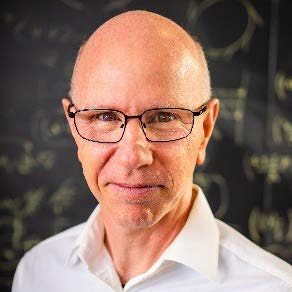 Amir Yacoby Harvard University, USAAmir Yacoby is a Professor of Physics and Applied Physics at Harvard University. He received his bachelor’s degree in the field of Aerospace engineering and then transitioned into Physics. Following a Master’s degree in theoretical Physics, Yacoby received his PhD in experimental condensed matter physics in 1994 from the Weizmann Institute of Science.Professor Yacoby is a member of the National Academy of Science, a member of the American Academy of Arts and Sciences, Fellow of the American Physical Society, member of the American Academy for Advancement of Science and an external member of the Max Plank Society.Professor Yacoby works to develop new experimental techniques to explore quantum matter and uses these techniques to obtain new insights into their underlying quantum mechanical properties.
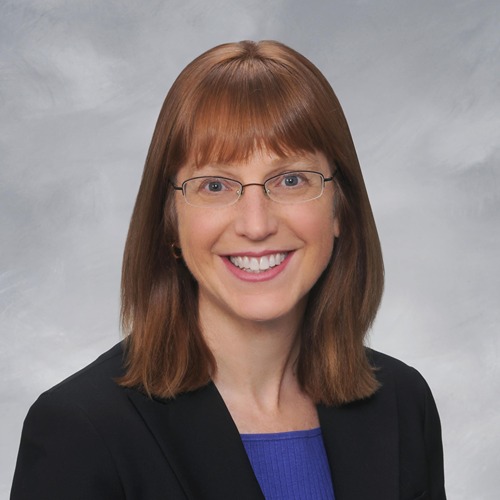 Karen Bustillo Lawrence Berkeley National Laboratory, USA
Karen Bustillo is a staff member at the National Center for Electron Microscopy (NCEM), Molecular Foundry, Lawrence Berkeley National Laboratory in Berkeley, California. At NCEM, Karen collaborates with scientists worldwide through the U. S. Department of Energy Molecular Foundry User Program to characterize materials with transmission electron microscopy. Dr. Bustillo’s research interests include developing advanced TEM techniques for imaging electron beam-sensitive materials such as polymers, organic small molecules, framework materials, and battery materials. She also has expertise in situ experiments including cryo, heating, mechanical testing, liquid cell, and gas cell. She pursues characterization of nanostructures using the spectroscopy capabilities of the TEM especially with respect to elemental quantification and data analysis.
 Peter Crozier Arizona State University, USA
Peter A. Crozier is a Professor of Materials in the School for Engineering of Matter, Transport and Energy at Arizona State University. He has extensive experience in characterizing ceramics, metal nanoparticles and catalytic materials for applications related to energy and the environment. He has expertize in developing and applying advanced techniques of transmission electron microscopy, including in situ and operando methods to problems in ion conductors and catalytic materials. He is also applying electron energy-loss spectroscopy to determine the optical and vibrational properties of nanomaterials. Over the last 5 years, he has explored the effectiveness of various deep learning models for removing noise in electron images, spectra and diffraction patterns. He is a Fellow of the Microscopy Society of America and also a member of the Materials Research Society, the North American Catalysis Society and the American Ceramics Society. He served as the President of the Microscopy Society of America. He has organized numerous workshops, schools and symposia and has published over 200 archival journal papers and book articles.
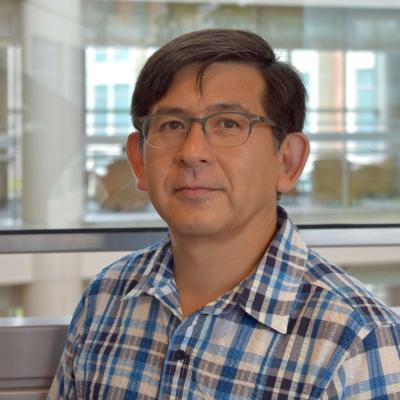 Adrian Ferré-D’Amaré National Institutes of Health, USA
 Franz Giessibl University of Regensburg, Germany
Franz J. Giessibl holds the chair for quantum nanoscience at the University of Regensburg in Germany and is a research professor at Kanazawa University in Japan. He is a pioneer in atomic force microscopy (AFM) who started as the PhD student of Nobel Laureate Gerd Binnig at the IBM Physics Group Munich at LMU in 1988. In his PhD thesis, he built the first AFM for low temperatures and ultrahigh vacuum (UHV) together with Gerd Binnig and Christoph Gerber and obtained true atomic resolution on an ionic crystal. After that, he joined an AFM manufacturer in Silicon Valley, designed and built a UHV AFM and launched the field of atomically resolving noncontact AFM by demonstrating true atomic resolution on the 7x7 reconstruction of silicon for the first time. In 1995, he joined McKinsey as a management consultant and invented the qPlus sensor, a novel core for the AFM, in his home laboratory on weekends. He joined Augsburg University in 1997 where he obtained his habilitation in 2001. An extended version of his habilitation thesis was published in Reviews of Modern Physics in 2003 with currently more than 3500 citations – it is generally considered one of the foundational review papers in AFM.
In 2005, he received offers for chairs at the University of Bristol and University of Regensburg, joining the latter in 2006. Since then, he did key AFM experiments from atomic manipulation, subatomic spatial resolution, artificial atoms, topological insulators and others. Important results were also obtained in collaborations with the IBM labs in Almaden and Zurich, NIST in Gaithersburg, the National University of Singapore, Kanazawa University and others. His main invention, the qPlus sensor, is standard today for low temperature AFMs, it is used by seven international AFM manufacturers and operates in more than 500 low temperature AFMs globally today. In 2026, the AFM market leader launched an AFM that uses the qPlus sensor in ambient conditions.
Franz J. Giessibl is a Fellow of the American Physical Society, the European Academy for Sciences and Arts in Salzburg, the European Academy of Sciences in Brussels, the Japanese Vacuum- and Surface Science Society and a distinguished Fellow of the International Engineering and Technology Institute. He has won several international science prizes, including the Feynman Prize on Nanoscience, the Heinrich Rohrer Grand Medal, the NIMS Award, the APS Keithley Prize and the MRS Innovation in Materials Characterization Award.
He also worked with an eminent visual artist as published in his 2022 book “First View Inside an Atom. Encounters with Gerhard Richter between Art and Science”. In 2026, his new book “Atomic Force Microscopy and Atomic Manipulation. An Inquiry into Matter” will appear with Springer Nature.
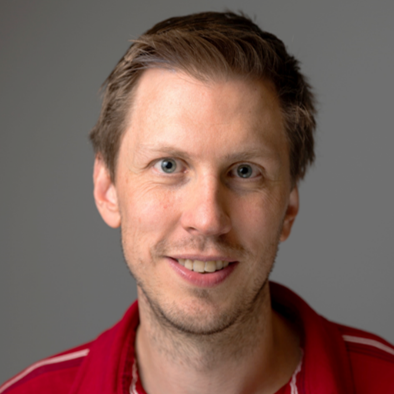 Drew Higgins McMaster University, CanadaDrew is an Associate Professor and Tier 2 Canada Research Chair in the Department of Chemical Engineering at McMaster University, where their research focuses on sustainable electrochemical energy technology development. Particularly, their team focuses on applications including electrochemical CO2 conversion, rechargeable zinc-ion batteries, supercapacitors, water electrolyzers and biomass valorization processes. Their research covers the synthesis of new nanostructured electrode materials and their integration into electrochemical technologies, as well as developing advanced understanding of material performance through the development and implementation of in situ characterization techniques. Previously Drew completed their PhD in Chemical Engineering at the University of Waterloo in 2015, with their thesis involving the synthesis, characterization, and device integration of nanostructured oxygen reduction catalysts for low temperature fuel cells. During this time, they spent approximately one year at the Los Alamos National Laboratory working. In 2015, Drew started a Banting Postdoctoral Fellowship at Stanford University in the Department of Chemical Engineering and in 2017 was promoted to an Associate Staff Scientist at Stanford University / SLAC National Accelerator Laboratory, where they oversaw research activities focusing on discovering and understanding new electrocatalyst compositions and structures for a variety of important electrochemical reactions, including water oxidation, CO2 reduction, oxygen reduction and methane activation. More details are available at: https://www.higginslab.com/.
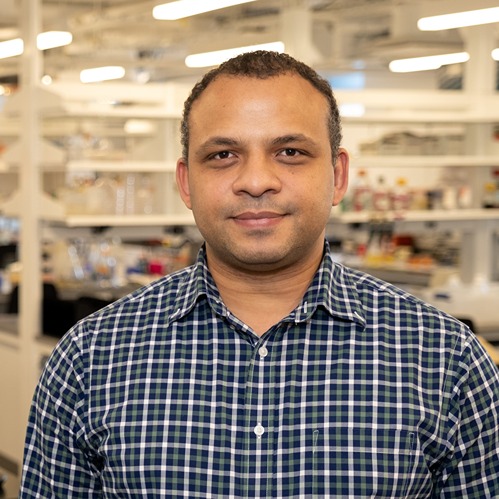 John Jimah Princeton University, USAJohn Jimah is an Assistant Professor of Molecular Biology at Princeton University. His laboratory investigates the molecular mechanisms of membrane remodeling in human cells and eukaryotic parasites, using cryo-electron microscopy and tomography (cryo-EM and cryo-ET) alongside biochemical and cell biological approaches.He has contributed to our understanding of the structural mechanisms by which membrane architecture is maintained or remodeled, including how human dynamin assembles to drive membrane fission during endocytosis, how dynamin organizes actin during cell-cell fusion, and how the bacterial β-barrel assembly machinery mediates outer membrane protein folding. He also studied the malaria parasite protein CelTOS, a multistage vaccine target, and how it disrupts host membranes to enable parasite traversal through host cells. Dr. Jimah earned his B.A. in Molecular Biology from Colgate University and his Ph.D. in Biology and Biomedical Sciences from Washington University in St. Louis, and he completed postdoctoral training at the National Institutes of Health. His work has been recognized by the Alfred P. Sloan Research Fellowship and the NIGMS MOSAIC K99/R00 award. Overall, his research seeks to define structural principles of membrane remodeling across diverse cellular contexts.
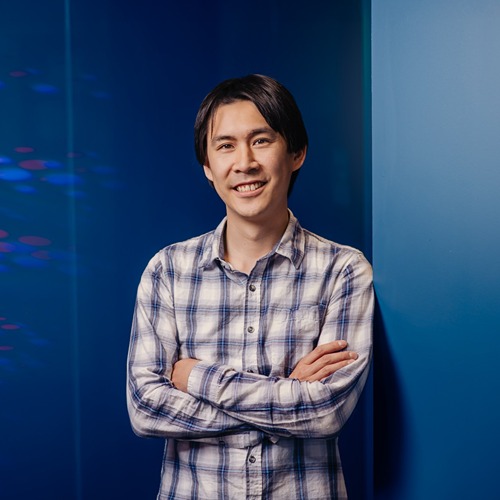 Aaron Kuan Yale University, USA
Aaron Kuan investigates how circuit connectivity within and between brain areas supports a diverse array of functions. His lab aims to apply circuit-mapping techniques at brain-wide scales to understand how brain wiring underlies cognition and neurological diseases. Kuan develops new electron microscopy and X-ray imaging techniques to enable 3D imaging of neuronal circuits with unprecedented resolution and scale and combines these approaches with behavior and functional imaging to reveal how circuit connectivity underlies brain activity and, ultimately, cognition. The long-term research goal is to extend high-resolution circuit mapping techniques to brain-wide scales to unite "top-down" and "bottom-up" views of brain anatomy and function.
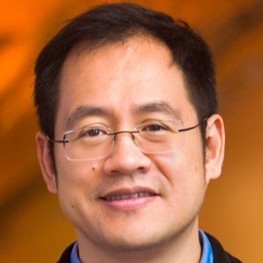 Ju Li Massachusetts Institute of Technology, USAJu Li is Carl Richard Soderberg Professor of Power Engineering at MIT Department of Nuclear Science and Engineering and Materials Science and Engineering, as well as a core faculty member of MIT Schwarzman College of Computing (CCSE). Previously he has held faculty positions at the Ohio State University, and the University of Pennsylvania. His group (http://Li.mit.edu) investigates the mechanical, electrochemical and transport behaviors of materials as well as novel means of energy storage and conversion.
Ju was elected Fellow of the American Physical Society in 2014, a Fellow of the Materials Research Society in 2017 and a Fellow of AAAS in 2020. Li is the chief organizer of MIT A+B Applied Energy Symposia that aim to develop solutions to global climate change challenges with “A-Action before 2040” and “B-Beyond 2040” technologies. ( https://www.youtube.com/@mitab3889/videos).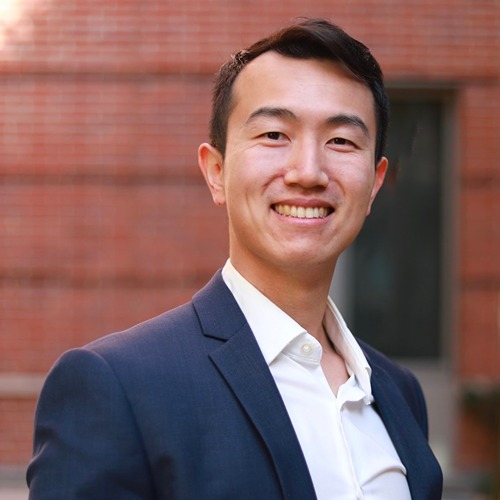 Yuzhang Li University of California, Los Angeles, USAYuzhang Li is an Associate Professor in Chemical and Biomolecular Engineering at UCLA. He received his bachelor’s in Chemical Engineering from UC Berkeley and his Ph.D. in Materials Science and Engineering from Stanford University. The long-term goal of the Li group@UCLA is to invent new tools and materials that address important challenges in sustainability and health. For example, we are leading efforts to leverage the powerful cryogenic electron microscopy (cryo-EM) tool to address grand challenges in sustainability. These efforts have led to significant breakthroughs in our understanding of batteries (Science 358, 506, 2017; Science 375, 66, 2022) and electrocatalysts (Nature Energy 8, 138, 2023), which represent important clean energy technologies necessary for securing energy resilience and security. New insights then inform parallel efforts in materials innovations (Nature 620, 86, 2023; Nature Energy 10, 502, 2025) that will enable transformative technologies. Yuzhang’s research has been highlighted by news media including Forbes, Popular Mechanics, and ABC7 Bay Area, while also being recognized with several awards, including the Packard Fellowship, Dreyfus Teacher-Scholar Award, Forbes 30 Under 30, and young investigator awards from the NSF, DOE, NIH, DOD, ACS, and ECS.
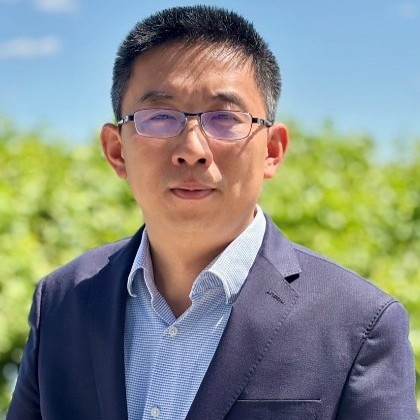 Zhao Liu Thermo Fisher Scientific, USA
Zhao Liu is a Senior Market Development Manager at Thermo Fisher Scientific, based in Oregon, USA, specializing in the battery market. He earned his PhD in Materials Science and Engineering from Northwestern University and later joined Thermo Fisher Scientific. He also serves as an Affiliated Professor in the Materials Science & Engineering Department at the University of Washington, helping strengthen academia–industry collaboration. His work focuses on advancing battery characterization metrology across R&D and manufacturing, addressing analytical challenges, and driving practical solutions through strategic partnerships with academic and industrial stakeholders.
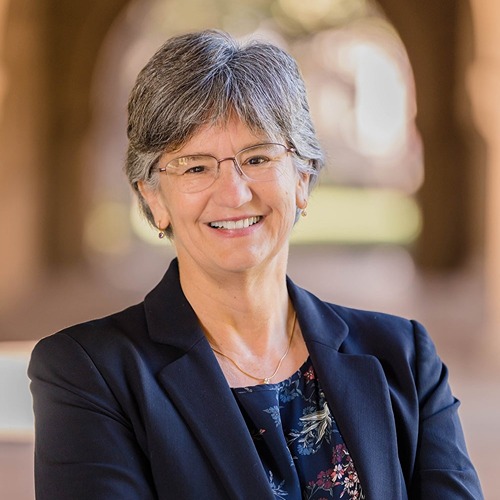 Kathryn Ann Moler Stanford University, USA
Kathryn A. “Kam” Moler is the Marvin Chodorow Professor at Stanford University, where she previously served as Vice Provost and Dean of Research from 2018 to 2023 and currently serves as Vice President for SLAC. A physicist with both a B.S. and Ph.D. from Stanford, her work has been recognized by her election to the National Academy of Sciences and as a Fellow of the American Physical Society. Her other notable honors include the Presidential Early Career Award for Scientists and Engineers (PECASE) and the William L. McMillan Award for outstanding contributions in condensed matter physics.
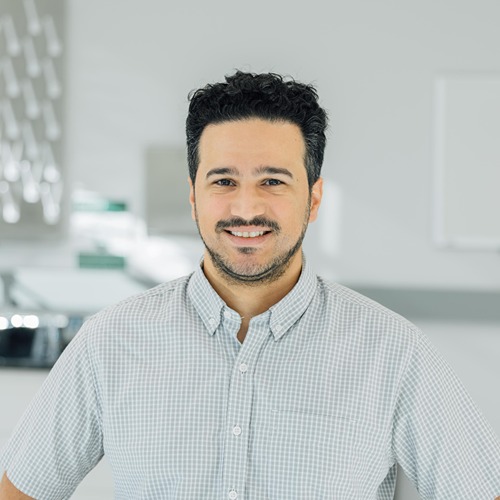 Reza Paraan Biohub, USAI am a team leader at biohub (formerly known as CZ Imaging Institute). My research focuses on benchmarking the cryoET pipeline from data collection to sub-tomogram averaging (STA) of protein complexes. For this, we develop novel benchmark samples such as the phantom (https://www.nature.com/articles/s41592-025-02800-5) that was used for benchmarking particle picking (https://www.biorxiv.org/content/10.1101/2025.11.03.686153v1), and other samples such as E.coli overexpressing virus-like particles (https://cryoetdataportal.czscience.com/datasets/10455) to study the effects of tomogram quality on STA. We collaborate with cryoET tool developers and machine learning developers to push the limits of sub-tomogram averaging and in situ structural biology.
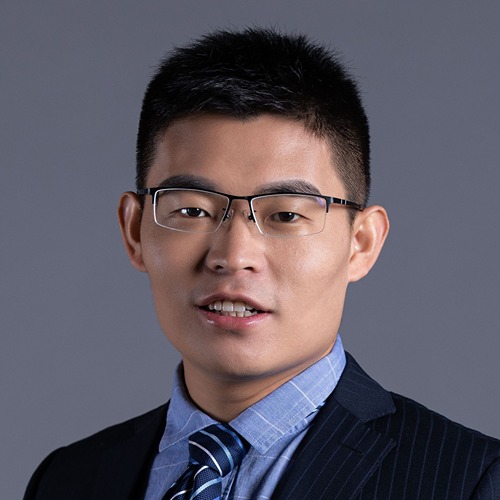 Huaizong Shen Shenzhen Medical Academy of Research and Translation (SMART), ChinaDr. Huaizong Shen leads the Laboratory of Artificial Intelligence and Biological Structure at the Shenzhen Medical Academy of Research and Translation (SMART). His research integrates structural biology with artificial intelligence to decipher the structure and function of pharmaceutically important ion channels and membrane receptors. By developing novel AI-driven methods, his team aims to democratize cryo-EM technology and accelerate the discovery of novel therapeutic targets and drug precursors. Dr. Shen has authored landmark studies in top-tier journals and is a recipient of China's Excellent Young Scientist Fund and national high-level talent awards.
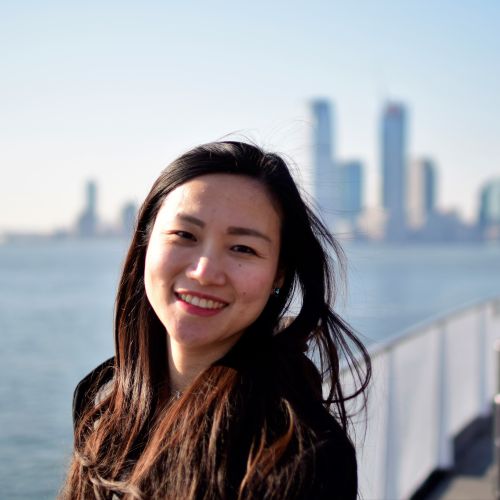 Wenfei Song Thermo Fisher Scientific, Netherlands
Wenfei Song is a Product Specialist at Thermo Fisher Scientific in Eindhoven, the Netherlands, specializing in cryo-electron microscopy (cryo-EM), with a strong focus on single-particle analysis (SPA). She leads SPA-related application work and has experience across the full workflow, from sample preparation and screening to data collection, image processing, and high-resolution structure determination.
Her work also includes integrated structural biology, combining cryo-EM with mass spectrometry to better understand sample quality, protein behavior, and structure. She also has strong experience in cryo-electron tomography (cryo-ET), with hands-on experience across the full workflow from sample preparation and data collection to tomographic reconstruction and structural analysis.
 Ellen Zhong Princeton University, USA