
Organized by Peking University, Chinese Institutes for Medical Research, Beijing, Chinese Institute for Brain Research, Nature Human Behaviour, Nature Neuroscience, and Nature Mental Health.
More than ever before, advances in artificial intelligence are shaping science and human lives. This conference will explore the intersection of human cognition, mental health and artificial intelligence, bringing together researchers from diverse fields, including psychology, neuroscience, psychiatry, sociology, cultural evolution, and beyond. It aims to deepen insights into the relationship between these fields and encourage the development of AI-informed approaches and tools for improving individual and collective well-being.
Four individual sessions will explore (1) how AI has informed our understanding of human cognition, as well as how AI models simulate cognitive skills, including decision-making, inference, learning, language, theory of mind, and social interaction; (2) learning from each other: how neuroscience has inspired artificial intelligence models, as well as how our understanding of cognitive neurobiology has evolved with the help of advances in AI; (3) how AI can contribute to improving mental health through digital interventions, more precise diagnostic tools, and personalized treatment strategies; and (4) how AI influences language, learning and cultural evolution and to what extent it may reshape human culture.
Register Now Submit AbstractDeadline: Sep.20, 2026 Contact Us
Event details
Speakers

Deanna Barch
Washington University, USA
Deanna Barch’s research focuses on understanding normative patterns of cognitive function and brain connectivity, and on the mechanisms that give rise to the behavioral and cognitive challenges found in illnesses such as schizophrenia and depression, using psychological, neuroimaging, and computational approaches across the lifespan. She is the Vice Dean of Research in Arts & Sciences at Washington University. She is also the Couch Professor of Psychiatry and a Professor of Radiology. She is Deputy Editor at Biological Psychiatry and Editor-in-Chief of Biological Psychiatry: Global Open Science. Dr. Barch is on the scientific boards of the Brain and Behavior Research Foundation, the One Mind Foundation, the Stanley Foundation, and the Bipolar Discovery Initiative. Dr. Barch served on the Executive Committee of the Association for Psychological Science and the Scientific Council of the National Institute of Mental Health, and is currently President of the FLUX Cognitive Neuroscience Society and President of the American College of Neuropsychopharmacology. She is a Fellow of the Association for Psychological Science, the American College of Neuropsychopharmacology, and the American Association for the Advancement of Science, and a member of the Society for Experimental Psychology. She is also a member of the National Academy of Medicine (NAM) and the American Academy of Arts & Sciences, and Co-Chair of the NAM Neuroscience Forum.
Benjamin Becker
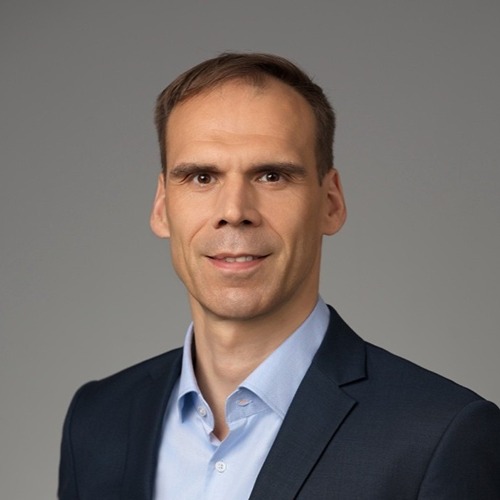
The University of Hong Kong, China
Benjamin Becker is currently a Full Professor at The University of Hong Kong and Director of the MIND & AI Lab and the Becker Affective and Motivational Neuroscience Lab. He received his degrees from the Universities of Trier and Duesseldorf and completed further training at the University of Bonn in Germany. Over the past ten years, he has established and led internationally successful research teams in Germany, Mainland China, and Hong Kong. His research combines advanced neuroimaging with AI-inspired neural decoding to explore how the human brain regulates emotion and motivation, how these processes shape how we interact with new technology (AI, social media) and can improved by molecular neuroenhancers (e.g. oxytocin) and novel technologies (including BCI-neurotechnology and AI) to enhance mental health. He has published more than 320 influential articles and frameworks in leading journals, including Nature, Neuron, Nature Human Behaviour, Nature Communications, Nature Reviews Psychology, Advanced Science, Trends in Cognitive Sciences, IEEE Transactions in Affective Computing, PNAS, etc. He currently serves as Principal Editor of Psychopharmacology, Executive Board Member of Advanced Science, Editor of Psychotherapy and Psychosomatics, and founding Co-Director of the CIBD Task Force of the Global Brain Consortium (GBC). He leads the Strategic Research Topic on AI, Society and Social Dynamics and the Cognitive Science Programme at The University of Hong Kong, and has been recognized as World’s Top 1% or Top 2% scientists by Clarivate Analytics or Stanford University, respectively. His research has been featured in numerous keynote talks and media reports.

Alexander Bentley
University of Tennessee, USA

Yanchao Bi
Peking University, China
Yanchao Bi is a Boya professor in School of Psychological and Cognitive Sciences, IDG/McGovern Institute for Brain Research, and Institute for Artificial Intelligence, at Peking University. She received her PhD from the Department of Psychology, Harvard University, working on the cognitive process of language production. In 2006 she established her laboratory at Beijing Normal University and moved to Peking University in 2024. Her lab focuses on the study of functional and neural architecture associated with semantic memory, knowledge representation, and language processing, using cognitive psychology, cognitive neuroscience, multi-modal neuroimaging, computation modeling and other research methods.
Claudi Bockting
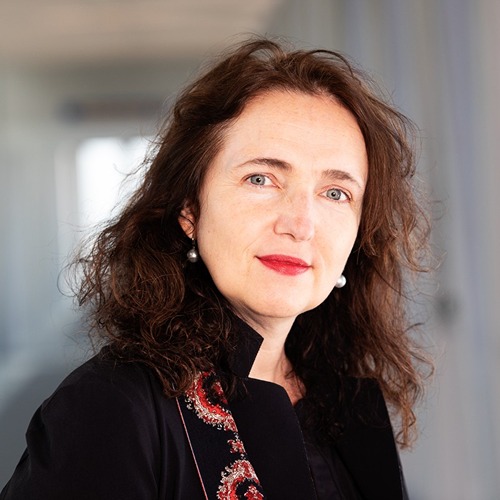
Amsterdam University Medical Centers, The Netherlands
Claudi L. Bockting PhD, professor in Clinical Psychology in Psychiatry at the department of Psychiatry in Amsterdam University Medical Centers. She is one of the founders and directors of the Centre for Urban Mental Health, as well as an interdisciplinary center for Interfaces between the Public and Science including generative AI at the Institute for Advanced Studies. She has organized three international summits on the use of AI in science and society (2023-2024) with the Science Council, including representatives of the European commission, UNESCO, OECD, European Academy of Sciences and Arts, chief editors of Science and Nature and the University based Institute for Advanced Study, resulting in two publications on Nature (2023-2024), including living guidelines for the responsible use of AI. She is also a leader of the Reconnected work package (Horizon EU program), a project focused on understanding how societal developments, such as generative AI, impact the mental well-being of vulnerable European communities. She has supervised over 21 PhD students (13 ongoing), including Ai-related projects such as chatbots for improving mental health.
Dr. Bockting was a visiting professor at the Department of Global Health and Social Medicine, Harvard Medical School at Harvard University (2023) and is a recipient of an honorary doctorate from the University of Basel (2022). She is a recipient of several Fellowships at World Health Organisations (WHO) on the topic of using technology to target wellbeing (2018-2020), the Beck Institute on mental health (USA), the Netherlands Institute for Advanced Study (2016) and the Institute for Advanced Study (2018) at the University of Amsterdam. She is board member and former president of the European Association of Clinical Psychology (EACLIPT), a board member of the Institute for Advances Studies (since 2022), an elected member in the European Academy of Sciences and Arts (2022) as well as elected member of the IAP Urban Health Working Group (since 2025).
Pim Cuijpers
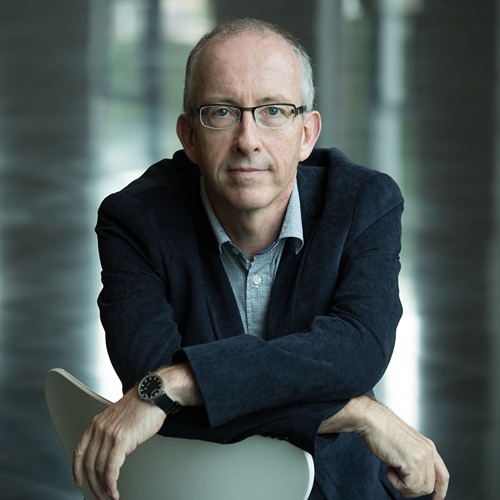
Vrije Universiteit Amsterdam, The Netherlands
Pim Cuijpers is Professor emeritus of Clinical Psychology at the Vrije Universiteit Amsterdam, The Netherlands and director of the WHO Collaborating Centre for Research and Dissemination of Psychological Interventions in Amsterdam. He is specialised in conducting randomised controlled trials and meta-analyses on prevention and psychological treatments of common mental disorders across the life span. Much of his work is aimed at prevention of mental disorders, psychological treatments of depression and anxiety disorders, Internet-delivered treatments and global mental health. Pim Cuijpers has published more than 1,350 peer-reviewed papers, chapters, reports and professional publications, including more than 1,100 papers in international peer-reviewed scientific journals. He is on the Clarivate Web of Science lists of the ‘highly cited researchers’ since the first edition of this list in 2014 (http://highlycited.com/). Worldwide, only 405 researchers across all disciplines have been on this list since 2014. In Web of Science (Clarivate InCites Essential Science Indicators) he is currently ranked number 1 in the field of psychiatry/psychology as top author. According to Expertscape, an organisation that ranks researchers by their expertise in biomedial topics, professor Cuijpers is the world’s number one top expert on research on psychotherapy, on cognitive behavioral therapy, and on depression. He is the number two on randomized controlled trials, and on meta-analyses. Pim Cuijpers is Editor-in-Chief of the Journal of Consulting and Clinical Psychology and recently received the 2024 APA Award for Distinguished Professional Contributions to Applied Research. He is currently Chair of the Depression Guideline Update Panel of the American Psychological Association.

Kenji Doya
Okinawa Institute of Science and Technology Graduate University (OIST), Japan
Kenji Doya is a Professor of Neural Computation Unit, Okinawa Institute of Science and Technology Graduate University (OIST). He studies reinforcement learning and probabilistic inference, and how they are realized in the brain. He took his PhD in 1991 at the University of Tokyo, worked as a postdoc at U. C. San Diego and the Salk Institute, and joined Advanced Telecommunications Research International (ATR) in 1994. In 2004, he was appointed as a Principal Investigator of the OIST Initial Research Project. As OIST established itself as a Graduate University in 2011, he became a Professor and served as the Vice Provost for Research till 2014. He served as Co-Editor in Chief of Neural Networks from 2008 to 2021, President of Japanese Neural Network Society (JNNS) from 2023 to 2024, and General Chair of Neuro2022 and ICONIP2025 in Okinawa. He received INNS Donald O. Hebb Award in 2018, JNNS Academic Award and APNNS Outstanding Achievement Award in 2019, and finished Ironman World Championship 2024 in Kona, Hawaii.
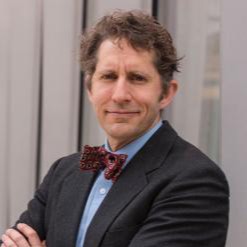
James Evans
University of Chicago, USA

Quentin Huys
University College London, UK
Quentin Huys is Professor of Computational Psychiatry and leads the Applied Computational Psychiatry Lab in the Division of Psychiatry and the Institute of Neurology at University College London. He is the deputy director of the Max Planck UCL Centre for Computational Psychiatry and Ageing Research, and a consultant psychiatrist with North London NHS Foundation Trust where he leads the MoRe clinic. Quentin trained at Cambridge University, followed by a MB/PhD at UCL and the Gatsby Computational Neuroscience Unit. After postdoctoral research at the Center for Theoretical Neuroscience at Columbia University, he undertook his psychiatry residency at the Hospital of Psychiatry in Zurich and was as a senior research fellow at the Translational Neuromodeling Unit at ETH Zürich and the University of Zürich.
Quentin's research interests focus on translating computational methods into improved treatments for mental illnesses, particularly mood disorders. His and his lab's work stretch from theory to clinic, with active projects in the theory of mechanistic inference, fundamental research into the computational nature of emotions, mechanistic studies into pharmacological and psychotherapeutic treatments, and clinical trials into novel and established treatments.

Ann John
Swansea University, UK
Ann John is Clinical Professor of Public Health and Psychiatry, Principal Investigator and Co-Director of DATAMIND (the Health Data Research UK Hub for Mental Health), and Director of the National Centre for Suicide Prevention and Self-Harm Research. An internationally recognised expert in mental health data science, suicide, and self-harm epidemiology, she uses large-scale linked data to identify risk factors and inform prevention strategies across a wide range of data modules and analysis. Her work increasingly spans artificial intelligence and large language models in mental health.
Her research bridges psychiatry, neuroscience, and population health, with a strong focus on translating evidence into practice and policy. She is particularly interested in how AI can advance understanding of cognition, improve risk prediction, and enable more precise, scalable approaches to mental health and wellbeing.
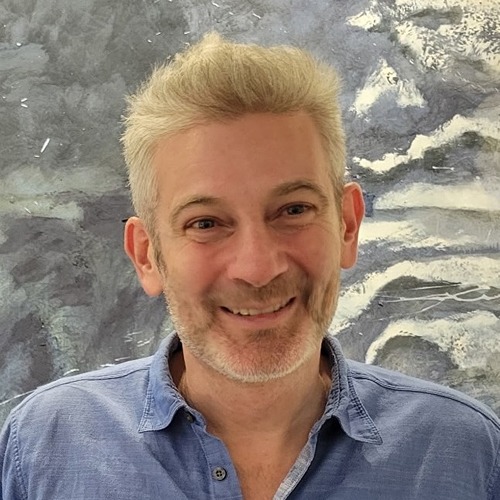
Bradley Love
EmpiriQal, USA
I started out in cognitive science. As a professor at the University of Texas at Austin, I focused on models of learning and did some of the earliest work in model-based brain analyses. After moving to University College London, I did work in computational neuroscience, including considering the relationship between deep learning models and the brain. After embarking on the BrainGPT project, I became very interested in extending modern AI techniques, such as large language models, to build systems that can accelerate scientific discovery. With that goal, I moved to Los Alamos National Laboratory (LANL). Recently, I left LANL to launch an AI for science startup, EmpiriQal.ai, that aims to change how we produce and consume science.
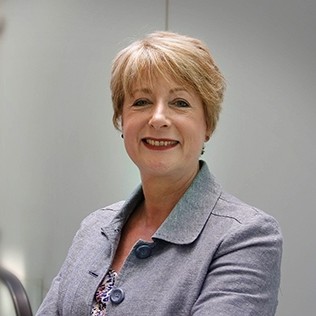
Rose Luckin
Educate Ventures Research Limited, UK
Rose Luckin is a globally recognised expert on Artificial Intelligence (AI) in education, with more than 30 years of experience shaping the future of learning, technology, and policy. She is Professor Emerita at University College London and Founder and CEO of Educate Ventures Research Limited, which supports the education sector through AI-focused thought leadership, training, and consultancy. Throughout her distinguished career, she has held senior leadership roles at University of Sussex and has advised governments, policymakers, and industry leaders worldwide on the ethical and effective use of AI in education. Her contributions have been recognised through numerous honours, including the Bett Outstanding Achievement Award (2025), the ISTE Impact Award (2023), and recognition as one of the UK’s most influential women in technology.
A prolific author and internationally sought-after speaker, Rose has published extensively on AI, education, and human-centred technology. Her books include Machine Learning and Human Intelligence: The Future of Education for the 21st Century and AI for Schoolteachers, both of which help educators understand and apply AI effectively. She regularly delivers keynote addresses around the world and contributes to public debate through national and international media, including columns, opinion pieces, and broadcast appearances. In addition, she serves on a range of advisory boards, including the UK Department for Education’s Science Advisory Council, and is co-founder of the Institute for Ethical AI in Education, reflecting her ongoing commitment to ensuring AI benefits learners, educators, and society.

Huan Luo
Peking University, China
Dr. Huan Luo is a full professor at the School of Psychological and Cognitive Sciences and a PI of the IDG/McGovern Institute for Brain Research, Peking University. Her research focuses on the cognitive and neural mechanisms of attention, memory, learning, and decision-making, with recent interests centered on the structured nature of human cognition. She currently serves as Senior Editor at eLife and on the editorial board of PLoS Biology. Her work is supported by major national grants and has been recognized with the First Prize of the 2022 Higher Education Outstanding Scientific Research and the 2020 Major Breakthrough in Chinese Neuroscience. Her lab is among six worldwide participating in the international COGITATE project on the neural basis of consciousness.
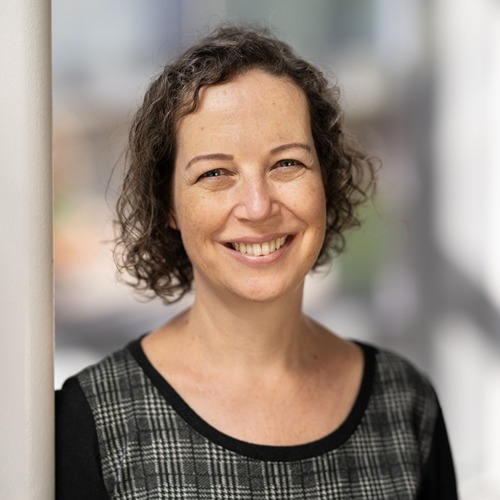
Yael Niv
Princeton University, USA
Yael Niv is a professor of neuroscience and psychology at Princeton University. Her lab studies the computational processes underlying reinforcement learning and latent cause inference, focusing on how attention, memory and learning interact to allow efficient learning through optimal generalization. In 2015, she co-founded and is since co-Director of the Rutgers-Princeton Center for Computational Cognitive Neuropsychiatry, and has pivoted much of her lab’s research to computational psychiatry, and to investigating how our computational understanding of learning and decision making processes can inform our understanding of mental health conditions and their treatments. Currently, she is also director of an NIMH Latent Cause Inference Conte Center that brings together ten faculty across Princeton and Rutgers Universities to study latent cause inference as a mental health RDoC dimension. Yael is also passionate about inclusive mentoring and teaching, and has been an activist for these and against racism and gender bias in academia. Her proudest career accomplishment is winning a graduate mentoring award. In her nonexistent spare time, she is a mom to two awesome boys.

Anqi Qiu
Hong Kong Polytechnic University, China
Prof. Qiu is currently the Director of Mental Health Research Centre, Associate Dean of Graduate School, and a Professor and Global STEM Scholar in the Department of Health Technology and Informatics at the Hong Kong Polytechnic University (PolyU), Chair-elect, Organization for Human Brain Mapping.
Specializing in computational analyses, Prof. Qiu is deeply committed to understanding the origin of individual health differences throughout a lifespan. She leverages complex and informative datasets that include disease phenotypes, neuroimaging, and genetics to further her mental health research.
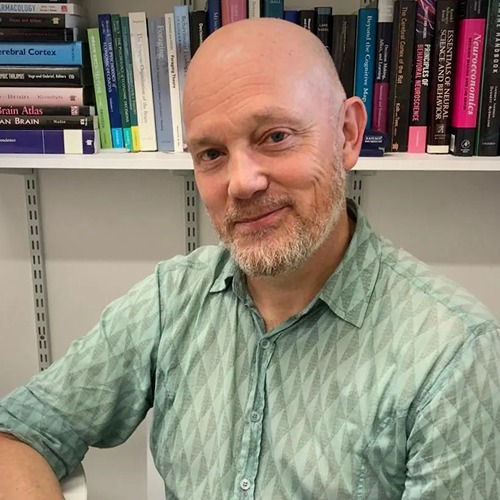
Matthew Rushworth
University of Oxford, UK
Matthew Rushworth is the Watts Professor in the Department of Experimental Psychology and Head of Department. He also works at the Oxford Centre for Integrative Neuroimaging (OxCIN), University of Oxford, UK. His recent work has been concerned with the operation of brain circuits for decision making and social interaction. He is also interested in understanding connections and interactions between brain areas and he has helped to develop methods for minimally invasive brain stimulation. Matthew Rushworth has worked in Montreal and London but has spent most of his career in Oxford.
Every day we make choices about what we will do next. For example, we might start the day by making the decision that it is worth getting out of bed and going to work. Matthew Rushworth’s research aims to understand how brain circuits make decisions like these. Changes in these processes may underlie some of the symptoms associated with mental illness; for example, when we are depressed sometimes nothing seems worth doing.
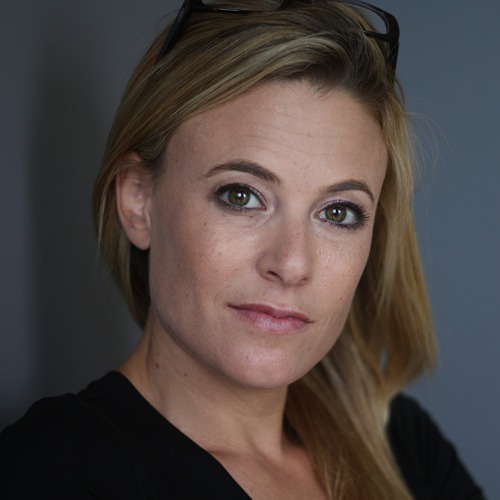
Tali Sharot
University College London, UK
Tali Sharot is a Professor of Cognitive Neuroscience in the department of Experimental Psychology and The Max Planck UCL Centre for Computational Psychiatry at University College London and on the faculty of the Department of Brain and Cognitive Sciences at MIT. Sharot is a Wellcome Trust Senior Research Fellow, holds a Wellcome Trust Discovery Award, is Head Section Editor (neuroscience) for Science Advances and former President of the Society of Neuroeconmics. Sharot’s research integrates neuroscience behavioral economics and psychology to study how emotion and motivation influences people’s beliefs and decisions. Prof. Sharot’s award winning books – The Optimism Bias (2011) , The Influential Mind (2017) and Look Again (2024, co-authored with Cass Sunstein) – have been praised by outlets including the NYT, Times, Forbes and more. In addition to her academic role, Sharot has served as a consultant for global companies and government projects, as well as on the board of several companies. Her two TED talks have been viewed more than 17 million times total. She has written for the NYT, Time, Guardian, Washington Post, CNN and many others.
Marcel van Gerven
Radboud University, The Netherlands
Marcel van Gerven is Professor of Artificial Cognitive Systems and Principal Investigator in the Department of Machine Learning and Neural Computing of the Donders Institute for Brain, Cognition and Behaviour, Radboud University, the Netherlands. Prof. van Gerven is an expert in machine learning and neuromorphic computing. His work ranges from understanding the computational mechanisms of adaptive control in natural and artificial systems to the development of new AI technology with applications in e.g. neuroscience, neurotechnology, healthcare and high-tech industry. Prof. van Gerven is recipient of several grants at the intersection of AI and neuroscience, such as Dutch Vidi, Crossover, Perspective and Gravitation grants, and EU HBP and FET grants. He also received the Radboud Science Award for his scientific work. Prof. van Gerven is cofounder of Radboud AI, ELLIS Fellow and directs one of the European ELLIS units as part of the European Excellence Network in Machine Learning. He is also director of the Innovation Centre in AI for Semiconductor Manufacturing. Through his work, he aims to bridge the gap between natural and artificial intelligence and contribute to the development of sustainable AI solutions that make a positive impact in science and society.
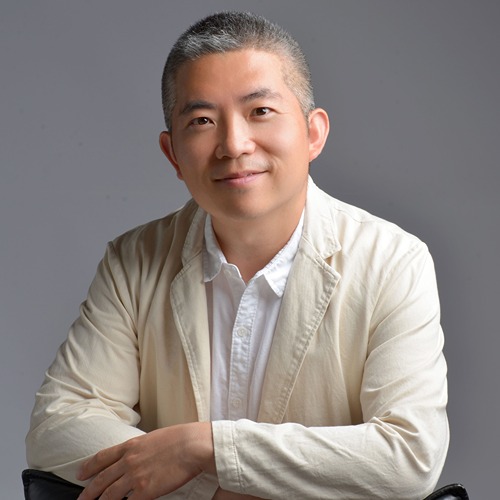
Yi Zeng
Renmin University of China, China
Yi Zeng is a Wu Yuzhang Chair Professor at the Gaoling School of Artificial Intelligence, Renmin University of China. He also serves as the Founding Dean of Beijing Institute of AI Safety and Governance (Beijing-AISI), and Director of the Beijing Key Laboratory of Safe AI and Superalignment. He is the Chair of the Mind Computing Technical Committee of the Chinese Association for Artificial Intelligence (CAAI) and Co-Chair of the AI Committee of the World Internet Conference (WIC). Additionally, he is a member of the United Nations Advisory Body on AI and a member of the UNESCO Ad Hoc Expert Group on AI Ethics. His research focuses on AI Ethics, Safety and Governance, Brain-Inspired AI, and AI for Sustainable Development. He was named one of the TIME 100 Most Influential People in AI (TIME 100/AI, 2023).
Conference Partners