


The Nature conference on "AI Augmented Biology" explores how the integration of artificial intelligence with biological sciences unlocks immense potential for groundbreaking discoveries. Keynotes and invited presentations will highlight significant milestones and breakthroughs in AI technologies for biological research, along with theoretical and technological advancements and their wide-ranging applications. The conference will cover topics including multi-modal data mining, protein engineering, molecular and cellular engineering, large language models and foundation models for understanding complex biological systems and diseases, as well as the emergence of life.


Event details
Speakers

Minkyung Baek
Seoul National University, South Korea
Minkyung Baek is an Assitant Professor at the Department of Biological Sciences at Seoul National University. Her research focuses on developing artificial intelligence methods for predicting the structure and interactions of biomolecules, such as proteins and nucleic acids. She is a main developer of RoseTTAFold and has contributed to advancing Al-driven approaches for protein folding, design, and drug discovery. Her lab integrates structural biology, computational modeling, and deep learning to understand life at the molecular level.

Jinmiao Chen
Duke NUS Medical School, Singapore

Sarel Fleishman
Weizmann Institute of Science, Israel
Fleishman is a professor at the Weizmann Institute of Science and chief scientist of Scala Biodesign. His research team develops a computational protein-design methodology to address fundamental and “real-world” challenges in biologics and enzyme design. As a postdoc (2007-2011) with the 2024 Nobel Laureate in Chemistry, Prof. David Baker, Sarel developed the first accurate methods for designing protein binders, culminating in designing broad-specificity influenza blockers. At the Weizmann Institute (2011-), his team created a reliable and general protein design strategy that has been used to optimise dozens of different classes of enzymes, binders, and antibodies — one of which recently entered phase II clinical trials as a malaria vaccine. Sarel helped found two Israeli biotech companies, Infinite Acres, in agritech, and Scala Biodesign, in biologics and enzyme design. Among Sarel’s academic awards was the Clore Ph.D. Fellowship (2003-2006), the Science Magazine award for a young molecular biologist (2008), a postdoctoral fellowship (2006-2009) and a career-development award (2012-2015) from the Human Frontier Science Program, European Research Council Starting, Consolidator, and Advanced Grants (ongoing), the Alon Fellowship, the Henri Gutwirth Prize, and the Weizmann Scientific Council Award.

Ge Gao
Peking University, China
As biology turns increasingly into a data-rich science, the massive amount of data generated by high-throughput technologies present both new opportunities and serious challenges. As a bioinformatician, Dr. Ge Gao is interested in developing novel computational technologies to analyze, integrate and visualize high-throughput biological data effectively and efficiently, with applications to decipher and understand the function and evolution of gene regulatory systems. Since 2011, when he was first recruited as a Principal Investigator (tenure-track) by Peking University, Dr. Gao has developed fourteen online bioinformatic software tools and databases for efficient analyses of large-scale omics data. More than 1.5 billion hits for these resources as well as 30,000+ citations for 30+ published peer-reviewed papers from world-wide research community during past five years well demonstrates their global significance and impact. Taking advantage of these powerful bioinformatics technical infrastructures, Dr. Gao has been delineating the regulatory map and characterizing the functional genome in action globally. Dr. Gao is an active member of global bioinformatic society. He has been elected as a member of Executive Committee and the China Liaison for Asia-Pacific Bioinformatics Network (APBioNET) since 2011, and the Vice President on Education during 2016 and 2018. He is also a Founding Member of Expert Committee for Computational Biology and Bioinformatics, Chinese Society of Biotechnology (established in 2014), as well as of Expert Committee for Big Data and Biocuration, Genetics Society of China (established in 2015). His academic achievement has been well recognized through the Clarivate Highly Cited Researcher, the Elsevier Chinese Most Cited Researchers, the Bayer Investigator Award, the Cheung Kong Scholar and the National Top-notch Young Professionals programs. In the coming years, Dr. Gao will continue his scientific pursuit to decipher the “coded messages” in genomes with cutting-edge bioinformatic and genomic technology.

Brian Hie
Stanford University, USA
Brian is an Assistant Professor of Chemical Engineering at Stanford University, the Dieter Schwarz Foundation Stanford Data Science Faculty Fellow, and an Innovation Investigator at Arc Institute, where his group conducts research at the intersection of biology and machine learning.

Trey Ideker
University of California San Diego, USA
Trey Ideker, PhD, has served as a faculty member at UC San Diego since 2003, with current appointments in the Departments of Medicine, Bioengineering, and Computer Science and Engineering. Additionally, he holds leadership positions as Director or Co-Director of several federally-funded research centers, including the Cancer Cell Map Initiative, the Bridge2AI Functional Genomics Data Generation Program, and, most recently, an ARPA-H ADAPT Precision Oncology Center.
Ideker received BS and MEng degrees in Computer Science from MIT and a PhD in Genome Sciences from the University of Washington under Drs. Lee Hood and Dick Karp. He was then a David Baltimore Fellow at the Whitehead Institute before joining the UCSD faculty in 2003. He was named a Top 10 Innovator by Technology Review, received the 2009 ICSB Overton Prize, and is a Fellow of the AAAS, AIMBE and ISCB organizations. Ideker previously served as a member of the Board of Scientific Advisors to the NIH National Cancer Institute and National Human Genome Research Institute. He also serves on the editorial boards of Cell, Cell Systems, PLoS Computational Biology, and Molecular Systems Biology. Since 2020 he has been named a Web of Science Highly Cited Researcher (top 1% by citations). Ideker has published >280 scientific articles to date, which have been cited a total of >119,000 times with a current h-index of 111.
The Ideker laboratory has led seminal studies establishing the theory and practice of systems biology, including systematic techniques for elucidating human cell architecture and its molecular networks. From 2001–present, his laboratory has produced numerous maps of protein-protein, transcriptional, and genetic networks in model organisms and humans (in collaboration with trainees and co-investigators), along with widely used Cytoscape network analysis software (with Gary Bader and others). His studies created methodologies that are now core concepts in bioinformatics, including generation of transcriptional networks to explain genome-wide expression patterns (with Leroy Hood), network alignment and evolutionary comparison (with Richard Karp and Roded Sharan), and network biomarkers, which enable multigenic definitions of patient subtypes and treatment responses. We also introduced experimental mapping techniques, including synthetic-lethal interaction mapping with CRISPR/Cas9 (with Prashant Mali) and characterization of differential interactions across conditions and time (with Nevan Krogan). These technologies have broadly informed the mechanisms by which diverse genetic alterations drive cancer, neurological disorders, and drug resistance. Recently we demonstrated an end-to-end pipeline for mapping the structure of human cells over a broad scale range, based on fusion of protein networks with immunofluorescence imaging (with Emma Lundberg and Steve Gygi). Ideker has also recently shown that network maps provide a substrate for deep learning models of cell structure and function, with basic implications for the construction of intelligent systems in precision oncology (with Jianzhu Ma and co-investigators). Finally, Ideker and collaborators showed that large parts of the methylome are remodeled with age, leading to the first epigenetic clock and the rapidly expanding field of epigenetic aging.
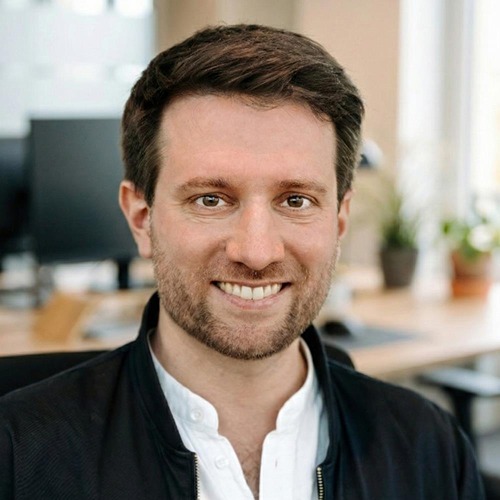
Jakob Kather
Expert in deep learning and foundation models for precision oncology
Heidelberg University, Dresden University of Technology
Jakob Kather is Professor of Medicine and Computer Science at Dresden University of Technology and serves as a senior medical oncologist at University Hospital Dresden. He is also affiliated with the National Center for Tumor Diseases (NCT) in Heidelberg. Prof. Kather’s research focuses on applying AI to precision oncology. His team uses deep learning to analyze clinical data such as histopathology, radiology, text records, and multimodal datasets.

Mingyao Li
University of Pennsylvania Perelman School of Medicine, USA
Dr. Li received her PhD in Biostatistics from the University of Michigan in 2005. Initially trained as a statistical geneticist, she transitioned her research focus to statistical genomics after joining the faculty at the University of Pennsylvania in 2006. Her work aims to deepen our understanding of the molecular mechanisms underlying human diseases. The central theme of her current research involves leveraging statistical, machine learning, and artificial intelligence methods to explore cellular heterogeneity in disease-relevant tissues, characterize gene expression diversity across cell types, study patterns of cell state transitions, and investigate cell-cell crosstalk using single-cell and spatial omics data. More recently, Dr. Li has expanded her expertise to computational pathology, a critical area for processing and analyzing spatial omics data. In addition to developing algorithms and tools, she collaborates with researchers to identify susceptibility genes and key acting cell types for complex diseases. At the University of Pennsylvania, she serves as the Director of the Statistical Center for Single-Cell and Spatial Genomics and chairs the Graduate Program in Biostatistics. Dr. Li is an elected member of the International Statistical Institute, a Fellow of the American Statistical Association, and a Fellow of the American Association for the Advancement of Science.
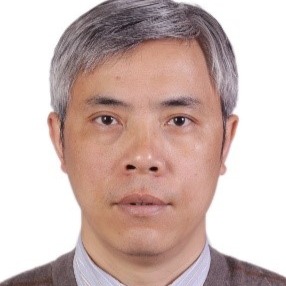
Haiyan Liu
University of Science and Technology of China, China
Haiyan Liu is currently a Chair Professor at University of Science and Technology of China (USTC). He received his B.S. (1990) and Ph.D. (1996) degrees from USTC. He conducted part of his doctoral research as a visiting Ph.D. student at the Laboratory of Physical Chemistry, ETH Zurich (1993–1995), and later pursued postdoctoral training in the Department of Chemistry at Duke University (1998–2000). Since 2001, he has been a Professor of Computational Biology at the School of Life Sciences, USTC. In recent years, his research group has developed and experimentally validated a series of data-driven methods for protein design, including ABACUS and ABACUS-R for amino acid sequence design given a fixed backbone, and SCUBA and SCUBA-D for de novo protein backbone design.

Henrik Nielsen
Technical University of Denmark, Denmark
Henrik Nielsen works in the bioinformatics section at Department of Health Technology, Technical University of Denmark, where he has been an associate professor since 2006. He holds an M.Sc. in biology from University of Copenhagen (1993) and a PhD in biochemistry / theoretical chemistry from Stockholm University (1999). His main research interest has always been the prediction of protein subcellular location in all domains of life. Where is the information that tells the cell where to put which proteins, and what is the nature of this information? To answer these questions, he has used various kinds of machine learning algorithms, notably artificial neural networks and hidden Markov models. His most well-known contribution to the field is the program and web site SignalP which predicts secretory signal peptides. The SignalP web server was launched in 1995 and is now in its sixth major version, based on protein language models (https://services.healthtech.dtu.dk/services/SignalP-6.0/). It is used more than 1,000 times daily, thousands of users have downloaded the program for use on their own computers, and the papers about SignalP have been cited more than 30,000 times.
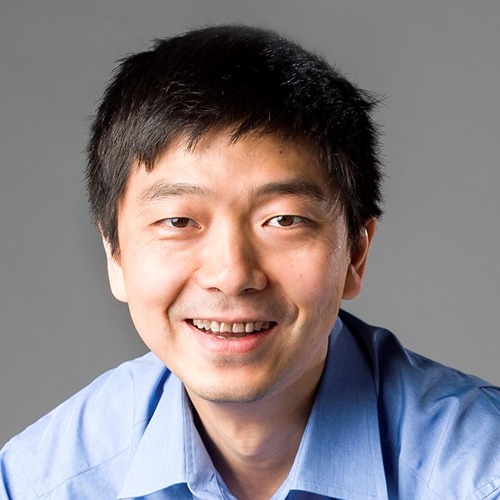
Hoifung Poon
Microsoft Research, USA

Martin Steinegger
Seoul National University, South Korea

Jovan Tanevski
Heidelberg University and Heidelberg University Hospital, Germany
Jovan Tanevski is a group leader at the Institute for Computational Biomedicine, Faculty of Medicine, Heidelberg University and Heidelberg University Hospital, where he also heads the computational platform of the Translational Spatial Profiling Center. His research lies at the intersection of systems sciences and machine learning, focusing on the development of explainable AI/ML and optimization-based methods for data analysis, hypothesis generation, and computational discovery in spatial omics to advance translational biomedicine. In addition to his position in Heidelberg, he is also affiliated with the Department of Knowledge Technologies at the Jožef Stefan Institute in Ljubljana, Slovenia, where he works on applying machine learning to model dynamic biological systems and developing machine learning approaches for surrogate-based modeling of complex dynamical systems.

Kotaro Tsuboyama
The University of Tokyo, Japan
Kotaro Tsuboyama
M.D., Ph.D.
Degrees
The University of Tokyo Ph.D. (Science) 2019
The University of Tokyo M.D. 2016
Research Experience
2023-present Lecturer (PI), IIS (Institute of Industrial Science), UTokyo (The University of Tokyo)
2020-2023 Postdoctoral Researcher, Rocklin lab, Feinberg School of Medicine Northwestern University
Research Advider: Dr. Gabriel J ROCKLIN
2019-2020 Postdoctoral Researcher, RNA function Lab, IQB (Institute for Quantitative Biosciences, UTokyo
Research Adviser: Dr. Yukihide TOMARI
2016-2019 Graduate Student, RNA function Lab, IQB, UTokyo Research Adviser: Dr. Yukihide TOMARI
2014-2016 Undergraduate Student, Molecular biology Lab, Faculty of Medicine, UTokyo
Research Adviser: Dr. Noboru MIZUSHIMA
Honors and Awards (selected)
2019 JSPS Ikusi-Prize (The most prestigious prize for graduate students in Japan)
2019 The University of Tokyo President’s Award for Students (for graduate students)
2016 The University of Tokyo President’s Award for Students (for undergraduates)

Yu Xue
Huazhong University of Science and Technology, China

Jianyi Yang
Research Centre for Mathematics and Interdisciplinary Sciences
Shandong University, China
Jianyi Yang is a Professor of Mathematics and Interdisciplinary Sciences at Shandong University. He has made significant contributions to the field of protein and RNA structure prediction, co-developing several widely-used algorithms, including trRosetta, trRosettaRNA and I-TASSER. His research group achieved remarkable success, winning the protein structure prediction competitions in both CASP15 and CASP16.

Kai Ye
Xi’an Jiaotong University, China
Professor Kai Ye
Position: Professor and Director, Bioinformatics Institute of Xi’an Jiaotong University
Institution: Xi’an Jiaotong University, China
Research Focus:
Professor Kai Ye is an expert in bioinformatics, specializing in developing advanced algorithms and tools for analyzing complex genomic data. His research encompasses structural variant detection, single-cell multi-omics, and systems biology approaches to elucidate mechanisms underlying human diseases and evolution.
Education and work experience
- 1995-09~1999-06 Wuhan University, China, B.S.
- 2000-09~2003-06 Wuhan University, China, M.S.
- 2003-07~2003-12 Wuhan University, China, lecturer
- 2004-01~2008-12 Leiden University, the Netherlands, PhD
- 2008-07~2009-06 European Bioinformatics Institute, United Kingdom, Postdoctoral
- 2009-07~2012-11 Leiden University Medical Center, the Netherlands, Assistant Professor
- 2012-12~2016-02 Genome Institute at Washington University in St. Louis, United States, Assistant Professor
- 2016-02~now Automation department, Xi’an Jiaotong University, China, Professor

Xiaomin Ying
Beijing Institute of Basic Medical Sciences, China
Xiaomin Ying is a professor at Beijing Institute of Basic Medical Sciences. She received her B.S. degree in Automatic Control and Applications and her Ph.D. in Control Science and Engineering. Since then, she has been dedicated to interdisciplinary research on machine learning and biology. Her research interests include multimodal data integration and AI algorithm development for deciphering the mechanisms of biological processes and major diseases. She has received many national grants, including the National Key R&D Program of China (where she served as Chief Scientist) and the National Natural Science Foundation of China. Her research has been published in top-tier journals such as Nature Biotechnology and Gut.