

Organized by Tsinghua University, Nature, Nature Materials, Nature Nanotechnology and Nature Biomedical Engineering.
Special thanks to Beijing Lanthanide Biotechnology Co., Ltd.
The Nature conference on ‘Synthetic Biology for Functional Materials and Devices’ will bring together leading international scientists using synthetic biology to design and engineer molecules, materials and devices with advanced functionalities. The conference, running over 3 days from the 14th – 16th of October 2026, aims to foster the dialogue and exchange of ideas between synthetic biologists, bioengineers, materials scientists, clinical researchers, and industry partners focused on the development engineered materials for biotechnological and biomedical applications. Additionally, we will explore challenges in the design, manufacturing and translation of these functional materials and their clinical use.
Register Now Submit AbstractDeadline: Sep.13, 2026 Contact Us
Event details
Speakers
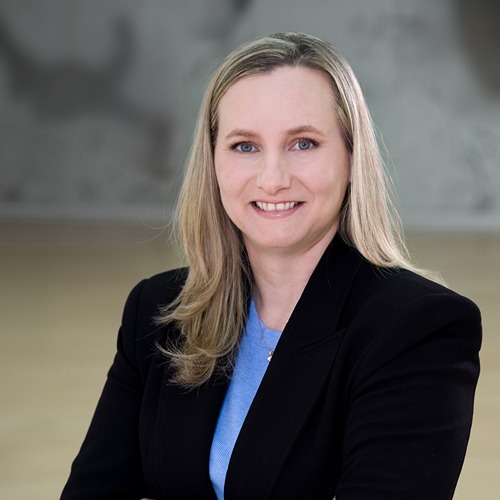
Lihi Adler-Abramovich
Tel Aviv University, Israel
Prof. Lihi Adler-Abramovich is a Full Professor at the School of Dental Medicine, Gray Faculty of Medical & Health Sciences, and Head of the Laboratory of Bioinspired Materials and Nanotechnology. Her research focuses on self-assembled peptide nanostructures and bioinspired functional biomaterials, with applications in regenerative medicine and bioelectronic interfaces. She has received numerous prestigious grants and awards, including the 2026 Rappaport Prize for Excellence in Biomedical Research (Promising Researcher category), and was recently elected a Senior Member of the American National Academy of Inventors (NAI). Her honors also include an ERC Starting Grant and the ISF Center of Excellence. She has authored over 130 peer-reviewed publications (H-index 49), holds more than 15 patents, and is a co-founder of Arrakis Bio, a company specializing in high-yield collagen expression in mammalian cells.

David Baker
University of Washington, USA
Virtual
David Baker is a Nobel laureate, professor of biochemistry, HHMI investigator, and director of the Institute for Protein Design at the University of Washington. His lab develops software for protein design and uses it to create molecules that address challenges in medicine, technology, and sustainability. Recent work includes the development of machine learning methods for generating functional proteins.
David is also an adjunct professor of genome sciences, bioengineering, chemical engineering, computer science, and physics at the University of Washington. He has published more than 650 scientific papers, been awarded over 100 patents, and co-founded 21 biotechnology companies. More than 100 of his trainees have gone on to independent faculty positions.
He is the recipient of numerous awards, including the 2024 Nobel Prize in Chemistry “for computational protein design.” He is an elected member of the National Academy of Sciences, National Academy of Engineering, and National Academy of Inventors. David was also included on TIME’s inaugural list of the 100 Most Influential People in health.
David received his PhD in biochemistry with Randy Schekman at the University of California, Berkeley, and conducted postdoctoral research in biophysics with David Agard at UCSF.
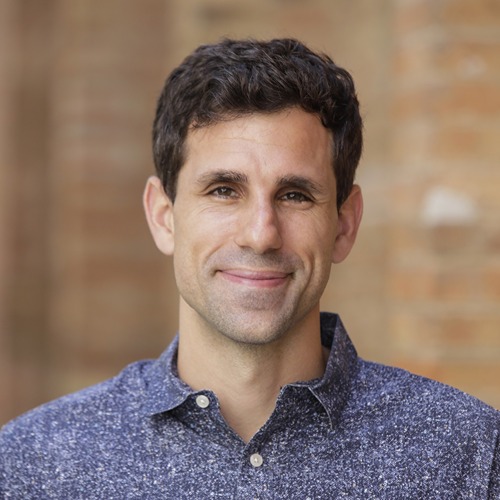
Cesar de la Fuente
University of Pennsylvania, USA
César de la Fuente is a Presidential Associate Professor at the University of Pennsylvania, where he is Director of the Machine Biology Group. He is one of the youngest tenured professors in the history of Penn Medicine. He completed postdoctoral research at the Massachusetts Institute of Technology (MIT) and earned a PhD from the University of British Columbia (UBC).
De la Fuente’s research aims to use the power of machines to accelerate discovery in biology and medicine. He pioneered the development of the first computer-designed antibiotic with efficacy in animal models, helping establish AI-driven antibiotic discovery as an emerging field. His lab develops computational methods to mine the world’s biological information, enabling the identification of more than one million antimicrobial compounds and reframing the human body itself as a rich, systematic source of antibiotics. This work began with the first comprehensive exploration of the human proteome for antibiotics, which revealed a previously unrecognized branch of host immunity.
His group also launched the field of molecular de-extinction by becoming the first to identify therapeutic molecules in extinct organisms, an approach that has already yielded preclinical antibiotic candidates including neanderthalin, mammuthusin, and elephasin. Beyond eukaryotes, his lab has expanded antibiotic discovery across other branches of the tree of life. By computationally analyzing microbial dark matter, the team identified nearly one million additional antibiotic molecules and released them open access to accelerate worldwide synthesis, characterization, and development. This effort leveraged machine learning to analyze 63,410 metagenomes and 87,920 microbial genomes. In parallel, through computational exploration of thousands of human microbiomes, de la Fuente and collaborators discovered numerous antimicrobial agents, including prevotellin-2 from the gut microbe Prevotella copri.
Collectively, these initiatives have compressed the time required to identify preclinical candidates from years to hours, with estimated speedups on the order of several million-fold—saving years of human research and transforming what once demanded decades of collective effort into workflows that can be executed within hours. To support this work, his lab has developed the APEX AI stack—APEX, ApexGO, ApexDuo, and ApexOracle—for sequence-to-function prediction, computational optimization, multimodal therapeutic design, and rapid-response discovery. Additional advances from his lab include reprogramming venoms into antimicrobials, developing autonomous nanorobots to treat infections, creating resistance-proof antimicrobial materials, and inventing rapid, low-cost diagnostic devices for COVID-19 and other infections. He is an NIH MIRA investigator and has received recognition and research funding from numerous organizations.
De la Fuente has received numerous national and international awards. He is an elected Fellow of the American Institute for Medical and Biological Engineering (AIMBE), becoming one of the youngest ever inducted, and was recognized by MIT Technology Review as one of the world’s top innovators for “digitizing evolution to make better antibiotics.” His honors also include the inaugural Langer Prize, ACS Kavli Emerging Leader in Chemistry recognition, ASM Distinguished Lecturer, Waksman Foundation Lecturer, the Miklós Bodanszky Award, AIChE’s 35 Under 35 Award, the Society of Hispanic Professional Engineers Young Investigator Award, the ACS Infectious Diseases Young Investigator Award, the Thermo Fisher Award, and the EMBS Academic Early Career Achievement Award for pioneering the development of antibiotics designed using principles from computation, engineering, and biology. More recently, he has received the Princess of Girona Prize, the ASM Awards for Early Career Applied and Biotechnological Research and for Early Career Basic Research, the Rao Makineni Lectureship Award from the American Peptide Society, and the Fleming Prize, and was selected as a National Academy of Medicine Emerging Leader in Health and Medicine. He has been named a Sloan Fellow and selected by the World Economic Forum to the Young Global Leaders Class of 2025. In 2026, de la Fuente was elected as a Fellow of the Royal Society of Biology.
He serves on the editorial boards of numerous scholarly journals and is currently an Associate Editor of Drug Resistance Updates, Nature Communications Biology, Bioactive Materials, Bioengineering & Translational Medicine, and Digital Discovery. He has been named a Clarivate Highly Cited Researcher (top 1% most cited in the world) multiple times and received an Honorary Doctorate from the University of Leon at age 39. Prof. de la Fuente has delivered around 400 invited lectures, including many keynote and named lectures, and has also spoken at TEDx. He has co-authored an influential book on machine learning for drug discovery, secured multiple patents, and published around 200 peer-reviewed papers in journals including Cell, Science, Cell Host & Microbe, Nature Biomedical Engineering, Nature Microbiology, Nature Communications, and PNAS.
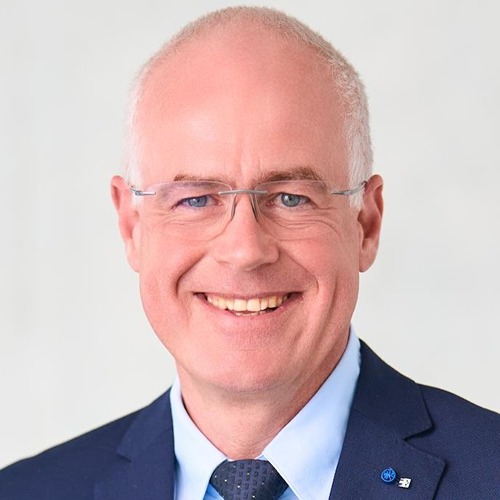
Martin Fussenegger
ETH Zurich & University of Basel, Switzerland
Fussenegger trained with Nobel Laureate Werner Arber at the Biozentrum of the University of Basel and conducted his doctoral and postdoctoral research at the Max Planck Institutes in Tübingen and Berlin before joining ETH Zurich. In 2008, he moved to Basel to help establish D-BSSE. His scientific contributions have been recognized by numerous distinctions, including two consecutive ERC Advanced Grants, the James E. Bailey Award, the Merck Cell Culture Engineering Award and the ESACT Medal. He is a member of EMBO, Academia Europaea, Acatech and the Swiss Academy of Engineering Sciences, a Fellow of the American Institute for Medical and Biological Engineering, and an international member of the U.S. National Academy of Engineering.
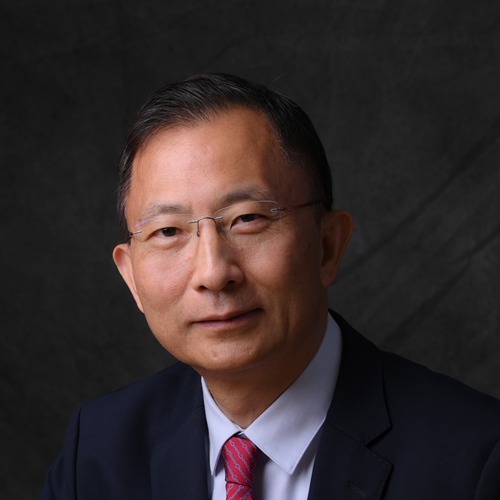
Huajian Gao
Tsinghua University, China
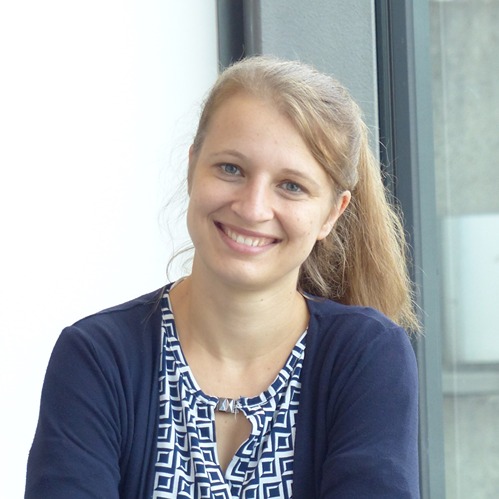
Kerstin Göpfrich
Heidelberg University, Germany
Kerstin Göpfrich is a full professor at the Center for Molecular Biology of Heidelberg University (ZMBH), where her lab works at the interface of synthetic biology, biophysics and DNA/RNA nanotechnology. Her group builds synthetic cells from the bottom up and develops RNA origami as a genetically encodable machinery. Her work is supported by an ERC Starting Grant and an HFSP grant, as well as several prizes including the Alfried Krupp Prize and an Allen Distinguished Investigator Award. She is co-spokesperson of the new Cluster of Excellence SynthImmune at Heidelberg, which aims to bring bottom-up approaches to synthetic immunology to the clinic.
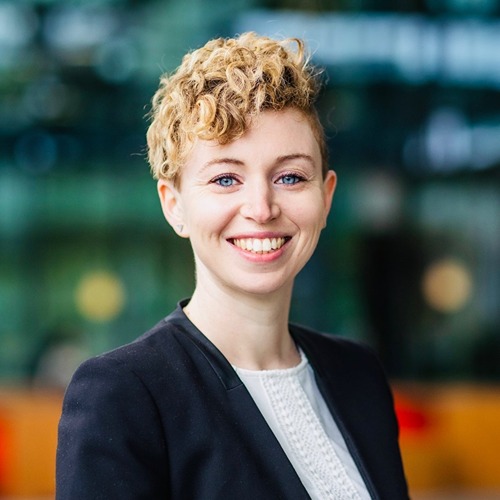
Francesca Grisoni
Eindhoven University of Technology, The Netherlands
Francesca Grisoni is an Associate Professor at the Eindhoven University of Technology, where she leads the Molecular Machine Learning Team. Her research focuses on developing machine learning approaches tailored to drug and molecule discovery, at the interface between computation and experimental validation. Francesca received her Ph.D. in the group of Prof. R. Todeschini (University of Milano-Bicocca) on molecular machine learning for bioactivity prediction. After working in industry for a year, she joined at ETH Zurich (Prof. G. Schneider’s group) as a postdoctoral researcher focusing on scaffold hopping approaches and generative deep learning. Prof. Grisoni’s research has been recognized several prizes and grants, such as the Excellence Award from the Federation of European Biochemical Societies (FEBS), the Royal Netherlands Academy of Arts and Sciences (KNAW) Early Career Award, a personal Vidi grant from the Dutch Research Council (NWO), and an European Research Council (ERC) Starting Grant.
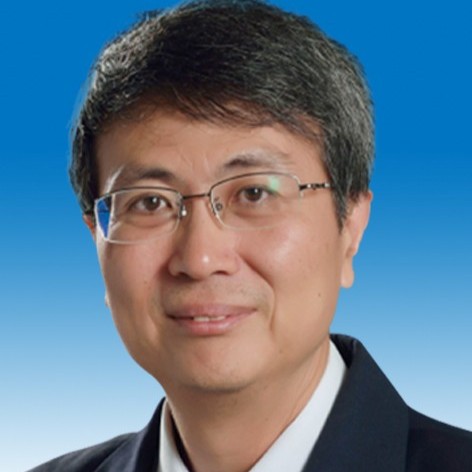
Jiandong Huang
The University of Hong Kong, China
Prof. Huang earned his BS degree from Fudan University, Shanghai and went to the US through the CUSBEA program to pursue his PhD study in transcriptional regulation during fruit fly embryonic pattern formation. He earned his PhD degree from the University of California, Los Angeles. Thereafter, Prof. Huang received his postdoctoral training in mouse genetics at National Cancer Institute, NIH in the USA. During this period, Prof. Huang was the first to report that the two major intracellular transportation systems of mammalian cells, the microtubule- and actin-filament-based systems directly interact with each other through their motor proteins, kinesin and myosin. Later, he established his own laboratory at the University of Hong Kong. Prof. Huang is now the Chair Professor of Synthetic Biology and the L & T Charitable Foundation Professor in Biomedical Sciences in the School of Biomedical Sciences, the University of Hong Kong.
Prof. Huang’s current research focuses on two areas: synthetic biology and intracellular transportation. For intracellular transportation study, Prof. Huang has focused on illustrating the functions of a microtubule-based motor molecular, Kinesin-1, in different cell types, aiming at understanding its roles in different cell types in development and disease. For synthetic biology, Prof. Huang has created novel genetic circuits for the control of gene expression and hence biological behavior. One successful example is the design and assembly with his colleagues of a genetic circuit for the spatiotemporal control of cell distribution and function. This new circuit was used to reveal how repetitive biological structure could be generated and how the number of repeats in biological structures can be controlled. Most recently, his team further engineered the interactions among multiple cell types to generate biological structures. The abilities for spatiotemporal control of gene activities, cell-cell interactions, cell distribution and functions are very useful for future preventive and therapeutic medicine, which Prof. Huang is applying to vaccine development and cancer therapy.
Hongbin Li
University of British Columbia, Canada
Kewang Nan
Zhejiang University, China
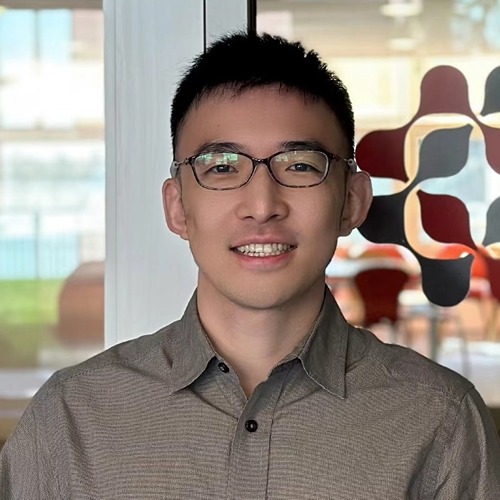
Prof. Kewang Nan is a ZJU100 Professor in the School of Pharmacy at Zhejiang University and an adjunct professor at the Second Affiliated Hospital of Zhejiang University School of Medicine. His research lies at the interface of bioelectronics, biomedical devices, synthetic biology, and drug delivery, with a focus on developing intelligent therapeutic systems that can sense, compute, and intervene in living organisms. He completed his Ph.D. and postdoctoral training at the University of Illinois Urbana-Champaign, Harvard University, and MIT, and became an independent PI at Zhejiang University in 2023. He has published more than 30 journal articles as first or corresponding author, including papers in Nature Materials, Nature Biomedical Engineering, Nature Communications, multiple Nature Reviews, Science Advances, and holds 6 Chinese patents. He also serves as a young editorial board member for journals including Med-X, Soft Science, and Bio-Design and Manufacturing, and has served in organizing roles for international conferences such as the IEEE-NSENS and the BMES Annual Meeting.
Prof. Nan’s current research aims to create biohybrid and electronic–synthetic biology platforms for adaptive medicine. His group develops retrievable living drug depots, electronically regulated encapsulated cell therapies, ingestible and implantable bioelectronic devices, and closed-loop drug delivery systems that combine engineered cells or microbes with flexible sensors, microfluidics, and programmable electrical control. These platforms are designed to overcome the limitations of conventional drug depots by enabling sustained in situ production of therapeutic molecules, real-time physiological sensing, and on-demand modulation of therapeutic output. Through this work, his laboratory seeks to establish a new generation of functional materials and devices in which synthetic biology and bioelectronics are integrated for long-term, localized, and intelligent theranostic applications.
Guangjun Nie
University of Chinese Academy of Sciences, China
Dr. Guangjun NIE is a principal investigator and deputy director at the National Center for Nanoscience and Technology of China. He obtained his doctoral degree from the Institute of Biophysics, Chinese Academy of Sciences, in 2002. After that, he conducted postdoctoral research at McGill University in Canada. In 2008, he joined the National Center for Nanoscience and Technology. He was the founding director of Materials Biology and Precision Therapy at the Chinese Biophysical Society, the director of the Nanotechnological Oncology, Chinese Anticancer Association, and council member of the Chinese Society for Biomaterials, a Fellow of the American Institute for Medical and Biological Engineering (AIMBE) and a Fellow of the Royal Society of Chemistry (FRSC) of the UK. He is the Executive Editor of Nano Letters, the Associate Editor of Life Medicine, and a member of the editorial board of Fundamental Research and Nano Today.
His research focuses on nanomedicines for sensing and regulating the disease microenvironment, leading to significant advancements in areas such as vascular, ECM, and immune regulation of diseases, drug-delivery nanorobots, and nanovaccines. He has authored over 340 peer-reviewed papers in prestigious journals, including Nature Biotechnology and Science Translational Medicine, and secured 30 patents, successfully transferring three of them to biotech companies. His papers have accumulated over 32,000 citations, with an H-index of 99, according to Google Scholar. He has received numerous prestigious awards, including the Yiling Biomedical Youth Award from the Chinese Pharmaceutical Association in 2016, the Second Prize of the Science and Technology Award from the same association in 2018, and recognition as one of the Top Ten Scientific Advances in China in 2018. Additionally, he was honored with the First Prize of the Beijing Natural Science Award in 2020, the First Prize of the Tianjin Science and Technology Progress Award, the First Prize of the Science and Technology Award from the Chinese Anti-Cancer Association, and the First Prize of the Contribution Award for the Overseas Chinese Community in 2022, the First Prize of the Biomaterials Society Science and Technology in 2025.
Velia Siciliano
Italian Institute of Technology (IIT), Italy
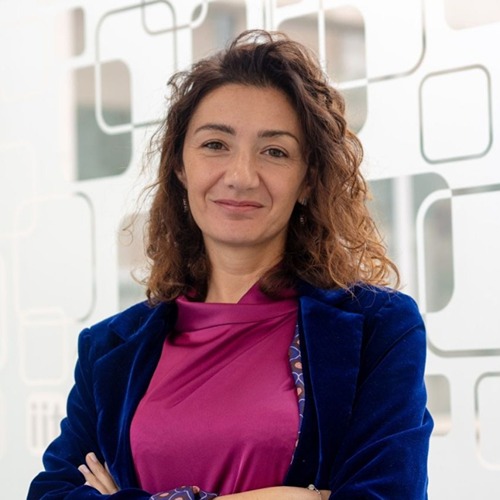
Dr. Velia Siciliano is a leading scientist in synthetic biology, mammalian cell engineering, and immunotherapy, currently serving as Tenured Principal Investigator at the Italian Institute of Technology (IIT), where she directs the Laboratory of Synthetic and Systems Biology for Biomedicine. With training in bioengineering and human genetics at Telethon Institute of Genetics and Medicine , and postdoctoral research at the Massachusetts Institute of Technology (MIT), she has built an internationally recognized research program focused on designing programmable mammalian cells for biomedical applications. Her work combines synthetic biology, systems biology, gene regulation, computational modeling, and immunoengineering to create next-generation cell therapies and diagnostic technologies.
Her research has made pioneering contributions to understanding and overcoming the fundamental limitations of mammalian cell engineering. Dr. Siciliano was among the first researchers to demonstrate how intracellular resource competition constrains synthetic gene circuits in mammalian cells, leading to innovative engineering solutions that improve robustness and predictability of therapeutic cell design. Her laboratory has developed advanced synthetic circuits, RNA-based regulatory systems, protein sensor-actuator devices, and programmable immune cells, with a strong focus on enhancing CAR-T cell therapies and combating T-cell exhaustion in cancer immunotherapy. More recently, her group has pioneered synthetic communication systems between engineered T cells and macrophages to improve treatment of solid tumors.
An internationally recognized leader in the field, Dr. Siciliano has secured multiple prestigious grants, including ERC Starting, Consolidator, and Proof-of-Concept funding, Horizon Europe projects, and major national research awards. She has authored influential publications in journals such as Nature Communications, Nature Biotechnology, Nucleic Acids Research, and ACS Synthetic Biology, contributing foundational advances in synthetic biology for medicine. Her work also bridges computational and experimental biology, integrating mathematical modeling, RNA engineering, and synthetic immunology to create more effective and adaptive therapeutic systems.
Beyond research, Dr. Siciliano plays an active role in shaping the global scientific community. She serves on advisory and editorial boards including the World Health Organization Global Health Foresight Committee, the European Synthetic Biology Society, and several international journals. She has been recognized with numerous honors, including MIT Innovators Under 35, Forbes Top 150 Women in Science and Technology, Inspiring Fifty, and repeated selection among Italy’s “Unstoppable Women.” Through mentoring, international collaborations, and scientific leadership, she continues to drive innovation in synthetic biology and translational biomedicine worldwide.
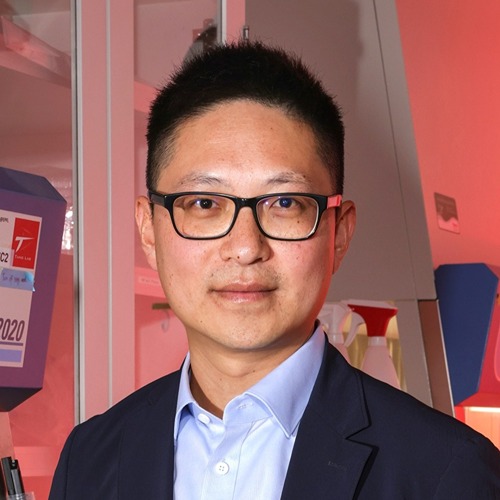
Li Tang
EPFL, Switzerland
Li Tang is an Associate Professor at EPFL’s Institute of Bioengineering, Switzerland, where he also serves as Vice Dean for Innovation at the School of Life Sciences and is Co‑Founder & Chairman of Leman Biotech. He received his B.S. in Chemistry from Peking University, China, in 2007, and Ph.D. in Materials Science and Engineering from University of Illinois at Urbana-Champaign, USA, in 2012, under the supervision of Prof. Jianjun Cheng. He was a CRI Irvington Postdoctoral Fellow in the laboratory of Prof. Darrell Irvine at Massachusetts Institute of Technology during 2013-2016. He joined the faculty of Institute of Bioengineering, and Institute of Materials Science & Engineering, at École polytechnique fédérale de Lausanne (EPFL), Switzerland, as a Tenure-Track Assistant Professor in 2016, and promoted to Associate Professor with tenure in 2022. His research focuses on multidimensional immunoengineering to advance cancer immunotherapies. Prof. Tang has received many prestigious awards, including the ERC Consolidator Grant (2025) and Starting Grant (2018), Biomaterials Award for Young Investigators (2024), Biomaterials Science Lectureship (2025), Leenaards Prize for Translational Medical Research (2025), Friedrich Miescher Award (2025), and Lem Prize (2025), and was named to Clarivate Highly Cited Researcher (2025), and MIT Technology Review’s “Top 35 Innovators Under 35” in China (2020).
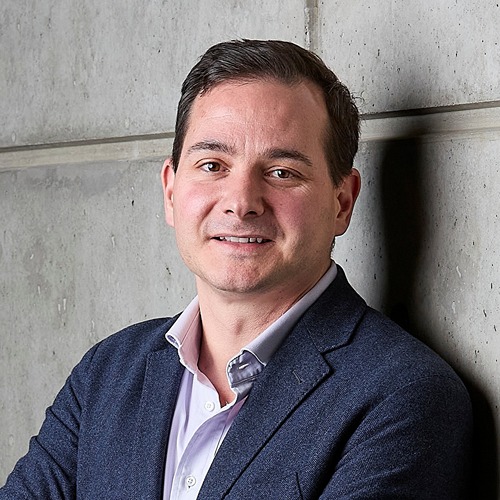
Andreas Walther
University of Mainz, Germany
Andreas Walther is a Professor for Macromolecular Materials and Systems at the Department of Chemistry at the Johannes Gutenberg University in Mainz (Germany), as well as a Max Planck Research Fellow at the MPI for Polymer Research. He is one of the pioneers of the field of life-like materials and systems that integrate dynamic processes and principles of chemical intelligence inspired from the basic principles of life. He was appointed to his present position in Mainz in 2020 with the prestigious support of the Gutenberg Research College. Andreas Walther is the recipient of an ERC Starting Grant and of an ERC Consolidator Grant. He was a co-founder of the DFG Cluster of Excellence on "Living, Adaptive and Energy-Autonomous Materials Systems" (livMatS).
Shutao Wang
Technical Institute of Physics And Chemistry, CAS, China
Shutao Wang serves as Deputy Director of the Technical Institute of Physics and Chemistry, CAS, and Dean of the School of Future Technology, UCAS. He is a Fellow of the Royal Society of Chemistry and the Chinese Chemical Society. His research focuses on bioinspired multi-scale controllable adhesive interfaces. He put forward the concept integrating topological matching and molecular recognition. He has published over 300 peer-reviewed papers with more than 32,000 citations and received numerous prestigious academic awards. He is Associate Editor of ACS Nano and holds other key academic service roles.
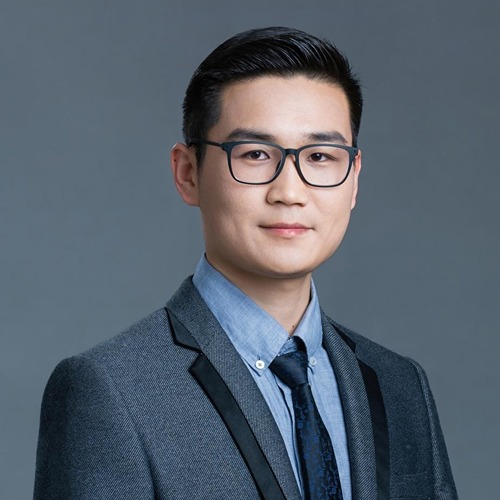
Yi Wu
Tianjin University, China
Yi Wu is currently a Chair Professor and Head of the Department of Synthetic Biology at the School of Synthetic Biology and Biomanufacturing, and a Principal Investigator at the State Key Laboratory of Synthetic biology, Tianjin University. He received his Ph.D. in Biochemical Engineering from Tianjin University (supervised by Prof. Yingjin Yuan) in 2018, and was a visiting scholar at New York University (supervised by Prof. Jef Boeke) from 2014 to 2016. He joined Tianjin University as an Associate Professor in 2018 and was promoted to Professor in 2021. Prof. Wu is a Chief Scientist of a National Key R&D Program project in Synthetic Biology, and has been selected for the Ministry of Education's U40 Program and National Ten Thousand Talents Program for Young Top-Notch Talents. His research focuses on synthetic genomics, dedicated to enhancing the technological capability of genome manipulation and exploring the scientific limits of genome redesign. He has authored over 20 academic papers in leading journals including Science, Cell Research, Cell Genomics, Nature Protocols, and Nature Communications. Related work was selected as one of China's Top Ten Scientific Advances in 2017 and received the First Prize of Tianjin Natural Science Award in 2018.
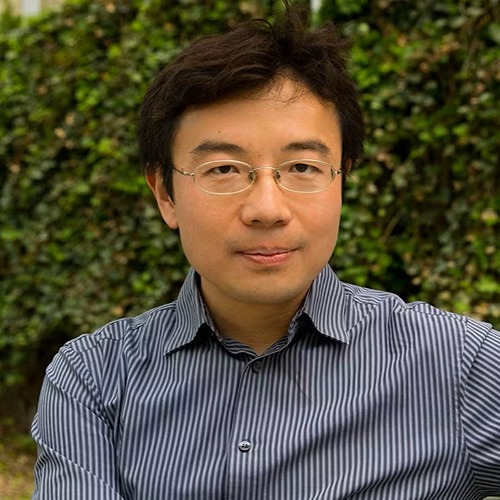
Peng Yin
Harvard Medical School, USA
Peng Yin is a Professor of Systems Biology at Harvard Medical School, and a Core Faculty Member at the Wyss Institute for Biologically Inspired Engineering at Harvard University. He received a B.S. in Biochemistry and Molecular Biology and a Bachelor of Economics from Peking University, a M.S. in Molecular Pharmacology and a Ph.D. in Computer Science from Duke University, and finished postdoc training at Caltech. His lab focuses on developing and translating molecular technologies for life science research and medical applications.
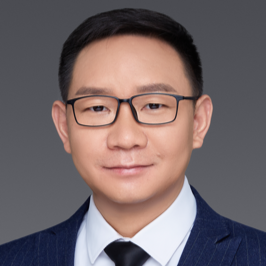
Chao Zhong
Shenzhen Institutes of Advanced Technology, Chinese Academy of Sciences, China
Chao Zhong is currently a Professor at the Shenzhen Institutes of Advanced Technology, Chinese Academy of Sciences, where he holds the position of Vice Director of the Institute of Synthetic Biology. Additionally, he serves as the Deputy Director of the National Key Laboratory of Quantitative Synthetic Biology and the Director of the Shenzhen Key Laboratory of Materials Synthetic Biology. He is the recipient of several prestigious honors, including the National Science Fund of China for Distinguished Young Scholars. Dr. Zhong serves as the topic editor for ACS Synthetic Biology (2023-2014), and is a member of the editorial boards of several international journals, such as Materials Today Bio and Current Research in Chemical Biology.
Dr. Zhong’s research lies at the intersection of synthetic biology and materials science, with a primary focus on the emerging field of materials synthetic biology. His work explores the development of novel materials through synthetic biology approaches, including engineered living materials and programmable biomaterials. He has authored over 70 academic papers, with corresponding-author contributions in leading journals such as Nature, Nature Biotechnology, Nature Nanotechnology, Nature Chemical Biology, and Nature Reviews Materials. His innovations have resulted in 12 granted patents and over 30 pending patent applications. In 2021, Dr. Zhong founded PAM2L Biotechnologies Co., Ltd., a company dedicated to advancing new materials through synthetic biology, with a particular emphasis on the application and promotion of biomaterials in the health, longevity, and beauty sectors.
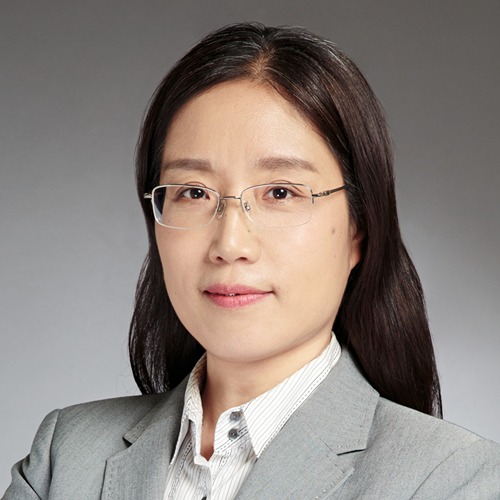
Rong Zhu
Tsinghua University, China
Rong Zhu is Full Professor at Department of Precision Instrument in Tsinghua University, China. She is also serving as Executive Vice President of MEMS&NEMS Society, China Instrument and Control Society. Prof. Zhu has been working on research and development of micro/nano electromechanical system, advanced sensors and advanced instruments for smart robot, healthcare, and biomedical applications. She has proposed new concept of piezo-thermic transduction and developed multifunction sensors and flexible e-skin based on thermo-sensation for robotic tactile perception/control and wearable healthcare. She has also proposed and developed multifunction biochip for real-time and label-free single-cell multimodal analyses to promote personalized and mechanism-driven cancer treatment protocols. Prof. Zhu has published more than 200 peer-reviewed journal/conference papers, and held more than 30 granted patents. She has served as co-chair and ETPC of ICMAN and Transducers conference, and has won National Technological Invention Award (China), Provincial and Ministerial Award for Science and Technology Progress (China), Golden Awards of International Invention Exhibition, Transducers Outstanding Paper Award, World Artificial Intelligence Conference Outstanding Paper Award, etc.
Xiaolei Zuo
Shanghai Jiao Tong University, China
Xiaolei Zuo, is a professor at Institute of Molecular Medicine, Shanghai Jiao Tong University (SJTU). He is a recipient of the National Science Fund for Distinguished Young Scholars, a Principal Investigator of the National Key Research and Development Program of China. He has received numerous honors and awards, including the First Prize of the Shanghai Natural Science Award (2024) and the Zhuang Changgong Progress Award in Chemical Science and Technology (2022). He was also awarded the First Prize of the CAIA Award (China Association for Instrumental Analysis, 2017, as lead principal investigator).
Professor Zuo’s research focuses on Framework Nucleic Acids, Biosensing, and DNA Data Storage. He has published over 100 papers in leading academic journals, including Nature Nanotechnology, Nature Biomedical Engineering, Nature Protocols, Science Robotics, Chemical Reviews, Journal of the American Chemical Society (JACS), and Angewandte Chemie International Edition. His work has been featured in journal such as Nature Reviews Materials, accumulating over 12,000 citations. He also holds more than 30 national invention patents.