Event details
The Forum will bring together scientists, engineers, and researchers from across disciplines to explore the current state and future directions of sensing technologies. The programme will feature expert talks, discussions on emerging opportunities and challenges in the field, and an interactive session in which Nature Sensors editors and leading experts will jointly examine key issues and potential solutions shaping the next generation of sensing.
Attendees will also have the opportunity to engage with researchers during a dedicated poster session, providing a platform for students and participants to showcase their work and exchange ideas.
Join us in Seoul for a day of scientific insight, community building, and a first look at the vision behind Nature Sensors.
Speakers
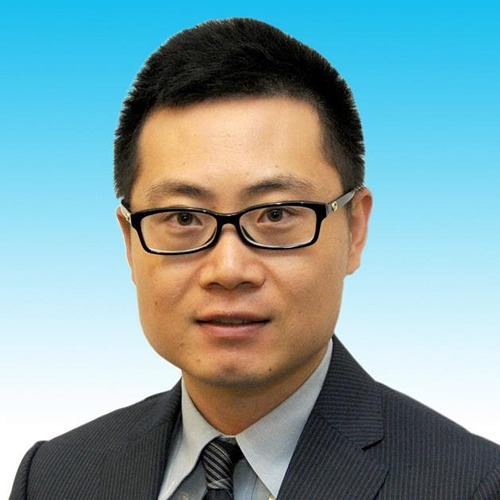
Xinge YU
City University of Hong Kong, China
Xinge Yu is a Professor of Biomedical Engineering at City University of Hong (CityU), the Member of the Hong Kong Young Academy of Sciences, Young Member of Hong Kong Academy of Engineering. He is the Associate Director of Institute of Digital Medicine at CityU, Associate Director of Hong Kong Centre for Cerebro-cardiovascular Health Engineering. Prof Yu is the recipient of NSFC Distinguished Young Scientist Grant (Scheme A), RGC Research Fellow, NSFC Excellent Young Scientist Grant (Hong Kong & Macao), Innovators under 35 China (MIT Technology Review), New Innovator of IEEE NanoMed, MINE Young Scientist Award, Stanford's top 2% most highly cited scientists etc. Prof. Yu is the Associate Editor of Science Advances, Microsystem & NanoEngineering, Bio-Design and Manufacturing etc. Xinge Yu’s research group is focusing on skin-integrated electronics and systems for VR and biomedical applications. He has published 200 papers in Nature, Nature Materials, Nature Biomedical Engineering, Nature Machine Intelligence, Nature Communications, Science Advances etc., and 50 patents filed/granted.
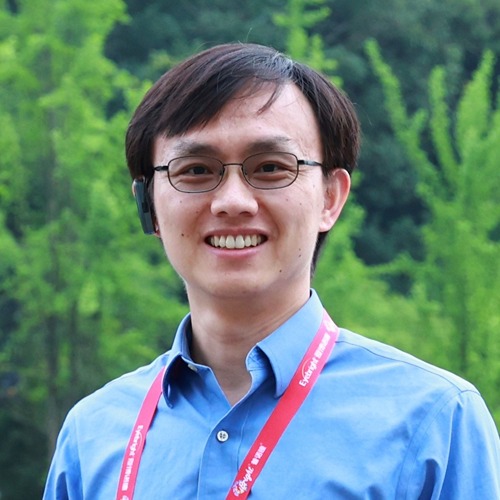
Sheng Xu
Stanford University
Dr. Sheng Xu is a tenured professor and the inaugural Director of Emerging Technologies in the Department of Anesthesiology, Perioperative and Pain Medicine at Stanford University, with courtesy appointments in Electrical Engineering and Materials Science and Engineering. He earned his B.S. degree in Chemistry from Peking University and his Ph.D. in Materials Science and Engineering from the Georgia Institute of Technology. Subsequently, he pursued postdoctoral studies at the Materials Research Laboratory at the University of Illinois at Urbana-Champaign. He then spent 10 years on the faculty at UC San Diego before joining Stanford in 2025. His research group is interested in developing new materials and fabrication methods for soft electronics. His research has been presented to the United States Congress as a testimony to the importance and impact of NIH funding.
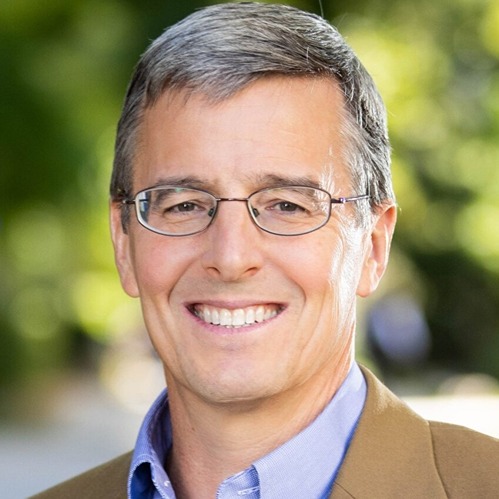
John A. Rogers
Northwestern University, USA
Professor John A. Rogers began his career at Bell Laboratories as a Member of Technical Staff in the Condensed Matter Physics Research Department in 1997, and served as Director from the end of 2000 to 2002. He then spent thirteen years at the University of Illinois, as the Swanlund Chair Professor and Director of the Seitz Materials Research Laboratory. In 2016, he joined Northwestern University as the Simpson/Querrey Professor, where he is also Director of the Institute for Bioelectronics. He has co-authored nearly 1000 papers and he is co-inventor on more than 100 patents. His research has been recognized by many awards, including a MacArthur Fellowship (2009), the Lemelson-MIT Prize (2011), the Smithsonian Award for American Ingenuity in the Physical Sciences (2013), the Benjamin Franklin Medal (2019), a Guggenheim Fellowship (2021), the James Prize from the NAS (2022) and the IEEE Biomedical Engineering Award (2024). He is a member of the National Academy of Engineering, the National Academy of Sciences, the National Academy of Medicine and the American Academy of Arts and Sciences.
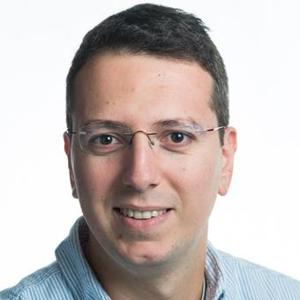
Simone Fabiano
Linköping University (LiU)
In 2012, he earned his PhD in Chemistry from the University of Palermo (Italy) with a work aimed at controlling the molecular packing of organic semiconductors for efficient charge transport in thin film transistors and solar cells. From 2010, he also worked as a visiting PhD student in the group of Prof. Maria Antonietta Loi at the Zernike Institute for Advanced Materials of the University of Groningen (The Netherlands).
In 2012, he carried out postdoctoral research at Linköping University (Sweden) with Prof. Magnus Berggren, and in 2016 he joined the group of Prof. Antonio Facchetti and Prof. Tobin J. Marks at Northwestern University (USA), where he worked as a Marie Curie Fellow and a VINNEMER Fellow until December 2017.
Simone Fabiano is now an Associate Professor at the Department of Science and Technology at Linköping University, where he guides the research activities of the Organic Nanoelectronics group. Since October 2020, he is also a Docent in Applied Physics.
His research interests include the development of organic conductors and mixed ion-electron conductors for printed electronics and neuromorphic computing.
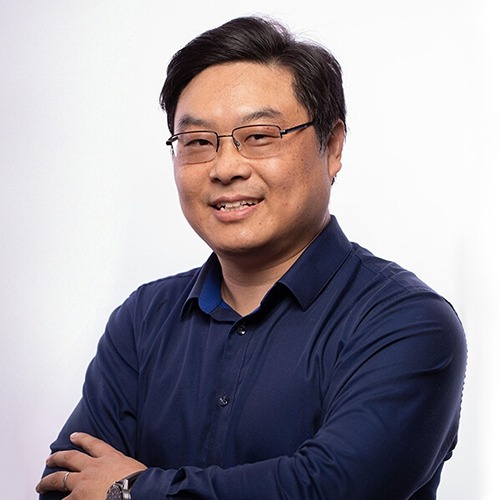
Joshua Yang
University of Southern California

Zheng Vitto Han
Shanxi University, China
Zheng Vitto Han is a research professor at the Institute of Optoelectronics, Shanxi University, China. He also serves jointly as the deputy lab director at the Liaoning Academy of Materials (LAM) and the director of the Institute of Quantum Materials and Devices at LAM in Shenyang, China. He obtained his Ph.D. at the Néel Institute, CNRS, France, and conducted postdoctoral research at Columbia University in New York City. His research primarily focuses on the emerging physical properties of functional materials at mesoscopic scales and on further implementing these interesting properties in future applications of nano-assemblies and nanoelectronics. Over the past few years, his team has uncovered a series of novel physical phenomena and nanostructures, such as the demonstration of a finFET with a single atomic fin, the realization of robust quantum Hall phases through the interfacial charge transfer and the induced charge orderings, the development of van der Waals polarity-engineered 3D integration of 2D complementary logic. The related works have been published in journals including Nature, Nature Nanotechnology, Nature Electronics, and Nature Communications.
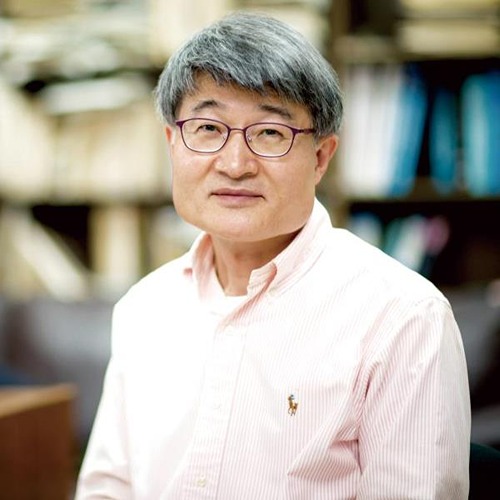
Kilwon Cho
Postech
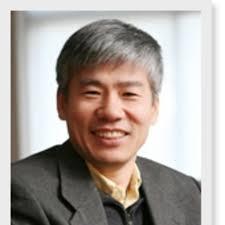
Nae-Eung Lee
Sungkyunkwan University (SKKU)
He has authored hundreds of publications in the fields of nanomaterials, nanoelectronics and biointegrated sensing technologies, and leads the Semiconductor Nano-systems Laboratory at SKKU.

Elisa Donati
University of Zurich

Sahika Inal
King Abdullah University of Science and Technology (KAUST)
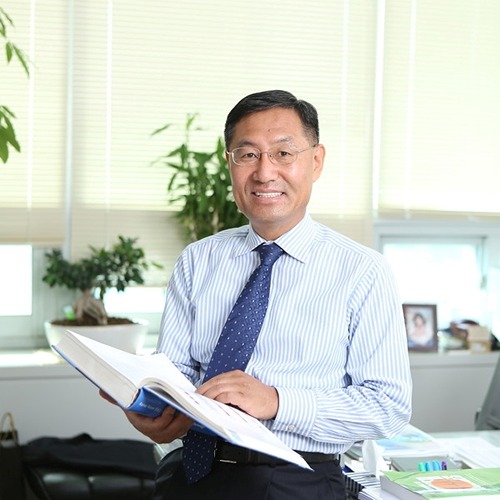
Yang-Kook Sun
Hanyang University
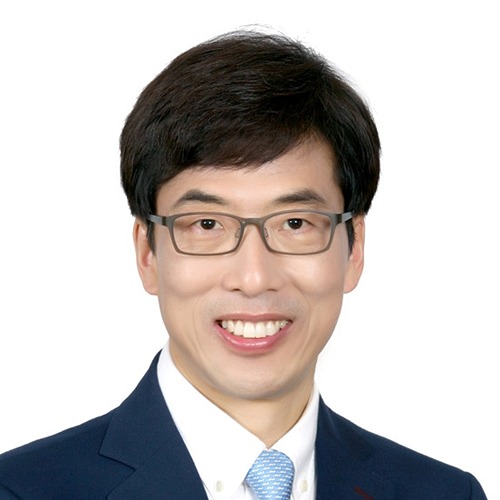
Jinwoo Cheon
Yonsei University
Panelists
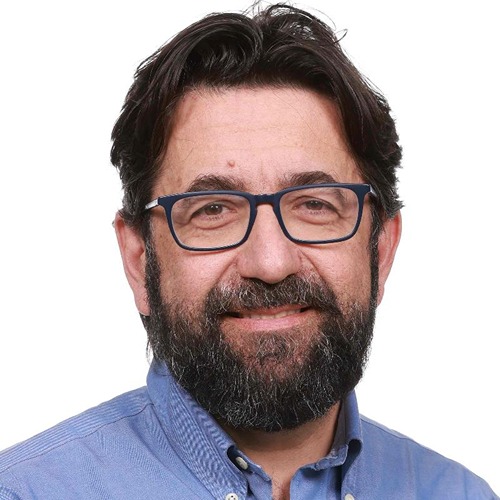
Silvestro Micera
École Polytechnique Fédérale de Lausanne
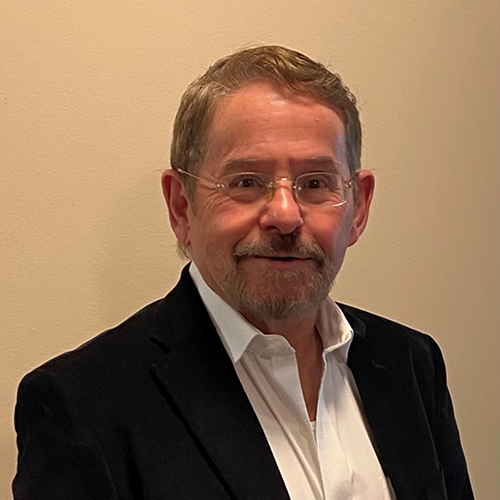
Joseph Wang
University of California, San Diego (UCSD), USA
Joseph Wang is a Distinguished Professor of Chemical and Nanoengineering, a SAIC Endowed Professor and the Director of the Center of Wearable Sensors (CWS) at the University of California San Diego (UCSD), La Jolla USA. Before joining UCSD at 2008, Wang served as the Director of the Center of Bioelectronics at the Biodesign Institute of ASU (Tempe, AZ). Dr. Wang has made pioneering contributions to the fields of wearable sensors, biosensors, electroanalytical chemistry, remote environmental sensors, multi-modal sensors, and microscale robots.
He is a member of the US National Academy of Inventors, and of the European Academies of Engineering and of Science and Arts, and a fellow of the RSC, ECS and AIMBE. He has authored over 1300 research papers, 12 books, and 60 patents. Wang has been a Thomson Reuters Highly Cited Researcher since 2015 (H Index 225). Wang holds Honorary Professor from 11 different universities and is the recipient of 3 National American Chemical Society (ACS) Awards for Analytical Chemistry (2024), Electrochemistry (2006) and Instrumentation (1999), of the Ralph Adams Pittcon Award in Bioanalytical Chemistry, of the Talanta Medal, 2021 IUPAC Analytical Chemistry Medal, the Breyer Medal (Australia), Heyrovsky Medal (Czech Republic), the Speirs Medal (RSC), and the IEEE Sensor Achievement Award, 2021.
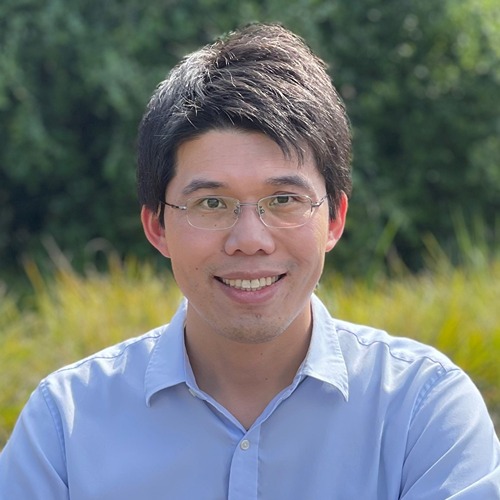
Wei Gao
California Institute of Technology, USA
Wei Gao is a Professor of Medical Engineering and a Heritage Medical Research Institute Investigator in the Division of Engineering and Applied Science at the California Institute of Technology. He received his Ph.D. in Chemical Engineering from the University of California, San Diego in 2014, and completed his postdoctoral training from 2014 to 2017 in the Department of Electrical Engineering and Computer Sciences at the University of California, Berkeley. He currently serves as Senior Associate Editor of Science Advances, and as Associate Editor of npj Flexible Electronics, Biosensors and Bioelectronics, and Sensors & Diagnostics. He is a recipient of the NSF Career Award, ONR Young Investigator Award, IAMBE Early Career Award, Sloan Research Fellowship, Pittcon Achievement Award, IEEE EMBS Early Career Achievement Award, IEEE EMBS Technical Achievement Award, IEEE Sensor Council Technical Achievement Award, MIT Technology Review 35 Innovators Under 35, and the Falling Walls Breakthrough of the Year in Engineering and Technology.
He is also recognized as a World Economic Forum Young Scientist and a Highly Cited Researcher (Web of Science, every year since 2020). Prof. Gao is an elected Fellow of the American Institute for Medical and Biological Engineering (AIMBE), the Royal Society of Chemistry (RSC), and the Institute of Electrical and Electronics Engineers (IEEE). His research interests span wearable and implantable biosensors, digital medicine, bioelectronics, flexible electronics, additive manufacturing, and micro/nanorobotics.
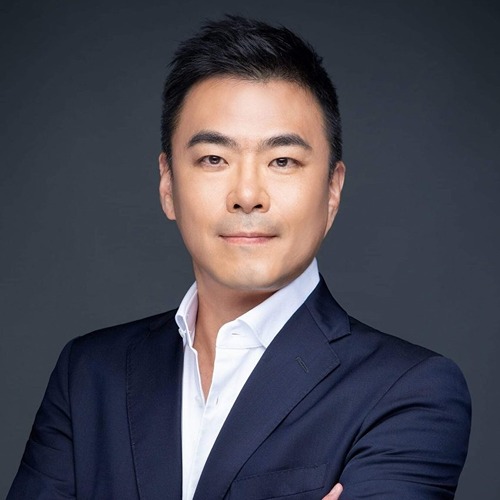
Jeehwan Kim
Massachusetts Institute of Technology

Lance Li
National University of Singapore, Singapore
Dr. Lain-Jong (Lance) Li is currently a Distinguished Professor in the Department of Materials Science at the National University of Singapore. He has held esteemed positions, including Chair Professor of Future Electronics at The University of Hong Kong and Director of Corporate Research at TSMC. He is a Fellow of the Royal Society of Chemistry and serves as an Associate Editor for Nano Letters under the American Chemical Society.
Dr. Li completed his Bachelor’s and Master’s degrees in Chemistry at National Taiwan University in 1994 and 1996, respectively. Subsequently, he worked as a Senior R&D Engineer at TSMC from 1997 to 2002. He obtained his Ph.D. in Condensed Matter Physics from the University of Oxford in 2006 and commenced his academic career as an Assistant Professor at Nanyang Technological University in Singapore. He served as an Associate Research Fellow at Academia Sinica in Taiwan in 2010 and joined KAUST in Saudi Arabia in 2014, where he advanced to the position of Full Professor by 2016. Dr. Li returned to TSMC as the Director of Corporate Research in late 2017. In 2021, he was appointed as a Chair Professor at The University of Hong Kong, and in 2025, he joined the National University of Singapore. His research is focused on Chemical Vapor Deposition (CVD), tool design, device fabrication and integration, and the growth of 2D semiconductor materials, including graphene and boron nitride. He holds over 60 U.S. patents and has been recognized as a Highly Cited Researcher from 2018 to 2024, with more than 500 publications, 84,000 citations, and an H-index of 134 according to the AD Science Index.
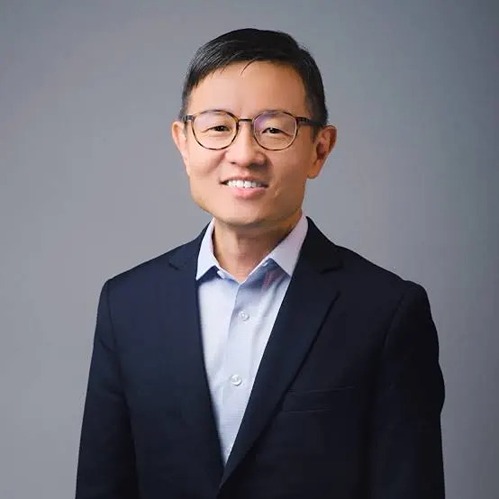
Lim Chwee Teck
National University of Singapore
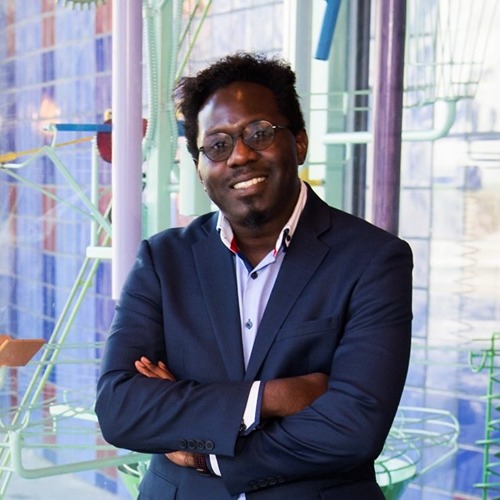
Deji Akinwande
University of Texas
Taewoo Lee
Seoul National University
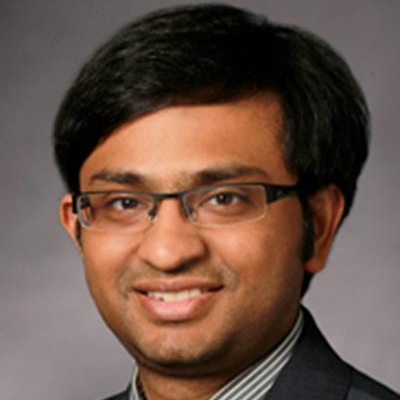
Saptarshi Das
The Pennsylvania State University
Co-Organized by