Organized by The Chinese Institutes for Medical Research (CIMR), Beijing Chest Hospital, Capital Medical University (Beijing Institute of Tuberculosis and Thoracic Tumor Research), Beijing Collaboration Medical Advance Center (CMAC), Medlive Technology Co., Ltd., Nature Reviews Cancer, Nature Genetics, Nature Cancer, Nature Communications and Nature Progress Oncology.
DNA damage repair (DDR) pathways are essential for maintaining genomic integrity in normal cells, yet in cancer these systems can become dysregulated, leading to heightened genomic instability that fuels tumour progression and therapeutic resistance. Genome Maintenance Systems in Cancer, a Nature conference, will explore how defects in DNA damage response machinery shape cancer biology and therapeutic response. Sessions will also address how genomic instability reshapes the tumour microenvironment, influences immune recognition, and affects responses to immunotherapy. By bringing together experts from academia, industry, and clinical practice, the conference aims to foster meaningful dialogue, showcase cutting-edge research, and chart a collaborative path forward for advancing our understand of genome-maintenance failures to ultimately improve patient outcomes.
Register Now
Submit AbstractDeadline: Sep.6, 2026 Contact Us
Event details
Speakers
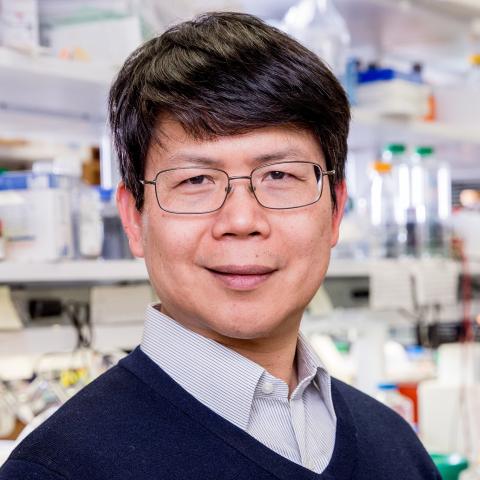
Zhijian ‘James’ Chen
University of Texas Southwestern Medical Center, USA
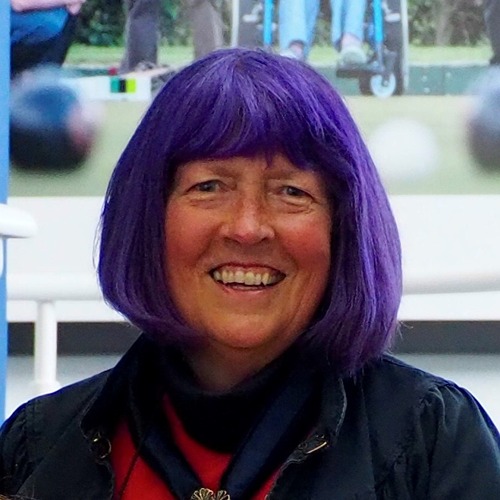
Nicola Curtin
Newcastle University, UK
Nicola Curtin obtained her BA from the University of York, and PhD from the University of Surrey. She began her postdoctoral career in 1982 in Newcastle. Her work focuses on the DNA damage response in cancer, including the development of drugs that target this response and the identification of predictive biomarkers. Her greatest contribution is to the development of the PARP inhibitor (PARPi), rucaparib (Rubraca®) and the identification of the synthetic lethality of PARPi in tumours that were homologous recombination repair deficient (HRD), recognised as a paradigm-shifting milestone in cancer research https://www.nature.com/immersive/d42859-020-00083-8/index.html (milestone 5). Subsequently, her group was the first to identify that 50-60% of ovarian cancers were HRD.
She is an elected fellow of the Academy of Medical Sciences. She was awarded the Robert R. Ruffolo Career Achievement Award in Pharmacology by the American Society for Pharmacology and Experimental Therapeutics in 2021 and the Heatley Medal and Prize by the Biochemistry Society in 2022. In 2023, she was awarded the Genome Stability Network Medal for her outstanding contribution to the field, a Lifetime Achievement Award by Educate North and was the University of Surrey Alumna of the year. Alongside her academic research, Professor Curtin serves as the Editor-in-Chief for the journal Expert Reviews in Molecular Medicine and has held positions on the advisory boards of several cancer charities and research foundations as well as consultancies with pharmaceutical companies. In recognition of the significant impact of her work, Professor Curtin is a highly ranked scholar: second in the world for her lifetime publications on PARP inhibitors and 4th for her work on DNA repair over the past five years at Scholar GPS.
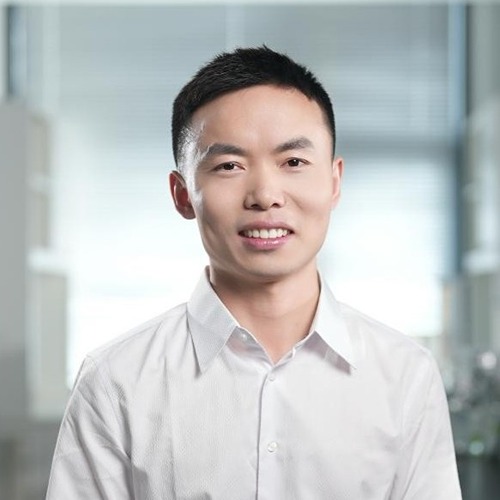
Yaping Huang
Chinese Institutes for Medical Research (CiMR), Beijing, China
Dr. Yaping Huang is a junior investigator of Chinese Institutes for Medical Research (CiMR), Beijing. He obtained his B.S. and Ph.D. degrees from Wuhan University (2013) and Tsinghua University (2018), respectively. After a postdoctoral training at the University of Texas Southwestern Medical Center, he moved back to China and established his own independent research group at CiMR in mid-2024. Dr. Huang’s laboratory mainly focuses on the identification of new and non-canonical functions of proteostasis system, particularly the molecular chaperone, in maintaining genomic stability and immune homeostasis, thereby uncovering actionable vulnerabilities for the intervention of human diseases, such as cancer and autoimmunity.
Liang Kang
Sun Yat-sen University, China
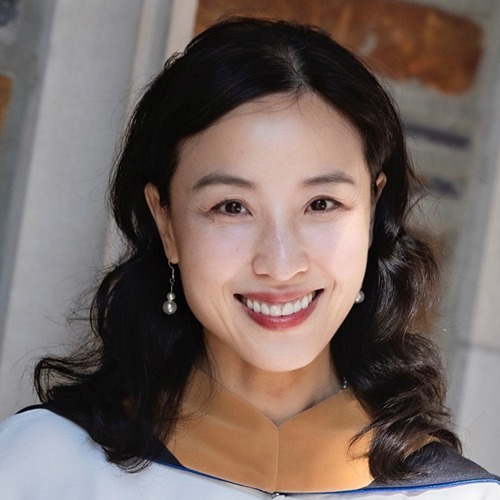
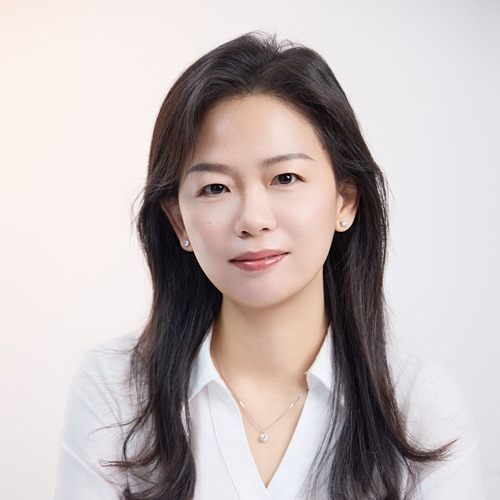
Li Lan
Duke University, USA
Lan lab studies how cells maintain genome stability and how these mechanisms can be leveraged to improve cancer therapy. We develop advanced imaging and locus-specific DNA damage systems to study how DNA repair operates within active genes, telomeres, and regions experiencing replication stress. Our work revealed that RNA molecules and RNA–DNA hybrid structures (R-loops) actively participate in repairing DNA breaks, changing the traditional view of RNA from a passive messenger to a central regulator of genome maintenance. A major contribution from Lan’s group is the discovery of an RNA-dependent DNA repair (RDDR) pathway and the demonstration that chemical modifications on RNA act as molecular switches that control DNA repair accuracy and pathway choice. Her research has also uncovered unexpected nuclear functions of the innate immune sensor cGAS in regulating replication stress and genomic stability, providing a mechanistic link between DNA damage and anti-tumor immune responses. In addition, her laboratory has shown how R-loop–mediated repair preserves telomere integrity and contributes to therapy resistance in cancer. By integrating high-resolution imaging, genome engineering, and functional studies, her current work aims to identify new therapeutic vulnerabilities in tumors and to develop strategies that overcome drug and radiation resistance.
Ting Liu
Zhejiang University, China
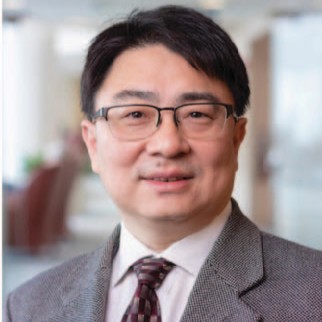
Ting Liu is a Professor at the Zhejiang University School of Medicine, China. Her research centers on genome maintenance mechanisms under replication stress, with a primary focus on the regulation of replication fork reversal and reversed fork stability. She also investigates DNA repair and DNA damage checkpoint activation within this broader framework. By dissecting how these coordinated pathways preserve genome integrity, she explores their roles in tumorigenesis and their potential as therapeutic vulnerabilities in cancer. Over the past five years, she has published as corresponding or co-corresponding author in leading journals, including Nature Chemical Biology, Molecular Cell, Nature Communications, The EMBO Journal, and Proceedings of the National Academy of Sciences USA. Her work provides mechanistic insights into replication stress regulation and its implications for cancer development and therapeutic intervention.
Zhenkun Lou
Mayo Clinic, USA
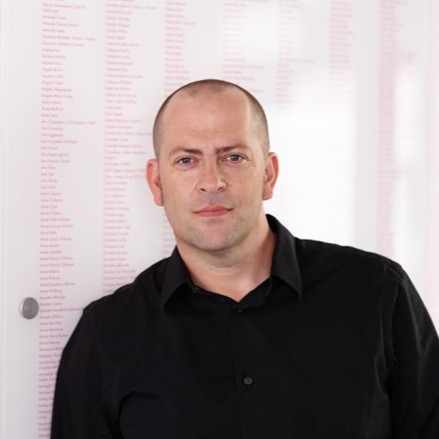
Dr. Lou is internationally recognized for his pioneering work on the molecular mechanisms of DNA damage response, genomic stability, and cancer therapy. His research has led to fundamental discoveries in tumor suppression pathways and therapeutic resistance, supported by continuous funding from the National Cancer Institute and other major agencies . A highly accomplished scientist and leader, he is an elected Fellow of the American Association for the Advancement of Science and has served as President of the Association of Chinese American in Cancer Research. Through his research, mentorship, and leadership, Dr. Lou continues to advance the understanding of cancer biology and the development of innovative therapeutic strategies.
Christopher Lord
The Institute of Cancer Research, UK
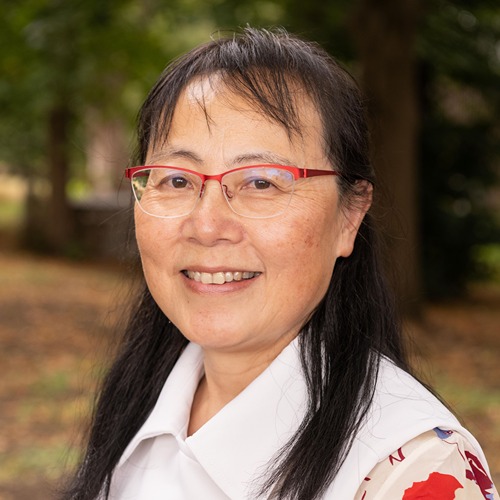
Professor Chris Lord is Deputy Head of Division, Team Leader of the CRUK Gene Function Laboratory and Professor of Cancer Genomics in the Breast Cancer Now Toby Robins Research Centre at The Institute of Cancer Research, London. Much of his work focusses on exploiting genetic concepts such as synthetic lethality to identify new approaches to treating cancer and to understand the variable effectiveness of existing treatments. Chris carried out his PhD in complex disease genetics with John Todd and Richard Gardner at the University of Oxford before carrying out a Post-Doctoral Fellowship with Todd at the University of Cambridge. Chris joined the ICR London as a Post-Doctoral Fellow with Alan Ashworth in 2000, where he was joint first author on a paper describing the synthetic lethal interaction between BRCA-tumour suppressor genes and PARP inhibitors (Nature 2005), observations that eventually led to the use of these drugs for the treatment of breast, ovarian, prostate and pancreatic cancers. Later, Chris exploited high-throughput genetic perturbation screens to understand a variety of cancer-related phenotypes including drug sensitivity/resistance and the identification of novel therapeutic targets (e.g. Cancer Cell 2008, Cancer Discov. 2011), a number of which are now being investigated as part of new drug development programmes. Chris has also used multiple approaches to uncover and/or understand clinically relevant mechanisms of resistance to DNA repair inhibitors (e.g. Nature 2008, Nature Commun. 2018, Cancer Discov. 2020, Nature Cell Biol 2022, Annals Oncology 2024) and to identify novel synthetic lethal approaches that target hard-to-treat cancers, including those with ARID1A, Rb or E-cadherin defects (e.g. Cancer Discov. 2018). More recently, Chris has focused on using high-throughput genetic perturbation screens to understand the principles that govern the robustness of synthetic lethal interactions (e.g. Elife 2020, Nature Genetics 2023, Nature Genetics 2025) and using an understanding of how PARPi resistance emerges to design new ways of treating BRCA1/2 mutant cancer, either by the use of Polymerase Theta inhibitors or by activating the immune system (Cancer Discov. 2020, Nat. Comms 2021). The impact of the work led by Lord is demonstrated by the number of completed and on-going clinical trials in cancer that are based upon synthetic lethal interactions he has identified as well as the assessment in these trials of biomarkers of cancer drug sensitivity/resistance he has identified.
Discloure information. C.J.L. makes the following disclosures: receives and/or has received research funding from: AstraZeneca, Merck KGaA, Artios, Neophore. Received consultancy, SAB membership or honoraria payments from: FoRx, Syncona, Sun Pharma, Gerson Lehrman Group, Merck KGaA, Vertex, AstraZeneca, Tango, 3rd Rock, Ono Pharma, Artios, Abingworth, Tesselate, Dark Blue Therapeutics, Pontifax, Astex, Neophore, Glaxo Smith Kline, Dawn Bioventures. Has stock in: Tango, Ovibio, Hysplex, Tesselate. C.J.L. is also a named inventor on patents describing the use of DNA repair inhibitors and stands to gain from their development and use as part of the ICR “Rewards to Inventors” scheme and also reports benefits from this scheme associated with patents for PARP inhibitors paid into CJL’s personal account and research accounts at the Institute of Cancer Research.
Xin Lu
Ludwig Institute for Cancer Research
Nuffield Department of Medicine, University of Oxford, UK
Xin Lu is Director of the Ludwig Institute for Cancer Research and Professor of Cancer Biology at the University of Oxford, UK. She is a leading cancer cell biologist with long-standing research interests in tumour suppression. She was among the first to demonstrate that the tumour suppressor p53 responds to both oncogene activation and DNA damage, and her group helped pioneer strategies to selectively activate p53 to kill cancer cells through the discovery and characterisation of the evolutionarily conserved ASPP family of proteins. Her laboratory investigates the molecular mechanisms governing cellular plasticity, including how external signals such as infection are integrated within the nucleus to direct selective transcription and cell fate decisions. She also leads studies involving deeply phenotyped clinical cohorts at high risk of cancer, aiming to identify biomarkers predictive of early-stage disease and recurrence. Her clinical research includes work on Li-Fraumeni syndrome and Barrett’s oesophagus, and she played a leading role in the LUD2015-005 Phase II/III immunochemotherapy trial in oesophageal cancer, which identified a novel gene signature and tumour monocyte content as independent predictors of treatment response.
Professor Lu was elected a Fellow of the Royal Society in 2020 for her contributions to cancer biology. She is also a Member of the Academy of Medical Sciences, Academia Europaea and the European Molecular Biology Organisation. She serves as Cancer Theme Leader for the NIHR Oxford Biomedical Research Centre and Director of the Oxford Centre for Early Cancer Detection. She received her BSc from Sichuan University, MSc from Peking Union Medical College (Chinese Academy of Medical Sciences), and PhD from University College London and the former Imperial Cancer Research Fund, followed by postdoctoral training at the University of Dundee. She was appointed Director of the Ludwig Institute in London at UCL in 2004 and established Ludwig Oxford as Director in 2007.
Website: Lu group | Tumour suppression — Ludwig Cancer Research (ox.ac.uk)
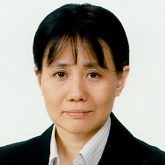
Mitsuko Masutani
Nagasaki University, Japan
Mitsuko Masutani Ph.D.
E-mail: mmasutan@nagasaki-u.ac.jp
Education and employment record:
1988, Ph.D. Pharmaceutical Sciences, University of Tokyo, Japan
2007-2015, Chief, National Cancer Center Research Institute, Japan
2015-, Professor, Nagasaki University Graduate School of Biomedical Sciences, Japan
2015-2021, Specially Appointed Chief (Radiation Oncology), National Cancer Center Research Institute, Japan
2019-March 2026, Professor, School of Medicine, Molecular and Genomic Biomedicine, CBMM, Nagasaki University Graduate School of Biomedical Sciences, Japan
2021-present, Visiting Scientist, National Cancer Center Research Institute, Japan
2026- present, Visiting Professor, Nagasaki University Graduate School of Biomedical Sciences

René Medema
Princess Máxima Center for Pediatric Oncology, The Netherlands
Prof. Dr. René H. Medema (PhD) is the Chief Scientific Officer of the Princess Máxima Center for Pediatric Oncology. His group studies mechanisms that protect genomic integrity, and how these are affected in cancer. His group has studied cell cycle control by cell cycle checkpoints in order to gain a better understanding how cell division is influenced by damage to the DNA. In parallel, his group has studied how chromosome segregation is controlled, how chromosome segregation errors are prevented, and how these errors affect the fitness of tumor cells. Currently his group studies how checkpoint defects and/or the presence of extrachromosomal DNA create targetable liabilities in pediatric cancer.
René Medema started his scientific career in 1989 in the lab of Prof. Dr. J.L. Bos in Leiden as a PhD student working on signal transduction by p21ras. After his PhD he moved to the laboratory of Prof. Dr. R.A. Weinberg (Whitehead Institute, Cambridge, MA) for his postdoctoral training, working on cell cycle control. As an independent group leader he continued to study cell cycle control, first at the University Medical Center Utrecht (1995-2000) and subsequently at the Netherlands Cancer Institute (2001-2005). He received a VICI award for his scientific work in 2004 and was appointed Professor in Experimental Oncology at Utrecht University in 2005. He was elected EMBO member in 2009, member of the Academia Europea in 2012, member of the Royal Netherlands Academy of Arts and Sciences (KNAW) and member of the European Academy of Cancer Sciences in 2013. In 2012, he was appointed Director of Research and chairman of the Board of Directors at the Netherlands Cancer Institute before moving to the Princess Máxima Center in April 2024.
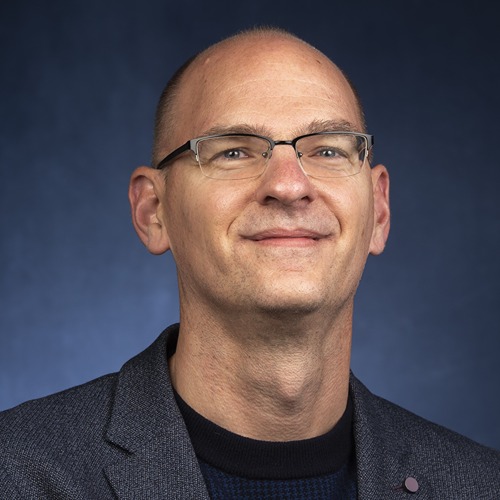
Philipp Oberdoerffer
Johns Hopkins School of Medicine, USA
Dr. Oberdoerffer is an Associate Professor of Radiation Oncology and Molecular Radiation Sciences at the Johns Hopkins School of Medicine. He received his Ph. D. in mouse genetics and immunology from the University of Cologne, Germany, and went on to pursue studies on the molecular biology of aging as a postdoc at Harvard Medical School. Prior to joining Johns Hopkins Medicine, Dr. Oberdoerffer directed a research laboratory at the National Cancer Institute (NCI), where he last served as a program director for DNA replication and genome instability in the Division of Cancer Biology (DCB) and co-led the NCI Moonshot Human Tumor Atlas Network (HTAN).
The Oberdoerffer lab uses a combination of molecular biology, epigenetics, imaging and mouse genetics, to investigate how epigenetic context can be manipulated to alter DNA repair pathways, and thereby prevent or interfere with malignant growth. His work has been recognized by the NCI Director’s Innovation award, a Department of Defense Breast Cancer Research Program Breakthrough Award and a JHU Future Forward Award. Dr. Oberdoerffer has research grant funding through the National Cancer Institute R01, R61 (Innovative Molecular Technologies) and P50 (SPORE) research programs, as well as the National Institute for General Medical Sciences R35 program. He is Editor-in-Chief for Chromosome Research and serves as Translational Research Liaison for the Department of Radiation Oncology and Molecular Radiation Sciences.
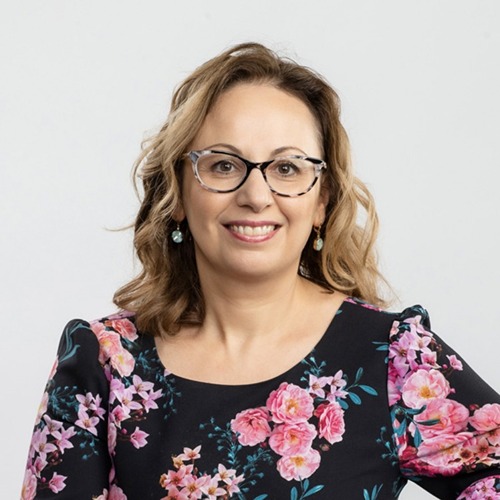
Elaine Sanij
St Vincent’s Institute of Medical Research, Australia
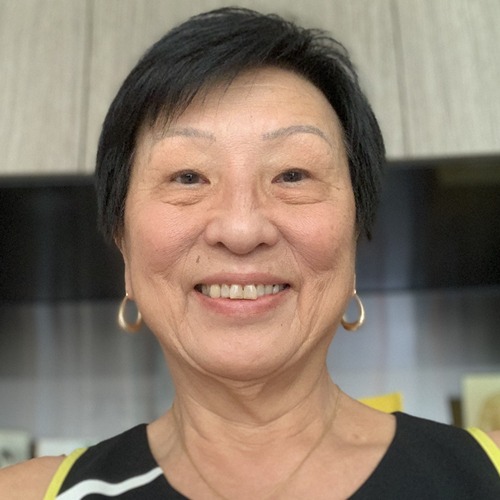
Bik-Kwoon Tye
Cornell University, USA
Bik-Kwoon Tye is currently Professor emeritus at Cornell University and senior member of the Institute for Advanced Study at HKUST. She is a native of Hong Kong and received her higher education in the U.S.; BA from Wellesley College, MSc from the University of California, San Francisco, and PhD from MIT. Supported by the Helen Hay Whitney postdoctoral fellowship, she studied E. coli DNA replication at Stanford University. Her pioneer work on the study of eukaryotic DNA replication began when she started her own laboratory at Cornell. She is credited for her discovery of the MCM genes that encode the helicase core of the replisome. In collaboration with Prof Yuanliang Zhai (HKUST) and Prof Gao Ning (Peking U), she went on to determine the cryoEM structures of the yeast ORC, the yeast and human pre-replication complex, and more recently the yeast replisome in the act of parental histones transfer. She is an elected member of the US National Academy of Sciences.
Stephen West
The Francis Crick Institute, UK
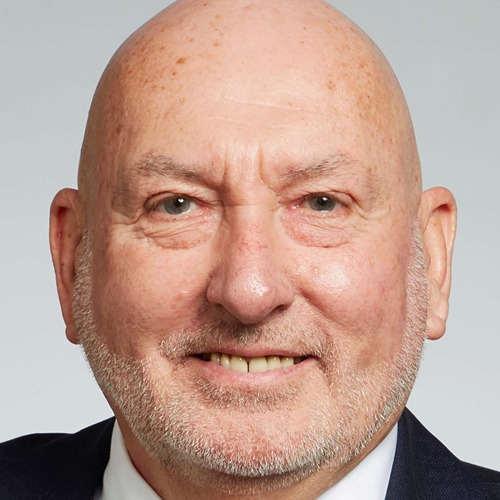
Stephen West was born in Hessle, in Yorkshire, England. He obtained his BSc and PhD from Newcastle University. His PhD thesis was on the identification of the E. coli RecA protein. Steve then worked as a post-doc with Paul Howard-Flanders, a pioneer of the DNA repair field, at Yale University from 1978-1985. In 1985, he established his independent research group at the Clare Hall Laboratories, then part of the Imperial Cancer Research Fund (subsequently Cancer Research UK). He became Deputy Director of Clare Hall Labs in 2005. Steve’s laboratory moved to the new Francis Crick Institute in London in 2015.
He has received numerous awards for his scientific achievements, including the Royal Medal (2022), the Louis-Jeantet Prize for Medicine (2007), the Novartis Medal from the Biochemical Society (2008), the GlaxoSmithKline Medal of the Royal Society (2010), the Genetics Medal (2012) and the Cancer Research UK Lifetime Achievement Award for Cancer Research (2018).
Steve is a Fellow of the Royal Society, a Fellow of the Academy of Medical Sciences, an International Member of the National Academy of Sciences (USA), and an International Honorary Fellow of the American Academy of Arts and Sciences. He currently serves on the Council of the Royal Society.
Feng Wang
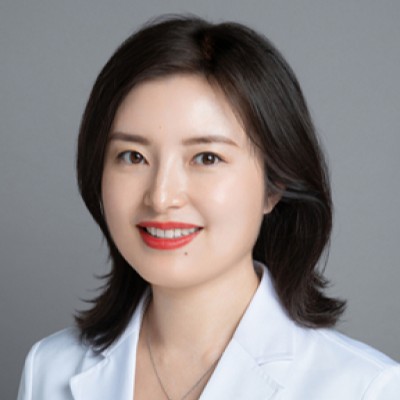
Sun Yat-sen University Cancer Center, China
Wei Yang
National Institutes of Health (NIH), USA
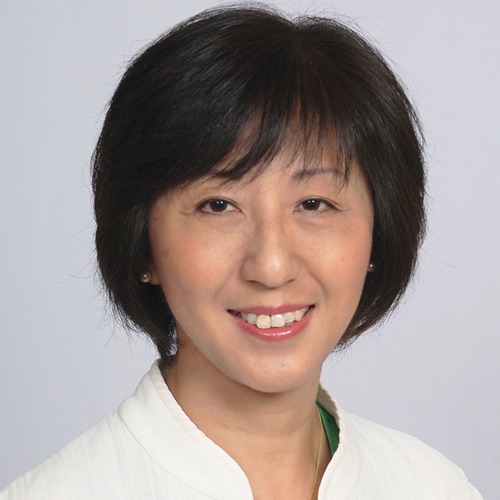
Dr. Wei Yang is a Distinguished Investigator at the U.S. National Institutes of Health (NIH), where she has conducted research since 1995. Born in Shanghai, China, she began her undergraduate studies in biochemistry at Fudan University and received her B.A. degree from SUNY at Stony Brook. She earned her Ph.D. from Columbia University and completed postdoctoral training at Yale University. Dr. Yang employs an integrated structural, biochemical, and cellular approach to elucidate the molecular mechanisms of DNA replication, repair, and recombination. Her work has defined the inchworm, hand-over-hand, and waddling mechanisms of DNA helicase translocation and unwinding; ATP-dependent molecular recognition and verification; and three-Mg²⁺-dependent catalysis of nucleic acid synthesis and hydrolysis. She received the Dorothy Crowfoot Hodgkin Award from the Protein Society (2011) and the Mildred Cohn Award in Biological Chemistry from the ASBMB (2017). She was elected to the National Academy of Sciences in 2013 and to the American Academy of Arts and Sciences in 2015.
Zhongsheng You
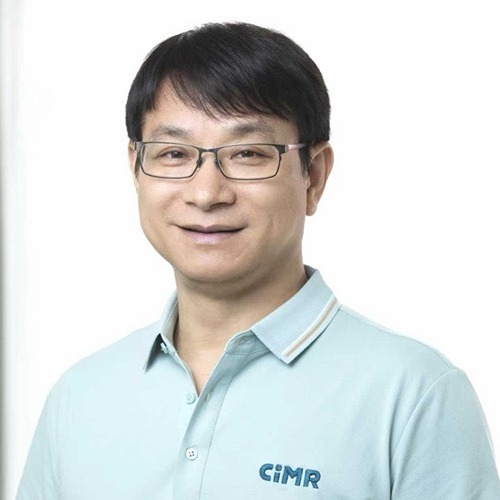
Chinese Institutes for Medical Research, China
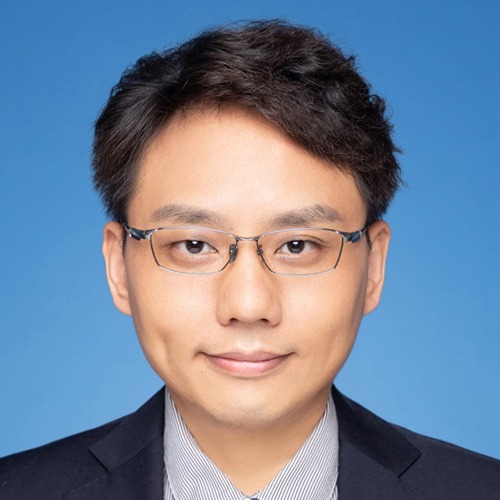
Jian Yuan
School of Medicine, Tongji University, China
Dr. Jian yuan is the Professor and Chair of the Department of Biochemistry and Molecular Biology, School of Medicine, Tongji University, and Deputy Director of the Cancer Center of Tongji University.
His research focuses on DNA damage response, genomic stability maintenance and mechanisms underlying tumorigenesis and progression. He has elucidated the regulatory mechanisms of diverse post-translational modifications (including lactylation, ubiquitination and acetylation) in DNA damage response. As corresponding author, he has published numerous papers in top-tier journals such as Cell, Molecular Cell (4 papers), Nature Cell Biology, Nature Cancer, Nature Chemical Biology, Science Advances, Nature Communications, Genes & Development and The EMBO Journal. His study on MRE11 lactylation was selected as one of the Best of Cell 2024 and listed among the Top 10 Advances in Life Sciences in China 2024.
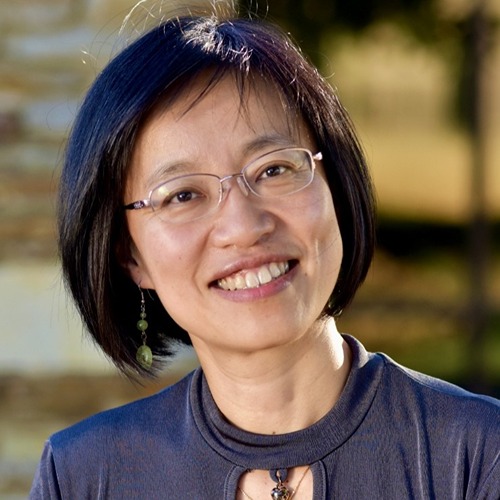
Shan Zha
Columbia University, USA
Dr. Shan Zha is the James A. Wolff Professor of Pediatrics at Columbia University Irving Medical Center and an elected member of the American Society for Clinical Investigation (ASCI) since 2022. Her research focuses on DNA damage response and DNA double-strand break repair in mammalian models.
She is an expert in the non-homologous end-joining (NHEJ) pathway of DNA double-strand break repair and its roles in lymphocyte development and lymphomagenesis. Her laboratory generated and characterized the first murine models for three newly identified NHEJ factors and developed widely used assays for studying chromosomal V(D)J recombination.
Dr. Zha pioneered the development of catalytic-dead mouse models for key DNA damage response proteins, including ATM, ATR, DNA-PKcs, PARP1, and PARP2. Her work fundamentally changed the understanding of targeted cancer therapies by demonstrating that pharmacologic inhibition can produce biological outcomes that are markedly different from—and often more severe than—genetic deletion. Through innovative quantitative live-cell imaging approaches, her laboratory uncovered how DNA damage response kinases dynamically engage and disengage from DNA lesions, providing mechanistic insights into both signal amplification and the toxicity of DNA damage response inhibitors.
More recently, her laboratory discovered unexpected DNA repair–independent functions of Ku and DNA-PK in RNA processing and innate immune regulation. Her work demonstrated that increasing Ku levels accompanied Alu expansion during primate evolution, enabling cells to suppress RNA-mediated innate immune responses and tolerate the massive expansion of repetitive elements in the human genome.
A dedicated educator and mentor, Dr. Zha taught undergraduate, graduate, and medical school courses, and has trained numerous students and postdoctoral fellows, and served on more than 50 thesis/defense committees. In 2014, she established a career development course for Ph.D. students at Columbia University. In 2020, she founded the Social DNAing webinar series, which has hosted ~400 speakers from more than 50 countries. She has also served as organizer and chair of major international meetings, including Gordon Research Conferences and Cold Spring Harbor Laboratory conferences.
Dr. Zha received her M.D. from Peking University Health Science Center, her Ph.D. from Johns Hopkins University, and completed postdoctoral training with Dr. Frederick Alt at Harvard Medical School, Boston Children's Hospital, and HHMI before joining Columbia University in 2010.
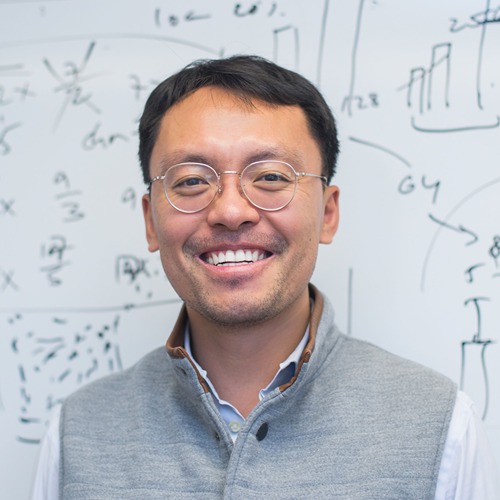
Cheng-Zhong Zhang
Dana-Farber Cancer Institute and Harvard Medical School, USA
Dr. Cheng-Zhong Zhang received a B.Eng. from Tsinghua University and a PhD from the California Institute of Technology. He is currently an Assistant Professor at Dana-Farber Cancer Institute and Harvard Medical School. His laboratory studies cancer genome rearrangement and evolution. Dr. Zhang’s work has demonstrated how chromosome mis-segregation and illegitimate DNA repair can lead to different classes of segmental DNA rearrangements and copy-number alterations commonly observed in cancer cells.
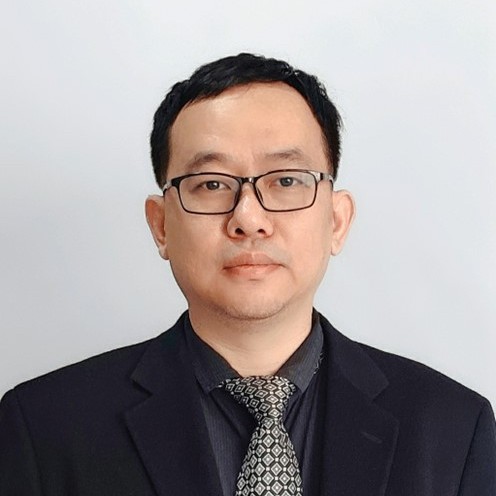
Qing Zhong
Shanghai Jiaotong University School of Medicine, China
Conference Partners