Event details

The Nature Conference ‘Digital Biomarkers’ 2027 is supported by the Swiss National Science Foundation (SNSF).
Speakers
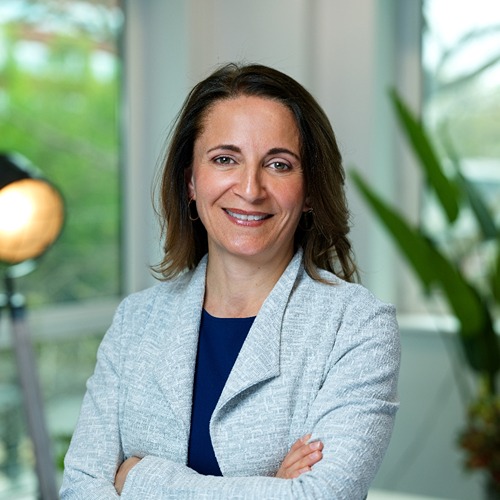
Sandra Bucci
University of Manchester
Sandra Bucci is Professor of Clinical Psychology at the University of Manchester and an NIHR Senior Investigator. She is an Honorary Consultant Clinical Psychologist at Greater Manchester Mental Health NHS Foundation Trust, where she co-directs the Complex Trauma and Resilience Research Unit. Professor Bucci trained as a clinical psychologist at the University of Newcastle, Australia, and worked in Early Intervention in Psychosis services before relocating to the UK.
Her research focuses on developing, evaluating and implementing digital approaches to support people living with severe mental health problems. Grounded in service-user involvement and co-design, her work spans discovery science, intervention development, clinical evaluation, and real-world implementation. She leads a major research portfolio funded by all the major funders and contributes to shaping digital mental health research and practice nationally. She is co-founder and Chief Clinical Officer of CareLoop Health, a digital therapeutics company spun out of the University of Manchester.
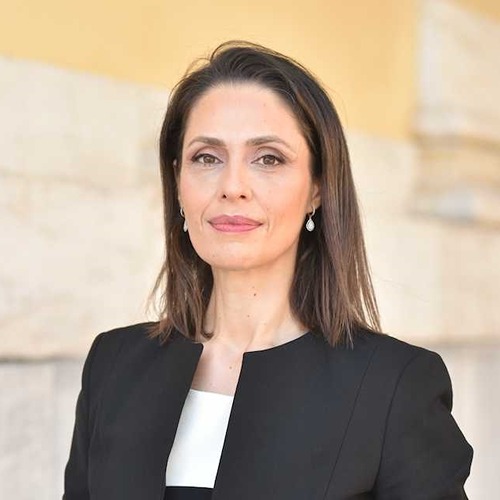
Effy Vayena
Expert in digital health ethics and policy
ETH Zurich
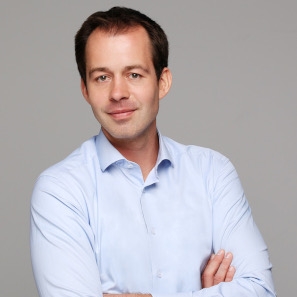
Felix Balzer
Charité – University Medicine Berlin

Joseph Wang
University of California, San Diego (UCSD), USA
Joseph Wang is a Distinguished Professor of Chemical and Nanoengineering, a SAIC Endowed Professor and the Director of the Center of Wearable Sensors (CWS) at the University of California San Diego (UCSD), La Jolla USA. Before joining UCSD at 2008, Wang served as the Director of the Center of Bioelectronics at the Biodesign Institute of ASU (Tempe, AZ). Dr. Wang has made pioneering contributions to the fields of wearable sensors, biosensors, electroanalytical chemistry, remote environmental sensors, multi-modal sensors, and microscale robots.
He is a member of the US National Academy of Inventors, and of the European Academies of Engineering and of Science and Arts, and a fellow of the RSC, ECS and AIMBE. He has authored over 1300 research papers, 12 books, and 60 patents. Wang has been a Thomson Reuters Highly Cited Researcher since 2015 (H Index 225). Wang holds Honorary Professor from 11 different universities and is the recipient of 3 National American Chemical Society (ACS) Awards for Analytical Chemistry (2024), Electrochemistry (2006) and Instrumentation (1999), of the Ralph Adams Pittcon Award in Bioanalytical Chemistry, of the Talanta Medal, 2021 IUPAC Analytical Chemistry Medal, the Breyer Medal (Australia), Heyrovsky Medal (Czech Republic), the Speirs Medal (RSC), and the IEEE Sensor Achievement Award, 2021.
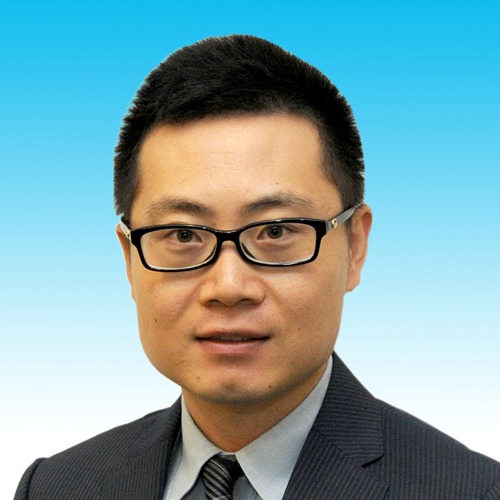
Xinge Yu
City University of Hong Kong
Prof. Yu is the Associate Editor of Science Advances, Microsystem & NanoEngineering, Bio-Design and Manufacturing etc. Xinge Yu’s research group is focusing on skin-integrated electronics and systems for VR and biomedical applications. He has published 200 papers in Nature, Nature Materials, Nature Biomedical Engineering, Nature Machine Intelligence, Nature Communications, Science Advances etc., and 50 patents filed/granted.
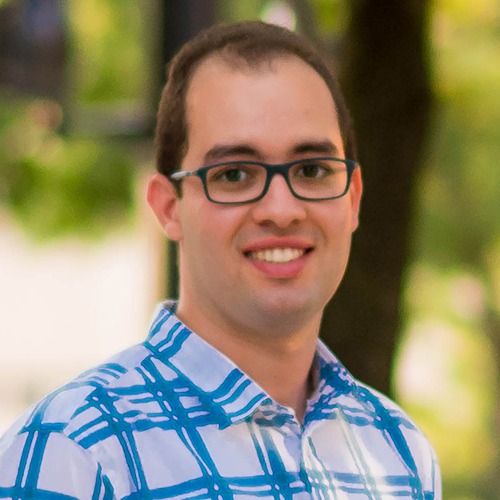
Ahmed Abdelhadi Metwally
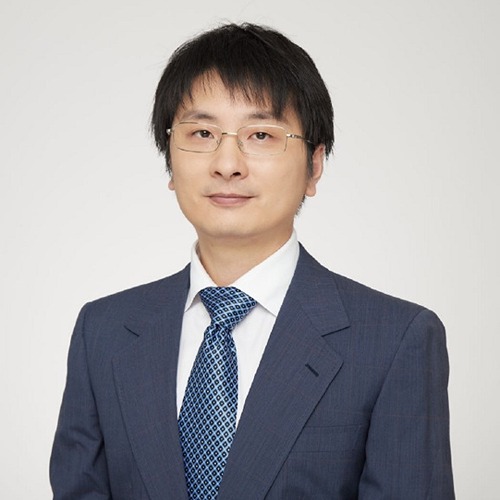
Jizhe Xia
Shenzhen University
Dr. Jizhe Xia is an Associate Professor at Shenzhen University, where he also serves as the Director of the Shenzhen Key Laboratory of Spatial Information Smart Sensing and Services. Dr. Xia earned his Ph.D. in Earth Systems and Geoinformation Sciences from George Mason University in 2015. From 2016 to 2017, he served as an Assistant Research Professor and contributed to research projects funded by NASA, NSF, and USGS. Since joining Shenzhen University in 2017, Dr. Xia has driven impactful research in spatiotemporal analysis and urban health. He has published over 20 peer-reviewed papers in Nature Health, Lancet Digital Health, Scientific Data, IJGIS, and CEUS. Dedicated to standardizing geospatial technologies on a global scale, he has actively co-drafted the ISO-19164 international standard as well as Chinese national (GB/T) standards. He is the lead editor of the textbook <Open GIS> (Springer Nature), which has been cataloged by over 150 libraries across more than 15 countries, including MIT, Stanford, and the Library of the European Parliament.
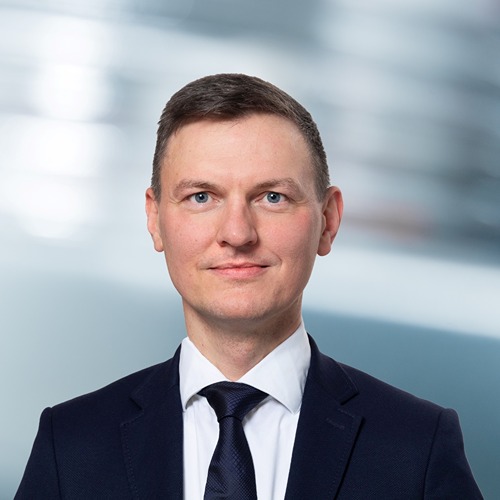
Tobias Kowatsch
University of Zurich, University of St. Gallen, and ETH Zurich
Dr. Tobias Kowatsch is Associate Professor for Digital Health Interventions at the Institute for Implementation Science in Health Care, University of Zurich (UZH), Director at the School of Medicine, University of St.Gallen (HSG), and Co-Chair and Core Director for Precision Digital Therapeutics at the Centre for Digital Health Interventions (UZH, HSG, and ETH Zurich). Working at the intersection of information systems research, computer science, and behavioral medicine, he designs scalable digital health interventions that support the prevention and management of non-communicable diseases and common mental disorders.
In his research, digital biomarkers are not only measures of health states, but a foundation for closing the loop in precision digital therapeutics. His work uses sensor and self-reported data to measure and predict states of vulnerability, and receptivity, so that just-in-time adaptive interventions can provide personalized support with the right content, dose, and timing. Tobias and his team have contributed to a broad range of digital biomarker research, including work on stress, breathing patterns, personality states, receptivity, and other states relevant to adaptive digital health interventions. They have also developed conversational agent-based interventions, including LLM voice assistants, for behavioral and cognitive support. He initiated MobileCoach, an open-source platform for digital biomarker and health intervention research, and co-founded Pathmate Technologies, an ETH Zurich and HSG spin-off developing digital therapeutics.
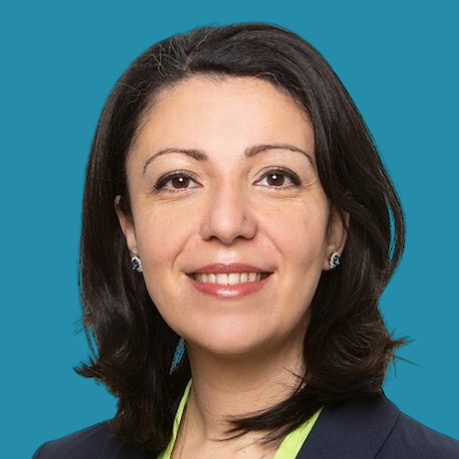
Christine Jacob
University of Applied Sciences and Arts Northwestern Switzerland
Dr Christine Jacob is a Lecturer and Health-Tech Researcher at the Institute for Information Systems FHNW, and a digital health strategist working at the intersection of digital innovation, patient engagement, human-centered design, and healthcare transformation. Her work examines what it takes for digital health technologies (including digital biomarkers and AI-enabled solutions) to be trusted, adopted, integrated into clinical workflows, and sustained in real-world healthcare. With more than 20 years of experience across pharma, consulting, digital strategy, and applied research, she leads and contributes to co-creation projects involving patients, clinicians, healthcare organizations, industry partners, and technology developers. She is a board member of EUPATI Switzerland, an Editorial Board Member of JMIR Human Factors, and a member of the Technology Assessment & Quality Development in Health Informatics Working Group of the International Medical Informatics Association. Her work is grounded in patient engagement, human-centered design, health technology assessment, and the responsible implementation of digital health solutions.
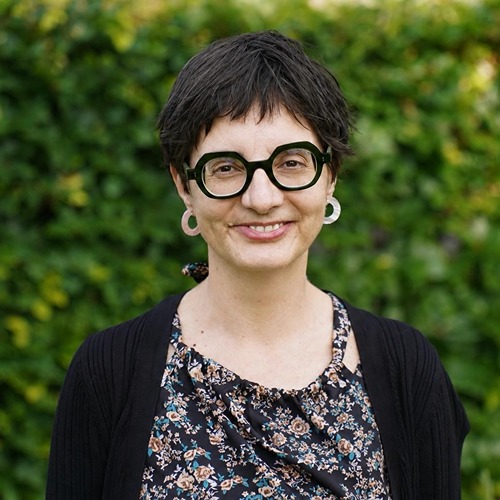
Cecilia Mascolo
University of Cambridge
Cecilia Mascolo is Full Professor of Mobile Systems in the Department of Computer Science and Technology, University of Cambridge, UK. She is also Chief Scientific Officer of auryx, a start up focusing on physiology sensing via in-ear microphones of commercial earbuds. She is also a Fellow of the Royal Academy of Engineering and the recipient of an ERC Advanced Research Grant. Prior joining Cambridge in 2008, she was a faculty member in the Department of Computer Science at University College London. She holds a PhD from the University of Bologna. Her research interests are in wearable systems and machine learning for mobile health. She has published in top tier conferences and journals in the area and her investigator experience spans projects funded by Research Councils and industry. She has served as steering, organizing and programme committee member of wearable and sensor systems and machine learning conferences. More details at www.cl.cam.ac.uk/users/cm542
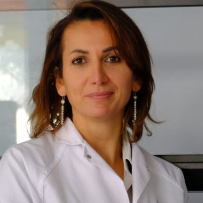
Fabiana Arduini
University of Rome Tor Vergata
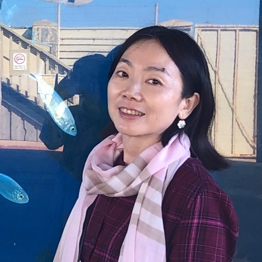
Jing-Dong Han
Peking University
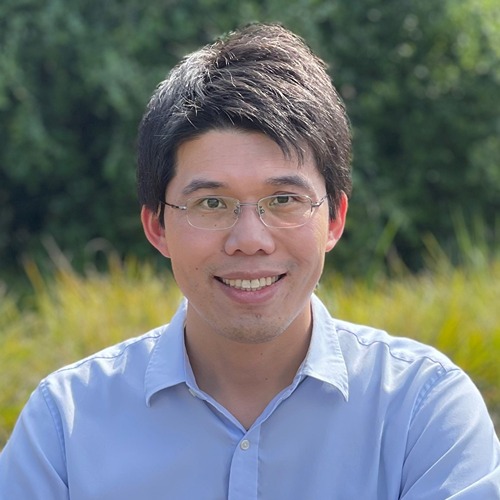
Wei Gao
California Institute of Technology, USA
Wei Gao is a Professor of Medical Engineering and a Heritage Medical Research Institute Investigator in the Division of Engineering and Applied Science at the California Institute of Technology. He received his Ph.D. in Chemical Engineering from the University of California, San Diego in 2014, and completed his postdoctoral training from 2014 to 2017 in the Department of Electrical Engineering and Computer Sciences at the University of California, Berkeley. He currently serves as Senior Associate Editor of Science Advances, and as Associate Editor of npj Flexible Electronics, Biosensors and Bioelectronics, and Sensors & Diagnostics. He is a recipient of the NSF Career Award, ONR Young Investigator Award, IAMBE Early Career Award, Sloan Research Fellowship, Pittcon Achievement Award, IEEE EMBS Early Career Achievement Award, IEEE EMBS Technical Achievement Award, IEEE Sensor Council Technical Achievement Award, MIT Technology Review 35 Innovators Under 35, and the Falling Walls Breakthrough of the Year in Engineering and Technology.
He is also recognized as a World Economic Forum Young Scientist and a Highly Cited Researcher (Web of Science, every year since 2020). Prof. Gao is an elected Fellow of the American Institute for Medical and Biological Engineering (AIMBE), the Royal Society of Chemistry (RSC), and the Institute of Electrical and Electronics Engineers (IEEE). His research interests span wearable and implantable biosensors, digital medicine, bioelectronics, flexible electronics, additive manufacturing, and micro/nanorobotics.
Goylette Chami
Oxford University
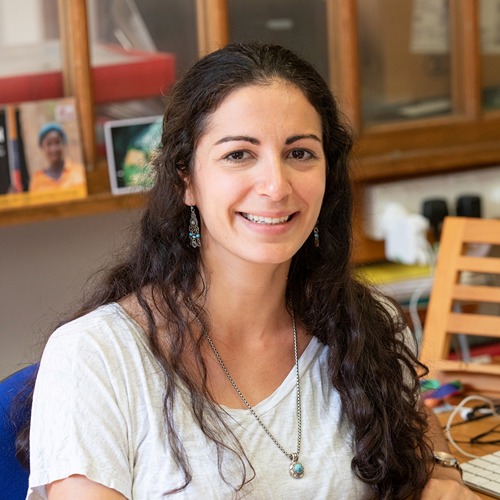
Goylette Chami is a Professor of Infectious Disease Epidemiology in the Big Data Institute and Nuffield Department of Population Health at the University of Oxford. She leads a diverse group in Oxford and Uganda, combining expertise in parasitology with statistics, machine learning, and epidemiology. Her group works to improve the understanding of schistosomiasis treatment, control, and active morbidity management, as well as to identify the interactions of hepatosplenic schistosomiasis with endemic co-infections including HIV, hepatitis B, and malaria.
With the Uganda Ministry of Health, she leads a large-scale community-based prospective cohort (SchistoTrack) to follow individuals annually to understand how schistosomiasis-related diseases develop as well as the best methods for targeting transmission reduction. She holds several advisory roles for the WHO, WHO-AFRO, Global Burden of Disease, and UK NIHR among other policy and funding agencies. She has been endorsed as an Exceptional Promise Academic by the Royal Society in clinical public health, profiled by Nature for her research contributions to infectious disease epidemiology, and awarded the Odile Bain Memorial Prize and C.A. Wright Medal for exceptional contributions to the understanding of medical parasitology. She held a Junior Research Fellowship in Medical Sciences at King’s College Cambridge as well as completed MPhil and PhD degrees at the University of Cambridge.

Sandra Barteit
Heidelberg University
Dr. Sandra Barteit is a research group leader in Digital Global Health at the Heidelberg Institute of Global Health, University Hospital Heidelberg. Her research sits at the intersection of artificial intelligence, data science, and sensor-based and wearable technologies, with a focus on the health impacts of climate change on vulnerable populations in Sub-Saharan Africa and Southeast Asia. She leads the PULSE-AI project, funded by the Carl Zeiss Foundation, which uses AI and wearable sensors to study climate-related health risks and develop scalable health interventions.
Sandra Barteit holds a Dr.sc.hum. in Global Health from Heidelberg University and master's degrees in Analytics (Georgia Institute of Technology), Innovation and Entrepreneurship (HEC Paris), and Computational Linguistics (Heidelberg University). She is completing her Habilitation in Global Health at the Medical Faculty of Heidelberg University and coordinates the Faculty's Global Health elective track.
Giorgio Quer
Scripps Research
Huangxian Ju
Nanjing University
Chwee Teck Lim
National University of Singapore
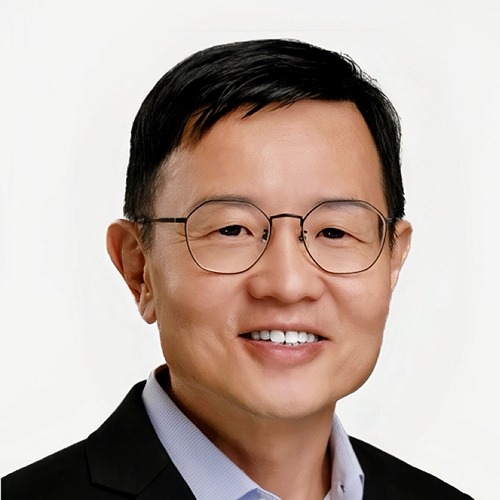
Chwee Teck Lim is the NUSS Chair Professor and Director of the Institute for Health Innovation and Technology at the National University of Singapore. His research interests include human disease mechanobiology and microfluidic and wearable technologies for next-generation biomedical applications. He has published over 550 peer-reviewed articles and delivered over 500 plenary/keynote/invited talks. Prof Lim is also a serial entrepreneur having co-founded seven start-ups, including one that went public in 2018.
Prof Lim’s groundbreaking research has been recognized with over 100 awards and honours, including the President’s Science Award, President’s Technology Award, Nature Lifetime Achievement Award for Mentoring in Science, Otto Schmitt Award, Vladimir K. Zworykin Award, Asia’s Most Influential Scientist Award, and the Wall Street Journal Asian Innovation Award. He is Fellow or Member of 11 academies worldwide, including the National Academy of Engineering (US), Royal Society (UK), Royal Academy of Engineering (UK), National Academy of Inventors (US), Singapore National Academy of Science, and the Academy of Engineering Singapore.
In partnership with