



Unlock a world of benefits
- Access to all scientific presentations and panel discussions
- Networking opportunities with speakers and Nature editors
- Attend poster session showcasing cutting-edge research
- Connect with peers and foster connections and collaborations
- Receive conference resources, including but not limited to e-program book
- Meals and refreshments included, as noted on the conference program (all dietary preferences typically covered)
- Showcase your research and elevate your profile by presenting an abstract
Early Bird pricing has concluded.
The deadline to register is November 7, 2025.
| Student | Academic and Non-Profit Organizations | Industry |
| $100 $200 | $300 $400 | $700 $800 |
Agenda
Times are displayed in EST
-
Available On Demand
DAY 1: Monday, December 8
Registration check-in and Breakfast
8:00 - 8:45 a.m.
Welcome Remarks
8:45 - 9:00 a.m.
-
Available On Demand
Keynote Talk
9:00 - 9:45 a.m.
Tuning the innate and adaptive immune system with oligonucleotides designed to recognize the structure and sequence of macromolecular targets - Anna Marie Pyle (Yale University, USA)
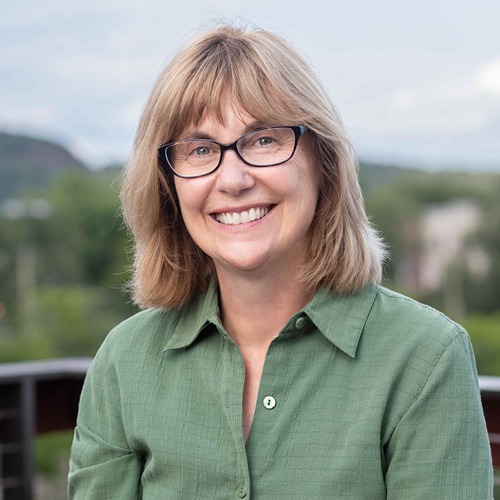 Anna Marie Pyle Yale University, USAAnna Marie Pyle is Sterling Professor of Molecular, Cellular and Developmental Biology and Professor of Chemistry at Yale University. She is a member of the National Academy of Sciences, the American Academy of Arts and Sciences and has been a Howard Hughes Medical Institute Investigator since 1997. Dr. Pyle obtained her undergraduate degree in Chemistry from Princeton University and received her Ph.D. in Chemistry in 1990 from Columbia University, with Professor Jacqueline K. Barton. Dr. Pyle was a postdoctoral fellow in the laboratory of Thomas Cech at the University of Colorado. Dr. Pyle leads a research group at Yale University that specializes in understanding the structure and mechanistic function of large RNA molecules, RNA-protein complexes and RNA remodeling enzymes. She is the founder of RIGImmune and RNAConnect, which build drugs and tools for modulating the RNA interactome. Dr. Pyle has solved numerous first-in-class biomolecular structures, mentored 90 graduate and postdoctoral trainees and authored more than 250 papers.
 -
Available On Demand
Session I: Basic RNA
9:45 - 12:00 p.m.
9:45 - 10:10 a.m. Improving the safety profile and enhancing the efficacy of modified in vitro transcribed vaccine RNAs - Anne Willis (MRC Toxicology Unit, University of Cambridge, UK)
10:10 - 10:35 a.m. Oligonucleotides therapeutics: challenges and opportunities - David Corey (UT Southwestern, USA)
10:35 - 11:00 a.m. Coffee break
11:00 - 11:25 a.m. Cancer genes beyond chromosomes - Howard Chang (Stanford University, USA)
11:25 - 11:50 a.m. Therapeutic potential of RNAi using cityRNAs - Tracy Zimmermann (City Therapeutics, USA)
11:50 - 12:00 p.m. SHORT TALK: The use of therapeutic suppressor TRNAs for the treatment of Duchenne muscular dystrophy and dilated cardiomyopathy - Peter Eimon (Tevard Biosciences, USA)
 Peter Eimon Tevard Biosciences, Inc., USA
Peter is Director of Research at Tevard Biosciences, where he leads efforts to advance the company’s tRNA-based therapies targeting rare diseases. Since joining Tevard in 2018, he has been instrumental in building research programs that span cardiovascular, neurological, and muscular indications, driving the scientific rigor behind the company’s growing pipeline.
Peter has more than 20 years of experience in research and early-stage drug development. Prior to Tevard, he served as a Research Scientist at the Massachusetts Institute of Technology, where he managed neurotechnology-focused projects and research collaborations. Earlier in his career, Peter held scientific leadership roles at biotechnology companies, including Intellimedix, Zygogen, and Genentech, where he guided programs from concept through IND-enabling studies.
Peter earned his Ph.D. in molecular and cell biology at the University of California, Berkeley, and holds a B.S. from the University of Wisconsin-Madison.
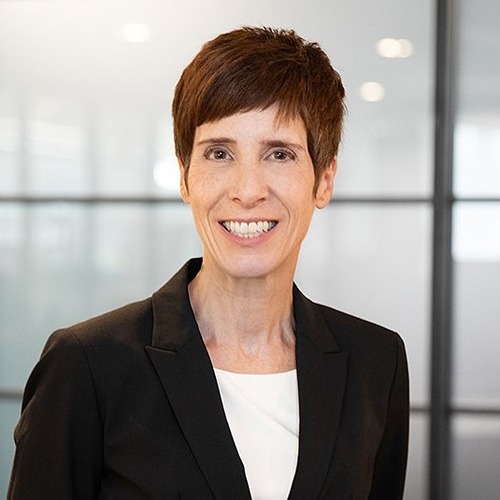 Tracy Zimmermann City Therapeutics, USA
 Howard Chang Stanford University, USA
Dr. Howard Y. Chang is Chief Scientific Officer and Senior Vice President of Global Research at Amgen. He is responsible for leading all aspects of discovery research at Amgen.
Prior to joining Amgen, Dr. Chang led a research laboratory at Stanford University. A physician-scientist and board-certified dermatologist, he served as Professor of Dermatology, Genetics, and Pathology at Stanford and Investigator of the Howard Hughes Medical Institute. Dr. Chang discovered a new class of genes, termed long noncoding RNAs, can control gene activity throughout the genome, illuminating a new layer of biological regulation. He invented ATAC-seq and other new methods for defining DNA regulatory elements genome-wide and in single cells. The long term goal of his research is to decipher the regulatory information in the genome to benefit human health.
Dr. Chang is the winner of the Albany Prize, Lurie Prize in Biomedical Sciences, and NAS Award in Molecular Biology for discoveries of regulatory RNAs. He is an elected member of the National Academy of Sciences, National Academy of Medicine, and American Academy of Arts and Sciences. He is a serial entrepreneur having founded five biotech companies.
Dr. Chang holds a M.D. from Harvard Medical School, a Ph.D. in Biology from MIT, and an A.B. in Biochemical Sciences from Harvard University.
 David Corey UT Southwestern, USA
As a Ph.D. student in the laboratory of Dr. Peter Schultz, I learned that simple chemical modifications could dramatically change the ability of oligonucleotides to recognize complementary RNA and DNA targets. During my postdoctoral work with Dr. Charles Craik, I studied the interplay of amino acid chemistry and function, and how interdisciplinary collaborations enable biomedical science to be conducted at a high level. I began my independent career at UT Southwestern Medical Center because it had a culture of collaboration and the resources necessary to make those collaborations succeed. In the thirty-two years I have spent at UTSW, I have found colleagues who have taught my lab new techniques, provided critical ideas and feedback, and acted as close research partners in multi-year projects at the interface of cell biology, biochemistry, and nucleic acids.
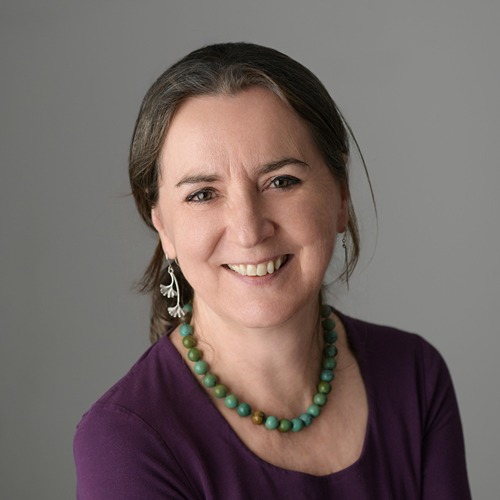 Anne Willis MRC Toxicology Unit, University of Cambridge, UK
Professor Anne Willis earned her Biochemistry degree from the University of Kent and a PhD from the University of London while researching DNA repair at the Imperial Cancer Research Fund laboratories (now CRUK). She then worked in Cambridge with Professor Richard Perham in the Department of Biochemistry, where she also held a Junior Research Fellowship and then a College Lectureship at Churchill College Cambridge, before joining the University of Leicester in 1992, and becoming Professor in 2004. Anne held a BBSRC Advanced Fellowship from 2000-2005 and from 2008-2013 a BBSRC Professorial Fellowship.
In 2004, Anne was appointed as Director of Cancer Research Nottingham and Chair of Cancer Cell Biology. Since 2010, she has been Director at the MRC Toxicology Unit, now based in Cambridge, focusing on the role of post-transcriptional control in response to toxic injury with a focus on RNA-binding proteins, regulatory RNA motifs, therapeutic RNAs and the safety of new medicine platforms. Her honours include EMBO membership in 2015, an OBE in 2017, a fellowship of the British Toxicology Society in 2018, and the Barnes Prize in 2025 for research and leadership in toxicology.
-
Available On Demand
Session II: Translational / Clinical
1:30 - 4:45 p.m.
1:30 - 1:55 p.m. Screening nanoparticles in nonhuman primates with minmal loss of life - James Dahlman (Emory University, USA)
1:55 - 2:20 p.m. Precision RNAi for fibrodysplasia ossificans progressiva: a combinatorial, unimolecular, allele selective approach - Julia Altermann (University of Massachusetts Chan Medical School, USA)
2:20 - 2:45 p.m. Delivering beyond promises: oligonucleotide therapeutics as best-in-class medicines - Chris Hart (Eli Lilly, USA)
2:45 - 2:55 p.m. SHORT TALK: CRISPR/CAS-mediated APOC3 knockout as a one-time treatment for severe hypertriglyceridemia - Alan Brooks (Metagenomi, USA)
2:55 - 3:30 p.m. Coffee break
3:30 - 3:55 p.m. RNA base editing with ADAR - Thorsten Stafforst (University of Tübingen, Germany)
3:55 - 4:20 p.m. Targeting apoC-III: A 15-yr journey to the clinic - Sam Tsimikas (Ionis Pharmaceuticals, USA)
4:20 - 4:45 p.m. Regina Barzilay (MIT, USA)
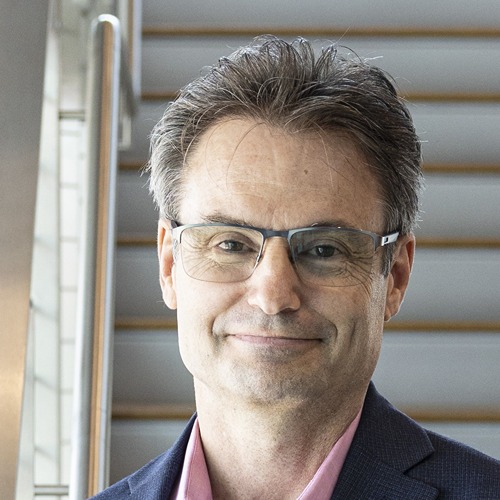 Alan Brooks Metagenomi, USA
Alan received his Bachelor of Science from the University of Leicester and his Ph.D. from the University of Warwick in the UK and completed a postdoctoral fellowship at the Gladstone Institute of Cardiovascular Disease, San Francisco. Alan has 35 years of experience in drug discovery and development at both biotech and pharmaceutical companies applying protein therapeutics, gene therapy and most recently gene editing to hemophilia and cardiovascular diseases. Currently he is Senior vice president and head of research at Metagenomi, a gene editing company applying novel gene editing systems to treat genetically deriven diseases.
 Regina Barzilay MIT, USA
 Sam Tsimikas Ionis Pharmaceuticals, USA
Dr. Tsimikas is Senior Vice President and Cardiovascular Franchise Leader at Ionis Pharmaceuticals. He has spearheaded the development of multiple RNA therapeutics with regulatory approval of several drugs (Waylivra, Wainua) and has directed the design and execution of approximately 50 clinical trials in RNA therapeutics targeting Lp(a), APOC3, PCSK9i, ANGPTL3, angiotensinogen and TTR. He is a practicing Board-Certified Cardiologist and Professor of Medicine at the University of California San Diego School of Medicine. He is the Founding Director of the Vascular Medicine Program and the UCSD “Lp(a) Clinic”. He has published his work in major medical journals, including NEJM, Lancet, Nature, Cell, JACC, Circulation, EHJ, and has over 400 original manuscripts, review articles and book chapters.
 Thorsten Stafforst University of Tübingen
 Chris Hart Eli Lilly, USA
Chris Hart brings over two decades of experience at the intersection of AI/ML, genomics, and therapeutic development to his current role as Vice President of Data Science and AI/ML at Eli Lilly's Institute of Genetic Medicine, where he leads efforts to advance RNA therapeutics platform capabilities and accelerate portfolio programs.
His entrepreneurial and scientific leadership includes founding Creyon Bio as CEO, where his team pioneered AI-driven oligonucleotide design and aptameric delivery systems, culminating in the rapid development of the first intrathecally dosed allele-selective LNA antisense therapeutic—progressing from concept to clinic in just 13 months. Previously, Chris spent seven years at Ionis Pharmaceuticals establishing their functional genomics capabilities. He earned his Ph.D. from Caltech developing interpretable machine learning models for gene regulatory networks and completed postdoctoral training at Yale in computational genomics.
 Julia Alterman University of Massachusetts Chan Medical School, USA
Julia Alterman is an Assistant Professor at the RNA Therapeutics Institute at UMass Chan Medical School. She began her scientific career in chemical biology and pharmacology, contributing to the development of small molecules and peptide-lipid conjugates at biotech companies in the Boston area. She earned her PhD in Dr. Anastasia Khvorova’s lab, where she developed a novel branched siRNA scaffold enabling potent, widespread gene silencing in the central nervous system—technology now licensed to Atalanta Therapeutics for treating neurodegenerative diseases.
Julia’s research focuses on overcoming the challenge of oligonucleotide delivery to extrahepatic tissues, with active programs targeting skin, muscle, bone, and eye. Her lab develops hyper-functional siRNA sequences and delivery platforms, including a skin-targeted siRNA currently in Phase 2a trials for alopecia areata in collaboration with Alys Pharmaceuticals. She also serves the oligonucleotide therapeutics community as a board member of the Oligonucleotide Therapeutics Society, on the editorial board of Molecular Therapy – Nucleic Acids, and on several scientific advisory boards.
 James Dahlman Emory University, USA
 -
Available On Demand
Keynote Talk
5:15 - 6:00 p.m.
Activating anti-tumor immunity with RNA/DNA hybrids mimicking retroviral replicative complexes - Arthur Krieg (Zola Therapeutics, USA)
 Arthur Krieg Zola Therapeutics, USA
Arthur M. Krieg, MD has worked in the oligonucleotide field since the 1980s. Art graduated from Haverford College in 1979, received his MD from Washington University in 1983, and completed a residency in Internal Medicine at the University of Minnesota in 1986. He was a Staff Fellow at the NIH in the Arthritis Institute from 1986 to 1991, when he joined the University of Iowa, becoming Professor of Internal Medicine in the Division of Rheumatology. He has had 19 years of patient care experience, although his focus has always been on basic research and teaching. Art discovered the immune stimulatory CpG DNA motif in 1994, which led to a new approach to immunotherapy and vaccine adjuvants. Based on this technology he co-founded Coley Pharmaceutical Group in 1997, discovering and taking 4 novel oligonucleotides into clinical development, including the CpG 7909 in the approved vaccine, Cyfendus. Art was co-founder, CSO of Coley Pharmaceutical Group from 1997 until its acquisition and incorporation into Pfizer in 2008. He then served as CSO of Pfizer’s Oligonucleotide Therapeutics Unit from 2008 to 2011, becoming co-founder and CEO at RaNA Therapeutics from 2011 to 2013, and CSO at Sarepta until July 2014. In 2015 he founded Checkmate Pharmaceuticals to develop novel oligonucleotides for cancer immunotherapy, and then served as CSO until its acquisition by Regeneron in 2022. Art co-founded the first antisense journal, Nucleic Acid Therapeutics, which he edited for 16 years, and the Oligonucleotide Therapeutics Society, for which he recently served as President.
Art is currently an adjunct Professor in the UMass Chan Medical School RNA Therapeutics Institute, a mentor for the Termeer Foundation, and serves on the scientific advisory boards of several companies developing oligonucleotide therapeutics. Most recently Art founded his fourth biotech company, Zola Therapeutics, with the goal of developing a new generation of immunostimulatory oligonucleotides for cancer immunotherapy. He has published more than 250 scientific papers (h-index >130) and is an inventor on >50 issued US patents covering oligonucleotide technologies.
-
Available On Demand
Session III: Basic RNA (cont'd)
8:35 - 12:05 p.m.
8:35 - 9:00 a.m. RNA promotes the formation of spatial compartments throughout the nucleus - Mitch Guttman (CalTech, USA)
9:00 - 9:25 a.m. Neuronal activity triggers widespread changes in RNA stability - Stirling Churchman (Harvard University, USA)
9:25 - 9:50 a.m. Ribosomes in Gene Regulation: Controlling the diversity of proteins made in specific cells, tissues, & organisms - Maria Barna (Stanford University, USA)
9:50 - 10:00 a.m. SHORT TALK: The STRIKE platform enables kidney-selective gene silencing - Justin Lo (Judo Bio, USA)
10:00 - 10:30 a.m. Coffee break
10:30 - 10:55 a.m. Circular RNA immunity - Grace Chen (Yale University, USA)
10:55 - 11:20 a.m. Enzymatic RNA synthesis built to realize the promise of nucleic acid medicines - Jon Rittichier (EnPlusOne Bio, USA)
11:20 - 11:45 a.m. A generalized approach for reducing neural excitability by editing voltage-gated sodium channel messages - Joshua Rosenthal (The Marine Biological Laboratory, USA)
11:45 - 11:55 a.m. SHORT TALK: Sensitive, direct detection of non-coding off-target base editor unwinding and editing in primary cells - Tong Wang (Stanford University, USA)
11:55 - 12:05 p.m. SHORT TALK: The human single cell splicing atlas v1.0 - Neal Amin (Sculpta, Inc., USA)
 Mitch Guttman CalTech, USA
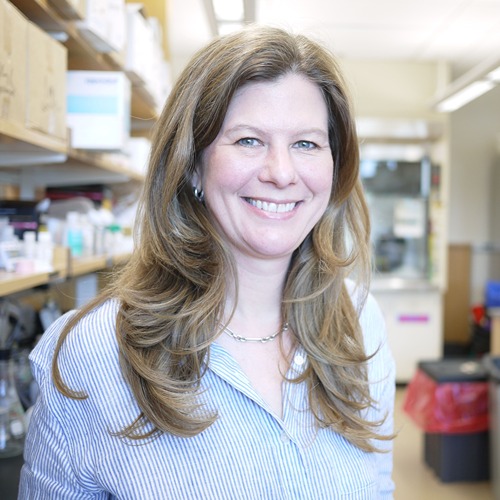 Stirling Churchman Harvard University, USA
Stirling Churchman, Ph.D., is Professor of Genetics at Harvard Medical School. Her research focuses on the coordination of gene expression across the cell, from the nucleus to the mitochondria, in both health and disease. Dr. Churchman is dedicated to uncovering previously unappreciated layers of gene regulation and elucidating the molecular mechanisms that orchestrate cellular function.
Over the past fourteen years at Harvard Medical School, the Churchman lab has pioneered innovative sequencing-based approaches to visualize gene expression processes with high resolution. Among her contributions, Dr. Churchman developed native elongating transcript sequencing (NET-seq), which maps RNA polymerase genome-wide at nucleotide resolution. The Churchman lab also created nanopore analysis of co-transcriptional processing (nano-COP), a technique designed to directly probe the dynamics and regulation of pre-mRNA splicing in vivo. More recently, the lab established subcellular TimeLapse-seq, a method that tracks the life cycles of RNAs from production to degradation as they progress through the cell. In addition, the Churchman group discovered that cytosolic and mitochondrial translation programs are synchronized during mitochondrial biogenesis.
Dr. Churchman received her BA in physics from Cornell University and her PhD in physics from Stanford University in 2008. She completed her postdoctoral training with Jonathan Weissman at the University of California, San Francisco, where she was a Merck Fellow of the Damon Runyon Cancer Research Foundation. Dr. Churchman joined the Genetics Department at Harvard Medical School as an Assistant Professor in 2011 and is also an Associate Member of the Broad Institute of Harvard and MIT. Her awards include the Dale F. Frey Award for Breakthrough Scientists by the Damon Runyon Cancer Research Foundation, a Burroughs Wellcome Fund Career Award at the Scientific Interface, and the Glenn Award for Research in Biological Mechanisms of Aging.
 Maria Barna Stanford University, USA
Dr. Barna obtained her B.A. in Anthropology from New York University and her Ph.D. from Cornell University, Weill Graduate School of Medicine. Dr. Barna was subsequently appointed as a UCSF Fellow through the Sandler Fellows program, which enables exceptionally promising young scientists to establish independent research programs immediately following graduate school. She is presently an Associate Professor in the Genetics Department at Stanford University. Dr. Barna has received a number of distinctions including being named a Pew Scholar, Alfred P. Sloan Research Fellow, and top ’40 under 40’ by the Cell Journal. She has received the Basil O’ Connor Scholar Research Award and the NIH Directors New Innovator Award. She is the recipient of the Elizabeth Hay Award, H.W. Mossman Award, Tsuneko and Reiji 'Okazaki Award', American Society for Cell Biology Emerging Leader Prize, the Rosalind Franklin Young Investigator Award, and the RNA Society Early Career Award. She is presently a NYSCF Robertson Stem Cell Investigator.
 Grace Chen Yale University, USA
Dr. Grace Chen obtained a BS in Chemical Biology from the University of California, Berkeley and received her PhD in Chemical Biology from Harvard University, where she worked in Dr. David Liu’s lab studying RNA modifications. Dr. Grace Chen was a postdoctoral fellow with Dr. Howard Chang at Stanford University researching engineered and endogenous circular RNAs. Dr. Grace Chen joined the faculty of the Yale University Department of Immunobiology in 2019 as an Assistant Professor and the Robert T. McCluskey Yale Scholar. She is a Rita Allen Foundation Scholar and an Allens Distinguished Investigator. The Chen Laboratory investigates the diverse functions and applications of circular RNAs and RNA modifications in health and disease.
 Jon Rittichier EnPlusOne Bio, USA
Jonathan is co-founder and CSO of EnPlusOne Bio. He did his postdoc in George Church’s Research Group at Harvard Medical School and the Wyss Institute for Biologically Inspired Engineering, where he co-developed the enzymatic RNA synthesis platform that formed the basis of EnPlusOne technology. During his postdoc, he jointly developed methods for tRNA charging and chemically accessing new, nonstandard amino acids. Jonathan earned his BS in Chemistry from Indiana Wesleyan University and a PhD in Organic Chemistry from Indiana University under Professor Michael Vannieuwenhze.
 Joshua Rosenthal The Marine Biological Laboratory, USA
Joshua Rosenthal is a Senior Scientist at the Marine Biological Laboratory (MBL) in Woods Hole, Massachusetts. He received his Ph.D. in Biology from Stanford University and completed his postdoctoral training in biophysics and physiology at UCLA. Before coming to the Marine Biological Laboratory, he rose from Assistant to Full Professor at the University of Puerto Rico’s Medical Sciences Campus. Dr. Rosenthal’s research focuses on the process of RNA editing from a variety of angles. His group has shown that mRNA recoding is unusually active in cephalopods. They are interested in what it’s being used for and how the underlying machinery for RNA editing differs in this divergent taxon. Rosenthal also leads an initiative at the MBL to bring modern genetics to cephalopods by creating genetically tractable squid models. Finally, he was a pioneer in developing RNA editing as a platform for human therapeutics. Early studies in his lab showed that RNA editing enzymes could be redirected to new, therapeutically relevant targets. Using these ideas, he was a founder of Korro Bio, an RNA editing company in Cambridge, MA. Currently, he leads a consortium to use RNA editing to create nonaddictive analgesics to treat pain.
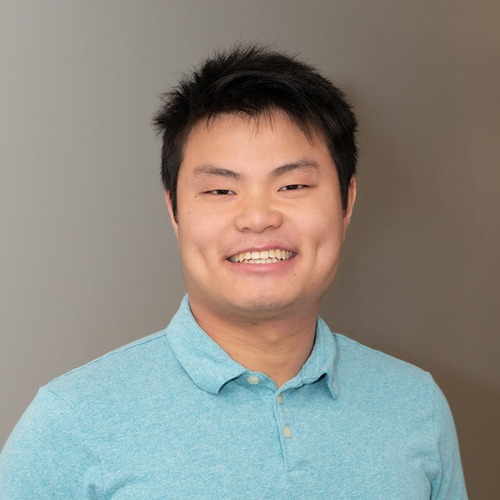 Justin Lo Judo Bio, USA
Justin is a Research Associate at Judo Bio, where he focuses on screening and evaluating novel siRNA–ligand complexes targeting proximal tubule cells in the kidney. In his role on the Biology team, he executes downstream molecular analyses for in vivo studies and works closely with the chemistry team to refine study design and ligand-linker optimization. Prior to joining Judo Bio, Justin worked on the Discovery team at Camp4 Therapeutics, contributing to IND-supporting nonclinical research on antisense oligonucleotides (ASOs) for metabolic diseases. He earned his B.S. in Bioengineering from Northeastern University.
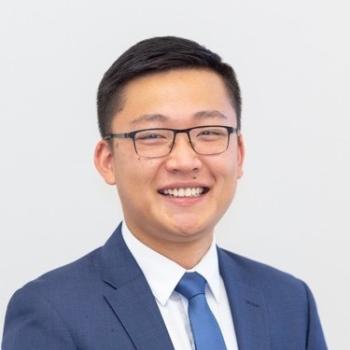 Tong Wang Stanford University, USA
Tong Wang is currently in his final year of clinical pathology residency at Stanford. He is using chemical biology and deep learning to understand CRISPR off-target effects.
Tong completed his MD and PhD at the University of Pennsylvania, where he engineered a neomorphic DNA methyltransferase for bisulfite-free epigenetic sequencing.
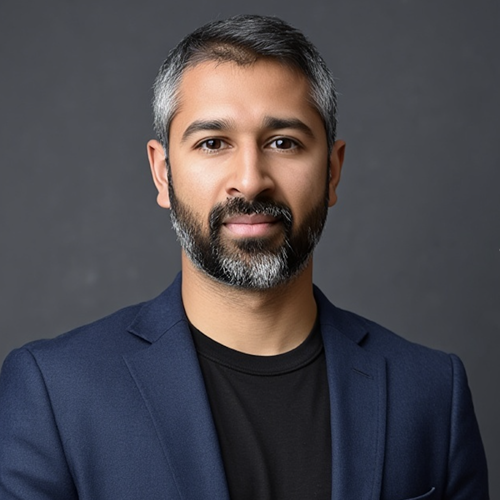 Neal Amin Sculpta, Inc.Neal Amin MD PhD is the founder and CEO of Sculpta. Previously an Assistant Professor at Stanford University, he is known for his research on RNA processing in neural populations related to normal neurodevelopment and disease. This work includes the discovery of a microRNA specifically expressed in lower motor neurons essential for mammalian life (Science 2015, Neuron 2021) and single cell transcriptomic characterizations of novel human brain organoid technologies (Cell Stem Cell 2024, Science 2025 (accepted), Nature 2025, Nature 2024, Neuron 2018). He received a BA from Columbia University, his MD and PhD degrees from UC San Diego and the Salk Institute in La Jolla California, and his residency training at Stanford University. He has worked closely with Samuel Pfaff, Sergiu Pasca, and Marc Tessier Lavigne. Now at Sculpta, he is leading a team innovating a new therapeutic approach for neurodegenerative disorders.
 -
Available On Demand
Keynote Talk
1:30 - 2:15 p.m.
Living in the world of RNA therapeutics: role of chemistry - Mano Manoharan (Alnylam Pharmaceuticals, USA)
 Mano Manoharan Alnylam Pharmaceuticals, USA
Dr. Muthiah (Mano) Manoharan serves as the Senior Vice President of Drug Innovation, a Scientific Advisory Board Member, and has earned the title of Alnylam Distinguished Research Scientist at Alnylam Pharmaceuticals, Cambridge, Massachusetts. In 2003, he was the founding chemist hired at Alnylam as the Head of the Drug Discovery. He and his team pioneered the discovery and development of numerous chemical modifications, GalNAc conjugation chemistry, lipid conjugates (the first in vivo demonstration of RNAi in 2004) and Lipid Nanoparticles (LNP) delivery platform that made RNA interference-based human therapeutics possible.
Prior to joining Alnylam, he worked at Isis (Ionis) Pharmaceuticals in the field of antisense oligonucleotides and contributed to many clinical candidates. He is an author of more than 250 publications (more than 71,500 Google Scholar citations with an h-index of 122 and an i10-index of 452) and over 600 abstracts, as well as an inventor of over 300 issued U.S. patents.
Among the numerous awards Dr. Manoharan has earned, two are worth pointing out: He is the winner of the Lifetime Achievement Award of the Oligonucleotide Therapeutics Society (OTS, 2019), and has been honored with the Professor Ronald Breslow Biomimetic Chemistry National award by the American Chemical Society for the year 2024.
Dr. Manoharan was born in Madurai, Tamil Nadu, India and received his B.Sc. and M.Sc. degrees in chemistry at the American College, Madurai, Tamil Nadu, India. He earned his Ph.D. in chemistry at the University of North Carolina, Chapel Hill, (Professor Ernest L. Eliel) and learned the field of oligonucleotides at Yale University and University of Maryland as a post-doctoral research associate (Professor John A. Gerlt). -
Available On Demand
Session IV: Chemistry
2:15 - 5:10 p.m.
2:15 - 2:40 p.m. Synthesis of short, chemically modified messenger RNA - Masad Damha (McGill University, Canada)
2:40 - 3:05 p.m. Xiao Wang (Broad Institute, USA)
3:05 - 3:35 p.m. Coffee break
3:35 - 4:00 p.m. DNA-targeting invader probes: discovery, principles and applications - Patrick Hrdlicka (University of Idaho, USA)
4:00 - 4:25 p.m. Janus Peptide Nucleic Acids with potential for multiple gene silencing - Krishna N. Ganesh (Jawaharlal nehru Center for advanced Scientific Research (JNCASR), India)
4:25 - 4:50 p.m. Progress and prospects in oligonucleotide medicinal chemistry - TP Prakash (Ionis Pharmaceuticals, USA)
4:50 - 5:00 p.m. SHORT TALK: Lipid nanoparticle screening in nonhuman primates - Ryan Zenhausern (Emory University, USA)
5:00 - 5:10 p.m. SHORT TALK: Ultra-tight catalytic RNA switches enable tunable control of gene therapy for metabolic disorders - Guocai Zhong (UMass Chan Medical School, USA)
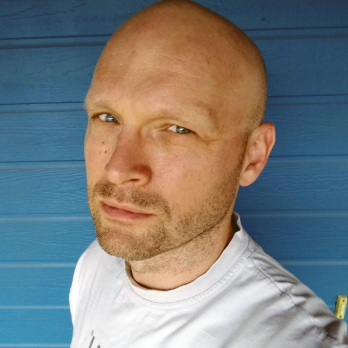 Patrick Hrdlicka University of Idaho, USADr. Hrdlicka earned his PhD in 2006 from the University of Southern Denmark, where he conducted research on functionalized locked nucleic acids (LNA) under the supervision of Prof. Jesper Wengel. He joined the Department of Chemistry at the University of Idaho later that year and was promoted to full professor in 2017. His research group focuses on the synthesis and biophysical characterization of chemically modified oligonucleotides, particularly those designed to target double-stranded DNA. He has co-authored approximately 75 peer-reviewed publications in this area. Dr. Hrdlicka has received several recognitions from the University of Idaho, including the Excellence in Research and Creative Activity Award in 2013.
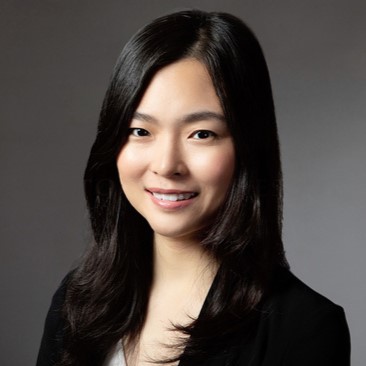 Xiao Wang Broad Institute, USA
Xiao Wang is an associate professor in the Department of Chemistry at MIT and a core institute member at the Broad Institute of MIT and Harvard. Her lab develops and applies new chemical, biophysical, and genomic tools to better understand tissue function and dysfunction at the molecular level. Wang joined MIT and the Broad after conducting postdoctoral research at Stanford University with Professor Karl Deisseroth, where she was a postdoctoral fellow of the Life Sciences Research Foundation. At Stanford, she developed comprehensive methods for analyzing RNA in intact tissues that merge sequencing with imaging, in order to reveal the locations of various cell types in the brain. Wang received her B.S. in chemistry and molecular engineering from Peking University in 2010 and her Ph.D. in chemistry from the University of Chicago in 2015, where she elucidated the cellular functions of RNA modifications with Professor Chuan He.
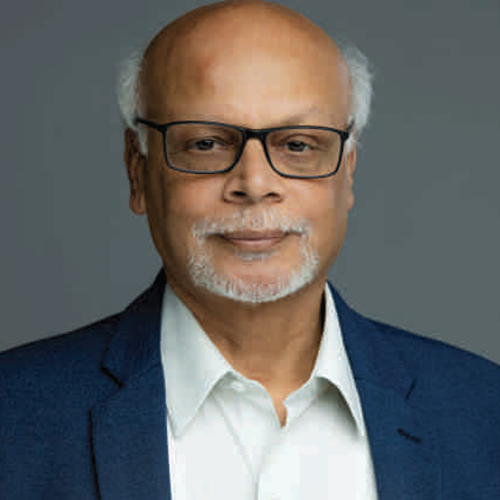 Krishna N. Ganesh Jawaharlal nehru Center for advanced Scientific Research (JNCASR), India
Prof. Ganesh is currently SERB (ANRF) National Science Chair at JNCASR, Bengaluru, India and works in the field of Chemistry and Biology of Nucleic acids and peptides, in particular designing and developing modified Peptide Nucleic Acids (PNA) for effective cell permeation and for sequence (DNA vs RNA) and orientation specific binding.
After obtaining 2 PhDs in Chemistry - Delhi University (1976), and University of Cambridge (1980), he Joined CCMB, Hyderabad in 1981, and moved to NCL Pune (1987) to be the Head, Organic Chemistry Division (from 1993 to 2006). He is the Founder Director of two of the Indian Institutes of Science Education Research (IISER) - Pune (2006- 2017) and Tirupati (2015-2023), two of the premier Institutes under Ministry of Education, Govt of India.
Dr. Ganesh has been recognised with SS Bhatnagar Prize (Chemical sciences) from CSIR and the World Academy of Science (TWAS) Prize for Chemical Sciences. He is a Fellow of all three science academies and a Fellow of TWAS (Trieste) and has served as a member of the Editorial Advisory Boards of various journals including Chemistry, An Asian Journal (Wiley), J Organic Chemistry (ACS), Acc. Chem. Res (ACS), Chem. Revs (ACS), Beilstein J Organic Chemistry, Oligonucleotides and Nucleic Acid Therapeutics. He is one of the founding Editors of ACS Omega (2016) and currently the Editor-in-Chief of ACS Omega.
Due to his eminent contributions in research on nucleic acids, science education and Institution building, Government of India awarded the civilian honour “Padmashri” in 2023.
In July 2024, Prof Ganesh was awarded Gold Medal of Chemical Research Society of India (CRSI).
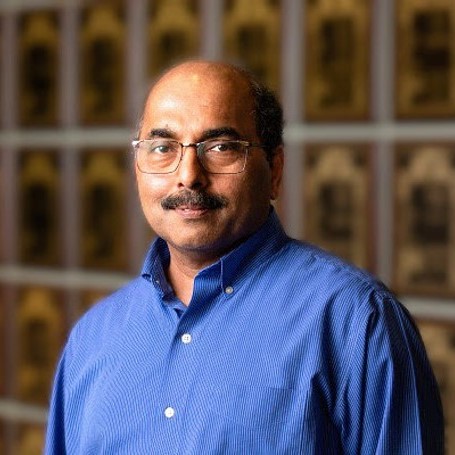 Thazha P. Prakash Ionis Pharmaceuticals, USA
Dr. Thazha P. Prakash is an Executive Research Fellow of Medicinal Chemistry at Ionis Pharmaceuticals and is a well-recognized chemist specializing in RNA therapeutics. Ionis is a biotechnology company dedicated to the development of RNA-based treatments. Throughout his career at Ionis, he has held various research and development positions, making significant contributions to the field. He is a co-inventor of the ligand-conjugated antisense (LICA) technology, which enables tissue-specific targeting of antisense oligonucleotide therapeutics. Currently, more than ten LICA ASO drugs are in clinical development. Some of his key innovations include the development of: 2’-O-NMA and cEt BNA for antisense oligonucleotides (ASOs), 5’-vinylphosphonate and fully modified RNAs for small interfering RNAs (siRNAs), chemical strategies to enhance the selectivity of siRNAs, monovalent and trivalent GalNAc conjugates for targeted delivery of ASOs to hepatocytes, GLP-1 conjugate for targeted delivery of ASOs to pancreatic β-cells, lipid and Ang II peptide conjugates for targeted delivery of nucleic acids to muscle, neurotensin peptide conjugate for targeted delivery of nucleic acids to the brain, chemically modified guide RNA for CRISPR/Cas9-based genome editing. His research has contributed to the development of several notable drugs, including Spinraza, Waylivra, Wainua, Qulsody, and Tryglolza. Additionally, he contributed to early research that led to the discovery of 2’-methyl nucleosides for anti-HCV drugs. He is the author/inventor of more than 225 peer-reviewed publications, issued patents, and pending patent applications.
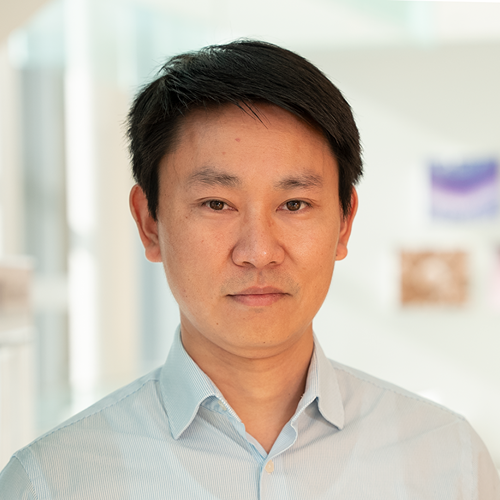 Guocai Zhong UMass Chan Medical School, USA
Guocai is a tenure-track Assistant Professor in the Department of Genetic and Cellular Medicine, the RNA Therapeutics Institute, and the Department of Biochemistry & Molecular Biotechnology at the University of Massachusetts Chan Medical School. He completed his PhD in Pathobiology through joint training at Harbin Medical University and the National Institute of Biological Sciences (NIBS, Beijing)—an HHMI-style research institute in China. At NIBS, he co-discovered NTCP as an essential receptor for hepatitis B virus (HBV) and hepatitis D virus (HDV)—a landmark discovery that advanced the science and therapeutic strategies for hepatitis B and D and was later recognized by major awards, including the 2021 Baruch S. Blumberg Prize and the 2022 Future Science Prize in Life Sciences.
During his postdoctoral training at the Scripps Research Institute Florida campus (2013–2019), he shifted his research focus to RNA switch engineering for temporal and dose control of gene therapeutics. At Scripps, he developed a series of novel RNA switches, including a self-cleavage-based RNA switch that efficiently regulates transgene expression in mice. He then established his independent laboratory, which centers on RNA switch engineering and the development of regulatable gene therapeutics. Recently, his lab developed a programmable RNA switch platform with negligible leakiness and ultra-wide dynamic range in animals. The switch system has now been validated in a series of POC studies in mice for the regulation of gene-addition or gene-editing therapies targeting fatal genetic diseases, autoimmune/inflammatory disorders, and metabolic/liver conditions.
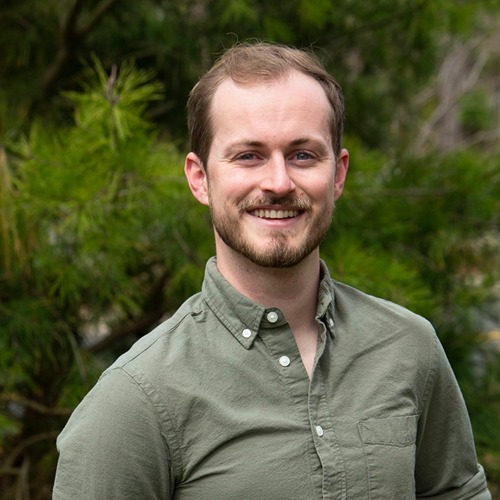 Ryan Zenhausern Emory University, USADr. Zenhausern's research focuses on developing lipid nanoparticles that deliver mRNA to hematopoietic stem cells to enable next generation in vivo RNA therapies for blood disorders.
 Masad Damha McGill University, CanadaDr. Masad J. Damha is Distinguished James McGill Professor of Chemistry at McGill University. He is a leading expert in nucleic acid chemistry and has made significant contributions to the development of new methods for synthesizing and modifying nucleic acids. His ‘chemistry toolbox‘ is being applied by multiple research laboratories and industries to oligonucleotide manufacturing and therapeutic development in gene silencing, and DNA and RNA gene editing strategies. With his students, he has authored more than 230 publications, and filed/received several patents worldwide.
Dr. Damha has served as the President of both the International Society of Nucleosides, Nucleotides and Nucleic Acids and the Oligonucleotide Therapeutic Society, and currently serves on the Editorial Board of the journal Nucleic Acids Therapeutics. He has received numerous awards and distinctions for his research, including the Ray Lemieux and the Bernard Belleau Awards, both from the Canadian Chemical Institute, and the Queen Elizabeth II Diamond Jubilee Medal from the Governor General of Canada. Damha received his B.Sc. and Ph.D. in organic chemistry from McGill University.
-
Available On Demand
DAY 3: Wednesday, December 10
Registration check-in and Breakfast
8:00 - 9:00 a.m. -
Available On Demand
Session V: Clinical
9:00 - 11:20 a.m.
9:00 - 9:25 a.m. Antisense oligonucleotide approach for treaing haploinsufficiencies - Barry Ticho (Stoke Therapeutics, USA)
9:25 - 9:50 a.m. Personalized therapeutic genome editing for hepatic inborn errors of metabolism - Rebecca Ahrens-Nicklas (CHOP, USA)
9:50 - 10:00 a.m. SHORT TALK: A modular nanovesicle system for precision delivery and endosomal escapes study of nucleic acids - Thai Duong Luong (The University of Queensland, Australia)
10:00 - 10:30 a.m. Coffee break
10:30 - 10:55 a.m. n-Lorem: Advancing ASO treatment of nano-rare pathogenic mutations - Sarah Glass (n-Lorem Foundation, USA)
10:55 - 11:20 a.m. Advancing the potential of the FORCE platform to achieve functional improvement in DM1 and DMD - Ron Batra (Dyne Therapeutics, USA)
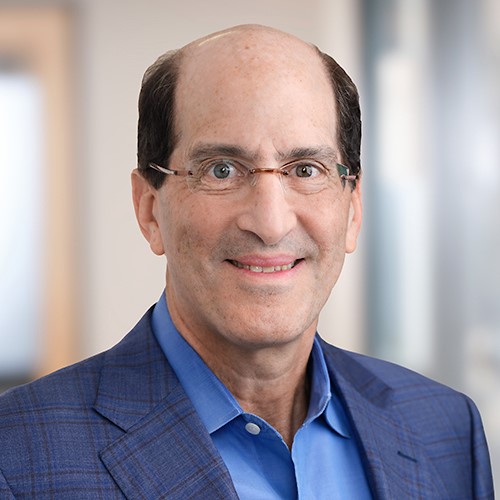 Barry Ticho Stoke Therapeutics, USA
Barry Ticho is the Chief Medical Officer at Stoke Therapeutics, where he leads efforts to develop first-in-class RNA based disease-modifying medicines to treat severe genetic diseases. He is responsible for clinical development, clinical development operations, pharmacovigilance, toxicology, translational DMPK and clinical pharmacology and ophthalmology research.
Dr. Ticho has more than 25 years of experience in research and clinical development in the biotechnology industry. Prior to joining Stoke, Barry was the head of research and development for cardiovascular and metabolic diseases at Moderna Therapeutics, where he specialized in mRNA treatments. Before that, he was the head of external R&D innovation in the Cardiovascular and Metabolic Disease Research Unit at Pfizer. Previously, Barry was vice president of clinical development at Biogen. He was also co-founder, founding CEO and board member of Verve Therapeutics which is developing therapies to edit the genome and confer protection from cardiovascular disease.
Barry obtained his M.D. and Ph.D. degrees from the University of Chicago. He completed pediatrics training at Northwestern University and a cardiology fellowship at Boston Children’s Hospital. Barry served as a member of the clinical staff at Harvard Medical School and Massachusetts General Hospital, where he also conducted laboratory research on cardiac development.
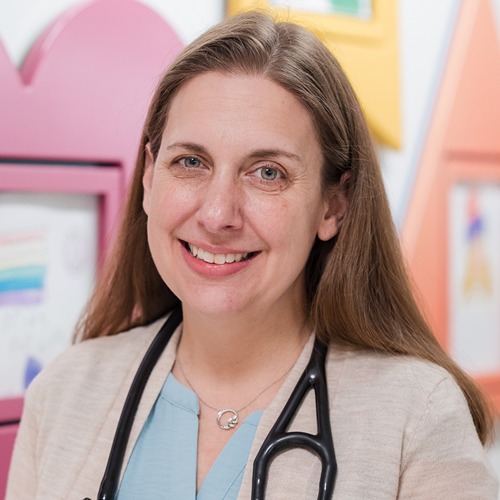 Rebecca Ahrens-Nicklas The Children's Hospital of Philadelphia (CHOP), USA
Dr. Rebecca Ahrens-Nicklas is an Assistant Professor of Pediatrics in the Division of Human Genetics and Metabolism at The Children’s Hospital of Philadelphia (CHOP) and the University of Pennsylvania. She also directs the Gene Therapy for Inherited Metabolic Diseases Frontier Program at CHOP. After completing MD/PhD training in Physiology and Biophysics, she pursued clinical training in Pediatrics, Clinical Genetics, and Metabolism. She cares for children with rare diseases, with a special interest in neurometabolic disorders. Her research laboratory focuses both on gene discovery and elucidating the pathologic mechanisms underlying rare diseases to guide therapy development. She also partners with advocacy groups to conduct natural history and biomarker studies to promote clinical trial readiness for these rare conditions.
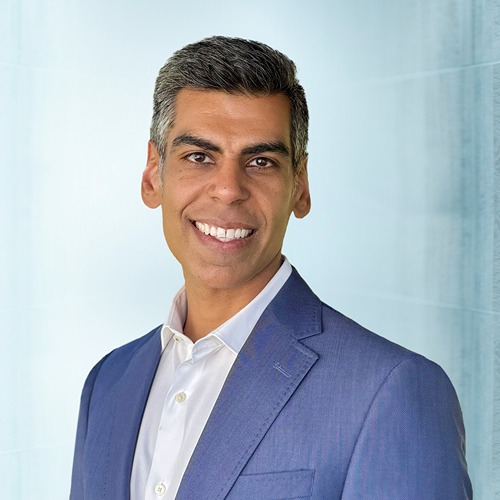 Ron Batra Dyne Therapeutics, USA
Ron joins Dyne from Lexeo Therapeutics, where he was vice president of discovery research and translation. A leading expert in RNA biology and therapeutics, he has developed cutting-edge treatments for genetic diseases. Previously, he served as a senior vice president of R&D at LocanaBio, where he advanced RNA-targeted therapies for rare disorders including Duchenne muscular dystrophy and myotonic dystrophy. His work earned him the Biocom Catalyst Award (2019), Endpoints News 20 Under 40 (2021), and recognition as one of San Diego’s Top 25 Health Care Leaders (2022). Before LocanaBio, he worked at Verily Life Sciences and conducted pioneering research at UC San Diego and the University of Florida with more than 35 publications and patents. Ron earned a PhD in genetics from the University of Florida, where he studied RNA biology and gene therapy for neuromuscular diseases.
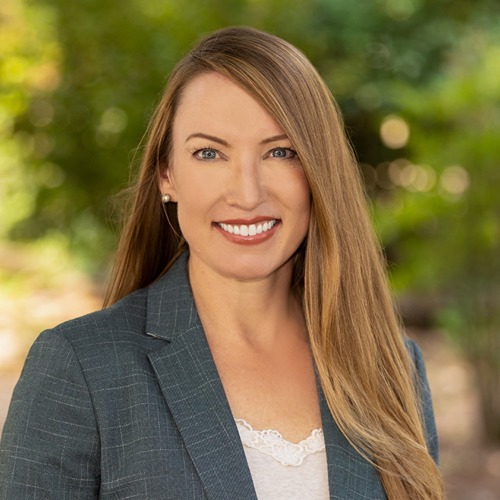 Sarah Glass n-Lorem Foundation, USA
Sarah Glass, PhD, is the Chief Operating Officer of the n-Lorem Foundation, where she leads global operations to discover, develop, and deliver individualized antisense oligonucleotide (ASO) therapies for patients with nano-rare genetic diseases. Trained as a molecular geneticist, Dr. Glass brings more than 20 years of experience spanning academia, large pharmaceutical companies, and nonprofit biotechnology. Before joining n-Lorem, she held key scientific and leadership roles at GlaxoSmithKline, Teva Pharmaceuticals, and Parexel International, advancing precision medicine and rare disease programs. Over the past four years at n-Lorem, Dr. Glass has built the operational infrastructure and strategic frameworks that have enabled FDA authorization of more than 35 individualized ASO INDs, leading to the delivery of safe and effective RNA-targeted medicines to over 50 patients, with more than 100 additional programs in development. Her leadership combines scientific rigor with patient-centered purpose, driven in part by her personal experience as the parent of a child with a nano-rare disease.
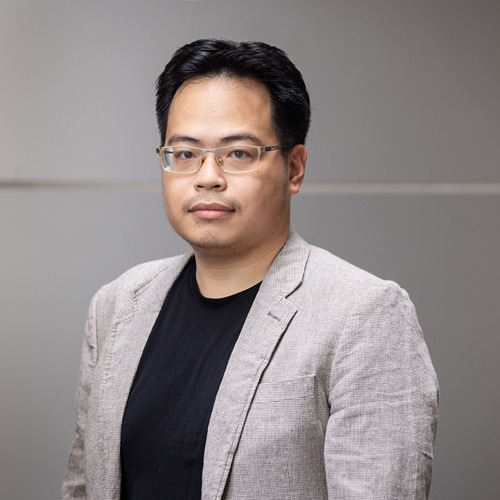 Thai Duong Luong The University of Queensland, Australia
Dr. Thai Duong Luong is a molecular biologist and nanomedicine researcher whose work bridges nanoparticle trafficking mechanisms, targeted drug delivery, and therapeutic nucleic acids. He completed his PhD in Drug Delivery and Protein Engineering at The University of Queensland’s Institute for Molecular Bioscience, where he developed antibody- and peptide-targeted lipid particles as a modular platform for nucleic acid therapeutics.
He is currently a postdoctoral fellow in the Parton Group, where he leads research on gene-delivery mechanisms, targeted lipid nanoparticles for oncology and T-cell modification, and the in vivo distribution and activity of therapeutic mRNA. His work combines high-resolution confocal, correlative electron microscopy, nanoparticle engineering, and receptor-specific targeting to better understand and improve intracellular and precise delivery. Dr. Luong collaborates with researchers across UQ, Monash, UNSW, and international partners, including Harvard and Max Planck Institutes, with a broader goal of advancing clinically relevant delivery systems for next-generation RNA medicines.