

Organized by Chongqing Medical University, Nature Cell Biology, Nature Cancer, Nature Biotechnology and Nature Reviews Cancer .
The Nature Conference on Cancer Immunology in the AI Era, hosted by Chongqing Medical University in Chongqing, China, will take place on October 17–18, 2026. It will bring together leading scientists and clinician-researchers to explore the systemic crosstalk among immunology and oncology , and to accelerate AI-driven discovery that connects complex mechanisms with clinically actionable insights. The conference highlights a fast-growing frontier where advanced computation can help decode immune dynamics, identify new therapeutic targets, and enable more precise strategies for cancer diagnosis, prognosis, and treatment. By bridging disciplines and fostering global collaboration, the meeting aims to spark new partnerships, and shape a shared international agenda for the next wave of translational immuno-oncology—from bench to bedside.
Register Now Submit AbstractDeadline: Sep.6, 2026 Contact Us
Event details
Speakers
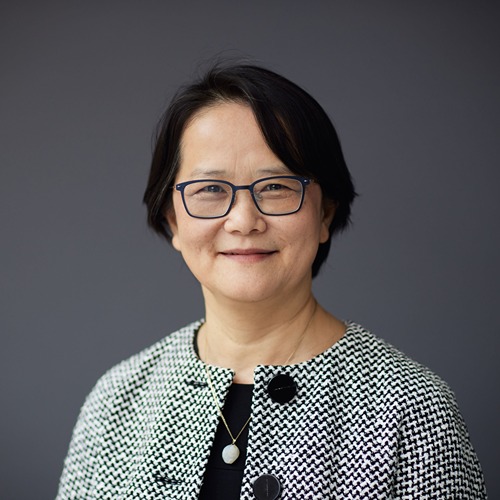
Tao Dong
Oxford University, UK
Tao Dong is the Ita Askonas Professor of Translational Immunology in Oxford University and Fellow of UK Academy of Medical Science (FMedSci). She is also the founding director of the Chinese Academy of Medical Sciences Oxford Institute (COI) based in Nuffield Department of Medicine, Oxford University since 2019.
The aim of Tao Dong’s research group is to investigate the functional aspects of antigen specific cytotoxic T cells (CTL) with a focus on the factors affecting CTL in controlling virus infection and cancer progression. While a robust and appropriate T cell response is typically beneficial to the host during human infections, a weak or inappropriate response can be ineffective or even have a detrimental effect. Over the past two decades, they have been working to understand the key factors required for efficient viral control by T cells in a number of different viral infections and cancer. Establishing both ex-vivo and in-vitro T cell functional evaluation platforms for antigen-specific T cells isolated from tissue and blood. By linking functional data with multi-omic single cell and T cell receptor (TCR) repertoire analysis, they continue to identify potential targets and pathways to augment and control the immune response as a way of improving the outcome of several important human diseases including SARS-CoV-2 virus infection and cancer.
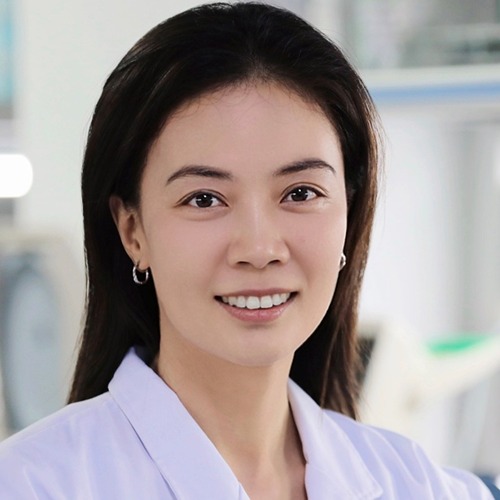
Chen Wu
Peking Union Medical College, China
Dr. Chen Wu is the Deputy Director of the Cancer Hospital, CAMS & PUMC. She earned her M.D. and Ph.D. from Peking Union Medical College and China Medical University, followed by postdoctoral training at Dana-Farber Cancer Institute and the Harvard T.H. Chan School of Public Health. Dr. Wu’s research focuses on cancer evolution. She has led one of China's largest prospective cohort studies on esophageal cancer for over a decade, establishing a dedicated biobank and database for cancer genome evolution research. Her team systematically identifies cancer susceptibility and driver genes through genome-wide association and multi-omics studies. Additionally, she has reconstructed a comprehensive body map of morphologically normal human organs to uncover profound genomic alterations associated with healthy aging. Dr. Wu has published 140 research articles in leading journals, including Nature, Nature Genetics, and Cancer Cell. She is also the recipient of the World Economic Forum’s Young Global Leaders (2020), the China Youth Science and Technology Award, the Chinese Young Women in Science Award, and the Xplorer Prize.
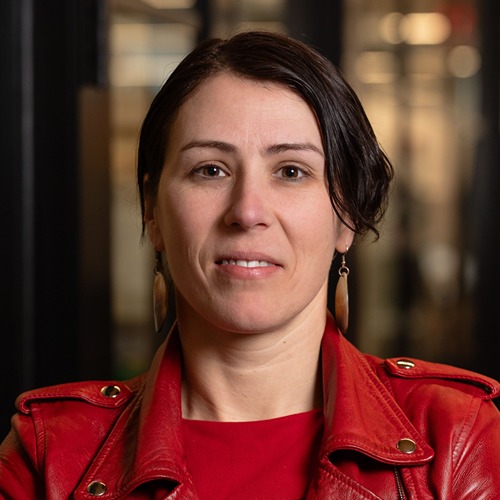
Marlies Meisel
University of Pittsburgh, USA
Dr. Marlies Meisel is an Associate Professor at the University of Pittsburgh, where her research focuses on the complex interactions between gut microbes and the host immune system in health, cancer, and autoimmunity.
Following her PhD in Austria studying T cell autoimmunity, her postdoctoral work at the University of Chicago uncovered mechanisms by which microbes influence intestinal inflammation and cancer development.
Her current lab investigates how the gut microbiota modulates tumor immunity, while also exploring the modulation of gut metabolites through diet and exercise to impact systemic immunity in the context of cancer.
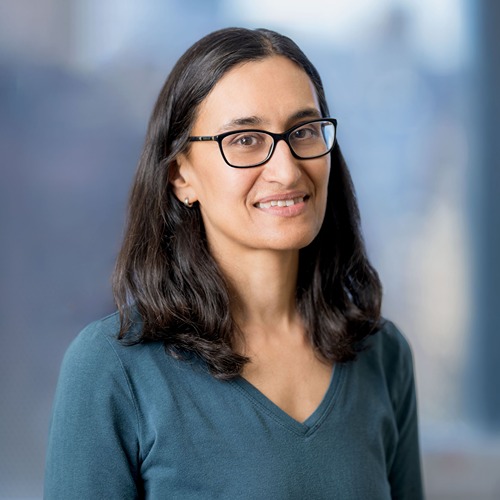
Christina Leslie
Memorial Sloan Kettering Cancer Center, USA
Christina Leslie did her undergraduate degree in Pure and Applied Mathematics at the University of Waterloo in Canada. She was awarded an NSERC 1967 Science and Engineering Fellowship for graduate study and did a PhD in Mathematics at the University of California, Berkeley, with thesis work in differential geometry and representation theory. She won an NSERC Postdoctoral Fellowship and did her postdoctoral training in the Mathematics Department at Columbia University in 1999-2000. She then joined the faculty of the Computer Science Department and later the Center for Computational Learning Systems at Columbia University, where she began to work in computational biology and machine learning. In 2007, she moved her lab to Memorial Sloan Kettering Cancer Center, where she is currently a Member of the Computational and Systems Biology Program. Dr. Leslie's research group uses computational methods to study the regulation of gene expression in mammalian cells and the dysregulation of expression programs in cancer. She is well known for developing machine learning and artificial intelligence (ML/AI) approaches for modeling single-cell, spatial, and 3D genomics data. Major biological domain areas include basic and cancer immunology, cancer epigenetics, and stem cell and developmental biology.
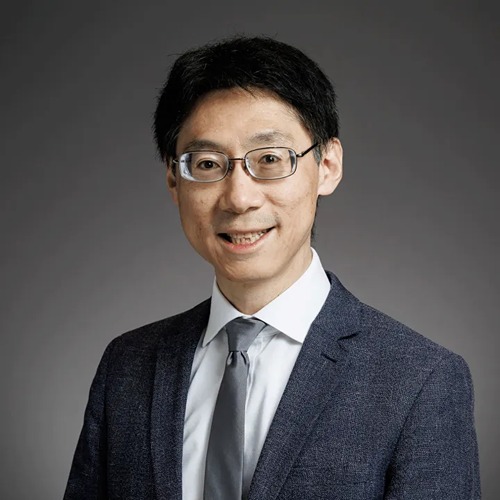
Rong Fan
Yale University, USA
Dr. Rong Fan is the Harold Hodgkinson Professor of Biomedical Engineering and of Pathology at Yale University. He received a Ph.D. in Chemistry from the University of California at Berkeley and completed the postdoctoral training at California Institute of Technology before joining the faculty at Yale University in 2010. His current interest is focused on developing single-cell and spatial omics technologies to interrogate functional cellular heterogeneity and inter-cellular signaling network in human health and disease. He co-founded IsoPlexis, Singleron Biotechnologies, and AtlasXomics. He served on the Scientific Advisory Board of Bio-Techne. He is the recipient of a number of awards including the National Cancer Institute’s Howard Temin Career Transition Award, the NSF CAREER Award, and the Packard Fellowship for Science and Engineering. He has been elected to the American Institute for Medical and Biological Engineering (AIMBE), the Connecticut Academy of Science and Engineering (CASE), and the National Academy of Inventors (NAI).
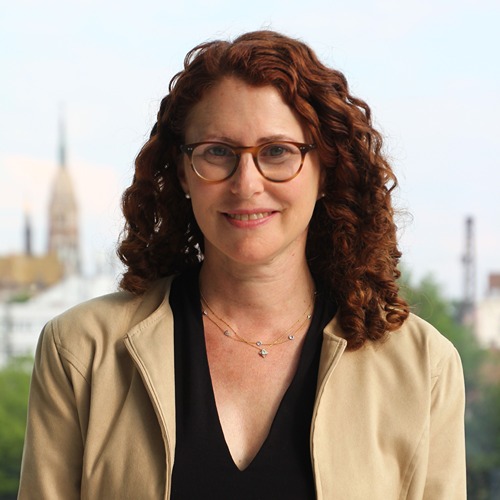
Yardena Samuels
The Weizmann Institute of Science, Israel
Prof. Yardena Samuels received her BSc from Cambridge University, UK, in 1993 and earned an MSc in immunology at the Hebrew University of Jerusalem in 1997. She completed a PhD at Imperial College, London in 2002. She worked as a postdoctoral fellow at Prof Vogelstein’s laboratory at Johns Hopkins University from 2003 to 2006. She served as an Assistant Professor at NIH before joining the Weizmann Institute in 2012. Today, she is the director of the Moross Integrated Cancer Center, the recipient of the Pezcoller Foundation Award, the Youdim Family Prize for Excellence in Cancer Research, the Sergio Lombroso Award in Cancer Research, an EMBO member, and is President of the European Association for Cancer Research
Samuels has been at the forefront of the comprehensive analysis of the cancer genome by employing an integrative genomic approach, focusing on two main research areas: cancer functional genomics and cancer immuno-genomics. This led to numerous seminal discoveries advancing the understanding of the underlying mechanisms determining cancer development and identifying specific vulnerabilities that may lead to new treatments.
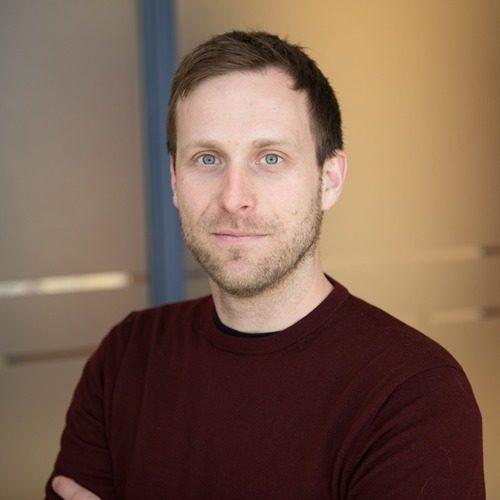
Sebastien Talbot
Queen's University, Canada
Under the mentorship of Dr Rejean Couture, Dr Talbot obtained is PhD in Physiology from the Université de Montreal (2012). His thesis focused on the role of CNS immune cells in priming diabetic pain neuropathy. Next, he joined Dr. Clifford Woolf’s lab at the Neurobiology center of Harvard Medical School to study the crosstalk between pain neurons and adaptive immune cells in the context of allergic inflammation.
Dr Talbot started is independent work at Université de Montreal (2017-2022) and has since then obtained a Tenured Associate Professorship at Queen’s University (Canada). He also holds the Canada Research Chair in Neuro-Immunology. He is also cross-appointed as a group leader at Karolinska Institutet (Sweden) where he holds a Wallenberg Academy Fellowship. His work is supported by a CRS, CFI, CRC, CIHR, NSERC, NIH (R01, co-I), and NRFR
His group combines OMICs technique with optogenetics, tissue clearance and imaging and chemogenetics. They aim at defining a framework of the neuro-immune interplay at the system level, to decipher how and which sub-population of sensory neurons controls innate and adaptive responses, and to develop new targeted therapies for resolution of chronic inflammatory diseases.
Specifically, his investigation focusses on the role of nociceptor neurons in the control of cancer immunosurveillance. Dr Talbot will present data unraveling the transcriptome of tumor-innervating neurons as well as their ability to regulate cDC1 tumor antigen trafficking. Dr Talbot hope that blocking tumor innervating neurons will safeguard the host immune system anti-tumor immunity.
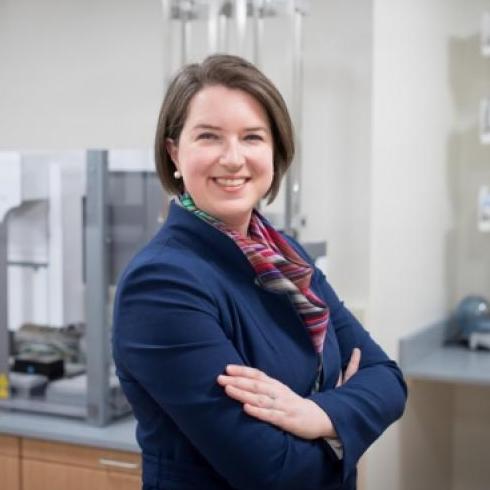
Alexandra-Chloe Villani
Massachusetts General Hospital, USA
Fabian Theis
Helmholtz Munich, Germany
Eric Vivier
Centre d'Immunologie de Marseille-Luminy (CIML), France
Eric Vivier is a Professor of Immunology at Marseille Medical School and heads the Innate Lymphoid Cells laboratory at the Centre d'Immunologie de Marseille-Luminy (CIML). He also holds a professorship at École Polytechnique and serves as President of the Paris Saclay Cancer Cluster. A pioneer in natural killer cell and innate immunity research, his work has had a profound impact on cancer immunotherapy, reflected in his recognition as a Highly Cited Researcher continuously since 2015. He ahas received several European Research Council grants, including Synergy and Advanced grants.
Beyond academia, he has played a significant role in translating research into clinical applications, co-founding Innate Pharma, where he served as CSO and SVP until 2025, as well as co-founding InVimmune and MI-mAbs. He advises several biotechnology firms and investment groups in the immunology space.
His contributions have been recognized with election to the French National Academy of Medicine and EMBO, and he holds the distinctions of Chevalier de la Légion d'Honneur, Officier de l'Ordre du Mérite, and Officier des Palmes Académiques. He is also the recipient of numerous research awards, including the EFIS Prize and the Prix Fondation ARC Léopold Griffuel.
Brian Brown
Mount Sinai School of Medicine, USA
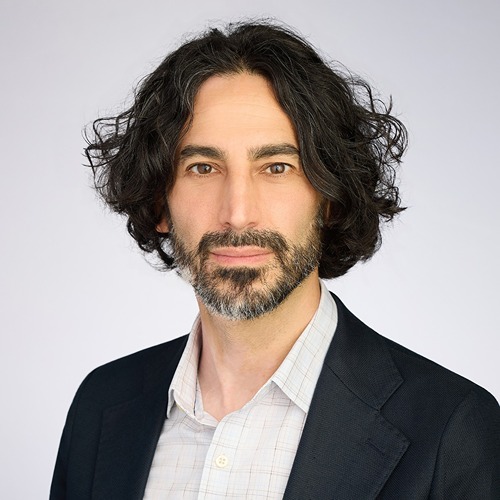
Dr. Brian Brown is the Director of the Icahn Genomics Institute and Vice Chair of the Department of Immunology & Immunotherapy at the Mount Sinai Medical Center in New York City. He is also the Endowed Chair of Genetic Engineering. His research spans immune oncology, functional genomics, and gene and cell therapy. His lab focuses on uncovering the molecular and cellular programming of tissue and tumor immunity; identifying mechanisms of tumor microenvironment control and immunotherapy resistance. He pioneered the field of spatial functional genomics with Perturb-map (Dhainaut et al Cell 2022) which is being used to help train predictive AI models of tumor biology and help identify actionable immunotherapy targets (Mollaoglu et al. Cell 2024).
Dr. Brown has also invented a number of other widely used technologies for therapeutic and experimental applications. This includes a landmark technology for targeting vector, virus, and RNA based drugs, which is being utilized in numerous applications ranging from the treatment of genetic diseases, oncolytic viruses, and cancer vaccines (Brown et al. Nature Reviews Genetics 2009; Marks, Siu et al. Nature Biotechnology 2026). His lab also developed bispecific antibody-coupled lipid nanoparticles (LNP) for cell-specific mRNA delivery and tumor macrophage-targeting chimeric antigen receptor (CAR) T cell as a new approach to CAR T (Mateus-Tique et al. Cancer Cell 2026).
Hua-Bing Li
Chonqing Medical University, China
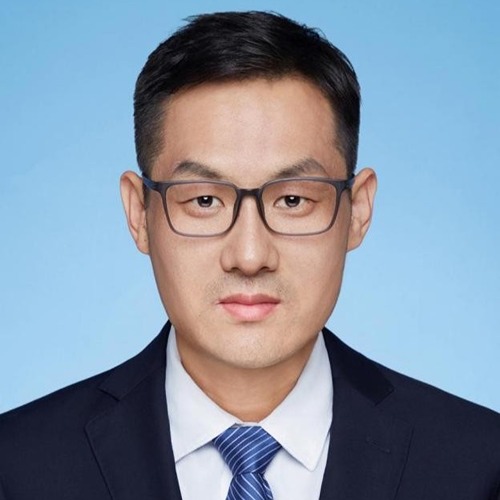
Dr. Hua-Bing Li is Vice President and Distinguished Professor of Chongqing Medical University. He concurrently serves as Senior Investigator at the Shanghai Institute of Immunology, Shanghai Jiao Tong University School of Medicine, and as Visiting Professor at Yale School of Medicine.
His research investigates the post-transcriptional regulation of intestinal inflammation and tumor immunity. As corresponding author, he has published in Nature, Nature Immunology, Nature Aging, and Cell Research, among other leading journals. His laboratory is supported by ten grants from the National Natural Science Foundation of China — including the prestigious National Science Fund for Distinguished Young Scholars — as well as by a National Key Research and Development Program of China.
Dr. Li has been recognized through China's National High-Level Overseas Talent Program and appointed a Shanghai Eastern Scholar Distinguished Professor. His honors include the Shulan Young Medical Scholar Award and the Asia-Pacific Outstanding Young Investigator Award. He holds leadership roles in several national and regional immunology societies, including service on the Standing Council of the Chinese Society for Immunology.
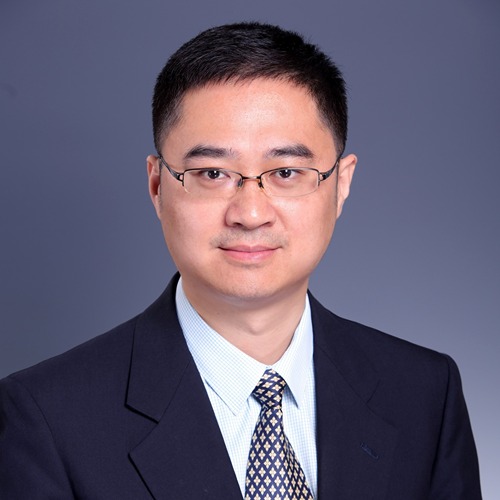
Jin Gu
Tsinghua University, China
Jin Gu, Tenured Associate Professor, Department of Automation, Tsinghua University. Focusing on the key challenges in decoding the genetic code of life and the regulatory principles of complex biological systems, his research group develops novel information theories and intelligent methods to advance the precision and personalized diagnosis and treatment of major diseases such as malignant tumors. He has published more than 60 papers in journals including Nature Genetics, Nature Cell Biology, Cell Stem Cell, and Genome Biology. His research achievements have won the First Prize of Natural Science Award of the Chinese Association of Automation (2025) and were selected as one of the Top Ten Research Advances in Hematology in China (2022). He currently serves as Deputy Director of the Technical Committee on Intelligent Health and Bioinformatics of CAA, and Standing Member of the Technical Committee on Bioinformatics and Artificial Life of CAAI.
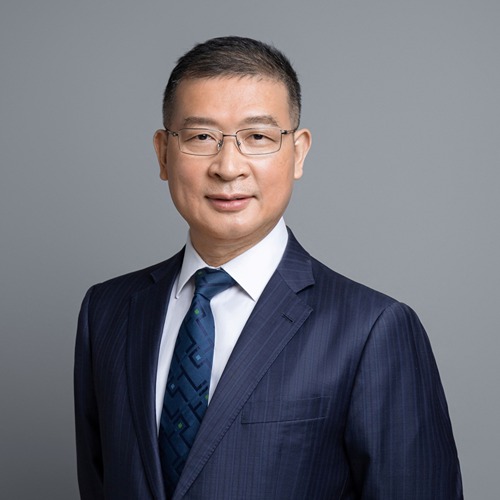
Rui-Hua Xu
Sun Yat-sen University Cancer Center, China
Professor Xu has made profound contributions to the research and treatment of GI cancer, advancing both theoretical understanding and clinical practice in the field. His pioneering work has elevated China's capability in early diagnosis and precision treatment of GI cancer to an internationally advanced level. His contributions have redefined the immunotherapy strategy for GI cancer. Prof. Xu, as the leading PI, has conducted a series of global or national multi-center clinical trials in GI cancer. The novel regimens derived from these trials have been widely adopted in clincal practice worldwide, significantly prolonging the overall survival of patients. Notably,his clinical research on two innovative Chinese PD-1 antibodies—Toripalimab and Tesilelizumab — has been approved from both FDA and EMA.
Prof. Xu has published more than 300 peer-reviewed papers in leading journals, including NEJM, JAMA, Cell, BMJ, Cancer Cell, Nature Medicine, Nature Materials and Lancet Oncology. His distinction as a "Highly Cited Researcher" by Clarivate Analytics underscores his profound influence and broad recognition within the global scientific community. He has been honored with two State Scientific and Technological Progress Awards and the National Innovation Competition Award.
Zemin Zhang
Chongqing Medical University, China
Professor Zemin Zhang is the President of Chongqing Medical University and the Director of Chongqing Institute of Intelligent Medicine. He is also a professor of the BIOPIC center of Peking University. Previously, he was a leading bioinformatics scientist at Genentech, where he led the cancer genomics and bioinformatics target discovery group. His laboratory applies cutting-edge genomics and bioinformatics to systematically decode the tumor microenvironment, revealing immune cell heterogeneity and mechanisms of therapeutic response. His laboratory also develops bioinformatics tools for data analysis, integration, and visualization. He serves on the editorial boards of Cell and Cancer Cell, and is a member of the Chinese Academy of Sciences.
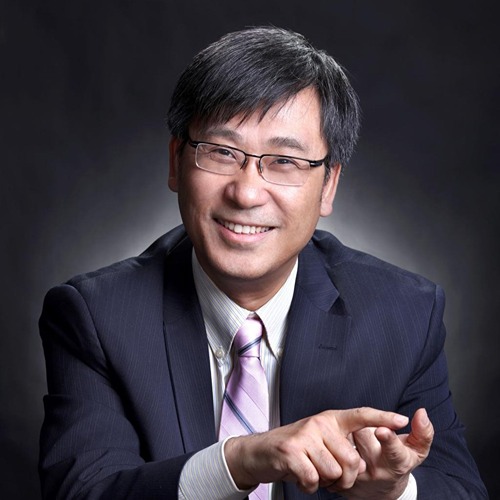
Bing Su
Shanghai Jiao Tong University School of Medicine, China