Event details

October 6-8, 2026
Houston, Texas, USA
In-Person Event

Registration open until October 5, 2026
Registration open
Register here
Registration deadline: October 5, 2026
Submit abstract
Deadline: August 7, 2026

This conference will bring together leading researchers from academia, biotechnology and the pharmaceutical industry to discuss emerging strategies that are transforming the landscape of cancer therapeutics. We will highlight advances in the development of next-generation treatment modalities and the technologies that are enabling them.
 
Talks will cover next-generation biologics and immunotherapies, such as T-cell engagers, cancer vaccines, in vivo CAR approaches, oncolytic virotherapy and microbiome-based therapies. We will also explore new paradigms in targeted protein modulation, including molecular glues, PROTACs and RNA degraders, as well as emerging targeted therapies for historically challenging oncogenic drivers such as RAS.
 
In addition, we will address innovative therapeutic platforms and engineering approaches, including nanotechnology-based therapeutics, engineered bacteria and next-generation tumour models. Finally, we will examine how artificial intelligence is accelerating therapeutic development through AI-assisted drug design and screening, biomarker-guided therapy identification and patient stratification, agentic AI systems and foundation models.
 
Starting on the morning of Tuesday October 6 and concluding in the early afternoon of Thursday October 8, the conference will include talks from approximately 23 invited speakers, short talks selected from submitted abstracts and poster sessions. Conference sessions will focus on the following themes:
 
 Next-generation biologics
 
Next-generation immunotherapy
 
Next-generation targeted therapies
 
Next-generation therapeutic platforms
 
Artificial intelligence in therapeutics


Keynote Speakers
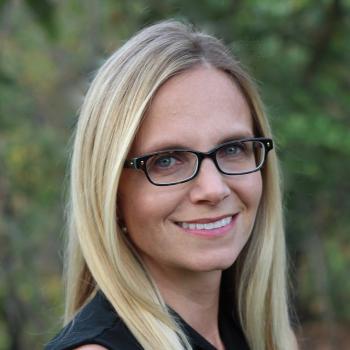
Christina Curtis
Christina Curtis

RZ Cao Professor of Medicine, Genetics & Biomedical Data Science

Stanford University (California, USA)

Christina Curtis, PhD, MSc, is the RZ Cao Professor of Medicine, Genetics, and Biomedical Data Science at Stanford University, where she serves as a transformative leader in cancer genomics and systems biology. As the Senior Vice Chair of Research for the Department of Medicine and Director of Artificial Intelligence and Cancer Genomics, her work focuses on deciphering the complex evolutionary dynamics of human tumors. She is widely recognized for developing the "Big Bang" model of tumor growth, which utilizes high-throughput molecular profiling and computational modeling to predict how cancers progress, metastasize, and respond to treatment.
Throughout her career, Dr. Curtis has redefined the molecular map of breast cancer, providing clinicians with better tools to identify patients at high risk of late recurrence. Her innovative approach has earned her some of the most prestigious honors in medicine, including the 2025 Paul Marks Prize for Cancer Research and the 2024 Susan G. Komen Brinker Award. A Chan Zuckerberg Biohub Investigator and NIH Director’s Pioneer Award recipient, she also co-directs the Molecular Tumor Board at the Stanford Cancer Institute, bridging the gap between advanced data science and personalized patient care.
Paul Workman
Paul Workman

Harrap Professor of Pharmacology and Therapeutics

The Institute of Cancer Research (London, United Kingdom)

Professor Paul Workman, OBE FRS, is a world-renowned scientist and a leading figure in cancer research and drug discovery. He is currently the Harrap Professor of Pharmacology and Therapeutics at The Institute of Cancer Research (ICR) in London, where he previously served as Chief Executive and President from 2014 to 2021. For almost two decades (1997-2016) he built and directed the ICR’s CRUK Cancer Therapeutics Unit, now the Centre for Cancer Drug Discovery (CCDD) – a large and successful centre for the discovery of innovative molecular cancer therapeutics. Throughout his career, which spans academia, large Pharma (AstraZeneca) and biotech, Workman has promoted collaborative team science and been a pioneer in ‘precision medicine,’ moving away from ‘one-size-fits- all’ cytotoxic chemotherapy towards personalized, molecularly-targeted therapies. He is probably best known for the discovery of drugs inhibiting oncogenic protein and lipid kinases, the molecular chaperone HSP90 and the stress response-regulating transcription factor HSF1. He is also celebrated for originating the ‘Pharmacological Audit Trail,’ a rigorous, biomarker-driven framework used globally to provide a rational  guide to evidence-based decision-making in drug discovery and clinical development – incorporating pharmacodynamic biomarkers to ensure that drugs hit their intended targets to the required extent, and underpinning the Project Optimus regulatory initiative, promoting selection of the optimal biological dose.

Professor Workman’s impact on the pharmaceutical landscape is extensive, having overseen the discovery of numerous clinical drug candidates. Notable successes his teams played an instrumental role in include the approved AKT inhibitor capivasertib, the PI3K inhibitor pictilisib, the HSP90 inhibitor luminespib, and earlier leadership of research to discover the approved EGFR inhibitor gefitinib. Beyond his academic leadership, Workman is a successful entrepreneur, co-founding biotech companies such as Piramed Pharma (acquired by Roche) and Chroma Therapeutics (assets acquired by CTI BioPharma) to accelerate the transition of lab discoveries into life-saving treatments.

In recognition of his five decades of service to the field, Professor Workman was appointed an Officer of the Order of the British Empire (OBE) in the 2026 UK New Year Honours. Among numerous honours and awards, he was elected a Fellow of the Royal Society and of the Academy of Medical Sciences (the UK’s national academies of science and medicine, respectively) and has also been elected a Fellow of the American Association for the Advancement of Science (AAAS) and the American Association for Cancer Research Academy (AACR). Today, he continues to drive innovation in the CCDD and as Co-Director of the CRUK Children’s Brain Tumour Centre of Excellence hosted at ICR and Cambridge University, focusing on finding new solutions for some of the most challenging forms of the disease and hard-to-drug targets. Professor Workman also directs the Chemical Probes Portal, an open-access resource that helps scientists worldwide in the selection and best practice use of the most reliable chemical tools for biomedical research.

Speakers
Nicholas Arpaia
Nicholas Arpaia

Associate Professor of Microbiology & Immunology

Columbia University (New York, USA)
Dr. Nicholas Arpaia, PhD, is an Associate Professor of Microbiology & Immunology at the Columbia University Irving Medical Center (CUIMC), having been promoted to this tenured position in 2024. He earned his BS in Biochemistry from SUNY Geneseo in 2006 and a PhD in Molecular and Cell Biology from the University of California, Berkeley in 2011, where he studied host-pathogen interactions. Before joining Columbia, Dr. Arpaia completed a postdoctoral fellowship at Memorial Sloan Kettering Cancer Center, focusing on regulatory T cell specialization.
Since establishing his lab at Columbia in 2016, Dr. Arpaia's research has focused on immune responses within the tumor microenvironment. Notably, he has pioneered the use of synthetic biology to engineer "programmable probiotics" that deliver therapeutic payloads to tumors, co-founding GenCirq, Inc. to advance these technologies. In addition to his research, he serves as the Director of Graduate Studies for the Microbiology & Immunology program. His work has been recognized with honors such as the Searle Scholar designation in 2017 and the Harold and Golden Lamport Award in 2021.
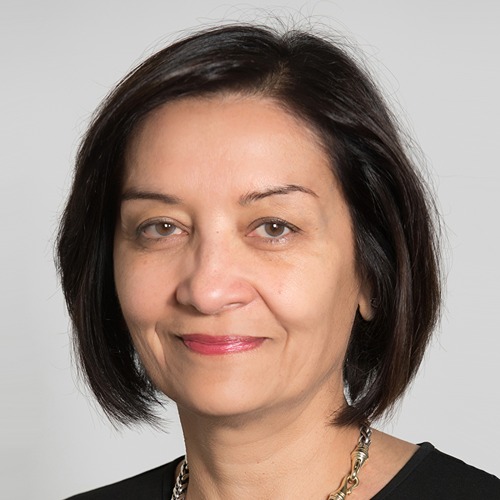
Nina Bhardwaj
Nina Bhardwaj

The Tisch Cancer Institute at Mount Sinai (New York, USA)

Nina Bhardwaj, MD, PhD, is a Professor of Medicine specializing in Hematology, Medical Oncology, and Urology at the Icahn School of Medicine at Mount Sinai, where she serves as Director of Immunotherapy, Medical Director of the Vaccine and Cell Therapy Laboratory, and Co‑Director of the Cancer Immunology Program. She also holds the prestigious Ward Coleman Chair in Cancer Research and is a faculty member of the Icahn Genomics Institute. 

An internationally recognized leader in human dendritic cell biology, Dr. Bhardwaj has made seminal contributions to antigen presentation, dendritic cell subset discovery, and the development of Toll‑Like Receptor agonist‑ and dendritic cell‑based vaccines for cancer and infectious diseases. She has also pioneered neoantigen vaccine research, translating fundamental immunological discoveries into impactful clinical trials. Her achievements have been recognized with major honors, including being named one of Scientific American’s Top 50 Researchers and receiving the Fred W. Alt Award for Immunology. 

With more than 200 peer‑reviewed publications, Dr. Bhardwaj is a senior editor for leading journals in immunology and cancer research and has served on numerous NIH study sections and advisory committees. Her leadership within the American Association for Cancer Research, including chairing the Cancer Immunology Steering Committee, further reflects her influential role in shaping the field of immunotherapy.
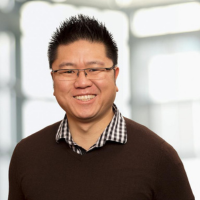
Warren Chan
Warren Chan

Dean and Professor President’s Chair in Engineering

Nanyang Technological University(NTU), (Singapore)

Dr. Chan is the President’s Chair of Engineering and Dean of Engineering at Nanyang Technological University (NTU) in Singapore   He is a Professor in the School of Chemistry, Chemical Engineering, and Biotechnology.  He received his B.S. degree from the University of Illinois in 1996, Ph.D. from Indiana University in 2001, and post-doctoral training at the University of California (San Diego).  He was faculty at the Institute of Biomedical Engineering at the University of Toronto before moving to NTU Singapore.  His lab develops nanotechnology for diagnosing and treating cancer and infectious diseases. Some of his awards include NSERC E. W. R. Memorial Steacie Fellowship, Kabiller Young Investigator Award in Nanomedicine (Northwestern University), Rank Prize Fund award in Optoelectronics (England), and Dennis Gabor Award (Hungary).  He is currently an Executive Editor of ACS Nano. 

Jennifer Cochran
Jennifer Cochran

Macovski Professor of Bioengineering, and (by courtesy) of Chemical Engineering

Stanford University (California, USA)
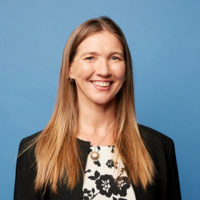
Jennifer R. Cochran, Ph.D., is a renowned bioengineer and academic leader at Stanford University, where she currently serves as the Senior Associate Vice Provost for Research. A pioneer in the field of protein engineering, she is the Addie and Al Macovski Professor in the School of Engineering and holds a courtesy appointment in Chemical Engineering. Dr. Cochran joined the Stanford faculty in 2005 and was a founding member of the Department of Bioengineering, which she chaired from 2017 to 2022. Her research in the Cochran Laboratory employs an interdisciplinary blend of chemistry, engineering, and biophysics to create "designer" proteins for treating cancer, autoimmune diseases, and tissue damage.
Beyond her academic achievements, Dr. Cochran is a "scientist entrepreneur" known for her commitment to translating lab discoveries into clinical therapies. She has co-founded several biotechnology companies, including xCella Biosciences (acquired by Ligand) and Combangio (acquired by Kala Pharmaceuticals), and serves as a Chief Scientific Advisor to life sciences investment funds like Red Tree Venture Capital. In 2025, she reached a pinnacle of professional recognition with her election to the National Academy of Engineering (NAE), cited for her advances in biopharmaceutical discovery and her leadership in biotechnology.
Originally from Newark, Delaware, Dr. Cochran initially harbored dreams of becoming a musician before discovering a passion for chemistry. She earned her B.S. in Biochemistry from the University of Delaware in 1995 followed by a Ph.D. in Biological Chemistry from the Massachusetts Institute of Technology (MIT) in 2001, where she also completed a postdoctoral fellowship. Today, she remains a central figure in Stanford’s research mission, focusing on building pathways for other faculty to bring their scientific innovations to the market.
Danette Daniels
Danette Daniels

Vice President of the Protein Degrader Platform

Foghorn Therapeutics (Massachusetts, USA)
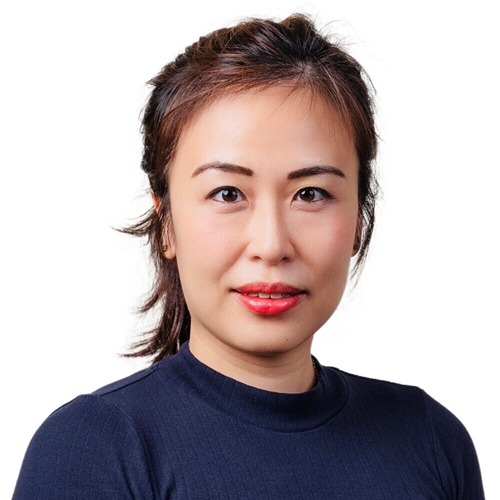
Danette Daniels, Ph.D., is a prominent scientific leader in biotechnology, currently serving as the Vice President of the Protein Degrader Platform at Foghorn Therapeutics. Since joining the company in February 2022, she has led the strategic development of innovative therapies targeting the chromatin regulatory system, with a specific focus on Targeted Protein Degradation (TPD) for oncology. Her expertise in TPD—a field that focuses on eliminating disease-causing proteins rather than simply inhibiting them—has been instrumental in advancing Foghorn’s degrader programs, including their work on CBP and EP300 protein degraders.
Beyond her corporate leadership, Dr. Daniels is a dedicated advocate for scientific community-building and mentorship. She is the co-founder of the Women in TPD & Induced Proximity Initiative, which provides professional development and networking opportunities for women in the field. Her influence extends to major scientific organizations; she was recently elected Chair of the American Association for Cancer Research (AACR) Chemistry in Cancer Research Committee for the 2026–2028 term and is a co-Chair for the 2026 Gordon Research Conference on Induced Proximity Modalities.
Dr. Daniels’ career is built on a strong academic and research foundation. Before her tenure at Foghorn, she spent 15 years at Promega Corporation, where she served as a Group Leader in Functional Proteomics and co-developed several proximity-based pharmacology modalities. She holds a B.A. from Columbia University and a Ph.D. in Biophysics from Yale University, followed by a postdoctoral fellowship at the Stanford University School of Medicine.
Eliza Fong
Eliza Fong

Assistant Professor, Department of Biomedical Engineering

National University of Singapore (Singapore)

Dr. Eliza Fong is an Assistant Professor in the Department of Biomedical Engineering at the National University of Singapore (NUS), where she leads the Translational Tumor Engineering Laboratory (www.ttelab.com). A leading figure in cancer research, Dr. Fong specializes in developing bioengineered platforms to keep patient-derived tumor fragments alive ex vivo. Her work is at the forefront of personalized medicine, creating "patient avatars" that allow clinicians to test various drug combinations on a patient's own cells before treatment begins, significantly improving the accuracy of cancer therapies. Dr. Fong’s academic journey began at NUS, where she earned her B.Eng. in Bioengineering, followed by a Ph.D. from Rice University under the prestigious NUS-Overseas Graduate Scholarship. Since returning to Singapore, she has held multiple strategic roles, including Principal Investigator at The N.1 Institute for Health and Associate Investigator at the Cancer Science Institute of Singapore (CSI). Her research into the tumor microenvironment and synthetic hydrogel scaffolds has earned her international recognition, including the L’Oreal-UNESCO For Women in Science Fellowship (Runner-Up) and the NUS College of Design and Engineering Outstanding Early Career Award. Beyond the lab, she is a dedicated mentor to Ph.D. students, shaping the next generation of scientists in the Integrative Sciences and Engineering Programme.
Björn Högberg
Björn Högberg

Professor, Department of Medical Biochemistry and Biophysics

Karolinska Institute (Stockholm, Sweden)
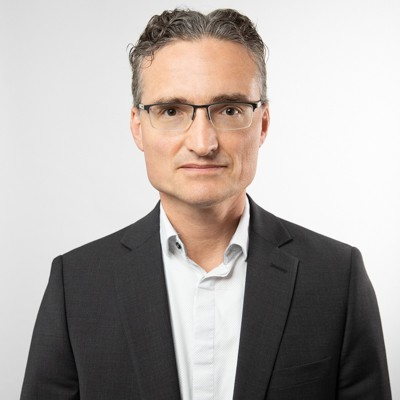
Björn Högberg is a professor of Biophysics at Karolinska Institutet. He completed his PhD in Physics at Mid Sweden University and his post-doc at Harvard Medical School. Since 2010, he has led a research group at Karolinska Institute, focusing on DNA nanotechnology. His work includes developing molecular tools for cell biology, anti-cancer strategies, and novel spatial sequencing methods. His lab has published in top journals like Nature, Nature Methods and Advanced Materials, and he has received numerous grants and awards, including the ERC Advanced and the Göran Gustafsson Prize from the Swedish Royal Academy of Sciences and is a member of the Nobel Assembly at the Karolinska Institutet.
Filip Janku
Filip Janku

Chief Medical Officer

Monte Rosa Therapeutics (Massachusetts, USA)
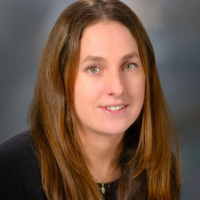
Dr. Filip Janku, MD, PhD, is the Chief Medical Officer at Monte Rosa Therapeutics, a Boston-based biotech company specializing in the development of molecular glue degraders to target hard-to-drug proteins in cancer, autoimmunity, and inflammation. Previously, he was an Associate Professor in the Department of Investigational Cancer Therapeutics (Phase I Program) and served as Center Medical Director for the Clinical and Translational Research Center at MD Anderson Cancer Center, where he focused primarily on the early development of targeted therapies. Dr. Janku earned his MD and PhD from Charles University in Prague. He has received multiple awards for his research, including the Emil Frei III Award for Excellence in Translational Research, the Sabin Family Fellow Award, the Khalifa Scholar Award, and the Sidney Kimmel Scholar Award. Dr. Janku has published more than 300 articles in peer-reviewed journals.
Florencia McAllister

Professor and Scientific Director, Tumor Ecosystems Center

The University of Texas MD Anderson Cancer Center (Texas, USA)

Dr. Florencia McAllister is a distinguished physician-scientist and professor at MD Anderson Cancer Center, where she serves as a leading expert in gastrointestinal medical oncology and tumor immunology. Originally from Pergamino, Argentina, she was inspired to specialize in pancreatic cancer research following the loss of her mother and grandfather to the disease. She earned her medical degree from the National University of Rosario before moving to the United States for advanced training. Her academic journey included a postdoctoral fellowship in immunology at Louisiana State University, an internal medicine residency at the University of Pittsburgh, and specialized fellowships in medical oncology and clinical pharmacology at Johns Hopkins University.
Currently, Dr. McAllister co-leads the Pancreatic Cancer Moonshot Program and directs the Pancreatic Cancer Genetics/High Risk Clinic. Her groundbreaking research through the McAllister Laboratory focuses on the "gut-tumor microbial axis," exploring how microbes and the immune system influence cancer progression. She is particularly well-known for identifying a microbiome signature that predicts long-term survival in pancreatic cancer patients and for her work on how IL-17 signaling and aerobic exercise affect tumor growth. Her contributions have been recognized with prestigious honors, including the 2023 Mary Beth Maddox Award, cementing her reputation as a pioneer in the effort to turn pancreatic cancer into a manageable or preventable condition.
Paul Parren
Paul Parren

Professor of Molecular Immunology and Co-founder and Chief Scientific Officer

Leiden University Medical Center and Gyves BV (Leiden, Netherlands)
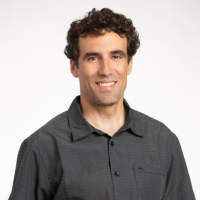
Paul W.H.I. Parren, PhD, is a prominent scientist and entrepreneur currently serving as a Professor of Molecular Immunology at the Leiden University Medical Center (LUMC). With a career spanning over three decades, he has become a leading authority in antibody biology and the development of innovative immunotherapies. His academic work at LUMC focuses on translating fundamental immunology into therapeutic technologies, particularly in the realm of bispecific antibodies and complement-targeted therapies for cancer and other complex diseases.
Beyond his academic role, Dr. Parren is a "multipreneur" with a significant footprint in the biotechnology industry. He is currently the Co-founder and Chief Scientific Officer of Gyes BV, a startup dedicated to multispecific antibody platforms, and serves as the CEO of Sparring Bioconsult BV. He also holds a major leadership role as the Chair of the Board of Directors for The Antibody Society, an international non-profit trade organization.
Dr. Parren’s professional history includes pivotal leadership positions at Genmab (2002–2017) and LAVA Therapeutics (2018–2023), where he spearheaded research that led to the development of nine approved therapeutic antibodies. His scientific impact is reflected in over 230 published papers and an h-index of 102, underscoring his influence in the field of drug discovery and molecular medicine.
Matt Patricelli
Matt Patricelli

Chief Scientific Officer

Vividion Therapeutics, Inc. (California, USA)

Matt Patricelli, Ph.D., is a prominent biopharmaceutical executive currently serving as the Chief Scientific Officer (CSO) at Vividion Therapeutics, a subsidiary of Bayer. As the company's first employee and a founding scientist, Dr. Patricelli has been a central figure in evolving its proprietary chemoproteomic platform from an early-stage discovery tool into a robust engine for discovering and advancing drugs into clinical trials. In his current capacity, he oversees all research functions to discover novel therapeutics against high-value proteins previously considered "undruggable".

Prior to his tenure at Vividion, Dr. Patricelli served as the Senior Director of Biology at Wellspring Biosciences, where he led critical projects such as the KRAS-G12C covalent inhibitor program. Between 2000 and 2012, he was a foundational member of ActivX Biosciences, where he established and led the chemical proteomics platform activities and launched the successful commercial screening service, KiNativ.

Dr. Patricelli's academic foundation was established at McGill University, where he earned his B.Sc. in biochemistry, followed by a Ph.D. from The Scripps Research Institute. Notably, he was the first graduate student of Dr. Benjamin Cravatt, a renowned scientist and Vividion co-founder. Dr. Patricelli is an author or co-author of over 30 scientific publications and holds multiple patents.

Rebecca Paul
Rebecca Paul

Director, Medicinal Drug Design

Isomorphic Labs (London, UK)

Rebecca leads a team of drug designers at Isomorphic Labs. She was previously a Senior Principal Scientist at BenevolentAI, where she led drug discovery projects in neuroinflammation and oncology. Prior to Benevolent, Rebecca worked at Heptares Therapeutics, where she was part of the team who discovered SSTR5 agonist 30310, which subsequently entered the clinic for endocrine disorders.

Rebecca has a degree in Natural Sciences from Cambridge University where she received three Churchill College Prize Scholarships and the Alex Hopkins award for achievement in Chemistry.

She completed her MRes and PhD at Imperial College under Alan Armstrong and David Mann and was awarded the Sir Alan Fersht Award for Exceptional Performance and The Faculty of Natural Sciences Award for Teaching Excellence. She is a co-author of 16 publications and patents.
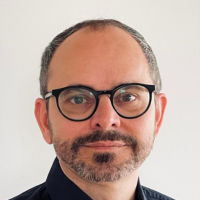
Markus Reschke
Markus Reschke

Global Head of Radioligand Therapy

Novartis Biomedical Research Oncology (Basel, Switzerland)
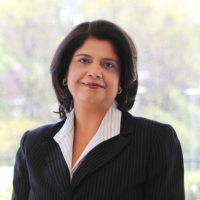
Markus Reschke earned his PhD at the Max-Planck Institute of Biochemistry and Technical University in Munich, Germany. He then completed postdoctoral research in cancer biology and genetics at Harvard Medical School and Beth Israel Deaconess Medical Center in Boston, USA. In 2017, Markus joined Novartis in the Oncology Drug Discovery Pharmacology group. Since 2019, he has led the Oncology Project Team for the Radioligand Therapy (RLT) platform, playing a key role in developing Novartis’s current RLT drug discovery portfolio. Markus is now the Global Head of RLT in Novartis Biomedical Research Oncology, where he provides scientific leadership and guidance to drug discovery teams.
Puja Sapra
Puja Sapra

SVP, Biologics Engineering and Oncology Targeted Discovery

AstraZeneca (Maryland, USA)

Puja Sapra, Ph.D. is Senior Vice President of the Biologics Engineering & Oncology Targeted Discovery at AstraZeneca. In this role, she leads the discovery groups responsible for development of tumor-targeting modalities including antibody-drug conjugates (ADCs) and radioconjugates and small molecules for Oncology Research. She also leads discovery efforts of all biologics for AZ.
Prior to joining AstraZeneca, Dr Sapra was Vice President and Chief Scientific Officer at Pfizer Inc., where she built industry leading platforms and a diversified pipeline in the tumor-targeted arena and biologics including ADCs, T-cell engagers, conditional biologics and nanoparticles. Prior to Pfizer, Dr. Sapra led Pharmacology groups at Enzon Pharmaceuticals, NJ and Immunomedics Inc. NJ, developing several oncology-based targeted therapeutics.
Puja has broad expertise in tumor-targeting strategies and biotherapeutics including ADCs, radioconjugates, immunotherapeutics, liposomal drug delivery system, nanoparticles, antisense oligonucleotide delivery and pegylation technologies. She is a well-recognized expert in targeted therapeutics, especially in the ADC arena and has given numerous lectures at national and international meetings including plenary talks at AACR, SABCS, ESMO-TAT etc. Notable successes include contributing to three approved ADCs (Mylotarg, Besponsa, Trodelvy), and CD3- bispecifics (Elrexfio) as well as progressing several other ADCs and bispecifics in the clinic.
Puja received her Bachelor’s degree from All India Institute of Medical Sciences, the premier medical college of India, and was one of two Indians to be awarded the prestigious British Chevening scholarship. She went on to receive a PhD in Pharmacology from University of Alberta in the lab of Theresa M Allen, who pioneered the concept of Stealth liposomal technology that ultimately resulted in the development of Doxil® liposomal therapy. Puja has authored over 50 scientific publications, book chapters and is a named inventor/co-inventor on more than 25 patents. She is a member of several scientific and medical societies including American Association for Cancer Research and also serves as Deputy Editor of Molecular Cancer Therapeutics. She was awarded Healthcare Business Women Association Rising Star in 2017 and Long Standing Contribution to the Field Award at World ADC conference in 2023, and Strathclyde Executive Leadership Award (STELAR) from University of Strathclyde in 2024,
Luminary at the annual Healthcare Businesswomen’s Association (HBA) awards in 2025, and recognized by Endpoints News’ as an honoree in the Women in Biopharma 2025 report.
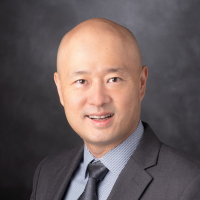
Xiling Shen
Xiling Shen

Professor of Gastrointestinal Medical Oncology

The University of Texas MD Anderson Cancer Center (Texas, USA)
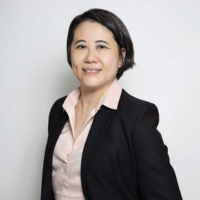
Dr. Shen is a Professor and CPRIT Scholar in GI Medical Oncology and Co-Director of the CRC Moonshot at MD Anderson Cancer Center. He earned his BS, MS, and PhD from Stanford University and received the NSF Faculty CAREER Award while at Cornell University. He serves on the editorial board of the NIH Director’s New Innovator Award (DP2) program and has previously served as a Steering Committee Chair for both the NCI Patient-Derived Models of Cancer Consortium and the Tissue Engineering Collaborative, as well as Director of the Woo Center for Big Data and Precision Health at Duke University. Dr. Shen has founded multiple biotechnology startups that have translated discoveries from his laboratory into ongoing clinical trials. His research focuses on cancer biology, stem cells, precision therapeutics, and the gut–brain axis.
Lillian Siu
Lillian Siu

Senior Medical Oncologist

Princess Margaret Cancer Center (Toronto, Canada)
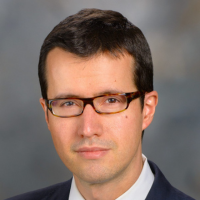
Dr. Lillian Lai Yun Siu is a distinguished Canadian oncologist and physician-scientist known for her work in anticancer drug development and precision medicine. After her mother's cancer diagnosis, she was inspired to pursue oncology, earning her medical degree from the University of Toronto in 1991. Following specialized training in oncopharmacology and experimental therapeutics in Toronto and at the University of Texas Health Science Center at San Antonio, she returned to Toronto in 1998 to lead the Phase I clinical trials program at Princess Margaret Cancer Centre.
Dr. Siu holds a professorship at the University of Toronto and directs programs specializing in early-phase trials for head and neck cancers, incorporating advanced, liquid biopsy techniques. With a prolific research background exceeding 370 publications, she leads as Editor-in-Chief for Cancer Research Communications. Her career is marked by prestigious honors, including the 2024 David A. Karnofsky Memorial Award and her designation as the 2025–2026 President of the AACR. Further, she is recognized for mentoring nearly 70 oncologists.
Ferdinandos Skoulidis

Tenured Associate Professor of Thoracic/Head & Neck Medical Oncology

The University of Texas MD Anderson Cancer Center (Texas, USA)
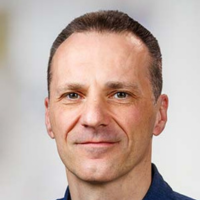
Dr. Ferdinandos Skoulidis, M.D., Ph.D., MRCP, is a Tenured Associate Professor of Thoracic/Head & Neck Medical Oncology at The University of Texas MD Anderson Cancer Center. His research centers on the molecular and clinical heterogeneity of KRAS‑mutant non‑small cell lung cancer (NSCLC), with a focus on defining co‑mutational subgroups, uncovering mechanisms of therapeutic response and resistance, and developing precision, genotype‑directed treatment strategies. He is internationally recognized for his contributions to understanding STK11‑ and KEAP1‑driven immune resistance, and he played a leading role in the clinical development of sotorasib, culminating in the first FDA‑approved direct RAS inhibitor in 2021. Dr. Skoulidis received his medical degree from the Aristotle University of Thessaloniki and his Ph.D. from the University of Cambridge, followed by advanced clinical and research training in the UK and at MD Anderson. His work has been supported by the NIH/NCI, CPRIT, and the U.S. Department of Defense, and honored with distinctions including the AACR NextGen Star Award.
Matthias Stephan
Matthias Stephan

Professor, Translational Science and Therapeutics

Fred Hutchinson Cancer Center
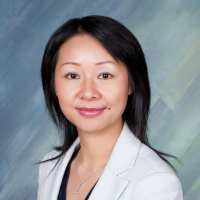
Dr. Matthias Stephan is an expert in immunobioengineering, a discipline that marries innovative materials engineering with strategies for improving immune-based therapies. He and his team are developing new approaches involving “smart” synthetic materials to boost the body’s natural ability to fight cancer. He developed a biodegradable sponge-like scaffold that can be loaded with cancer-fighting immune cells and immune-boosting drugs, then surgically implanted to help prevent disease recurrence or treat a tumor that cannot be safely removed. With Fred Hutch colleagues, Dr. Stephan is now developing and testing scaffolds to treat breast, ovarian, pancreatic and brain cancers. He is also developing nanoparticles to improve the curative power of an immunotherapy called T-cell therapy. For example, he is crafting nanoparticles to deliver molecules that would prime tumors for the therapy by shutting down their ability to evade or block the incoming T-cells.
Lili Yang
Lili Yang

Professor of Microbiology, Immunology and Molecular Genetics

University of California, Los Angeles (California, USA)

Dr. Lili Yang received her Ph.D. degree in Biology from the California Institute of Technology (Caltech), studying with Dr. David Baltimore. She is currently Professor of Microbiology, Immunology and Molecular Genetics at the University of California, Los Angeles (UCLA). Her research laboratory at UCLA studies tumor immunology and cancer immunotherapy, with a special focus on developing gene and cell-based immunotherapy for cancer (https://www.liliyanglab.com/). So far her work has resulted in over 120publications, 30 patents, 3 clinical trials, and 2 biotech startups.   

In recognition of her scientific achievements, Dr. Lili Yang has received multiple prestigious awards, including a TR35 (Innovators Under 35) Award from the MIT Technology Review Magazine, a Director’s New Innovator Award from the National Institute of Health (NIH), a Young Investigator Award from the American Association of Immunologists (AAI), and an Outstanding New Investigator Award from the American Society of Gene & Cell Therapy (ASGCT). 

Dr. Lili Yang is also widely recognized for her biotech accomplishments. She has been named Women in Biopharma by Endpoints News in 2022, and Top Women in Academic Entrepreneurship by BIOS in 2023.
Dmitriy Zamarin
Dmitriy Zamarin

Professor, Hematology/Oncology

Ichahn School of Medicine at Mount Sinai (New York, USA)

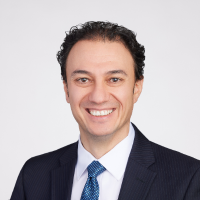
Dmitriy Zamarin MD PhD is Professor of Oncology, Section Head of Gynecologic Medical Oncology, and co-director of Center of Excellence for Gynecologic Cancers at the Tisch Cancer Center at Icahn School of Medicine at Mount Sinai. Dr. Zamarin obtained his MD and PhD degrees from the Mount Sinai School of Medicine. He completed residency in Internal Medicine at the Mount Sinai Hospital and fellowship in Hematology/Oncology at the Memorial Sloan Kettering Cancer Center. He spent a decade as a faculty and Translational Research Director in Gynecologic Medical Oncology at the Memorial Sloan Kettering Cancer Center before transitioning to his current role in September of 2023.

Dr. Zamarin has served as a principal investigator and a translational chair on multiple institutional and cooperative group clinical trials exploring novel immunotherapy combinations in gynecologic cancers and other solid tumors and serves as the translational research co-chair on the NRG Oncology Cervical Cancer committee. In the laboratory, his research is focused on understanding of the mechanisms by which gynecologic cancers are recognized by the immune system and on identification of biomarkers predictive of response and resistance to immunotherapy. His laboratory uses mouse models to explore the mechanisms of tumor-immune system interactions and to develop novel therapeutics, with particular focus on oncolytic viruses, vaccines, and targeted therapies. Dr. Zamarin has received awards and funding from multiple organizations including Damon Runyon Foundation, Ovarian Cancer Research Alliance, Department of Defense, and the National Cancer Institute and is an elected member of the American Society for Clinical Investigation.
Marinka Zitnik
Marinka Zitnik

Associate Professor of Biomedical Informatics

Harvard Medical School (Massachusetts, USA)

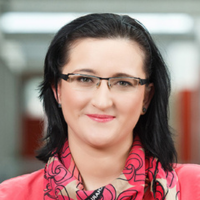
Dr. Marinka Zitnik is an Associate Professor of Biomedical Informatics at Harvard Medical School, where she leads a research lab focused on the intersection of artificial intelligence and biomedicine. Originally from Slovenia, she made history as the first woman from her country to attain a professorship at Harvard. Her work is centered on developing machine learning methods—specifically graph neural networks and foundation models—to accelerate scientific discovery and enable personalized medicine. Beyond her primary role at Harvard, she is an Associate Faculty member at the Kempner Institute, an Associate Member of the Broad Institute of MIT and Harvard, and a member of the NASA Space Biology Science Working Group .
Her research contributions are widely recognized for bridging the gap between computer science and therapeutic development. She co-founded the Therapeutics Data Commons (TDC), an open-access platform that provides standardized benchmarks for AI in drug discovery, and developed PrimeKG, a massive knowledge graph for precision medicine. Her innovative approach has earned her numerous accolades, including the 2026 Overton Prize for significant contributions to computational biology and the 2022 HMS Young Mentor Award. Through her lab, she continues to pioneer "AI Scientists" capable of autonomous reasoning to solve complex biological challenges.