

Organized by Xi’an Jiaotong University , Communications AI & Computing, Nature, Nature Energy, Nature Sustainability, Communications Materials and Nature Machine Intelligence.
Artificial intelligence is rapidly reshaping how materials are discovered, designed and deployed to address the world’s most pressing sustainability challenges. AI for Sustainable Materials brings together leading researchers, innovators and stakeholders at the intersection of materials science, data science and environmental sustainability for a focused, forward-looking discussion curated by the Nature Portfolio editorial team.
Across three days, the conference will explore how advances in artificial intelligence can accelerate the development of environmentally responsible materials, while also considering how materials innovation can, in turn, enable more efficient and sustainable AI.
Register Now Submit Abstract Deadline: Oct.30, 2026 Contact Us
Event details
Speakers
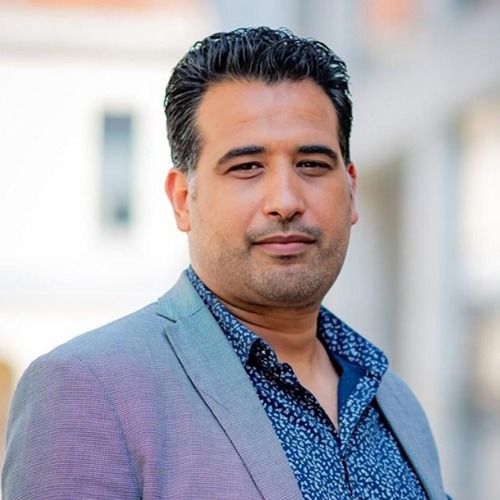
Khalid Ferji
Université de Lorraine, France
Khalid Ferji is Full Professor of Polymer Chemistry at the Université de Lorraine, France. His research focuses on the design and synthesis of functional polymeric materials through controlled radical polymerization, photopolymerization, and polymer colloids. In recent years, his research has expanded toward the integration of artificial intelligence into polymer science. His group develops machine learning, polymer informatics, and computer vision approaches to predict polymer properties and self-assembly, accelerate polymer and nanomaterial design, and support automated experimentation for polymer synthesis. His current research aims to bridge experimental polymer chemistry with artificial intelligence to advance data-driven and autonomous polymer discovery.
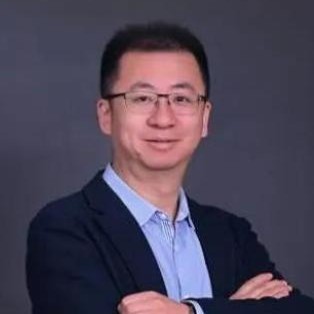
Dezhen Xue
Xi'an Jiaotong University, China
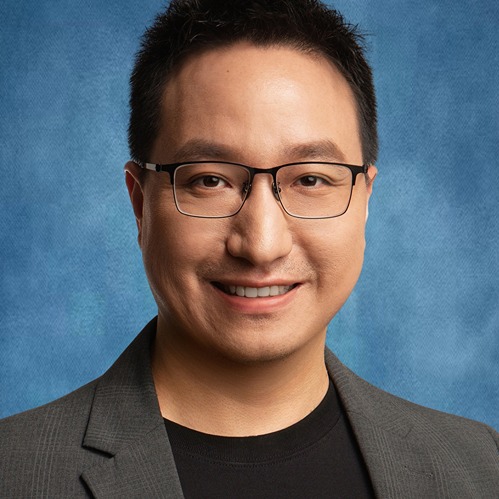
Yuanyuan Zhou
The Hong Kong University of Science and Technology, China
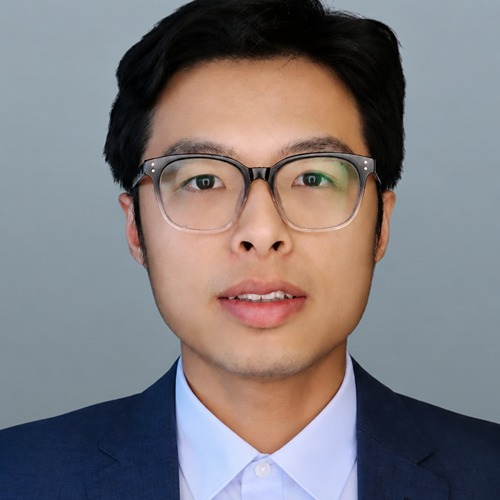
Gang Liu
City University of Hong Kong, China
Gang Liu is an Assistant Professor at City University of Hong Kong. His research focuses on generative AI and foundation models for polymer discovery, with publications in NeurIPS, KDD, ICLR, IEEE TKDE, ACM TKDD, and Cell Reports Physical Science. He is also the creator of torch-molecule and led the NeurIPS/Kaggle 2025 Open Polymer Challenge, which received over 50,000 submissions from participants in more than 100 countries.
Ryo Yoshida
Institute of Statistical Mathematics, Japan
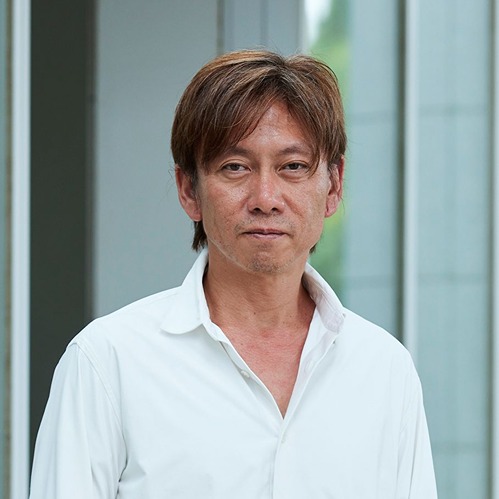
Ryo Yoshida received his Ph.D. from The Graduate University for Advanced Studies in 2004. He is a Professor at the Institute of Statistical Mathematics (ISM), Research Organization of Information and Systems, where he serves as Director of the Research Center for Materials Informatics and, since 2025, as Vice Director of ISM. As a machine learning researcher, he has pioneered data-driven materials research and the emerging field of AI for Materials Science. He has led an industry–academia consortium of more than 260 participants and the collaborative development of PolyOmics, one of the world’s largest computational databases for polymer materials. Since 2025, he has also led the Polymeromics Team within RIKEN’s TRIP-AGIS Program, where he is advancing foundation models for materials science and autonomous materials discovery systems that integrate AI with automated simulation and experimentation.
Hongbin Zhang
TU Darmstadt, Germany
Surya Kalidindi
Georgia Institute of Technology, USA
Berend Smit
EPFL, Switzerland
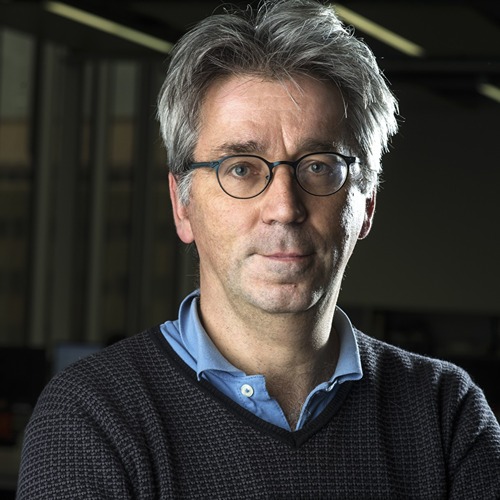
Professor Berend Smit is Full Professor of Chemical Engineering at the School of Basic Sciences.
Berend Smit received an MSc in Chemical Engineering and Physics from the Technical University in Delft, and a Ph.D. in Chemistry from Utrecht University. He was a (senior) Research Physicist at Shell Research from 1988-1997, Professor of Computational Chemistry at the University of Amsterdam from 1997-2007. In 2004, Berend Smit was elected Director of the European Center of Atomic and Molecular Computations (CECAM) in Lyon, France. In 2007 he was appointed Professor of Chemical Engineering and Chemistry at U.C. Berkeley and Faculty Chemist at the Materials Sciences Division, Lawrence Berkeley National Laboratory. Since July 2014, he is a full professor at EPFL. Berend is a Foreign Member of the Royal Netherlands Academy of Arts and Sciences (KNAW) and the Royal Holland Society of Sciences and Humanities (KHMW).
Berend Smit’s research focuses on the application and development of novel molecular simulation techniques, with an emphasis on energy-related applications.
Together with Daan Frenkel he wrote the textbook Understanding Molecular Simulations, and together with Jeff Reimer, Curt Oldenburg, and Ian Bourg, the textbook Introduction to Carbon Capture and Sequestration.
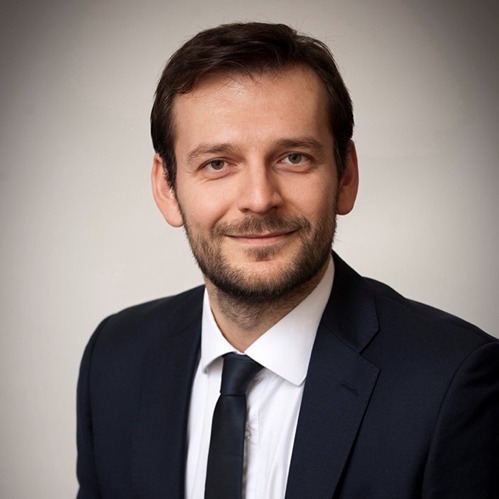
Konstantinos Daniel Tsavdaridis
City St George’s, University of London, UK
National Technical University of Athens, Greece
Professor Konstantinos Daniel Tsavdaridis holds the Chair of Structural Engineering at City St George’s, University of London, where he leads the Heavy Structures Laboratory and directs the Steel, Composite & Hybrid Structures and 3D Modular Building Construction (3DMBC) research groups. He is also an Assistant Professor at the School of Civil Engineering of the National Technical University of Athens, Greece’s leading technological university.
His research lies at the intersection of structural engineering, advanced manufacturing and artificial intelligence, with particular expertise in innovative steel and steel-concrete composite structures, structural optimisation, seismic-resilient modular construction and circular engineering. He has led a research and innovation portfolio exceeding €15 million, authored more than 300 scientific publications and developed several patented structural technologies. In 2019, he received a Royal Academy of Engineering-Leverhulme Trust Senior Research Fellowship for his work on digitally designed and additively manufactured connections for modular structures. He has been included among the world’s top 2% of scientists in Civil Engineering in the Stanford–Elsevier database since 2020 and was recognised by ScholarGPS in 2024 among the top 0.05% of scholars worldwide, ranking 28th globally in Design across all engineering fields.
A major focus of his current work is the application of machine learning, physics-informed AI and computer vision to structural design, identification and condition assessment. He is the Founder and Chief Scientist of Efestos Hub, where he leads the development of ēfestos.ai, a decision-intelligence platform for structural steel reuse, and ēVision, its computer-vision application for on-site structural identification, measurement, corrosion and damage detection. The company’s technology received the 2024 TechFest Award for Best Use of Technology in Carbon Reduction in Design. He is a Chartered Engineer, Fellow of the Institution of Civil Engineers and Member of the Institution of Structural Engineers, and contributes to European and UK committees developing structural standards and guidance.
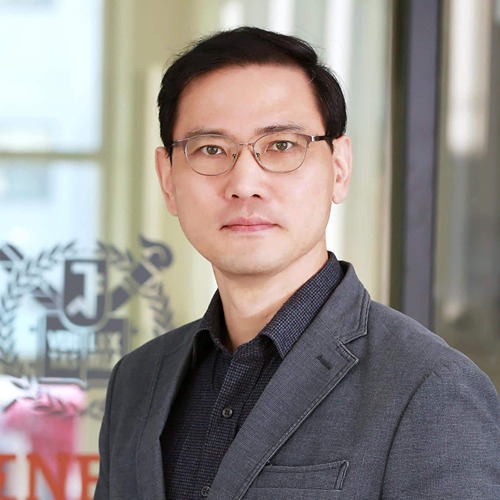
Seungwu Han
Seoul National University, Korea
Seungwu Han is a Professor in the Department of Materials Science and Engineering at Seoul National University (SNU), Korea. He received his B.S., M.S., and Ph.D. degrees in Physics from SNU and conducted postdoctoral research at Princeton University, USA. Before joining SNU in 2009, he was a faculty member in the Department of Physics at Ewha Womans University. He is also an Affiliate Professor at the AI Center of the Korea Institute for Advanced Study.
His research focuses on computational materials science and AI-driven materials discovery, particularly the development of machine-learning interatomic potentials and their applications to complex materials. His group has developed SevenNet, a scalable graph neural network framework for atomistic simulations, including the recent SevenNet-Omni and SevenNet-Nano models. His current research also explores agentic simulation frameworks that integrate computational automation and scientific reasoning to accelerate materials discovery and optimization. He has published approximately 240 SCI-indexed journal papers, accumulating about 22,000 citations with an h-index of 71.
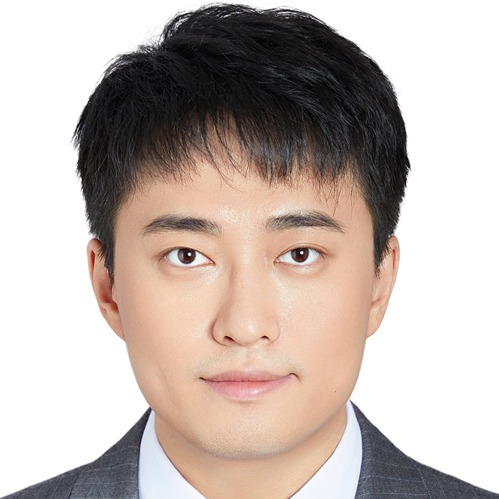
Jiaze MA
City University of Hong Kong, China
Jiaze Ma received his PhD from the University of Wisconsin-Madison in 2024. After completing his PhD, he joined the Department of Systems Engineering at City University of Hong Kong as an Assistant Professor. During his doctoral studies, he was a research intern in the Mathematics and Computer Science Division at Argonne National Laboratory. His research focuses on large-scale optimization, sustainability and energy systems, with a particular interest in exploiting the operational flexibility of energy-intensive infrastructure in volatile energy markets. His group develops graph-based, decomposition and GPU-accelerated optimization methods and applies them to large language model data centers and electrified chemical processes.
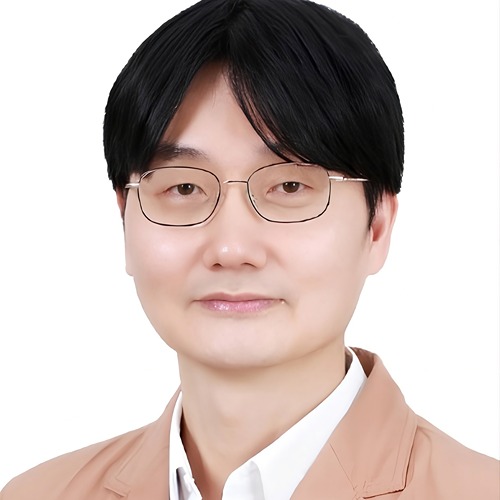
Tae-Woo Lee
Seoul National University, Korea
Tae-Woo Lee is a professor in the Department of Materials Science and Engineering at Seoul National University, Korea. He received his Ph.D. in Chemical Engineering from Korea Advanced Institute of Science and Technology (KAIST), Korea, in 2002. He joined Bell Laboratories, Lucent Technologies, USA, as a postdoctoral researcher in 2002 and then worked at Samsung Advanced Institute of Technology as a member of the research staff (2003–2008). He was an assistant and associate professor in the Department of Materials Science and Engineering at Pohang University of Science and Technology (POSTECH), Korea, until August 2016.
He received numerous prestigious awards, including the Merck Award (2006), Korea Young Scientist Award from Korea President (2008), the Scientist of the Month Award from the ministry of science, ICT and future planning in Korea (2013), Research Innovation Award from Ministry of Science and ICT of Korea (2018), Korean Engineering Award (Presidential Award) (2021), Commendation from the Ministry of Trade, Industry and Energy of Korea (Minister’s Award) (2021), and Kyung-Ahm Prize (2023). He was appointed as a Fellow of Korea Academy of Science and Technology in 2021. He was honored as 2020 MRS Fellow and 2024 SPIE Fellow. He has published 311 papers in high-impact journals including Science, Nature, Nature Photonics, Nature Nanotechnology, Nature Reviews Materials, Nature Biomedical Engineering, Science Advances, Nature Communications, Joule, PNAS, Energy and Environmental Science, and Advanced Materials. He is also the inventor or co-inventor of 445 patented technologies. He currently serves as an editorial board member on the Journals such as Advanced Materials, FlatChem, EcoMat, Chem & Bio Engineering, Materials Today Electronics, Nano Convergence, and Semiconductor Science and Technology, and as an associate/executive editor in Organic Electronics and The Innovation Materials.
His research focuses on organic, metal halide perovskite, and carbon materials, and their applications to flexible electronics, printed electronics, displays, solid-state lightings, solar energy conversion devices, and bioinspired neuromorphic devices.
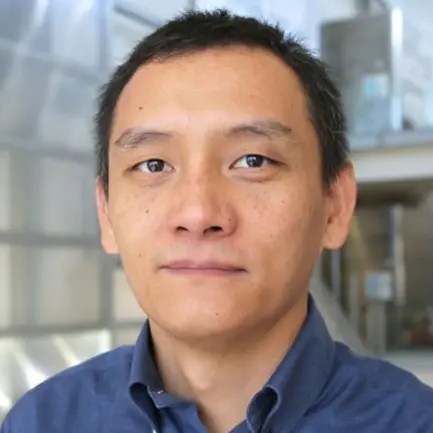
Lianyi Chen
University of Wisconsin-Madison, USA
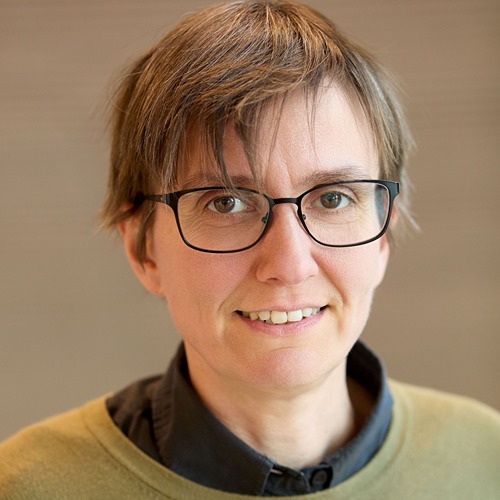
Katrien Bernaerts
Maastricht University, The Netherlands
Katrien Bernaerts graduated as a licentiate (master) in chemistry from Ghent University (Belgium) in 2000. From 2000 – 2005 she performed in PhD in polymer chemistry in the group of Prof. Du Prez at Ghent University (Belgium) on the synthesis and evaluation of stimuli responsive copolymer architectures by combination of different polymerization techniques. After PhD, Katrien spent 7 years in industry (Agfa, Teijin Aramid, DSM), doing research in the field of coatings and fibers. Since 2012, she holds an academic position at Maastricht University, where she is currently Full Professor Sustainable Polymer Synthesis.
Her main research focus is on the design and synthesis of sustainable polymer materials with tuneable properties for the circular economy. Sustainability entails biobased building blocks (but no biorefinery) instead of fossil raw materials, green routes for polymer synthesis and processing, as well as chemical recycling/reprocessing methods (biodegradability, depolymerization, dynamic bonds) to make the end-of-life of polymers more sustainable. Structure-property relationships of the resulting polymers are evaluated in several fields of application e.g. stimuli-responsive polymers, coatings, fibres, engineering plastics and biomedical materials. Growing focus on the use of artificial intelligence techniques to support and accelerate the experimental work, e.g. data interpretation and prediction of structure-property relationships.
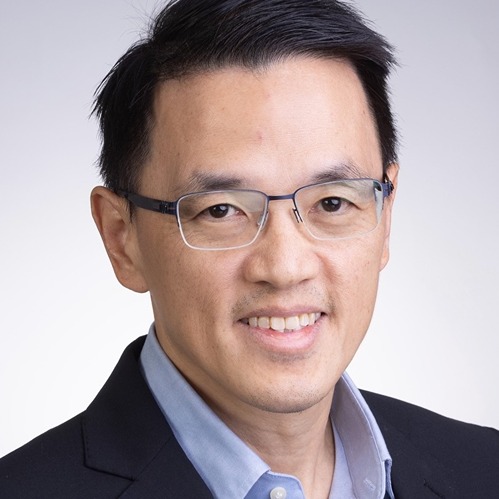
Shyue Ping Ong
National University of Singapore, Singapore
Prof. Shyue Ping Ong is the Provost’s Chair Professor in Materials Science and Engineering at the National University of Singapore. He leads the Materialyze.AI Lab, a materials informatics research group that integrates physics-based understanding with data science and artificial intelligence to accelerate materials discovery and design. He is widely recognized as a pioneer of foundation potentials - universal machine learning interatomic potentials with near-periodic-table coverage that enable atomistic simulations at unprecedented chemical, length, and time scales. His work has helped redefine how AI can be deployed as a predictive engine for materials science. Prof. Ong is the founder and lead developer of pymatgen, one of the world’s most widely used open-source libraries for materials analysis, and a core contributor to the Materials Project, a global public platform providing computed properties for tens of thousands of inorganic compounds. He received his Ph.D. in Materials Science and Engineering from the Massachusetts Institute of Technology (2011), and his M.Eng. and B.A. in Electrical and Information Sciences from the University of Cambridge (1999). He has authored over 170 peer-reviewed publications and has been named a Clarivate Highly Cited Researcher since 2021. His honors include the U.S. Department of Energy Early Career Research Program Award and the Office of Naval Research Young Investigator Award.
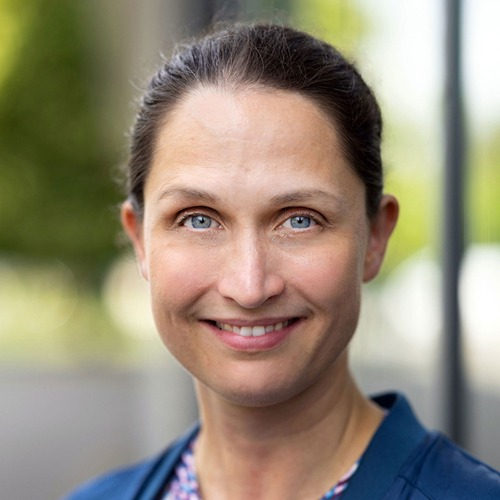
Eva Unger
Helmholtz-Zentrum Berlin für Materialien und Energie, Germany
Prof. Dr. Eva Unger leads a research team at Helmholtz Center Berlin in Germany focusing on developing scalable manufacturing processes of hybrid functional materials for renewable energy technology. She also holds a Professor position at Humboldt University Berlin. Her scientific background is in Chemistry and Materials Science with a Ph.D. degree from Uppsala University, Sweden, and undergraduate from Marburg University, Germany. She started working in the field of Perovskite Photovoltaics during her postdoctoral Research at Stanford University in the USA.
N. M. Anoop Krishnan
Indian Institute of Technology Delhi, India
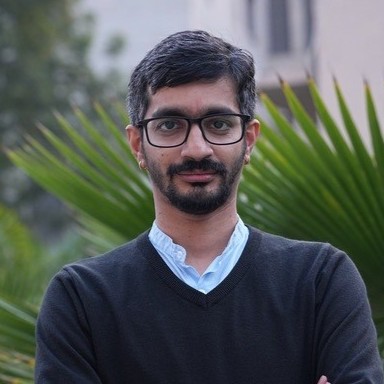
Prof. N. M. Anoop Krishnan is an Associate Professor in the Department of Civil and Environmental Engineering at IIT Delhi, with a joint appointment in the Yardi School of Artificial Intelligence. He completed his Ph.D. in Civil Engineering at the Indian Institute of Science, Bangalore, followed by postdoctoral research at the University of California, Los Angeles. Anoop works at the intersection of materials, mechanics, simulation, and AI/ML, with the goal of accelerating materials modeling and discovery. His research investigates the multiscale response of disordered materials, such as glasses and cementitious materials, through an integrated, AI-driven framework spanning: (i) automated knowledge extraction using natural language processing and large language models, (ii) computational materials design via machine learning-enhanced atomistic and multiscale modeling, (iii) autonomous experimentation through self-driving laboratories, and (iv) agentic systems that connect these pillars to enable end-to-end discovery.
He has published more than 150 peer-reviewed journal papers including in reputed venues such as Nature Communications, Nature Computational Science, Nature Machine Intelligence, and A* machine learning conferences such as NeurIPS, ICML, and ICLR. His honors include the Vittorio Gottardi Award from the International Commission on Glass (2026), the W. H. Zachariasen Award from the Journal of Non-Crystalline Solids (2025), the Sir A. Pilkington Award from the Society of Glass Technology, UK (2024), the Alexander von Humboldt Fellowship for Experienced Researchers (2023), the Google Research Scholar Award (2023), the W. A. Weyl International Glass Science Award from the International Commission on Glass (2022), the INAE Young Engineer Award (2020), and the NASI Young Scientist Award (2021), among others. He serves as Associate Editor for several journals, including RSC Digital Discovery, Communications Chemistry, and the Journal of the American Ceramic Society. He is also the author of a textbook, Machine Learning for Materials Discovery, published by Springer Nature.
Jason Hattrick-Simpers
University of Toronto, Canada

Curtis Berlinguette
University of British Columbia, UBC, Canada
Prof. Curtis P. Berlinguette leads an interdisciplinary team that designs and builds electrochemical reactors to accelerate decarbonization. Dr. Berlinguette is a Distinguished University Scholar at the University of British Columbia, where he is a Professor of Chemistry and Chemical & Biological Engineering. He is also a Fellow of the Royal Society of Canada. His academic group helped launch the field of self-driving labs and has advanced a range of clean energy applications including CO2 capture and utilization, membrane reactors for decarbonizing the chemicals industry, and lower-temperature fusion.
Marina Leite
University of California, Davis, USA
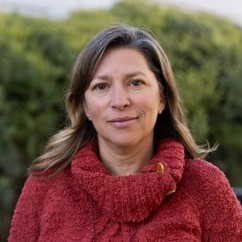
Leite is a Professor in Materials Science and Engineering and a 2022-2026 Chancellor’s Fellow at UC Davis (USA). She has >75 publications (with 37 journal covers) and has delivered >200 invited talks at conferences and research institutions around the globe. Leite is a Fellow of Optica and of SPIE, a senior member of IEEE and a 2026 IEEE Photonics Lectureship Awardee, an associate editor of APL Materials, a 2025 ACS Energy Lectureship Award finalist, an awardee of the 2016 APS Ovshinsky Sustainable Energy Fellowship from the American Physical Society, and of the 2014 Maryland Academy of Sciences Outstanding Young Scientist Award. Her research interests encompass materials for sustainability and for photonics. Leite has pioneered the use of AI to forecast material’s dynamic behavior, publishing her first article in this topic in 2019. Before joining UC Davis, Leite was an Associate Professor at the University of Maryland, College Park. She also worked at NIST and was a post-doctoral scholar at Caltech. Under her guidance, the researchers in the group have received 97 awards in the last 13 years, including 11 NSF graduate fellowships. Leite’s research has been supported by several programs from NSF, DARPA, and by the ARO.
Núria López
Institut Català d'Investigació Química, Spain
Susana Garcia
Heriot-Watt University, UK
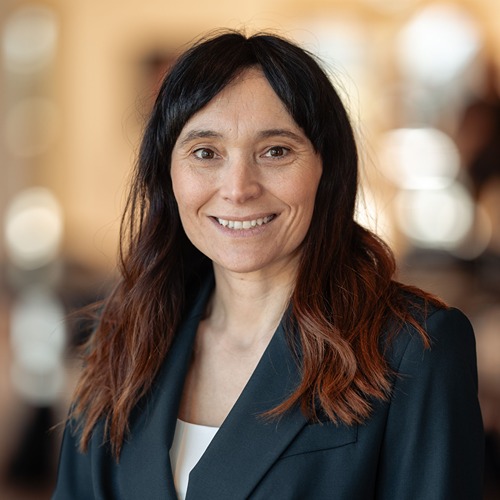
Susana Garcia is Full Professor of Chemical and Process Engineering and Global Head of the Institute of Mechanical, Process and Energy Engineering at Heriot-Watt University. Trained as a Chemical Engineer, she received her PhD from the University of Nottingham in 2010, completed postdoctoral research at INCAR-CSIC in Spain, and joined Heriot-Watt in 2014. She serves as Associate Director for Carbon Capture, Utilization and Storage (CCUS) at the Research Centre for Carbon Solutions since 2017 and was promoted to Full Professor in 2021. In 2023, she held a Visiting Professorship at EPFL, Switzerland. Internationally recognised for her work on low-carbon separation processes, CCUS, direct air capture (DAC), and AI-driven materials discovery for industrial decarbonisation, she also advises funding agencies, industry, foundations, and scientific societies.
Ying Li
University of Wisconsin–Madison, USA
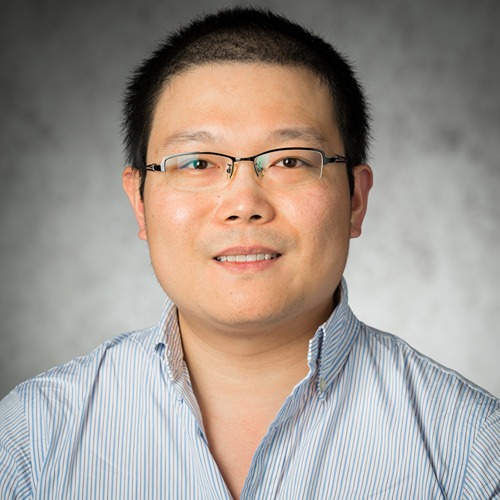
Dr. Ying Li is an Associate Professor of Mechanical Engineering at the University of Wisconsin–Madison. His research spans polymer mechanics and physics, polymer membranes for water and environmental applications, and machine-learning-accelerated polymer design. His honors include the Materials Today Rising Star Award, ACS PMSE Young Investigator Award, NSF CAREER Award, AFOSR Young Investigator Award, and 3M Non-Tenured Faculty Award.
Xiaonan Wang
Tsinghua University, China
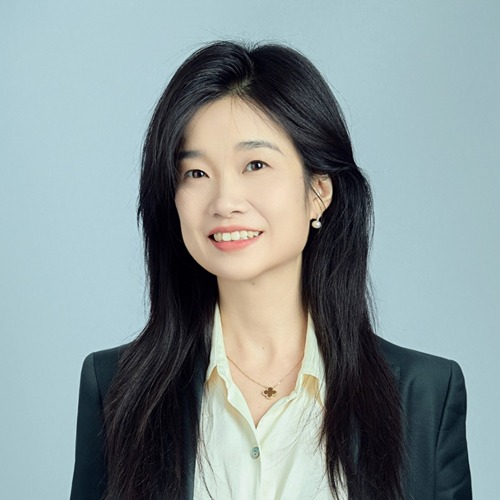
Xiaonan Wang is a tenured Associate Professor and Director of the Beijing Key Laboratory of Artificial Intelligence for Advanced Chemical Engineering Materials, Department of Chemical Engineering, Tsinghua University. She also serves as the Associate Dean of Office of International Affairs at Tsinghua. She received B.Eng. from Tsinghua University in 2011 and PhD from University of California, Davis in 2015. After working as a postdoctoral research associate at Imperial College London, she joined the National University of Singapore (NUS) as an assistant professor since 2017 and later became an adjunct associate professor. She is leading a Smart Systems Engineering research group at NUS and Tsinghua and also the director of the Intelligent Chemical Engineering Research Centre. She has published more than 180 papers, with > 15,300 citations and H index 72. She is an associate editor of Applied Energy and npj Thermal Science and Engineering etc. an editorial board member of Green Chemistry etc., recognized as a Clarivate Highly Cited Researcher, World’s Top 2% Scientists, Cell Press Women Scientist Award, Young Beijing Scholar, ACS Sustainable Chemistry and Engineering Lectureship, 50 Women in Tech by Forbes China etc.
Vivian W. Y. Tam
Western Sydney University, Australia
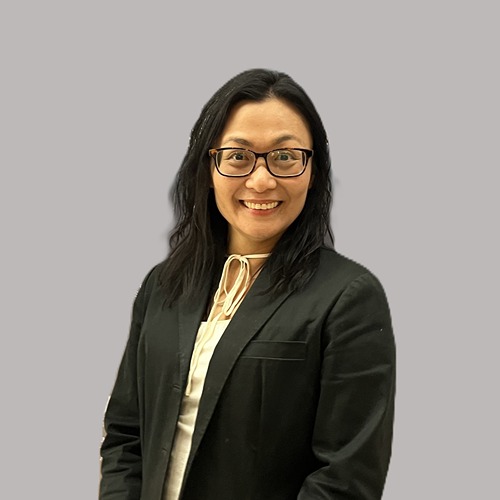
Distinguished Professor Vivian W. Y. Tam is the Fellow of the Australian Academy of Technological Sciences and Engineering and a world-leading researcher in the field of construction engineering and management. Her findings have found applications and impact for tackling climate-change issues for green buildings and recycled concrete. She is currently the Director for the ARC Industrial Transformation Training Centre in Digital Platforms for Net-Zero Building Ecosystem Lifecycle (NØBEL) at School of Built Environment and Design, Western Sydney University, Australia. She has served as the College of Expert, Australian Research Council, Australian Government in 2018-2021 and currently holds this position again from 2025 onward. She is currently the Editor-in-Chief of International Journal of Construction Management. She has published over 500 referred journal articles of which 8 are highly-cited. Her work has been recognised by peers nationally and internationally, which has been exemplified by ten Australian Research Council projects and over 44,000 citations with a h-index over 114. Vivian is named as the Winner for the Excellence in Engineering or Information and Communication Technologies, 2025 NSW Premier’s Prizes for Science and Engineering, Office of the NSW Chief Scientist and Engineer and 100,000 Top-Scientists (Top 2% Scientists) in the World for since 2017. Vivian is also nominated as a Runner Up, Scopus Researcher of the Year Award 2019, Excellence in Research Impacting a Sustainable Future, Scopus, and her team has won the Gold Award, 2021 Urban Innovation and Entrepreneurship Competition, Guangzhou International Sister-City Universities (GISU), from this project development.